
Last updated November 16, 2026
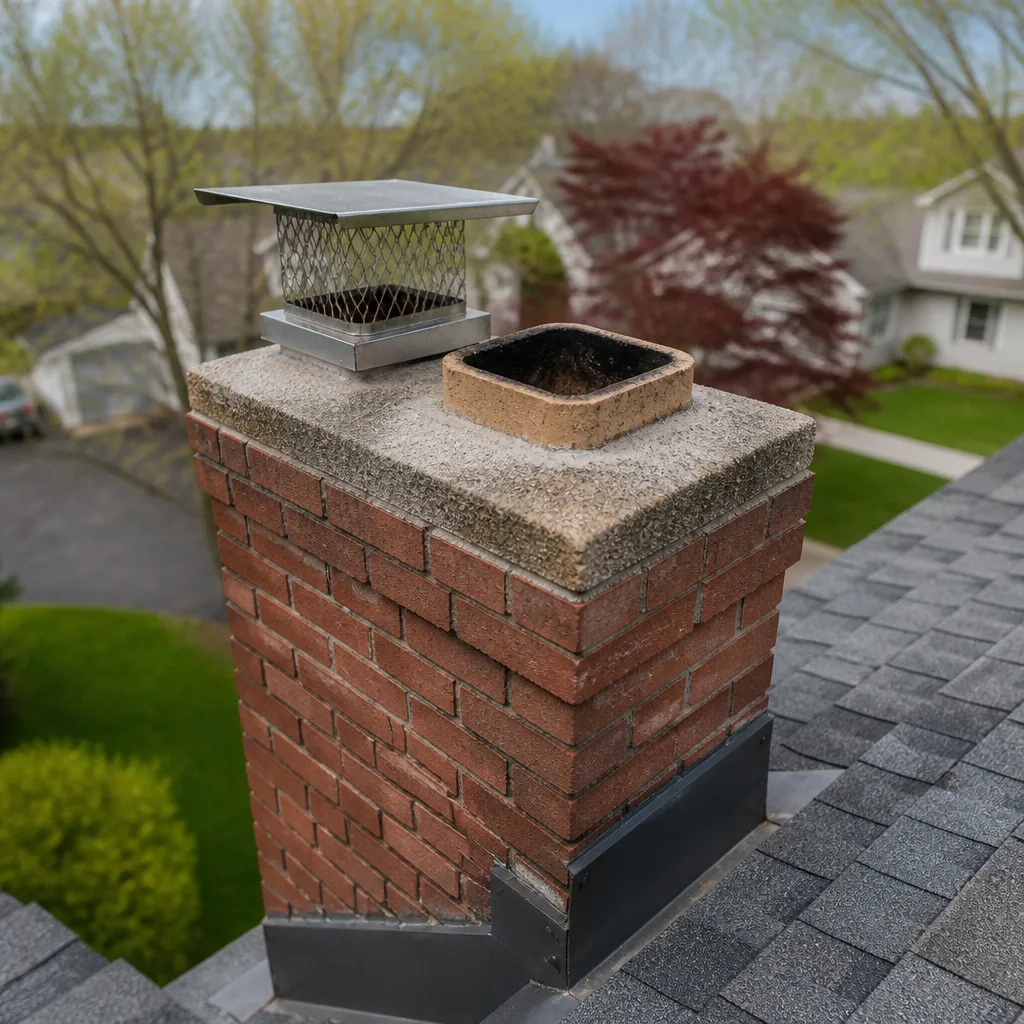 Sweep & inspection
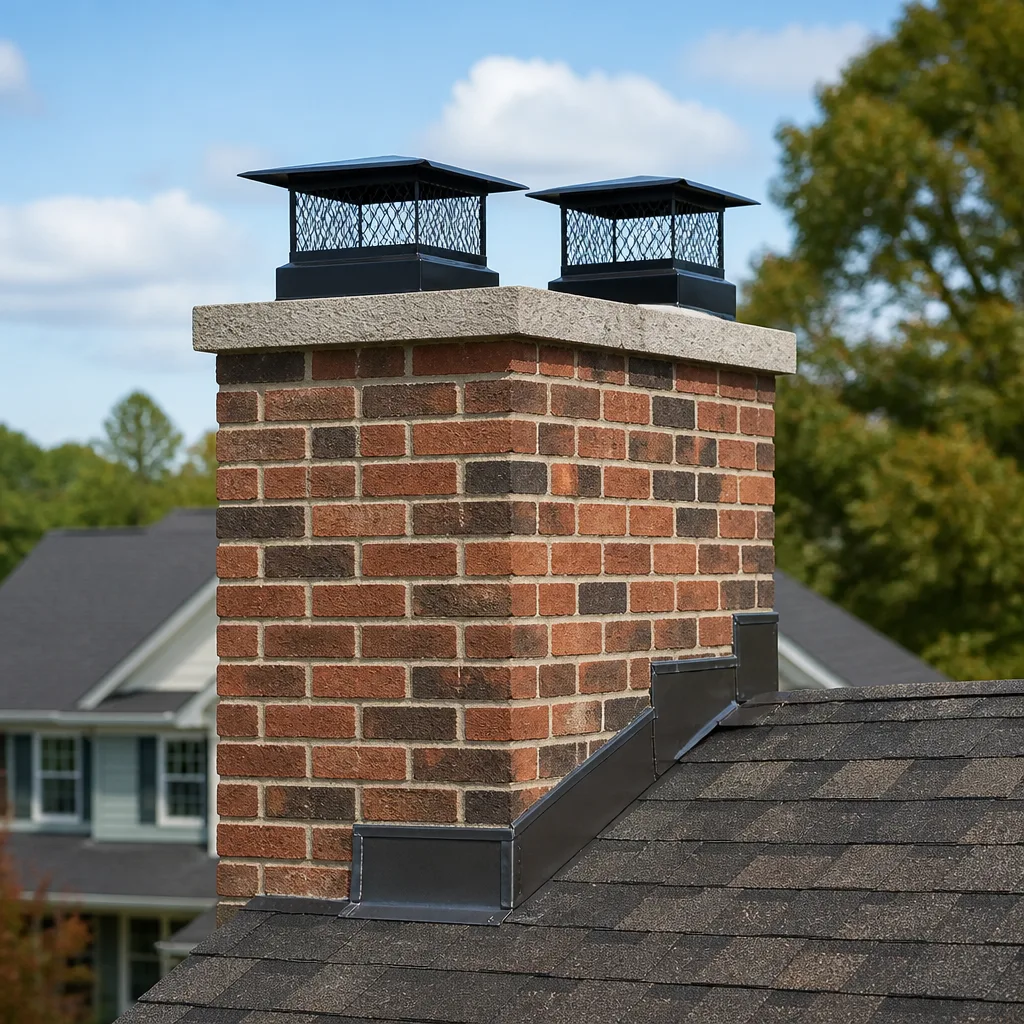 Caps & crowns
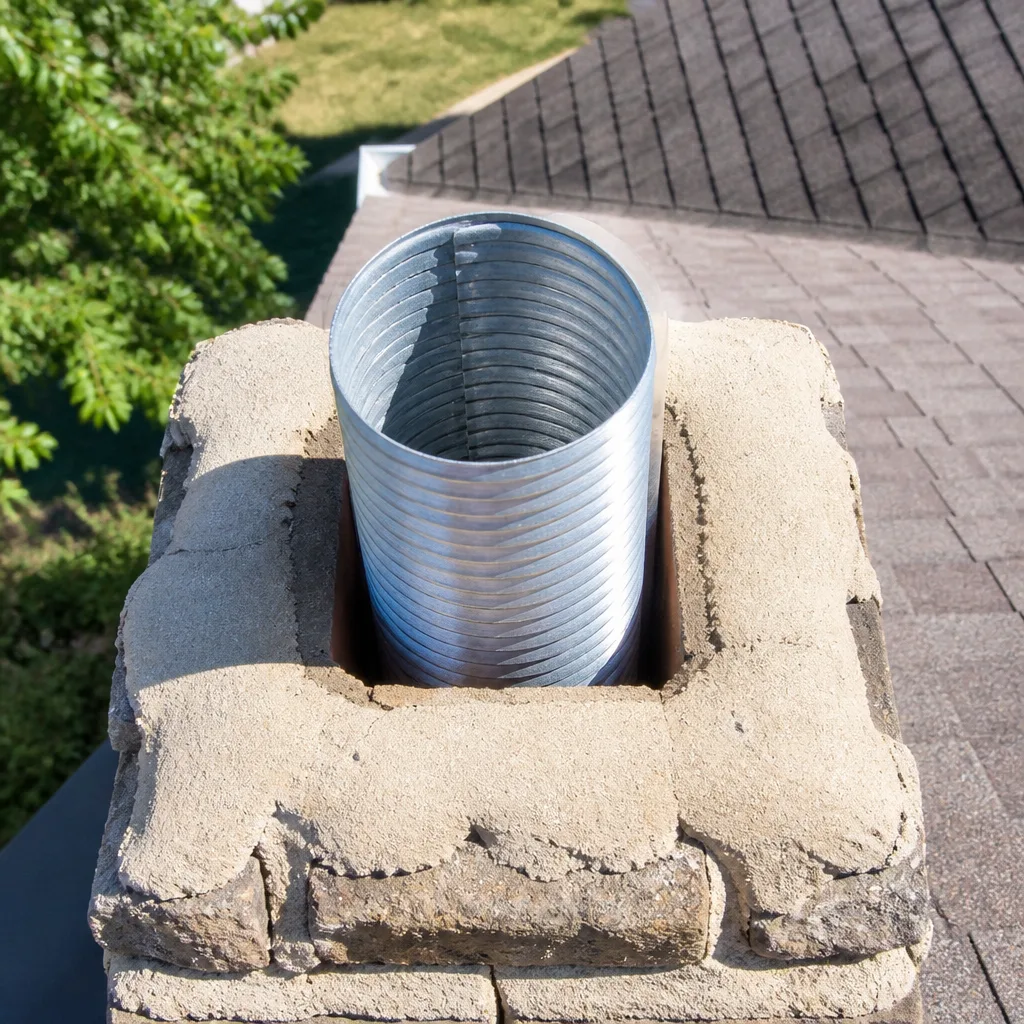 Flue relining
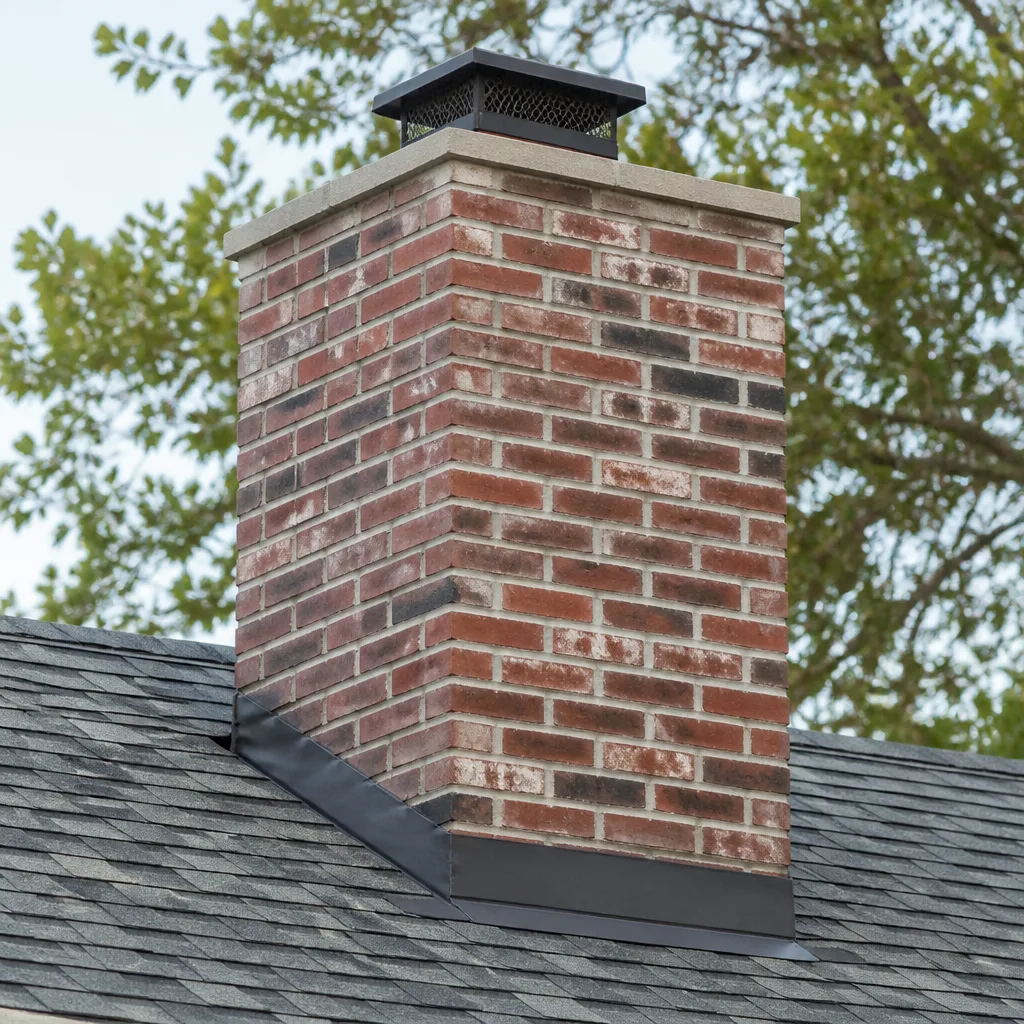 Masonry repair
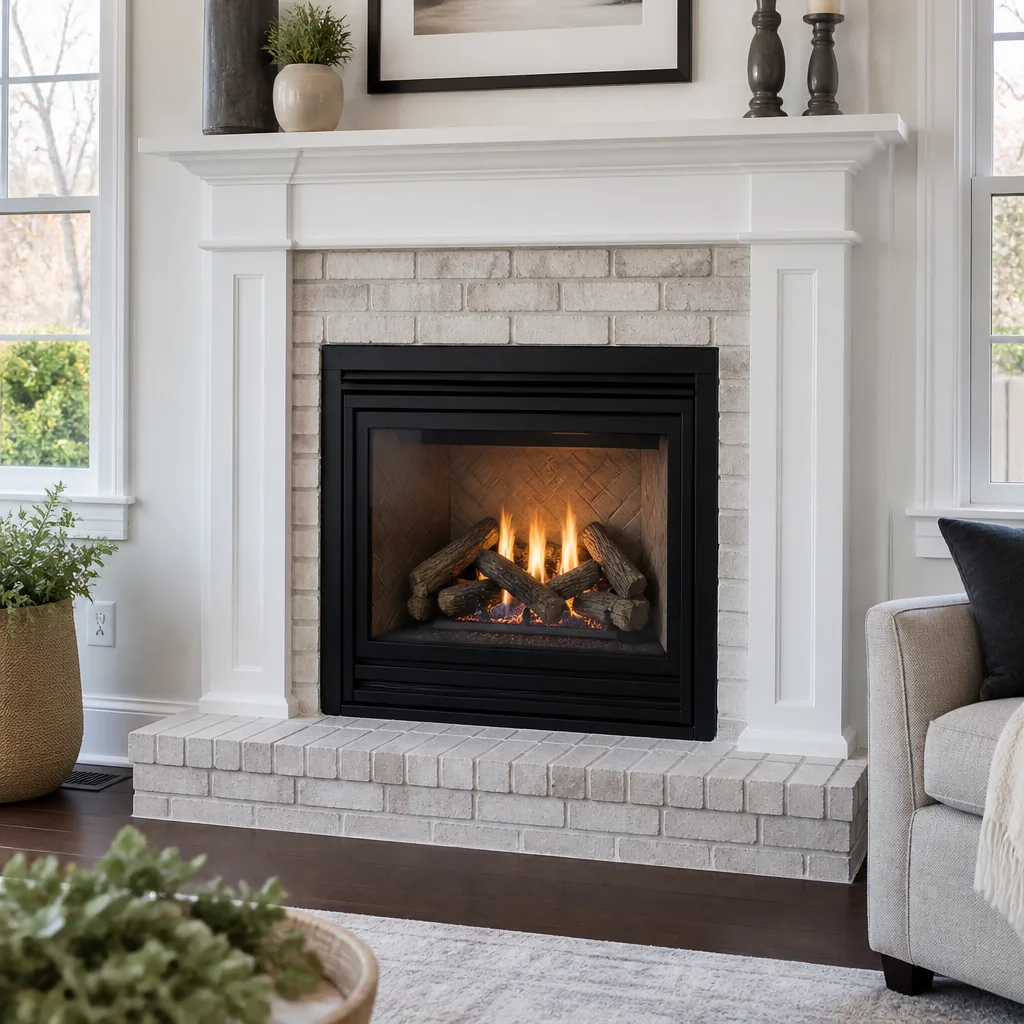 Gas fireplace service
Level 1 sweep and inspection to the NFPA 211 annual standard - flue, crown, cap, and flashing checked and photographed
Chimney sweep logs do not sweep chimneys. They loosen some creosote - which then falls where a brush and vacuum still have to collect it.
Seasonal Chimney Cleaning Care for Miami Gardens: Year-Round Homeowner’s Guide
Most chimney advice you’ll read was written for a place with four seasons. Miami Gardens has two: hurricane season and fireplace season. The months in between are when the work actually matters. Scheduling a cleaning in October, after the storm peak passes and before the first cool front arrives, is the single most leveraged maintenance decision a homeowner here can make. Yet most people either wait until January, when demand is highest and every technician is booked out, or skip it altogether. This guide explains the Miami Gardens chimney calendar from start to finish: what to check at each transition, how the wet and dry season cycle affects the flue, and how to keep the system sound through the ten-plus months a year it sits idle. Anchor Chimney Sweep works with the same materials professional chimney contractors rely on nationwide, and we’ve put what we know into one place.
Styles & brands we work with
- Sweep & inspection
- Caps & crowns
- Flue relining
- Masonry repair
- Gas fireplace service
Quick Answer
In Miami Gardens, the best time for a chimney sweep is October: after hurricane season peaks and before the short cool season begins. A sweep in October gives you a clean, inspected flue before the first fire, plus enough cushion to schedule any repair without rushing. February is the right time for end-of-season documentation, and a mid-season look in September catches anything the summer storms left behind.
Table of Contents
- The South Florida Chimney Calendar
- June: Pre-Storm Preparation
- September: The Mid-Season Assessment
- October: The Cleaning Window That Matters Most
- February: End-of-Season Documentation
- How the Wet and Dry Season Cycle Affects Your Chimney
- What Storm Damage Looks Like (and Why You Can’t See It)
- Keeping a Chimney Sound Through Ten Months of Disuse
- Common Mistakes to Avoid
- When to Call a Professional
- Frequently Asked Questions
- The Bottom Line
The South Florida Chimney Calendar
Chimney care in Miami Gardens follows a different rhythm than the rest of the country. Colder regions clean in late summer or early fall because heating season starts in October and runs through April. Here, the fireplace is in real use for a much shorter stretch, often December through February, and the rest of the year is dominated by heat, humidity, and storm season. That changes both when you should clean and what you should be watching for.
Think of the year as four checkpoints. Each one answers a different question:
- June: Is the chimney ready to take on a hurricane season? Caps tight, flashing sealed, masonry sound, no loose parts that wind can turn into projectiles.
- September: What did the summer do? A mid-season assessment catches storm-driven moisture intrusion and cracked crowns before the fireplace ever gets used.
- October: Clean and inspect before the first fire, while the calendar is still open and the work isn’t rushed.
- February: Close out the season with documented condition, so next October starts from a known baseline rather than a guess.
That’s the whole structure. It’s simple, but almost nobody in Miami Gardens follows it, because most people still think of chimney maintenance as a cold-climate chore that happens once a year whenever they remember. The calendar is the part competitors skip, and it’s the part that determines whether your system is dry, sound, and clean when you actually want a fire in it.
June: Pre-Storm Preparation
Hurricane season opens on June 1, and for a chimney that means one thing: anything loose up top is a liability. A chimney cap that’s lost a screw, a rusted top plate, a chunk of masonry that’s begun to spall, a bird guard bent by last season’s wind. None of these is a problem on a calm day. Add horizontal rain and sustained wind from a storm, and a loose cap or failing crown becomes a way for water to get straight into the flue system.
June is the month to walk the house and ask three questions, all answerable from the ground or the attic:
- Is the cap intact and firmly attached? A cap does two jobs: keeps rain and animals out, and keeps sparks contained. A cap flapping in the breeze is a problem you can spot from the yard.
- Is the flashing sealed against the roof? The metal collar where the chimney meets the roof is the most common entry point for water. Look for rust, lifted edges, or gaps in the sealant.
- Are there loose parts anywhere on the exterior? Cracks in the crown, spalling brick, or a leaning cricket are all things wind and rain will make worse.
If the inspection shows problems, deal with them in June or July. Materials and labor are both easier to schedule in the shoulder before the storm season peak. A routine chimney repair stretched out over a couple of appointments in June is something you barely think about. The same repair made under pressure in late August, when everyone else just discovered the same leaks, is a much less pleasant experience.
June is also the right time to check what’s growing on and around the chimney. Vines, tree limbs, and debris that have built up over the wet spring are all things wind will use against you. Clear them before the first named storm, not after.
September: The Mid-Season Assessment
By September, Miami Gardens has been through most of a hurricane season and every afternoon of the wet season. That combination leaves its mark on a chimney in ways that only an inspection catches. The goal in September is a condition check, not a full cleaning: you’re looking for changes that happened over the summer.
The most common things a September assessment finds are:
- Moisture intrusion at the crown or flashing. Water that got in during a heavy rain event leaves visible staining, rust, or softened mortar. Catching it in September means it can dry out and be repaired before fire season.
- Rust on the damper or firebox components. Even a small amount of water that reaches the firebox will start to corrode the damper. A stuck damper is a safety problem, not just an inconvenience.
- Cracks in the flue tile. Thermal expansion and moisture cycling are both hard on clay tile. A hairline crack in September is easy to address; the same crack used through a winter of fires can widen or shift.
- Obstructions. Summer storms drop debris, and animals find chimneys appealing when the weather turns. A nest in the flue is a real fire risk the first time you light a fire.
A September assessment doesn’t have to be a full inspection. A visual check from the firebox, a look at the exterior, and a question or two to the technician about anything that looks new is usually enough. Save the deeper work for October, when you’re going to clean and inspect anyway. The point of September is to know what you’re dealing with, so October isn’t the first time you hear about it.
October: The Cleaning Window That Matters Most
If you only read one section of this guide, read this one. October is the highest-leverage month of the year for chimney maintenance in Miami Gardens, for reasons that have nothing to do with the calendar page and everything to do with how the local market works.
Consider the timing. Hurricane season activity typically eases after the September peak, even though the season officially runs into November. The first real cool fronts start arriving around the end of October or early November. Demand for chimney service hasn’t yet spiked, because most homeowners don’t think about the chimney until the first cold snap makes them want a fire that night. That gap between “season is effectively over” and “everyone suddenly wants their chimney cleaned” is the October shoulder. It’s the single best window of the year to have a chimney sweep done well.
What makes October different from January:
- Shorter waits. Booking in January, when demand is at its peak, means waiting for the next available appointment. Booking in October usually means booking for the week you want.
- Unhurried work. A technician at the height of the season is moving fast to keep up. In October, the inspection and cleaning get the time they need.
- Room to repair. If the inspection turns up something that needs work, you have weeks to schedule it before the first fire, not days.
- Better pricing stability. Demand-driven pressure on pricing is lower in the shoulder than at peak. Your written estimate reflects the job, not the calendar.
What a proper October visit should include: a full cleaning of the flue, firebox, and smoke chamber; a Level 2 inspection with a camera pushed up the flue (so you can see the liner condition, not just hear about it); and a report of what was found, with a recommendation on repair that you can evaluate on your own timeline. If the liner is deteriorated, HeatShield liner restoration is often a proven alternative to full liner replacement, and it’s the kind of option an inspection can correctly identify. One visit covers the cleaning, the inspection, and any repair planning.
Anchor Chimney Sweep works with the same materials professional chimney contractors rely on nationwide, including DuraFlex liners and Olympia Chimney components. That matters in October more than any other month, because it’s the window where a repair identified on the inspection can actually get scheduled and finished before winter.
February: End-of-Season Documentation
By February, the fireplace has done its annual work. Most homeowners light their last fires of the season around this time, sometimes into early March depending on the year. February is the natural point to close out the season with documentation of the system’s condition.
What that means in practice:
- A written record of the inspection findings. Creosote levels from the season, liner condition, any components that will need to be replaced before next fire season. If you’ve used the fireplace heavily, this is the record that tells you what to expect in October.
- Photos of the flue and firebox. A camera inspection report with images is a document you can keep, refer to, and put into a home file. If you ever sell the house, it answers a surprising number of buyer questions.
- Notes on what to watch between now and October. Any area that showed early signs of moisture damage, any component that’s aging toward failure, any repair that can wait until the shoulder. Being told plainly that something can wait six months is useful information, and it’s the opposite of a scare-sell.
End-of-season documentation is also the right time to answer the “how often should we sweep?” question with actual data. A light-use fireplace in a Miami Gardens home might only need a cleaning every second season. A heavy-use one might need it every year. The record from February tells you which, so next October’s decision isn’t guesswork. For home sellers and buyers, a February report is one of the more useful documents in a transaction, because it describes the system’s condition in the language a real estate inspector will use.
How the Wet and Dry Season Cycle Affects Your Chimney
South Florida’s wet season is roughly May through October, with afternoon thunderstorms being the regular pattern. The dry season is roughly November through April. That cycle drives the two most consequential things that happen to a chimney system here: moisture intrusion and thermal cycling.
During the wet season, water is the problem. It comes in through caps, cracks in the crown, failed flashing, deteriorated mortar, or a chimney built without a proper rain cap in the first place. Once water has a path, it moves downward through the masonry and into the firebox, the damper, and the smoke chamber. The damage is gradual and mostly invisible. Staining on the smoke chamber walls, rust on the damper frame, softening of the mortar, or spalling of exterior brick are the visible signs. A camera inspection is what sees the inside.
During the dry season, the opposite happens. Moisture that soaked in during the wet months leaves, and the masonry contracts slightly as it dries. Combined with the heating and cooling of a fireplace in use, that’s thermal cycling, and it’s why cracks that were tiny in October can be wider by February. It’s also why the visible condition of the chimney in the dry season can look better than it is; the surface is dry, but the structure has been through a wet season of wear.
Two rules follow from this cycle:
- Check for water intrusion at the end of the wet season, not the middle. Looking for leaks in July tells you the chimney leaks. Looking in October tells you where and how much, and whether the damage needs addressing now or later.
- Don’t skip a dry-season inspection because the chimney looks fine. The visible exterior tells you very little about the state of the flue and the firebox. Camera inspection is what closes that gap.
Miami Gardens sits in this climate as squarely as anywhere in South Florida: the wet season arrives like clockwork, and the dry season is short and mild. The calendar in this guide is built around that reality, not around the cold-climate schedule most chimney advice assumes.
What Storm Damage Looks Like (and Why You Can’t See It)
The most misleading fact about chimney storm damage is that the problem is usually invisible from the ground. You can see the chimney exterior, but you can’t see the inside of the flue, the state of the liner, or whether water has started corroding the damper. Those are the parts that matter.
What a technician looks for after storm season:
- Crown damage. The concrete or masonry crown at the top of the chimney cracks under thermal stress and storm exposure. Once cracked, water goes straight into the top of the flue system.
- Flashing separation. The seal where the chimney meets the roof can lift under wind. The gap is usually small and easy to miss, but it’s a direct path for water.
- Damper and firebox corrosion. Rust on the damper means water reached the firebox. A damper that no longer seals properly lets conditioned air escape up the chimney all year, and it’s a safety issue in the fire season.
- Cracked flue tiles. Hairline cracks in a clay flue tile don’t look like much, but they’re how heat reaches the surrounding masonry. A flue that’s not sound is a flue that shouldn’t be used.
- Spalling masonry. Brick or mortar that’s absorbed water and expanded will flake and fall away. From the ground it looks like minor cosmetic wear. Up close it’s structural.
Hail is uncommon in Miami Gardens, so storm damage here is about wind and water more than impact. That changes the pattern: fewer sudden punch-throughs, more gradual degradation that a homeowner can’t see. A chimney can look fine from the driveway and still have a liner that’s unsafe to use. That’s the argument for a camera inspection after storm season, and it’s why we say the inspection matters as much as the cleaning.
If storm damage is suspected, don’t use the fireplace. A chimney that’s been affected by a storm and not inspected is a system with unknown condition. That’s a professional’s call, not a homeowner’s. Anchor Chimney Sweep inspects, cleans, and repairs the system as one, so the finding and the fix stay in the same hands.
Keeping a Chimney Sound Through Ten Months of Disuse
A Miami Gardens chimney is a fireplace system for two or three months a year and an architectural feature for the rest. That long idle period is where most preventable damage happens, because nothing about an idle chimney asks for attention, so it doesn’t get any.
The disuse period is where four things matter most:
- Keep the cap in place and in good condition. It’s the first line of defense against rain and animals. A missing or damaged cap means water and wildlife have access for eight months of the year, and both cause real damage.
- Keep the damper closed when not in use. An open damper lets conditioned air straight out of the house, and lets humid air straight in. The humidity matters: it’s how the inside of a flue stays damp between wet seasons.
- Watch for signs of animals. Birds, squirrels, and other animals treat an uncapped chimney as a shelter. A nest in the flue is a fire hazard the first time you light a fire, and a blockage in a flue is a carbon monoxide risk.
- Schedule the inspection in the shoulder, not the peak. The October window is the right time because it’s the point where the system needs to be clean before use, and where a repair has time to be scheduled and finished.
One more point on disuse: creosote that’s already in the flue accumulates through the season and stays there through the off season. It’s not self-cleaning, and it doesn’t go away on its own. The cleaning in October is what removes it, and it’s what makes the fireplace safe to use when the cool weather arrives. Skipping a season is not the same as saving a season; it’s stacking one winter’s creosote on top of the next, and eventually the flue won’t sweep out cleanly. That’s when the repair conversation starts, and it’s a much bigger one than a routine sweep would have been.
During the dry season, also watch for any settling of the chimney structure itself. Shifting soil, roof work, or a nearby tree’s roots can move things that shouldn’t move. Cracks that appear in the crown or the masonry over the dry months are worth an inspection before the wet season returns.
Common Mistakes to Avoid
- Scheduling in January. January is the busiest month for chimney service in Miami Gardens, because that’s when the cool weather finally pushes people to book. You’ll wait longer, and the work will be squeezed into a full calendar. October gets you the same quality of work in a fraction of the time.
- Booking a sweep without an inspection. A sweep alone tells you the flue is clean. It doesn’t tell you the liner is sound, the crown is intact, or the damper seals. Insist on a camera inspection as part of the visit, so you know the condition of the system and not just its cleanliness.
- Skipping the pre-storm check. A loose cap or a failing crown in June is a manageable repair. The same problem discovered in October, after a season of storms, is often bigger and more expensive. June is the cheap month for chimney work.
- Ignoring the wet season. Water intrusion is the main cause of chimney damage in Miami Gardens, and it happens mostly between May and October. If you only think about the chimney during fire season, you’re missing the eight months when the real damage is being done.
- Assuming it looks fine because it looks fine. The exterior of a chimney tells you almost nothing about the condition of the flue. A camera inspection is what sees the liner, the smoke chamber, and the firebox. No recommendation should be made without that evidence, and no homeowner should have to take a technician’s word for a repair they can’t see. Ask to see the photos.
- Lighting a fire after storm season without an inspection. If a storm has passed through and you don’t know the condition of the flue, wait for an inspection. A clean-looking chimney can still have a cracked liner or a damaged crown.
- Skipping the February documentation. End-of-season documentation is what makes next October easier. Without it, every year starts from guesswork. With it, you know exactly what condition your system is in and what to plan for.
When to Call a Professional
There are four moments in the year when a call to a professional matters most. The first is anytime between now and the first fire of the season, ideally in the October window. The second is after a significant storm has passed through Miami Gardens and you haven’t had the chimney inspected since before it. The third is any time you notice water staining, rust on the damper, or crumbling masonry, because those are signs the problem is already active. The fourth is when you’re buying or selling a house and need an inspection a buyer or insurer will accept.
What you should not do is attempt to inspect or clean the flue yourself. Chimney work involves height, confined spaces, and serious hazards including creosote ignition and carbon monoxide. Those risks belong to a trained technician, and a camera inspection is what makes the job complete. Anchor Chimney Sweep offers free estimates in Miami Gardens. Call (844) 560-6429. We answer 24/7. Fast dispatch from 7am to 7pm, Sunday through Friday.
Frequently Asked Questions
October is the best month for a chimney cleaning in Miami Gardens. It falls after the peak of hurricane season and before the first cool fronts, so demand hasn’t yet spiked and any repair found on the inspection has time to be scheduled and finished before fire season. February is the right month for end-of-season documentation, and September is the moment for a mid-season condition check. Call (844) 560-6429 for an exact quote. Estimates are free.
Yes, in a mild climate like Miami Gardens, an annual inspection is the more important part of the visit. The inspection is what catches moisture intrusion, cracks, and storm damage that the sweep alone wouldn’t show. A camera inspection lets you see the condition of the flue and the firebox, and it tells you whether any work is actually needed. Call (844) 560-6429 with your questions. Estimates are free.
Most Miami Gardens homes need a sweep every one to two seasons, depending on use. A fireplace used a handful of times a year may only need cleaning every second season; one used regularly through the cooler months should be swept each October. The documented findings from the prior February tell you which you are. Call (844) 560-6429 and we’ll book a sweep with an inspection. Estimates are free.
Skipping a season means one winter’s creosote is left on top of the last, and it means a full wet season goes by without anyone checking for water intrusion. The practical result is a flue that’s harder to clean and a system whose condition is a guess. The safety concern is real: a blocked or cracked flue can allow smoke and carbon monoxide into the home. Call (844) 560-6429 to schedule a sweep and inspection. Estimates are free.
Often yes. Cracked crowns, failed flashing, damaged caps, and deteriorated liners can all be repaired, and liner restoration using HeatShield is a documented alternative to full liner replacement for many cases. The correct repair depends on what the inspection finds, and nothing should be recommended without camera evidence you can see. Call (844) 560-6429 to schedule an inspection. Estimates are free.
Yes. For buyers and sellers, an inspection with documentation of the system’s condition is one of the more useful documents in a transaction, and it’s the kind of inspection a real estate professional will accept. The same camera inspection and photo report that we do for a pre-season cleaning are what we provide for a transaction. Call (844) 560-6429 to schedule. Estimates are free.
The Bottom Line
Miami Gardens doesn’t have four chimney seasons, and a guide written for a colder climate will get you the timing wrong. The calendar here has two real markers: hurricane season, which drives the June pre-storm check, and fire season, which drives the October cleaning. September is the mid-season assessment and February is the end-of-season documentation. The intervals between those points are where the wet season does its slow damage, and the October window is where that damage gets caught and corrected before the first fire. Get the calendar right and the work takes care of itself. If you’re ready to schedule, Anchor Chimney Sweep is here. Call (844) 560-6429. We answer 24/7. Fast dispatch from 7am to 7pm, Sunday through Friday. We can also help you understand the options for your Miami Gardens home. Our technicians have up to 8 years of experience, and one call covers the sweep, the inspection, and any repair, with no handoffs. Anchor holds, so does our work.
Written by the team at Anchor Chimney Sweep.
See the difference
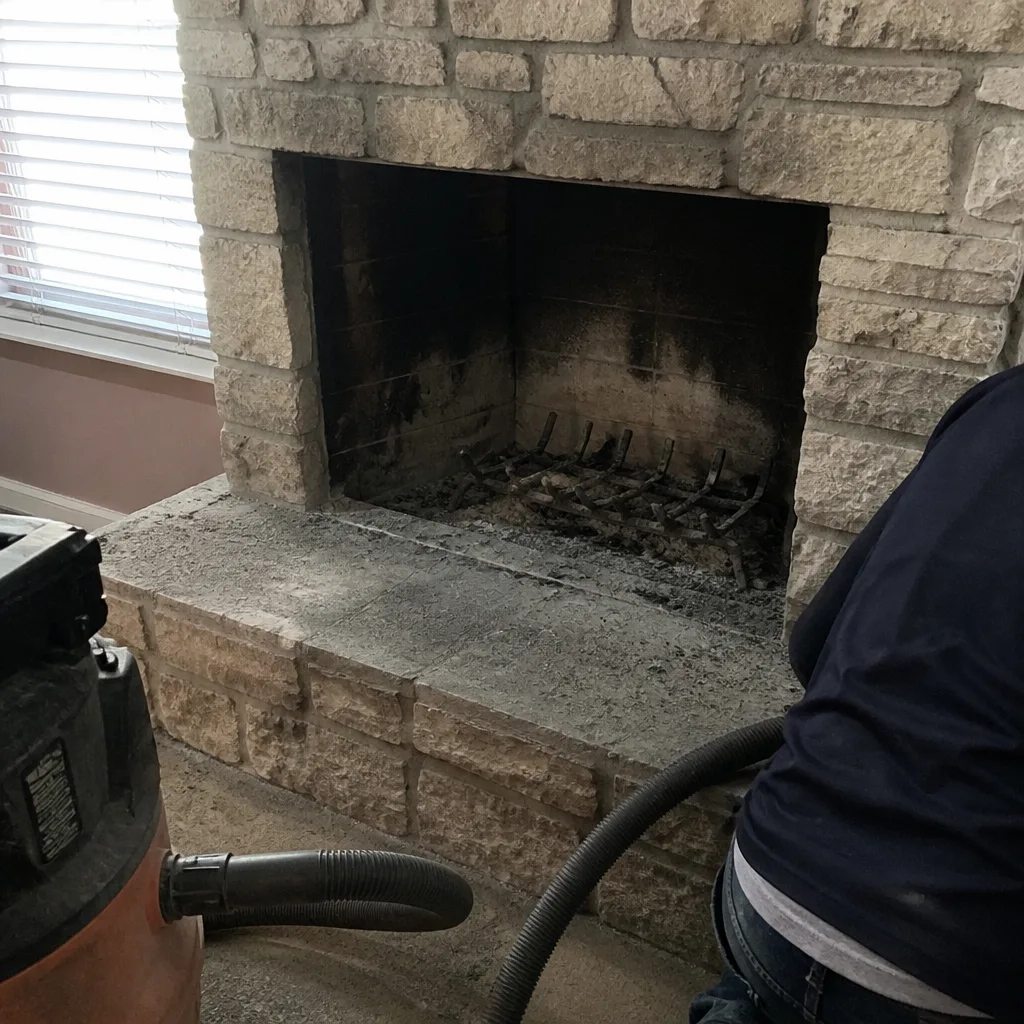 Before
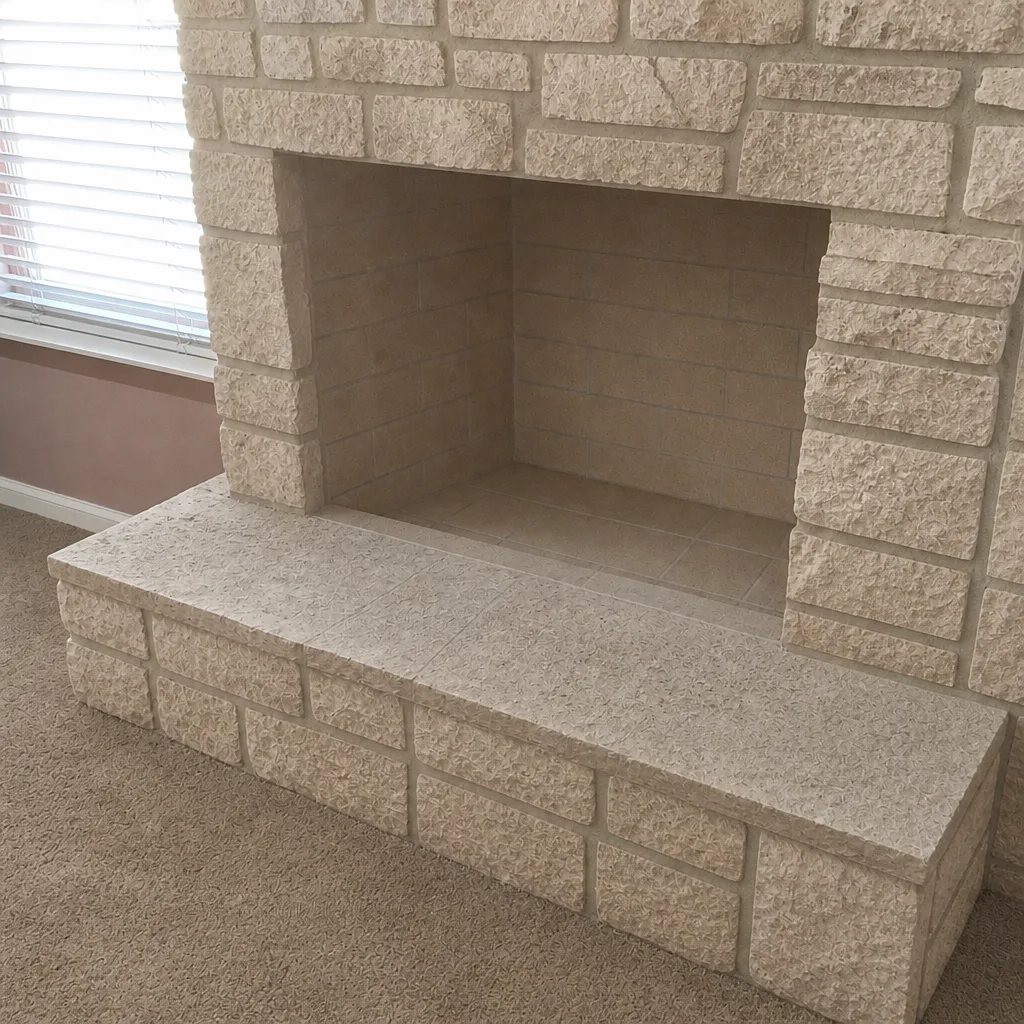 After
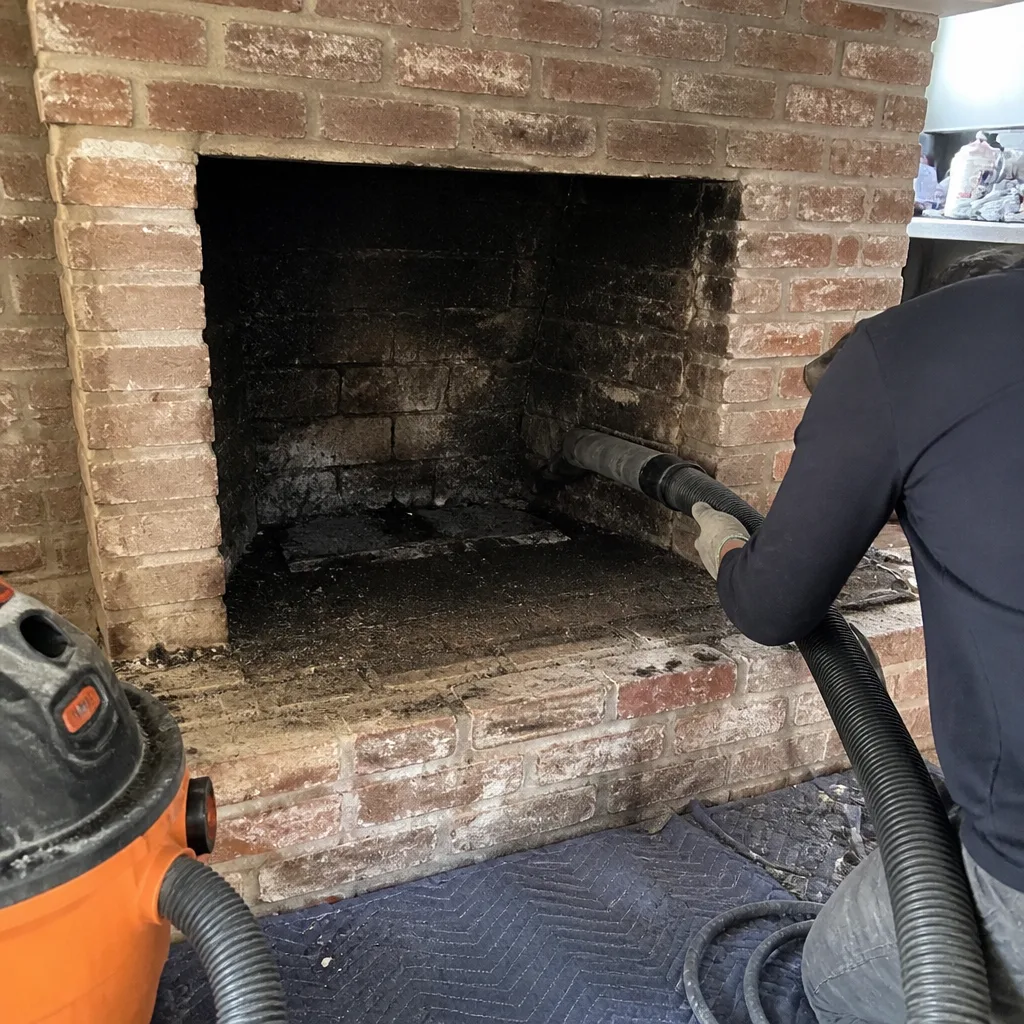 Before
 After
 Before
 After