
Last updated November 16, 2026
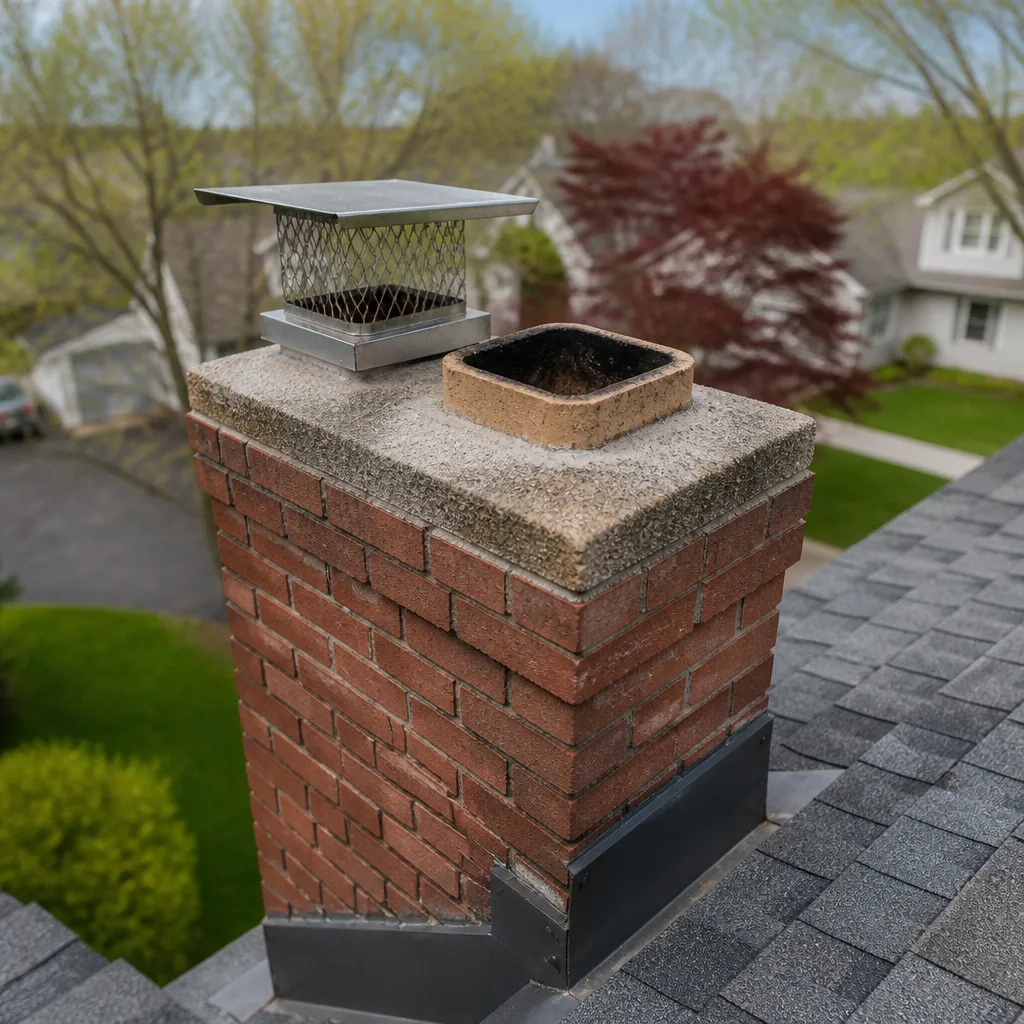 Sweep & inspection
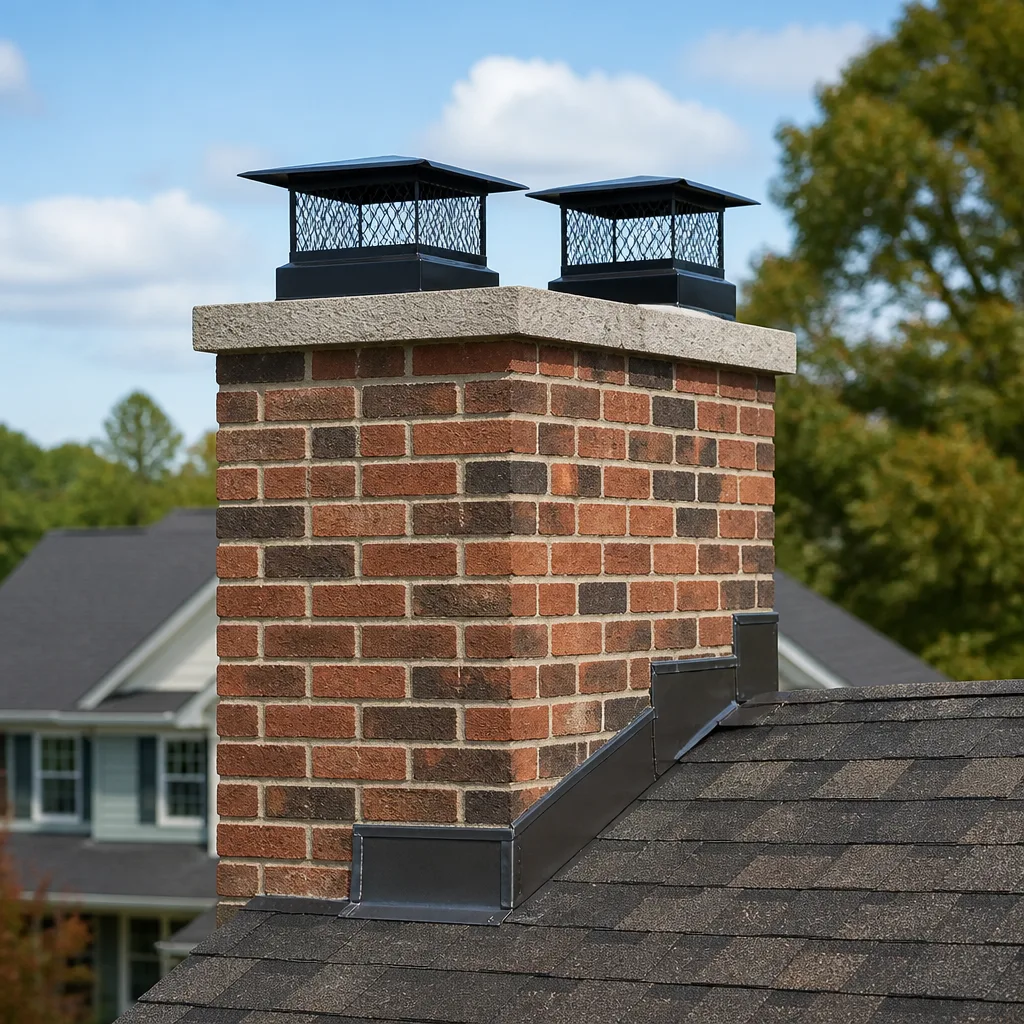 Caps & crowns
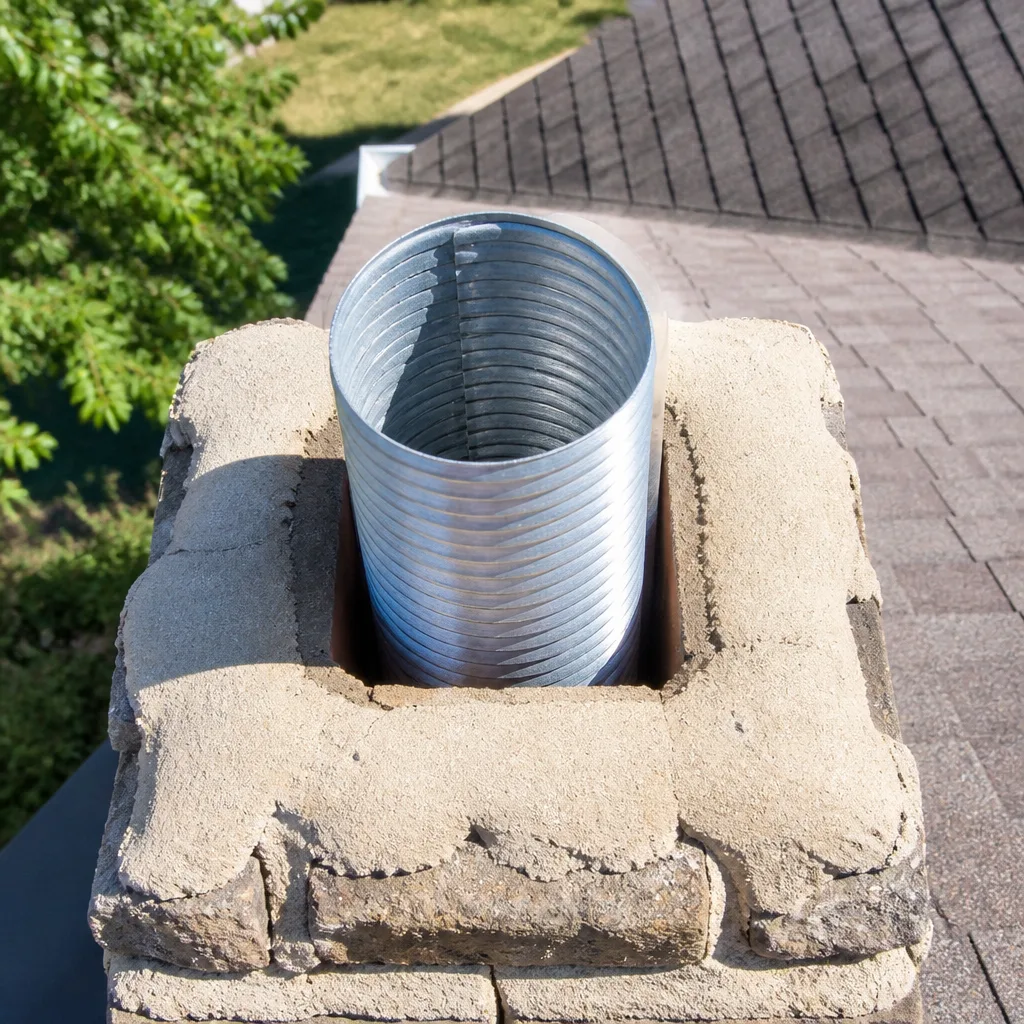 Flue relining
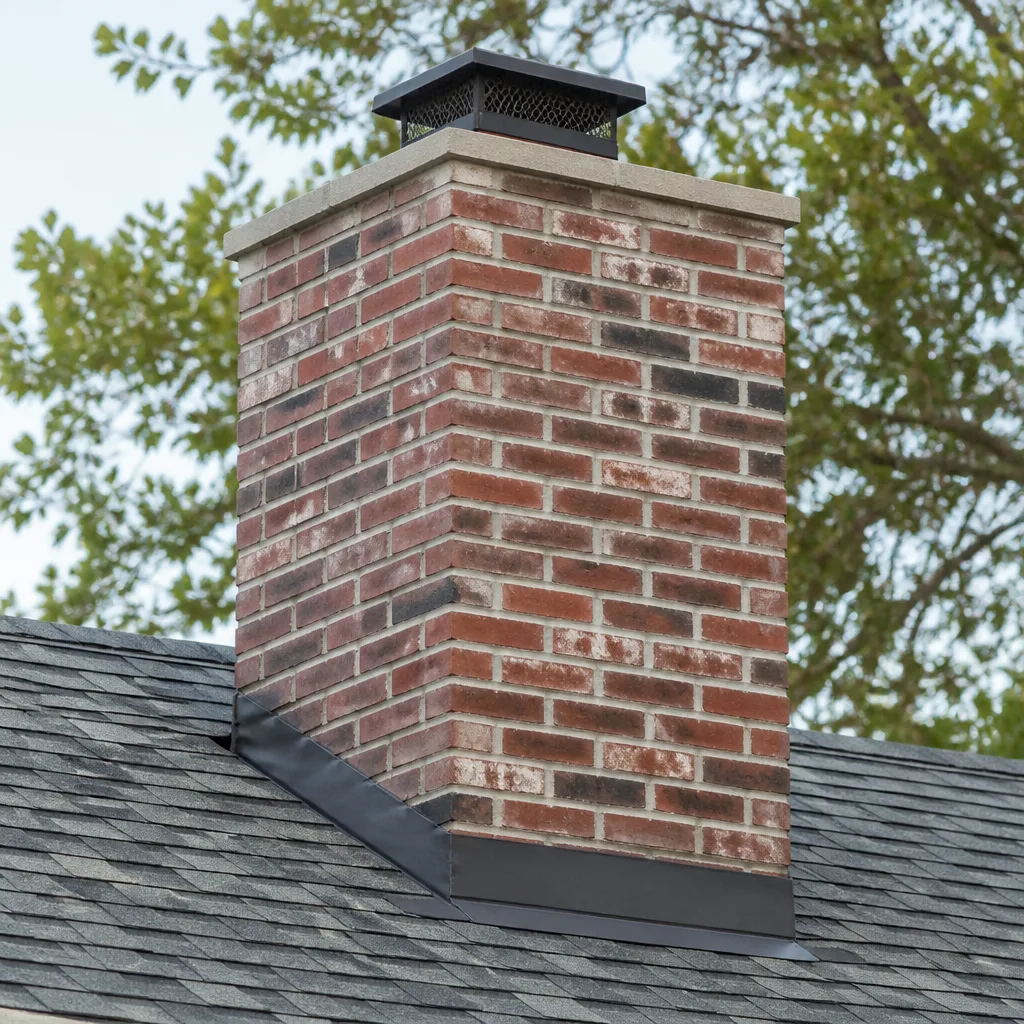 Masonry repair
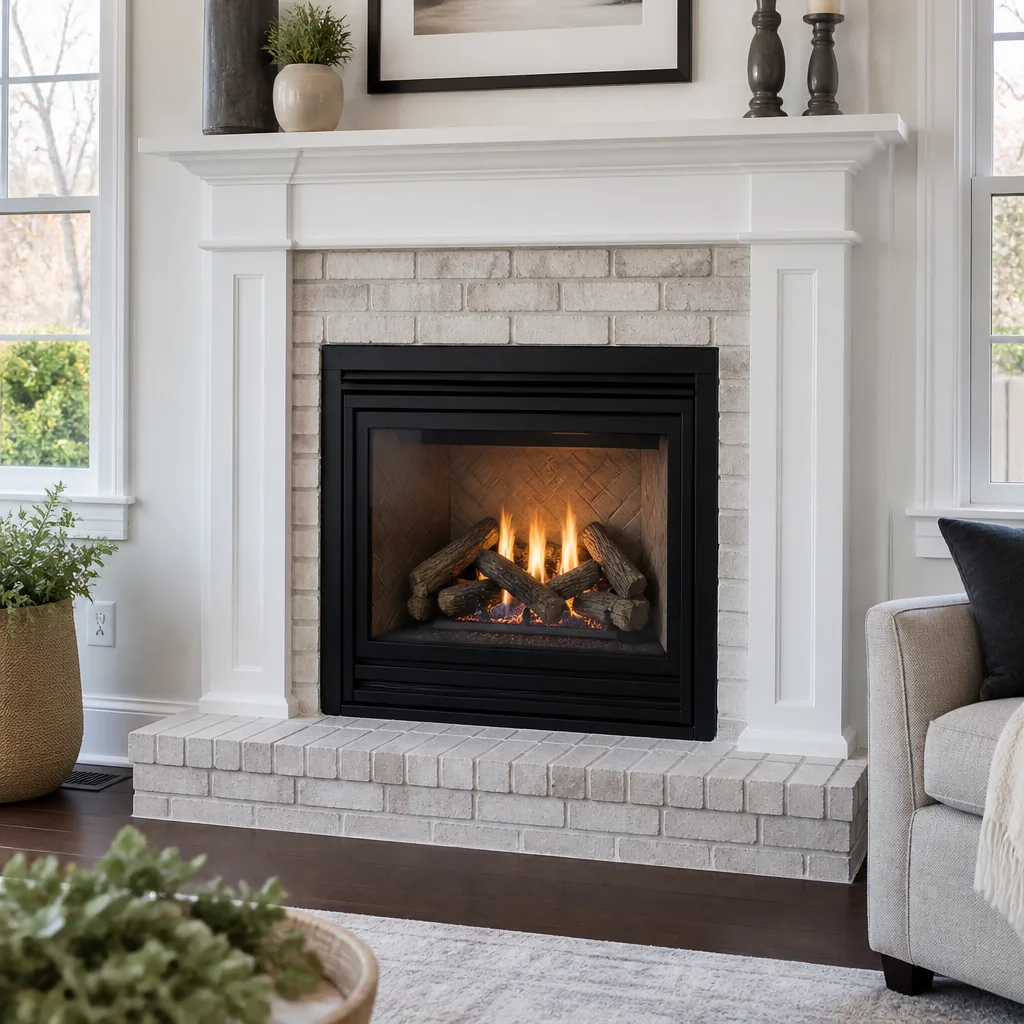 Gas fireplace service
Level 1 sweep and inspection to the NFPA 211 annual standard - flue, crown, cap, and flashing checked and photographed
Chimney sweep logs do not sweep chimneys. They loosen some creosote - which then falls where a brush and vacuum still have to collect it.
Chimney Cleaning Permits, Codes & Inspections in Miami Gardens, FL: What You Need to Know
Here’s the part most homeowners never hear until it’s too late: the sweep itself is not the risky step. The repointing, the liner, the crown – that’s where the paperwork matters. If a chimney contractor replaces your liner without pulling a permit in Miami-Dade County, the liability for that unpermitted work transfers to you as the property owner, not the contractor, the moment they drive away. That’s the line we want to walk you through in this guide: where cleaning ends and regulated repair begins, which work legally needs a permit, how Florida’s building code treats chimney systems, and what documentation you should hold in your hand when the job is done.
Quick Answer
A routine chimney sweep in Miami Gardens does not require a permit. Structural or mechanical chimney repair – liner replacement, firebox reconstruction, crown work, and flue resizing – generally does require a building permit through Miami-Dade County, and the work must meet the chimney standard Florida’s building code adopts by reference, NFPA 211. An annual inspection is how you confirm the system is safe and discover early whether any repair is needed at all.
Styles & brands we work with
- Sweep & inspection
- Caps & crowns
- Flue relining
- Masonry repair
- Gas fireplace service
Table of Contents
- The Cleaning vs. Repair Line: What Actually Needs a Permit
- How NFPA 211 Feeds Into Florida’s Building Code
- What Miami-Dade County’s Permit Process Looks Like for Chimney Work
- The Three Levels of Chimney Inspection and When Each Applies
- How to Verify a Permit Was Pulled Before Work Begins
- Why Unpermitted Repairs Hurt Home Sales and Insurance Claims
- How to Request Documentation of Code-Compliant Work
- What the Paperwork Should Include
The Cleaning vs. Repair Line: What Actually Needs a Permit
The single most useful distinction for a Miami Gardens homeowner to grasp is between maintenance and construction. Cleaning a chimney is maintenance. Rebuilding a part of the chimney system is construction, and construction falls under Florida’s building code. The confusion comes because a sweep and a repair can happen on the same visit – which is exactly why you want to know the difference before anyone opens a toolbox.
Here’s how the split generally lands, though you should always confirm the current rule with Miami-Dade County’s building department before work begins:
- No permit typically required: Removing creosote and soot during a standard sweep; visual inspection with a camera; installing or replacing a chimney cap of the same size and type; minor damper adjustments that don’t involve cutting into the firebox.
- Permit generally required: Installing a new flue liner (masonry or prefab); relining a flue to change its size or vent a new appliance; firebox or smoke chamber reconstruction; rebuilding a damaged crown; repairing cracks in the chimney structure itself; adding or relocating a wood stove, insert, or fireplace.
- Grey area worth confirming: Liner restoration using a product like HeatShield. Some jurisdictions treat a restored liner as repair; others treat it as new work. Either way, the manufacturer’s instructions and code compliance matter, and you deserve to see the basis for how the job is being classified.
We work in Miami Gardens often enough to know most homes here weren’t built with a chimney permit file kept in a drawer. Older construction, additions, and prior renovations mean the history of the flue is often a blank. If you can’t trace it, an inspection before any repair is the prudent starting point. A chimney sweep visit is also the right moment to ask the technician what the system looks like below the smoke shelf, because hairline cracks in a flue tile don’t show from the firebox floor.
How NFPA 211 Feeds Into Florida’s Building Code
NFPA 211 is the national standard for chimneys, fireplaces, vents, and solid fuel-burning appliances. It is not, by itself, a legal code. It becomes one when a jurisdiction adopts it by reference – and that’s what Florida’s building code does for solid-fuel chimney systems. The practical takeaway: when a contractor says a liner “meets code,” the code they mean in Miami-Dade County starts with NFPA 211 unless a more specific local amendment says otherwise.
What that means in plain language for a Miami Gardens homeowner:
- The flue has to be sized to the appliance. An oversized flue runs cold, drafts poorly, and accumulates creosote faster than one matched to the fireplace.
- The liner must resist the temperatures the appliance can produce. Clay tile liners cracked by a prior chimney fire, or damaged by years of condensation and heat cycling, no longer meet the standard – and often can’t be repaired tile-by-tile without breaking the chimney open.
- Clearances to combustibles are specified, not optional. Older Miami Gardens homes with a chimney tucked into a frame wall are the ones where clearance matters most.
- Any change to the flue that alters its dimensions or venting performance triggers a compliance question.
Products like Olympia Chimney liners and Gelco components exist precisely because the standard requires specific performance that generic hardware doesn’t guarantee. When we install a liner or a cap, we work from the products named on the manufacturer’s installation instructions, not from a bin of whatever fits. That’s a quiet form of compliance – the instruction sheet is part of your documentation, and a contractor who can’t produce one is telling you something.
What Miami-Dade County’s Permit Process Looks Like for Chimney Work
Miami-Dade County runs a permitted-work process like most Florida counties: a contractor applies, the scope is reviewed against the code, an inspection is scheduled at defined milestones, and the work is signed off or corrected. The sequence matters because a homeowner can verify a permit at almost any step, and skipping verification is how unpermitted work sneaks through.
The typical path looks like this:
- Scope and code review. The contractor describes the repair – liner type, firebox work, crown rebuild – and the county checks it against the applicable code, including NFPA 211 where solid-fuel chimneys are involved.
- Permit issuance. A permit number is generated and tied to the property address. This is the number you want in writing before anyone touches the flue.
- Work performed. Repairs are made, and the contractor holds the permit on-site or available for inspection.
- Inspection. A county inspector reviews the work at the required stage – sometimes before the liner is concealed, sometimes after completion, depending on the scope.
- Final sign-off or corrections. The permit is closed as passed, or the contractor addresses noted deficiencies and reinspects.
Two things trip homeowners up here. First, a “closed” permit and a “passed” permit aren’t always stated clearly – ask for the final inspection result in writing. Second, work that doesn’t require a permit still has to meet code; the permit is a review process, not a free pass on the standard itself. Whether a repair needs a permit or not, the technical requirements don’t go away. chimney repair in Miami Gardens means matching the actual scope of the damage, not the fastest version of the job.
The Three Levels of Chimney Inspection and When Each Applies
The chimney trade recognizes three inspection levels, and knowing which one you’re being offered tells you whether the diagnosis is credible. A “quick look” is not a Level 2 inspection, and a Level 2 is what most purchase transactions and post-chimney-fire situations require.
Level 1 – Routine annual inspection. Visual check of accessible portions of the chimney, firebox, damper, and cap, with a basic sweep. This is the right inspection when nothing has changed and the chimney is being used normally. Most Miami Gardens homeowners need this once a year.
Level 2 – Inspection after a change or event. Includes everything in Level 1 plus a video camera scan of the flue interior and inspection of accessible attics, crawl spaces, and other concealed areas. A Level 2 is appropriate when you’ve had a chimney fire, changed the appliance, added an insert, bought or sold the home, or noticed a performance problem like smoke rollback or poor draft. In our experience, this is the inspection most often skipped and most often needed.
Level 3 – Diagnostic inspection. Includes Level 1 and 2 work plus removal of parts of the chimney or building finish to access concealed areas when a serious hazard is suspected. Rare, but the right call when a Level 2 finds something that can’t be diagnosed from inside the flue.
Knowing the level matters because the cost and scope differ, and because a repair recommendation without a Level 2 camera scan on a changed or damaged system is essentially an educated guess. If you’re buying a home in Miami Gardens, budget for a Level 2 before closing – not after.
How to Verify a Permit Was Pulled Before Work Begins
You can verify a permit yourself, and you should, every time a chimney repair is proposed. It takes a few minutes and it puts the contractor’s paperwork claim to the test.
- Ask for the permit number before the work starts. Not after. A legitimate repair permit is pulled before the repair begins, not retroactively.
- Confirm the property address on the permit matches yours. Permits tied to a different address are a red flag – it can happen when a contractor groups multiple jobs under one number.
- Confirm the scope on the permit matches the work you’ve been quoted. A permit for a cap replacement won’t cover a liner installation.
- Contact Miami-Dade County’s building department to confirm the permit status. Public records are exactly what they sound like – public.
- Ask who will be on-site to meet the county inspector. A permit with no inspection scheduled is a filing, not a compliance step.
- Get the final inspection result before you pay the balance on a permit-required job. If the contractor won’t hand over the sign-off, ask why.
One more thing: Florida requires licensed contractors for the scope they’re advertising. Don’t accept “we don’t need a permit for this” at face value on a liner or firebox job. Ask how the work has been classified and why. A contractor who can explain the reasoning and point you to the code reference is one worth keeping. Anchor Chimney Sweep treats this part of the work as the baseline, not the upsell.
Why Unpermitted Repairs Hurt Home Sales and Insurance Claims
Unpermitted chimney work becomes a problem in exactly the moments when you can least afford it: during a sale, or on a claim. Buyers’ inspectors look for permits on structural and mechanical work, and a chimney liner is mechanical. When a buyer’s inspector sees a fresh stainless liner and no permit history, the natural questions – who installed it, was it sized correctly, does it meet the standard – land on your closing table.
Insurance is the other half. Carriers increasingly ask about solid-fuel appliance installations and repairs, and a claim tied to an unpermitted, non-code-compliant installation can be contested or excluded. A chimney fire caused by a liner that never met clearance requirements is not a claim any homeowner wants to argue with an adjuster.
Miami Gardens has a lot of housing where prior owners made improvements without documentation. That’s not a moral failing on their part, but it does mean each chimney should be treated with reasonable suspicion until an inspection clears it. If you’re selling, order a Level 2 inspection early – corrections are easier to negotiate than surprises. If you’re buying, don’t accept the seller’s word that “the chimney was just redone.” Ask for the permit and the inspection report. “Just redone” without paperwork is not a proof point; it’s a question.
A Miami Gardens property with a documented, code-compliant chimney is a stronger position at both the closing table and the claims desk.
How to Request Documentation of Code-Compliant Work
Documentation isn’t a courtesy – it’s part of what you paid for. Request it at the time of booking, not after the job is complete, so the expectation is set up front. Here’s what the request should cover:
- Before work: the inspection level being performed; the diagnostic findings (camera scan footage or a dated report); the permit number, if one is required; and the manufacturer’s instructions for the liner, cap, or component being installed.
- During work: a dated photo record of the flue before and after, showing what was found and what was corrected. Ask for it in the scope, not as an add-on.
- After work: the final inspection report from the county, if the job was permitted; a signed completion statement from the contractor; and the manufacturer’s warranty documentation for the installed products.
HeatShield liner restoration is a good example of why the paper trail matters. A restored liner can be a genuinely appropriate path for a deteriorated flue – restoration instead of full replacement, with a manufacturer’s documented process. It can also be an attractive line item when it isn’t the right fix. The product knowledge and the manufacturer’s documentation are the factors that separate the two, and both are things a homeowner can review.
The right answer is not always the biggest repair. Some conditions can wait a season with monitoring; some can’t wait a week. A contractor who tells you plainly which is which – and hands you the evidence with the report – is the one you keep.
What the Paperwork Should Include
When the work is done, you should hold a folder that answers the questions a future buyer or insurer will ask. It doesn’t need to be elaborate. It needs to be complete.
- The inspection report with the level stated, the findings described, and the technician’s recommendation with the reasoning behind it.
- The permit number, final inspection result, and dates for any permitted repair.
- The scope of work actually performed – what was cleaned, what was repaired, what was left alone and why.
- The product names and part numbers for anything installed. If it’s a Gelco cap, an Olympia liner, or a Famco component, the paperwork should name it.
- The manufacturer’s warranty terms for installed products.
- Photo documentation before and after, dated.
Anchor Chimney Sweep works with the same product lines that professional chimney contractors nationwide rely on, including HeatShield, Olympia Chimney, Gelco, and Famco, and we treat the documentation as part of the work. One call covers the sweep, the inspection, and any repair – no handoffs, and no “the other guy has the photos.”
Common Mistakes to Avoid
- Accepting “we don’t need a permit for that” on a liner job. A liner is mechanical work and is the type of repair that triggers a permit in most jurisdictions. Ask how the work was classified and confirm with Miami-Dade County’s building department.
- Skipping the Level 2 inspection on a home purchase. A Level 1 walkthrough won’t find a cracked flue tile behind the appliance. Buyers who skip this step inherit the cost of discovering it later.
- Assuming work that doesn’t need a permit doesn’t need to meet code. The permit is a review process; the code still applies. NFPA 211 doesn’t evaporate because a job was small.
- Letting a contractor start before the permit is pulled. A permit pulled after the work is done is a corrective filing, not a compliance step, and it puts the liability on you.
- Not asking what was found. A sweep that comes back with “you’re all set” and no report is a sweep you can’t use later. Ask for the findings in writing.
- Paying in full before the final inspection on a permitted job. The sign-off is the proof; hold the balance until you have it.
- Assuming a fresh-looking liner was installed correctly. In Miami Gardens, a lot of prior work lacks documentation. Appearance is not a substitute for a permit and an inspection record.
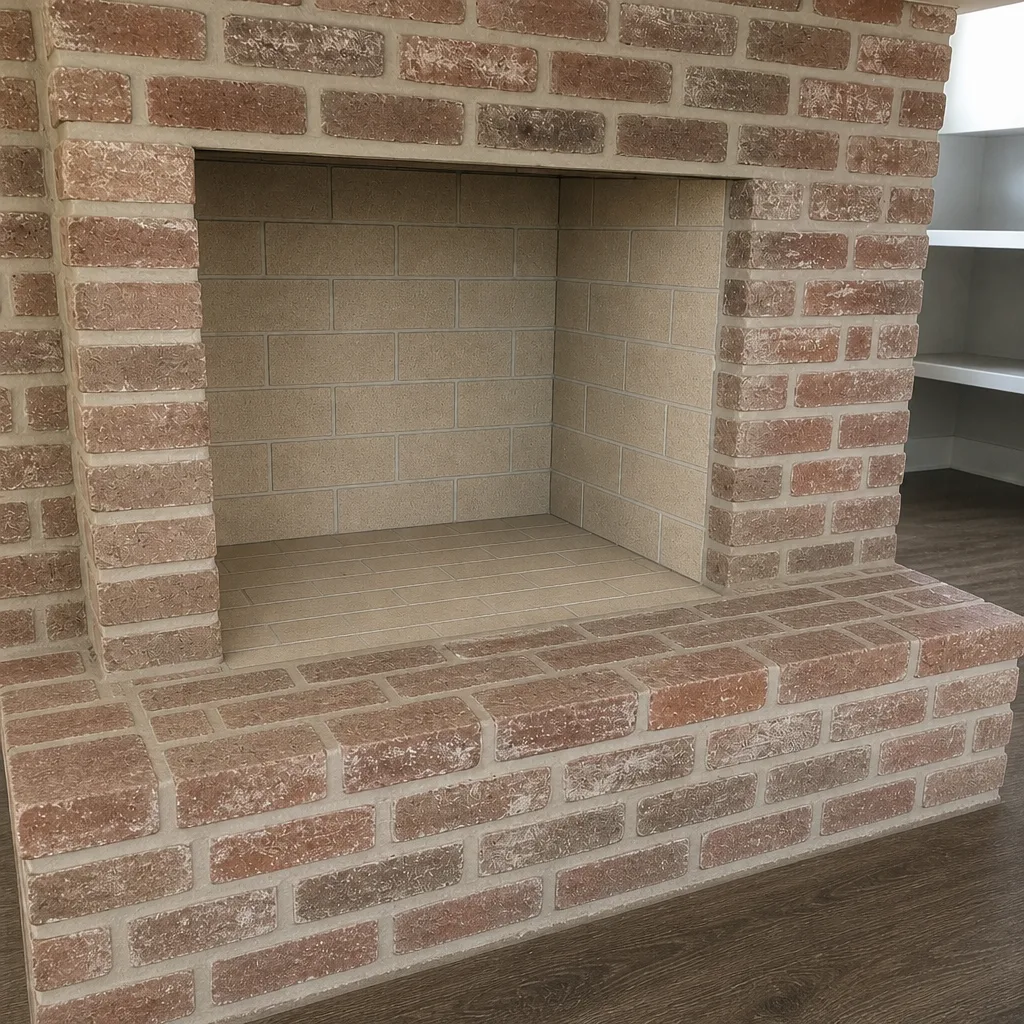
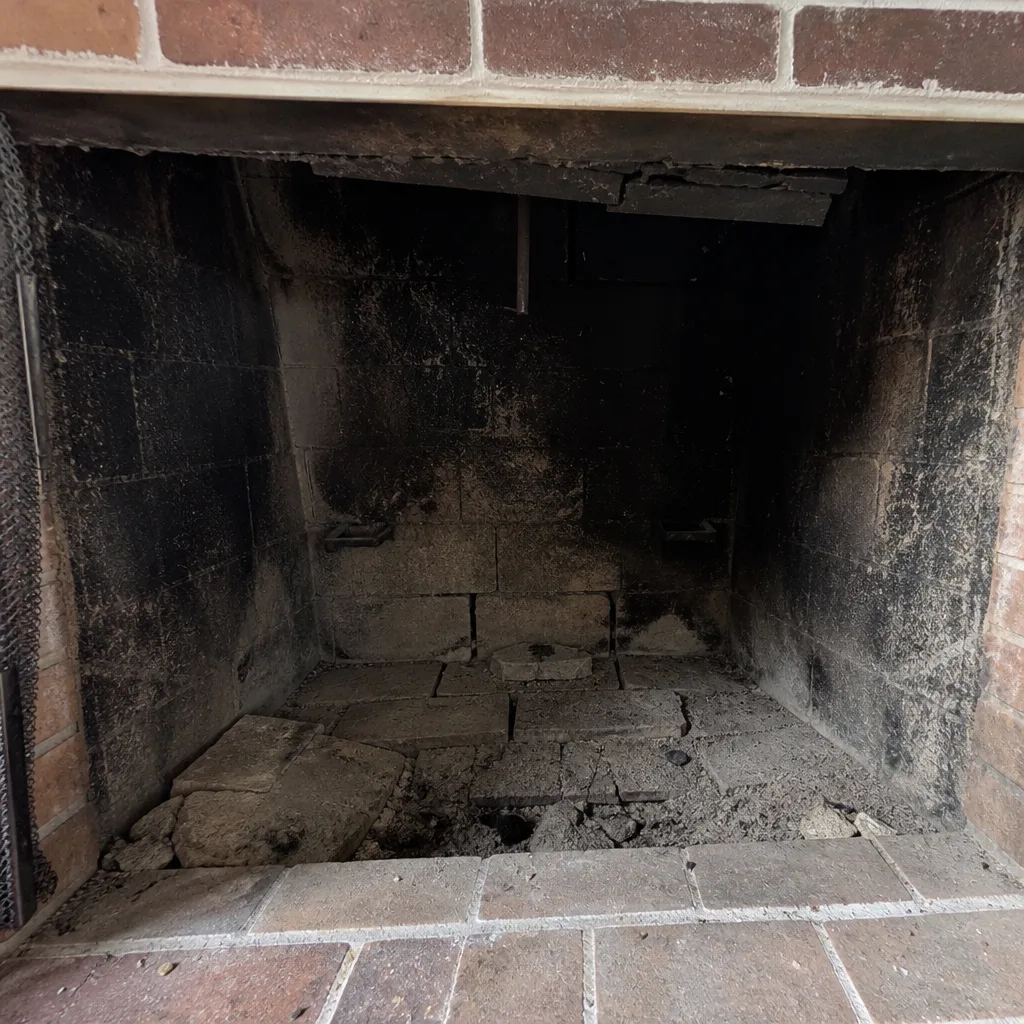
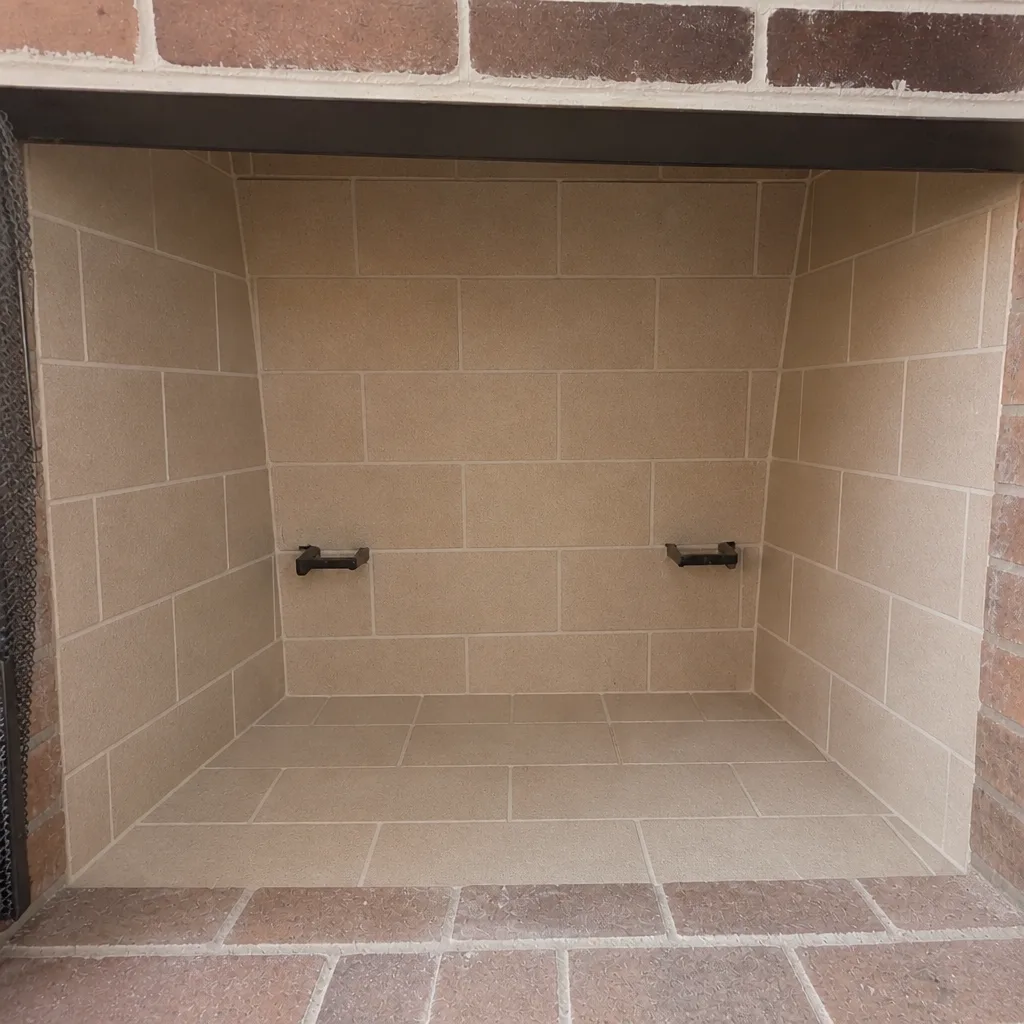
See the difference
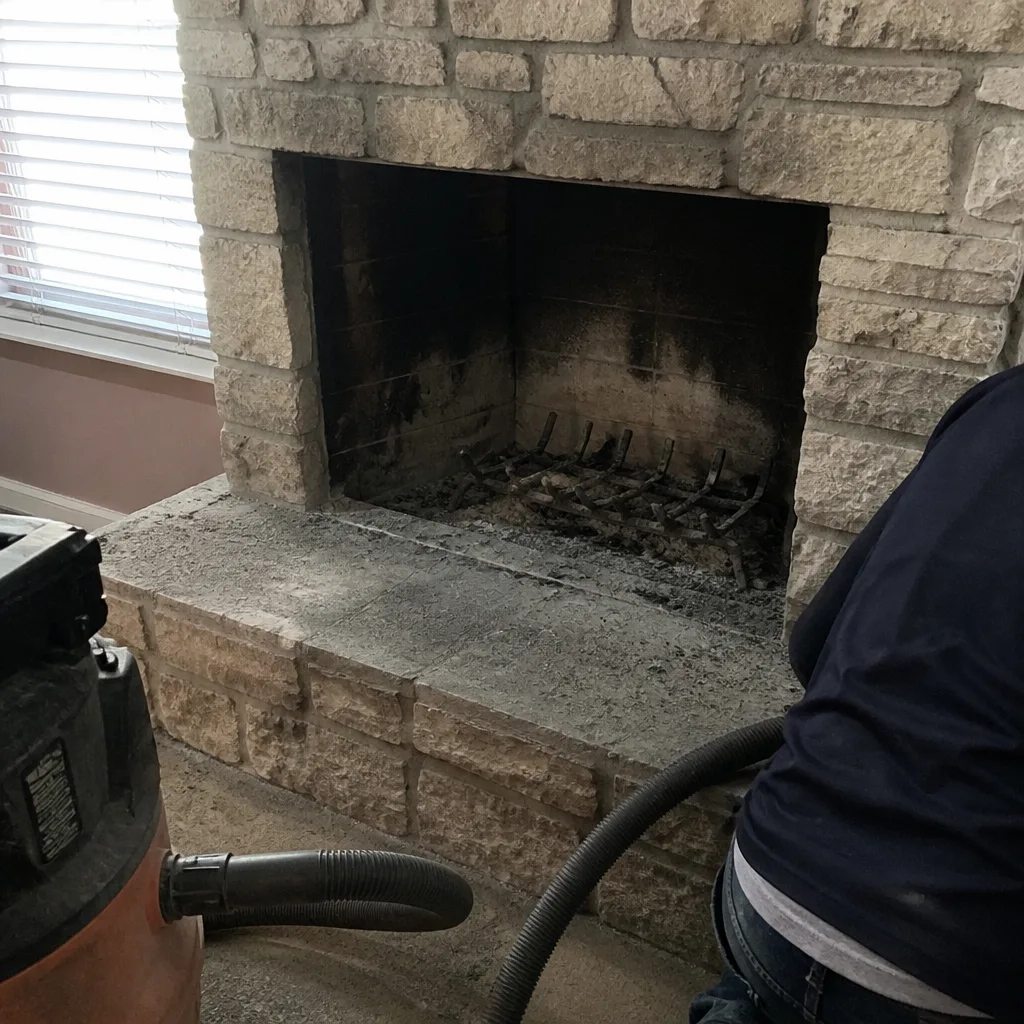 Before
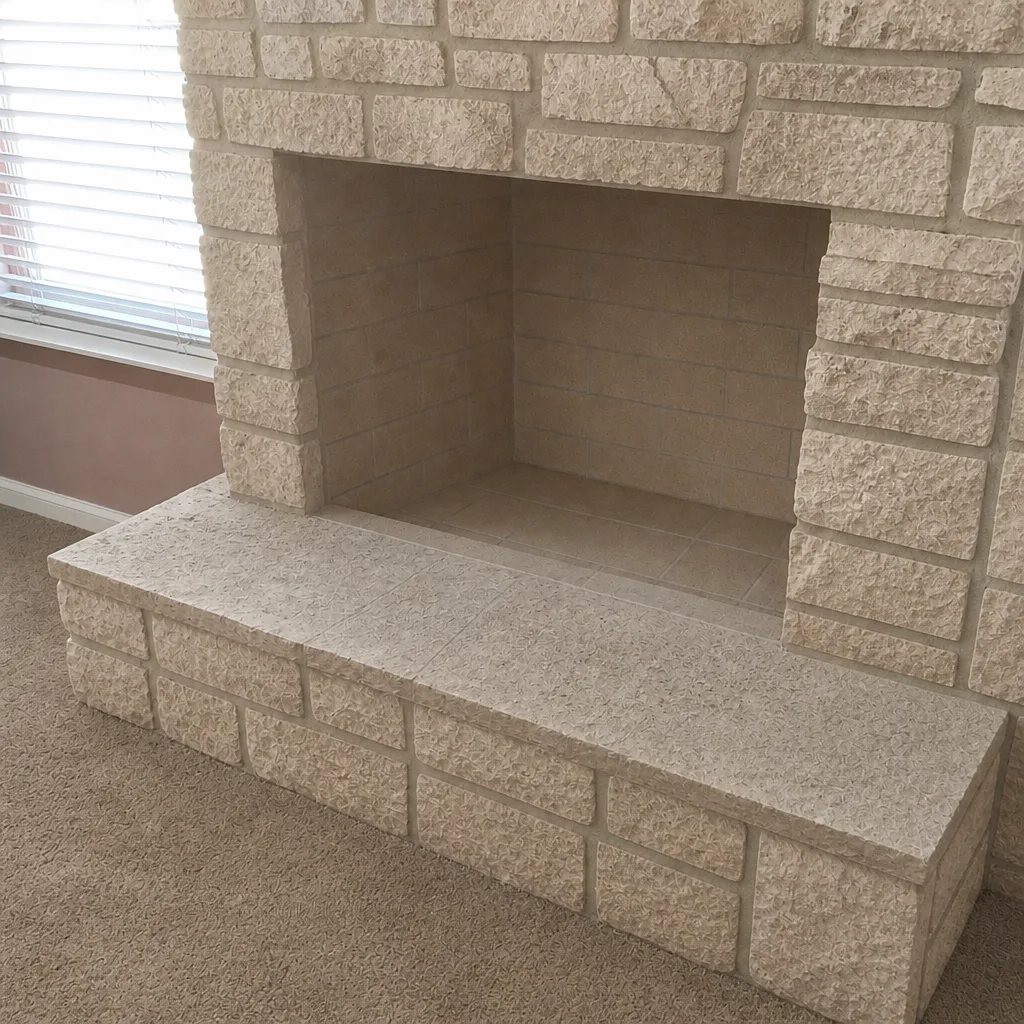 After
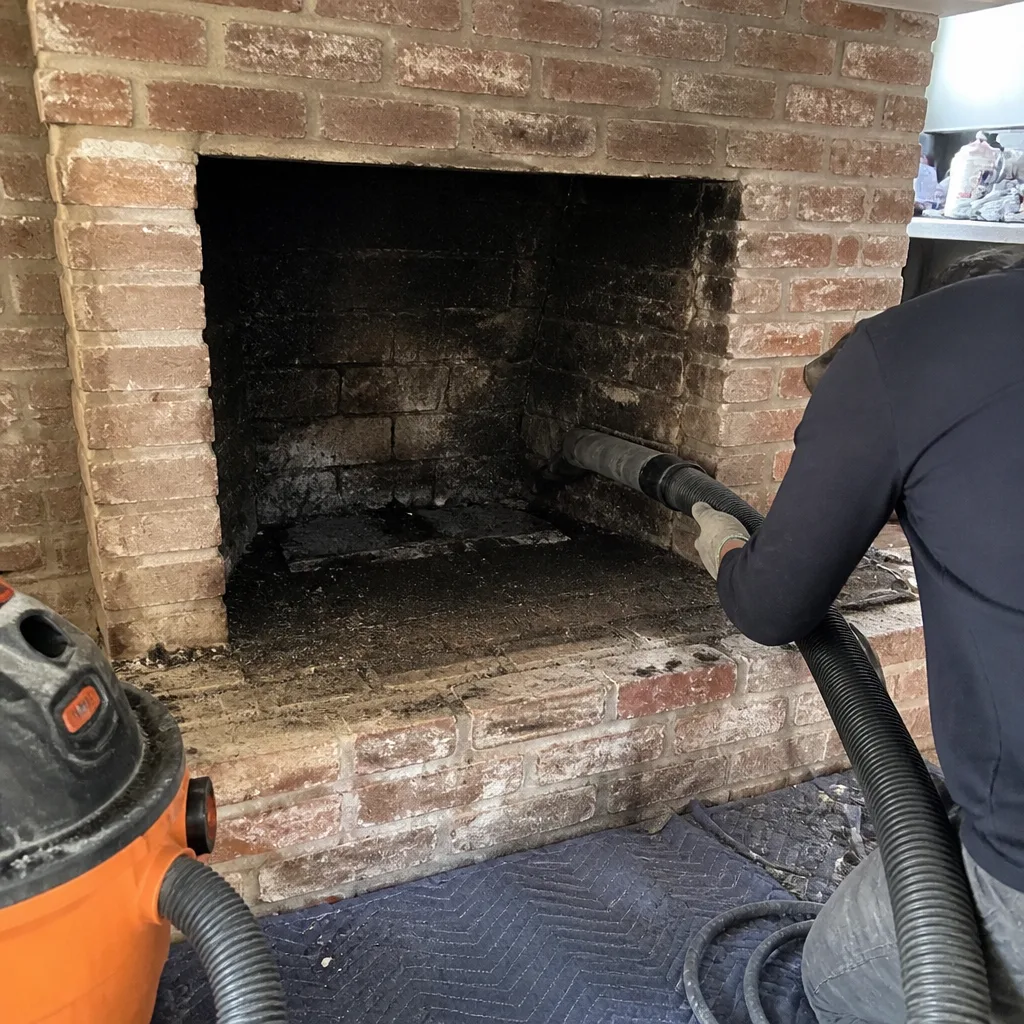 Before
 After
 Before
 After
When to Call a Professional
Call a professional if you’ve had a chimney fire, if you’ve changed or added a solid-fuel appliance, if smoke rolls back into the room, if you smell creosote or a strong draft odor in warm weather, or if you’re buying or selling a home with a wood-burning system that has no recent inspection record. Call before you use the fireplace for the season if it hasn’t been inspected in the last year. Call before anyone starts a liner or firebox repair so the permit question is answered up front. Anchor Chimney Sweep offers free estimates in Miami Gardens – call (844) 560-6429. Our technicians have up to 8 years of experience, and we answer 24/7. Fast dispatch from 7am to 7pm, Sunday through Friday.
Frequently Asked Questions
No. A standard chimney sweep – removing creosote and soot – is maintenance and does not require a permit in Miami Gardens or elsewhere in Miami-Dade County. Permits generally apply to repair work that changes the chimney system, such as a new liner, firebox reconstruction, or crown replacement. If you’re unsure where your job falls, ask the contractor how the work is being classified and confirm with the county building department. Call (844) 560-6429 for an exact quote – estimates are free.
NFPA 211 is a national standard, and it becomes enforceable in Florida because the state building code adopts it by reference for solid-fuel chimney systems. In practice, that means a chimney liner, firebox, or venting change should meet NFPA 211 requirements to pass county review. A contractor who can point you to the standard and the manufacturer’s instructions is a contractor who understands what they’re building. Call (844) 560-6429 if you want the reasoning explained before work starts.
A standard sweep is priced per job by written estimate, and the final number depends on the appliance, the condition of the flue, and whether an inspection is included. We don’t quote from a call because the wrong number is worse than no number – request the estimate and the scope in writing, and read the scope carefully. Estimates are free. Call (844) 560-6429 for an exact quote.
Once a year for a home with regular fireplace use, and more often if you burn frequently or notice heavy creosote buildup. Annual inspection is the baseline; the sweep frequency follows what the inspection finds. Homes in Miami Gardens that use a fireplace only a few times a season may stretch further, but not indefinitely, and a Level 2 inspection should replace a swap if the system has changed. Call (844) 560-6429 to schedule.
Not always. A deteriorated flue may be a candidate for liner restoration with HeatShield rather than full replacement, depending on the extent and type of damage. That’s a diagnosis question, and the answer should come from a Level 2 camera inspection with the footage shown to you – not from a sales call. If a contractor can’t show you the evidence, get a second opinion. Call (844) 560-6429 to book the inspection.
Two risks: creosote buildup that fuels a chimney fire, and undetected damage to the flue that lets heat and combustion gases reach the structure. Both are conditions you can’t see from the firebox floor. A skipped inspection doesn’t cause the hazard, but it’s how the hazard goes unnoticed until it matters. Call (844) 560-6429 – a sweep and inspection are the cheapest part of owning a fireplace.
The Bottom Line
Chimney cleaning is a permit-exempt service. Chimney repair – liners, fireboxes, crowns, structural work – generally is not, and the technical standard the work must meet (NFPA 211, adopted by Florida’s building code) applies either way. Verify the permit before work begins, confirm the scope on the permit matches the quote, hold the final inspection result before you pay the balance, and ask for documentation that names the products installed. A Miami Gardens homeowner with a folder of paperwork is in a stronger position at resale, at the insurance desk, and in the safety conversation that matters most. Anchor holds – so does our work.
Call (844) 560-6429 for a free estimate. We answer 24/7. Fast dispatch from 7am to 7pm, Sunday through Friday.
Written by the team at Anchor Chimney Sweep.