
Last updated November 16, 2026
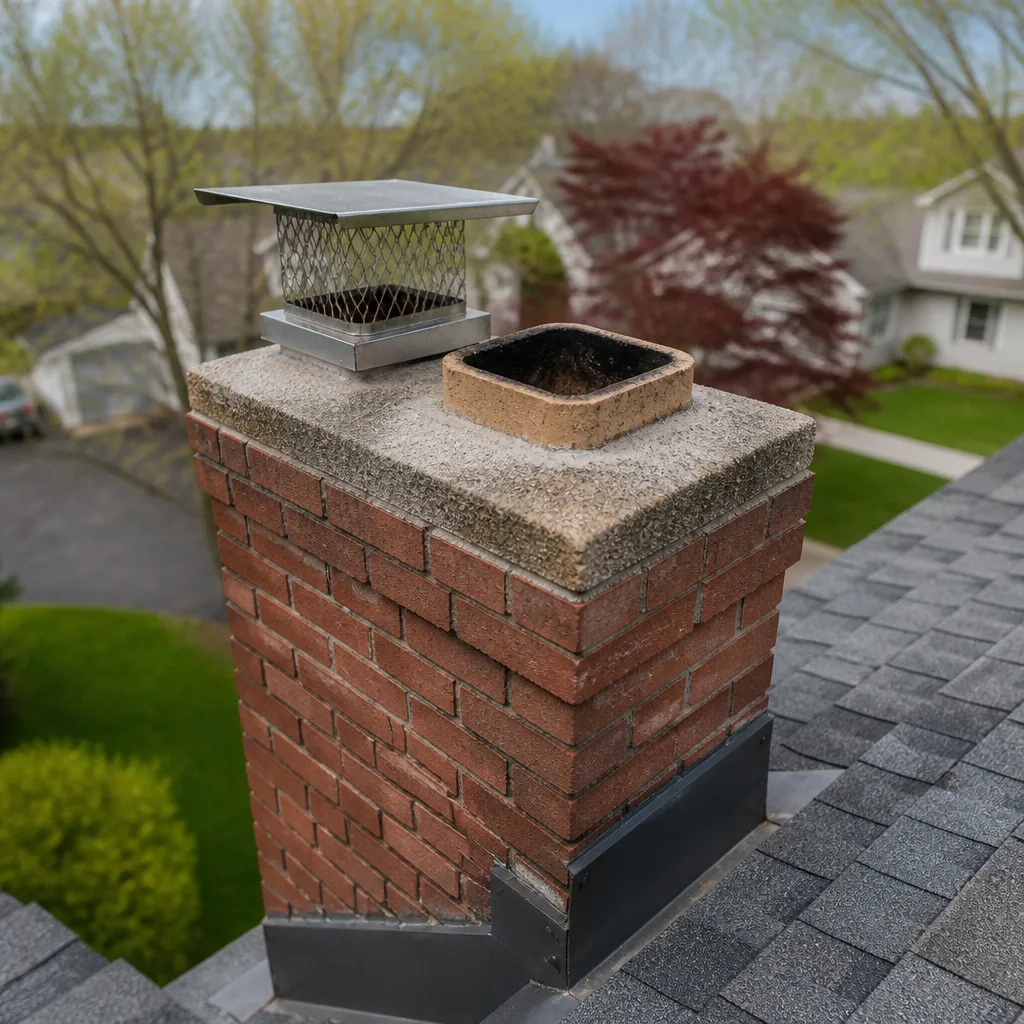 Sweep & inspection
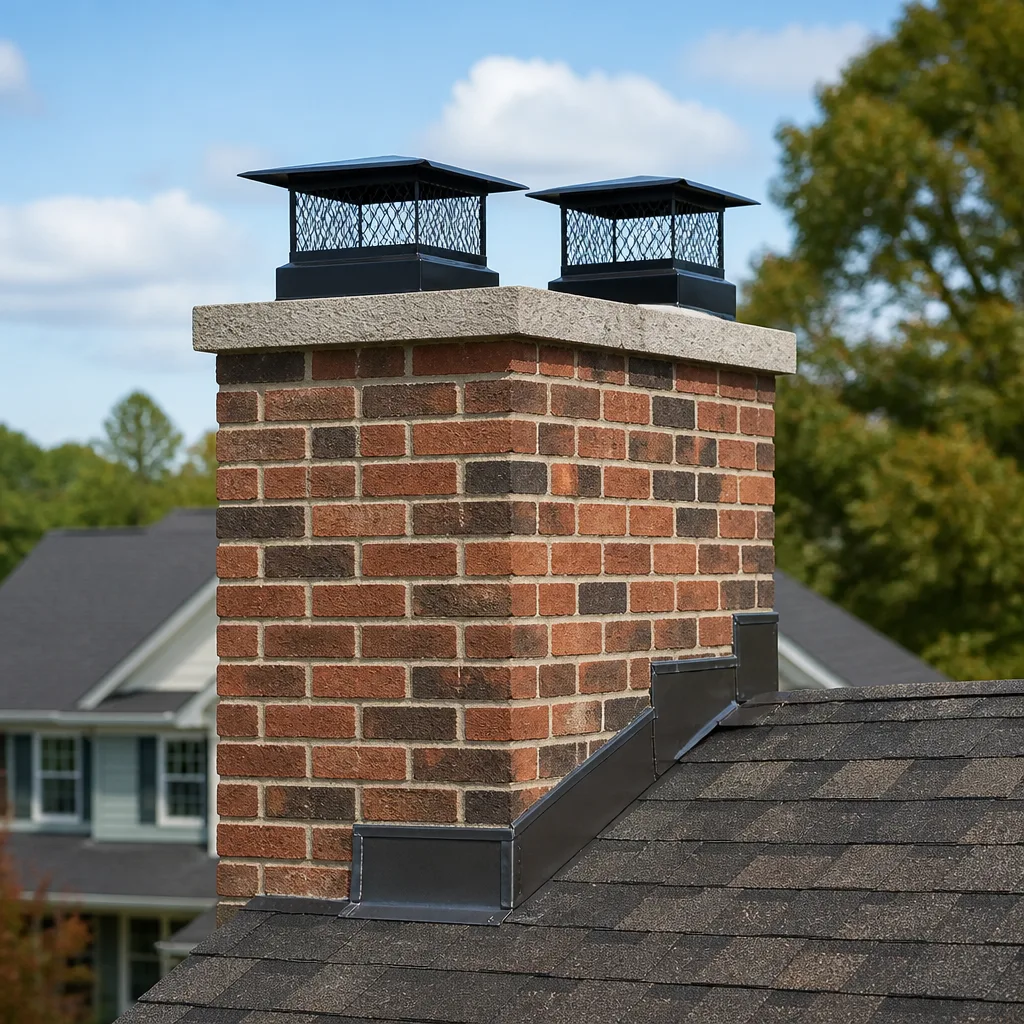 Caps & crowns
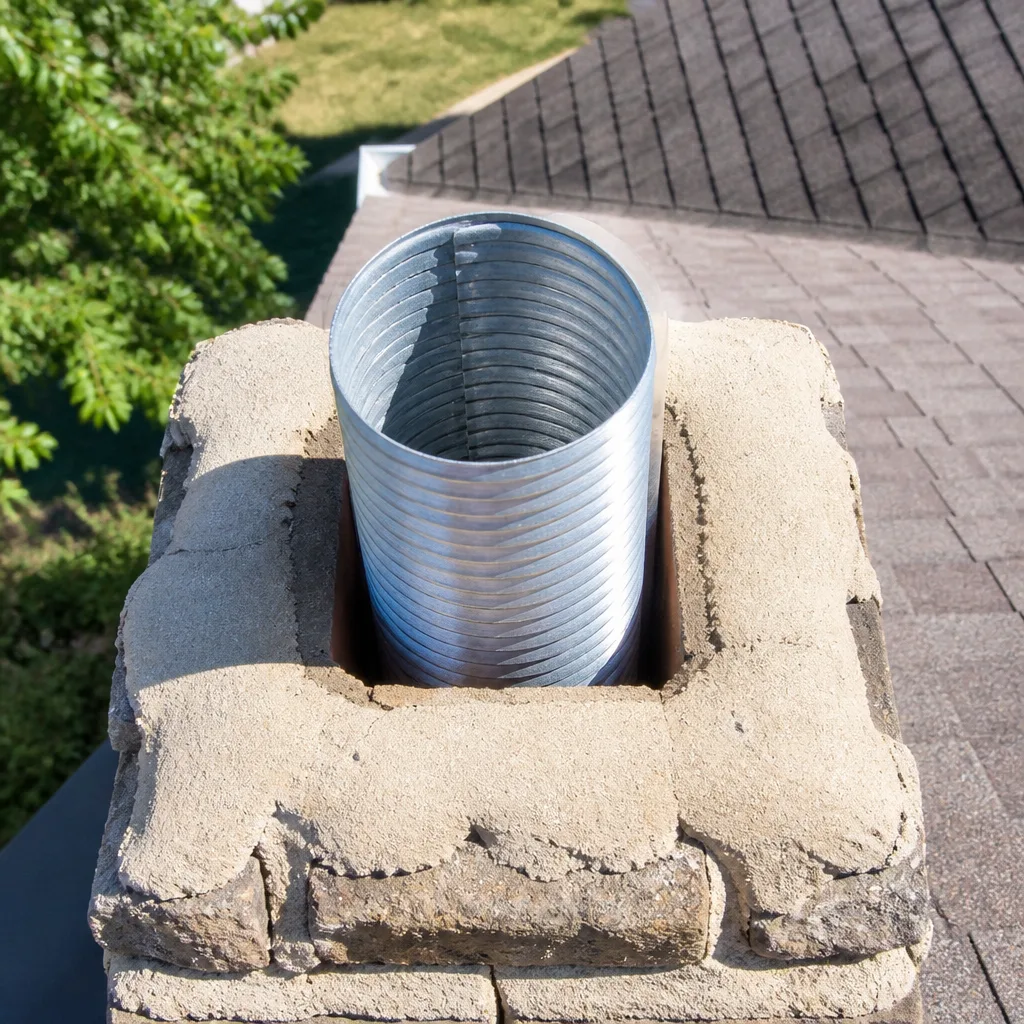 Flue relining
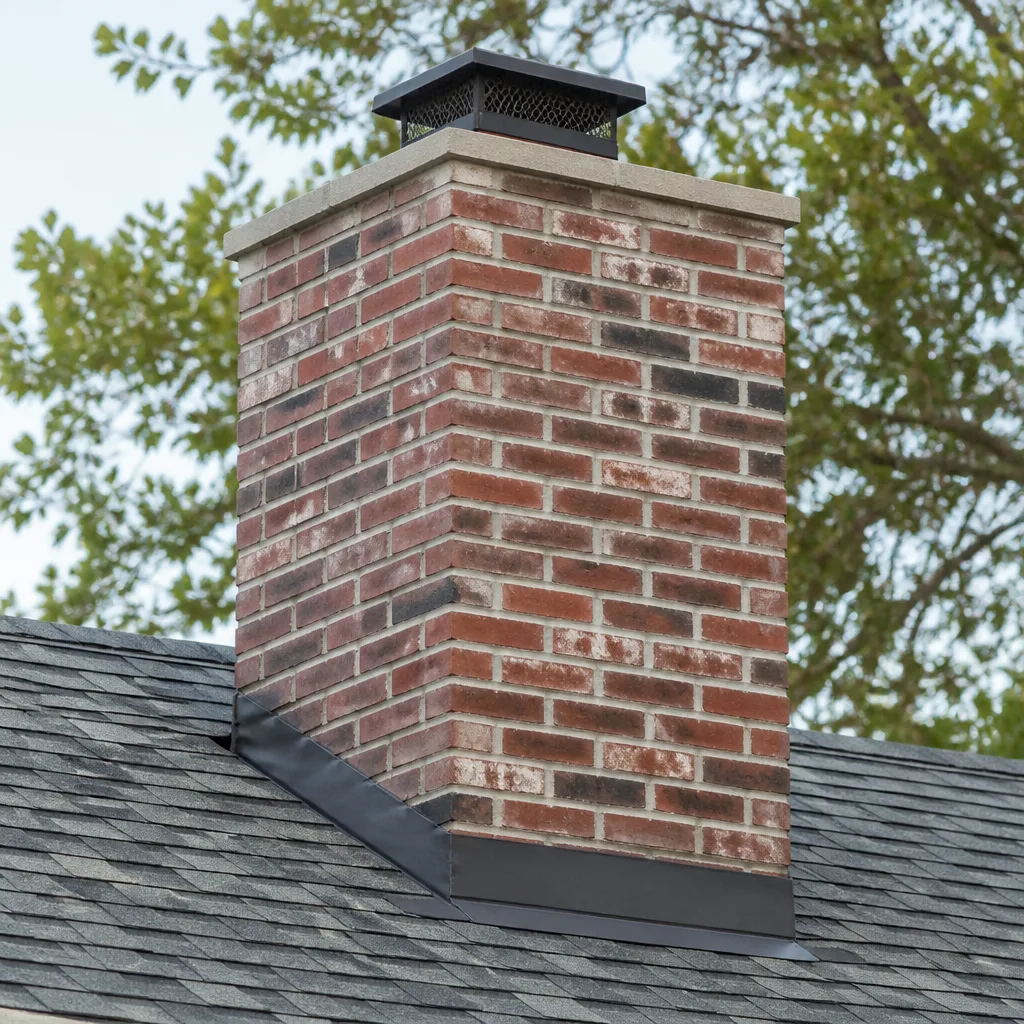 Masonry repair
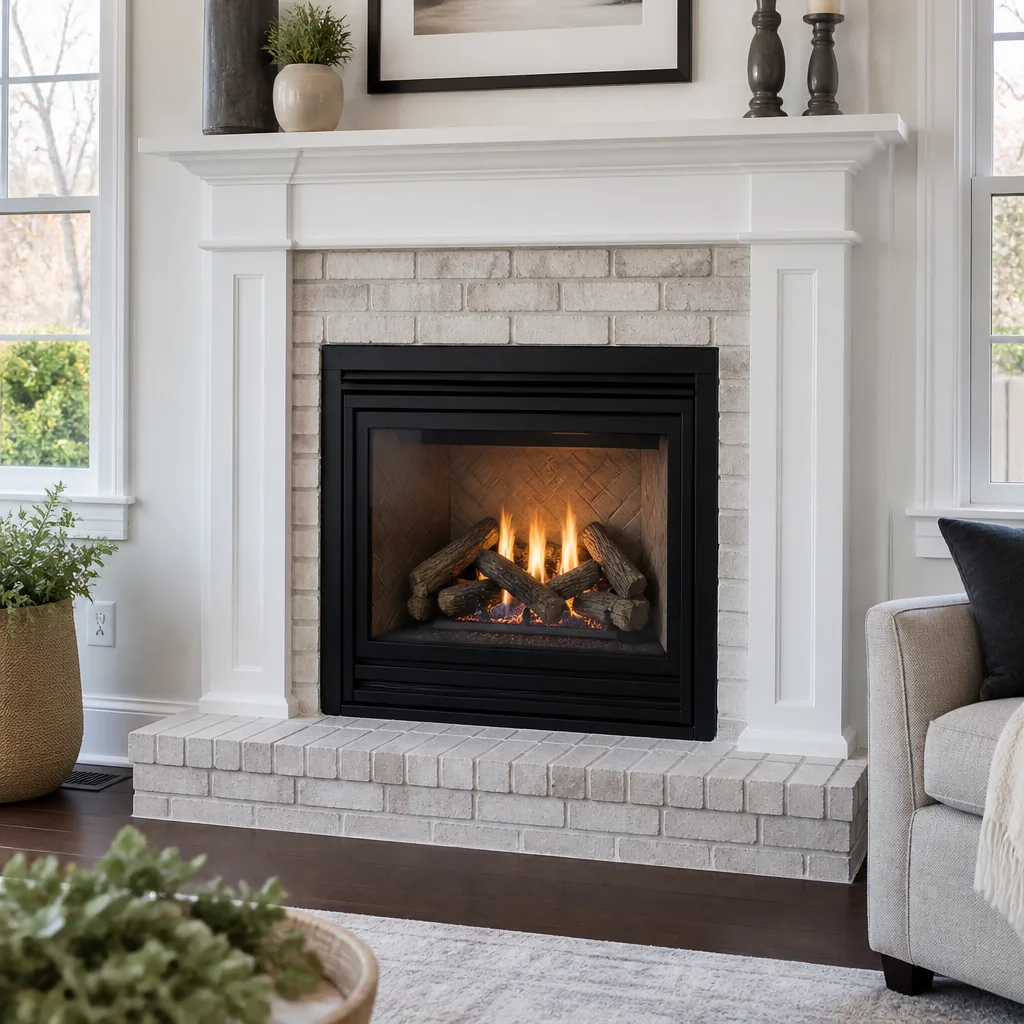 Gas fireplace service
Level 1 sweep and inspection to the NFPA 211 annual standard - flue, crown, cap, and flashing checked and photographed
Chimney sweep logs do not sweep chimneys. They loosen some creosote - which then falls where a brush and vacuum still have to collect it.
Chimney Cleaning Emergency Preparedness Guide for Miami Gardens Homes
Most home safety plans in Miami Gardens cover hurricanes, flooding, and power outages. Almost none of them cover the chimney. That’s the gap this guide fills. A chimney fire doesn’t always announce itself with flames shooting from the roof. Often the fire is burning inside the flue itself, and the first signs are a low roaring sound, a sharp smell, and chimney surfaces that feel unusually hot. Homeowners who haven’t rehearsed this scenario lose the most important minute: the one where a fast, correct response actually matters. Below, we walk through how to tell an active chimney fire from normal draft noise, what to do in the first 60 seconds, how to prepare before anything happens, and what a post-fire inspection must include. We treat the chimney as the life-safety system it legally is, and we help you build a plan before you need one.
Quick Answer
Emergency preparedness for a chimney starts long before any fire. It means keeping your last inspection date handy, knowing the signs of an active flue fire (a low roar, a strong smell, hot exterior surfaces), having a working carbon monoxide detector near the fireplace, and knowing exactly who to call. If you suspect a chimney fire, get everyone out, call 911, and don’t use the fireplace again until a professional inspects it.
Styles & brands we work with
- Sweep & inspection
- Caps & crowns
- Flue relining
- Masonry repair
- Gas fireplace service
Table of Contents
- How Do You Tell an Active Chimney Fire From Normal Draft Noise?
- What to Do in the First 60 Seconds of a Chimney Fire
- Pre-Emergency Preparedness: What to Have Ready Before You Need It
- Post-Chimney-Fire Protocol: What Has to Happen Next
- Carbon Monoxide Preparedness Specific to Chimney Systems
- What to Tell a 911 Dispatcher About a Chimney Fire
- Service Records, Inspection Dates, and Why They Matter in an Emergency
- Miami Gardens-Specific Risks and Neighborhood Context
How Do You Tell an Active Chimney Fire From Normal Draft Noise?
A normal wood fire sounds like crackling and popping. An active chimney fire sounds different: a low, sustained roar like a distant train or a deep rumble that doesn’t fade. That roar is the sound of creosote igniting inside the flue, and it’s the single most reliable early indicator a homeowner can hear.
The sensory picture matters because a flue fire often burns without visible flames from outside. Here’s what to watch for and how to interpret each sign:
- Sound: A continuous low roar or rumble that rises above normal crackling. Some homeowners describe a whooshing noise, like a large gas burner running.
- Smell: A sharp, hot, acrid odor that doesn’t smell like normal wood smoke. Some people notice a smell like burning tar or hot metal.
- Heat: Chimney surfaces, the fireplace surround, or the wall behind the fireplace feel unusually hot to the touch. Exterior chimney masonry may feel hot from the outside.
- Smoke: Dark or black smoke coming from the top of the chimney, or smoke backing into the room despite an open damper.
- Visible sparks or flames: Flames or sparks visible at the chimney top, or a shower of black soot falling into the firebox.
The distinction between a draft noise and a fire noise is timing. Draft noise changes with wind and stops when the fire dies down. A flue fire keeps roaring steadily and doesn’t respond to the damper. If you’re not certain, treat it as a fire. In our experience, the homeowners who hesitate longest are the ones who waited to confirm what they were hearing. Don’t wait to confirm. If you’re unsure what you’re hearing in a Miami Gardens home, call us and we’ll help you sort it out. Call (844) 560-6429. We answer 24/7. Fast dispatch from 7am to 7pm, Sunday through Friday.
What to Do in the First 60 Seconds of a Chimney Fire
The first minute is about getting people out and getting help started. You won’t put out a flue fire yourself, and you shouldn’t try. Follow these steps in order:
- Get everyone out of the house. Move people and pets outside and away from the structure before you do anything else.
- Call 911 from outside. Say “possible chimney fire,” not just “fire.” More on that below.
- Close the fireplace doors and the damper if you can do it safely on your way out. Cutting the air supply to the flue limits how much oxygen feeds the fire. Do this only if it takes seconds and doesn’t delay your exit.
- Don’t spray water into the firebox. A sudden temperature drop can crack masonry and liner components. Water also does almost nothing to a fire burning high in the flue.
- Stay out. Don’t re-enter until the fire department tells you it’s safe.
What not to do matters as much as what to do. Never try to fight a flue fire with a home extinguisher, and never close off the house and wait it out. A flue fire can spread to the roof, framing, or adjacent combustibles. Even after the roar stops, the fire may still be smoldering inside the chimney structure. Treat a stopped roar as a pause, not an all-clear.
One thing we want every Miami Gardens homeowner to understand: a fire can be over before the fire department arrives and still leave real damage. The hazard after the flames is a compromised flue passing gases into the home. That’s why the inspection that follows is not optional.
Pre-Emergency Preparedness: What to Have Ready Before You Need It
The most useful emergency plan is a boring one. It’s the paperwork and the contacts you have ready on an ordinary afternoon. Here’s what we recommend every Miami Gardens homeowner keep on hand:
- Your last inspection date. Know it, and know where the report lives. If you can’t answer “when was my chimney last inspected,” that’s the first task on this list.
- The name of the company that last serviced the chimney. If you don’t have a regular chimney professional, establish one. The chimney is a system, and a system needs a technician who knows it. We inspect, clean, and repair it as one, which means one call covers the sweep, the inspection, and any repair – no handoffs.
- A daytime phone number and a service contact. Call (844) 560-6429. We answer 24/7. Fast dispatch from 7am to 7pm, Sunday through Friday.
- A carbon monoxide detector near the fireplace and on every sleeping level. More on placement below.
- An annual sweep on the calendar. Creosote buildup is the fuel for most flue fires. Removal is prevention.
- A fire extinguisher rated for the fireplace area, tested and current. Keep it nearby but outside the fireplace zone.
- A conversation with everyone in the home. If a child or a guest sees sparks at the chimney top, they need to know to tell an adult immediately, not wait to see if it happens again.
Preparedness also means knowing the general condition of what you own. If your chimney has a deteriorating flue liner, that’s a known hazard that should be addressed before it becomes an emergency. HeatShield liner restoration is a proven alternative to full liner replacement, and it gives you a documented path to restoring a compromised liner. We’ll get to records and inspection dates in a later section. The point here is simple: you can’t react well to a fire you haven’t planned for.
Post-Chimney-Fire Protocol: What Has to Happen Next
After a suspected chimney fire, the fireplace must not be used again until a professional inspects it. That’s the short version. The longer version explains why, and what that inspection has to cover.
A flue fire can damage liners, crack masonry, warp dampers, and compromise seals without any visible sign from the firebox. The National Fire Protection Association’s standard NFPA 211 governs chimney inspections, and a post-fire inspection has to look at the whole system, not just what you can see from the hearth. Here’s what a proper post-fire inspection includes:
- A full visual inspection of the firebox, damper, and smoke chamber. Cracks, warping, and gaps need to be documented.
- A flue interior inspection with a camera. This is the part that can’t be faked. Camera inspection allows the technician to see cracks, separations, and damaged liner joints from the inside.
- Assessment of the exterior chimney and crown. Heat and pressure can damage the crown and flashing.
- A written report with photographic evidence. You should be handed something you can read, understand, and keep for insurance purposes.
- A recommendation on whether to repair or leave it. If the liner can be restored rather than replaced, that’s a conversation worth having, and not every company can offer it. HeatShield is the manufacturer-backed restoration path we use.
The camera inspection and photo report is the answer to the question most homeowners have after a fire: “how do I know I can trust what I’m being told?” You see what the technician saw, including the parts you’d never be able to see yourself. If a full liner replacement is being recommended, the photo evidence should show you why. If the work can safely wait, that should be said plainly too.
Once the inspection confirms the system is safe, and any damage is repaired, you can use the fireplace again. Until then, don’t. A second fire in a compromised flue is a much worse scenario than the first.
Carbon Monoxide Preparedness Specific to Chimney Systems
Carbon monoxide is the invisible part of chimney safety. A blocked or cracked flue can route combustion gases back into the home, and the symptoms of slow exposure are easy to mistake for a bad cold or a long week. Headaches, dizziness, nausea, fatigue, and confusion that clear when you leave the house and return when you come back are the classic pattern of low-level CO exposure. Acute exposure escalates to loss of coordination, chest pain, and loss of consciousness. If you suspect CO, get everyone outside and call 911.
Detector placement matters more than most people realize. We recommend:
- A CO detector in the same room as the fireplace or wood stove, positioned so it can detect a flue leak before the gas reaches the rest of the house.
- A detector outside every sleeping area, and one on each level of the home.
- Testing each unit monthly and following the manufacturer’s replacement schedule.
- Never relying solely on a smoke detector. Smoke detectors won’t catch a colorless, odorless gas.
Chimney systems and CO risk are connected, but not obvious. A liner that has deteriorated, a flue blocked by a bird nest or debris, a draft that reverses in certain weather, and a damaged damper can all create a path for CO into the living space. Here in Miami Gardens, the mild climate means the air conditioning runs most of the year and windows stay shut. That’s a real factor: a closed, air-conditioned house has less natural ventilation than a house with windows open, so combustion gases have fewer ways to dissipate. It’s another reason to keep the chimney system in good shape and the detectors in good working order year-round, not just during the colder months.
If you have any doubt about whether your flue is drafting properly, get it checked. An inspection takes less than an hour and gives you actual evidence, not a guess.
What to Tell a 911 Dispatcher About a Chimney Fire
Most 911 dispatchers are trained for structure fires, and that training shapes the questions they ask. When you call, the word “chimney” changes the response. Say these key phrases clearly and early:
- “Possible chimney fire.” Say it in your first sentence. It tells the dispatcher this may be a contained flue fire rather than a full structure fire.
- “The house is occupied” or “the house is empty.” Tell them immediately whether everyone is out.
- What you heard or saw. A roar, black smoke from the chimney top, sparks, or smoke inside the room. Be specific.
- Where the chimney is. Interior chimney, exterior chimney, which side of the house.
- What you’ve already done. “We closed the damper on the way out” is information that helps the fire department plan.
- Your address, spoken clearly, and your name. Confirm the address if asked.
Don’t be surprised if the dispatcher asks about smoke inside the house, whether smoke is visible from the exterior, and whether the chimney is masonry or prefabricated. Those details help the fire department size their approach. If they ask what kind of noise you’re hearing, the answer matters. “A roar like a train” is a common phrasing and it’s useful.
One thing to avoid: don’t downplay what you’re seeing to keep from “bothering” them. Dispatchers would rather send help to a chimney fire that turns out to be a smoky fireplace than arrive late to a growing flue fire. If you’re a Miami Gardens homeowner and you’ve called 911, you can call us next. Call (844) 560-6429. We answer 24/7. Fast dispatch from 7am to 7pm, Sunday through Friday.
Service Records, Inspection Dates, and Why They Matter in an Emergency
A service record is not paperwork for its own sake. In an emergency, the record is the fastest way to give a technician the information they need. Here’s the record set we recommend every Miami Gardens homeowner keep together:
- The date of the last sweep and the last inspection. These are usually different tasks and may be different dates.
- Who did the work. Company name and the report that came with it.
- Any repairs and the products used. If your chimney has a DuraFlex flexible liner system, a HeatShield restoration, or components from Olympia Chimney or Gelco, that should be in the record.
- Photographs from the last inspection. If an inspector delivers photo documentation, keep it.
- A note of any known issues that were shelved. If you were told “watch this,” a future homeowner or technician needs to know.
This record matters in the emergency because a technician can arrive knowing what they’re looking at instead of starting cold. It matters after the emergency because your insurance company will want a documented history. And it matters in a real estate transaction: home buyers and sellers need a credible inspection before or after a sale, and the buyer’s inspector will ask for exactly these records.
If you can’t answer “what’s the last date my chimney was inspected,” that gap is worth closing now. We offer a full inspection with camera documentation, and the records we provide become the first entries in your file. You can read more about chimney sweep service and what it includes. The point of the record isn’t administrative. It’s the reason we can say, months later, exactly what condition the system was in and what we changed.
Miami Gardens-Specific Risks and Neighborhood Context
Miami Gardens homeowners deal with a particular set of chimney realities. The winters are mild, which means wood-burning fireplaces often get used less often, but that’s not the same as less risk. A chimney that’s used a handful of times a season still accumulates creosote. Creosote is a byproduct of incomplete combustion, and it’s the fuel for chimney fires. Low-use chimneys can build up creosote slowly and go years between sweeps, which means the cleaning that would have caught a problem gets deferred.
In our experience working in Miami Gardens, the homes we see span a wide range. There are older masonry chimneys that have never had a camera inspection, prefabricated fireplace systems from newer construction that need proper venting maintained, and everything in between. The proper venting solution for an old masonry chimney and a prefab fireplace is not the same, and a one-size-fits-all approach can create problems rather than solve them. That’s why we work with the same materials professional chimney contractors rely on nationwide, and why we stock and install products from six recognized chimney industry brands, including Famco and Gelco for correct caps, dampers, and vent covers. Generic hardware installed in place of correctly matched components can create draft problems that lead to smoke backdraft or create a path for gases into the home.
Local climate also shapes the exterior chimney. Heat and humidity affect masonry, and we recommend homeowners have the crown, flashing, and mortar joints checked as part of any inspection. A cracked crown is a common path for water to enter the chimney structure, and water intrusion is one of the most common causes of liner deterioration we see. If you want to understand what repair work on a South Florida chimney typically involves, our chimney repair page lays out the process, and the Miami Gardens page covers what we offer across the city.
Common Mistakes to Avoid
- Waiting to confirm the sound. A low roar isn’t a “let me go check” situation. Get out first, confirm later. Waiting to be sure you heard a fire costs the only minute you can’t get back.
- Assuming “no visible flames” means “no fire.” Many chimney fires burn inside the flue and show no flames from the outside. Smoke pouring from the chimney top, soot falling into the firebox, and a hot exterior surface are all fire signs.
- Spraying water into the firebox. It can crack masonry and liner components, and it does little for a fire burning high in the flue.
- Using the fireplace after a suspected fire without an inspection. A compromised flue allows combustion gases into the house. The fireplace stays off until a professional confirms it’s safe.
- Not knowing when the chimney was last inspected. If the answer is “I don’t know” or “years ago,” the system has a blind spot. Sweep and inspection schedule should be in your calendar.
- Relying on smoke detectors alone for carbon monoxide safety. A smoke detector won’t detect colorless, odorless gas. Chimney systems need dedicated CO detectors placed near the fireplace and outside sleeping areas.
- Using the wrong components on a chimney. Substituting a generic cap, damper, or vent cover for the correct one can cause draft problems. Famco and Gelco products exist for a reason, and they fit specific applications.
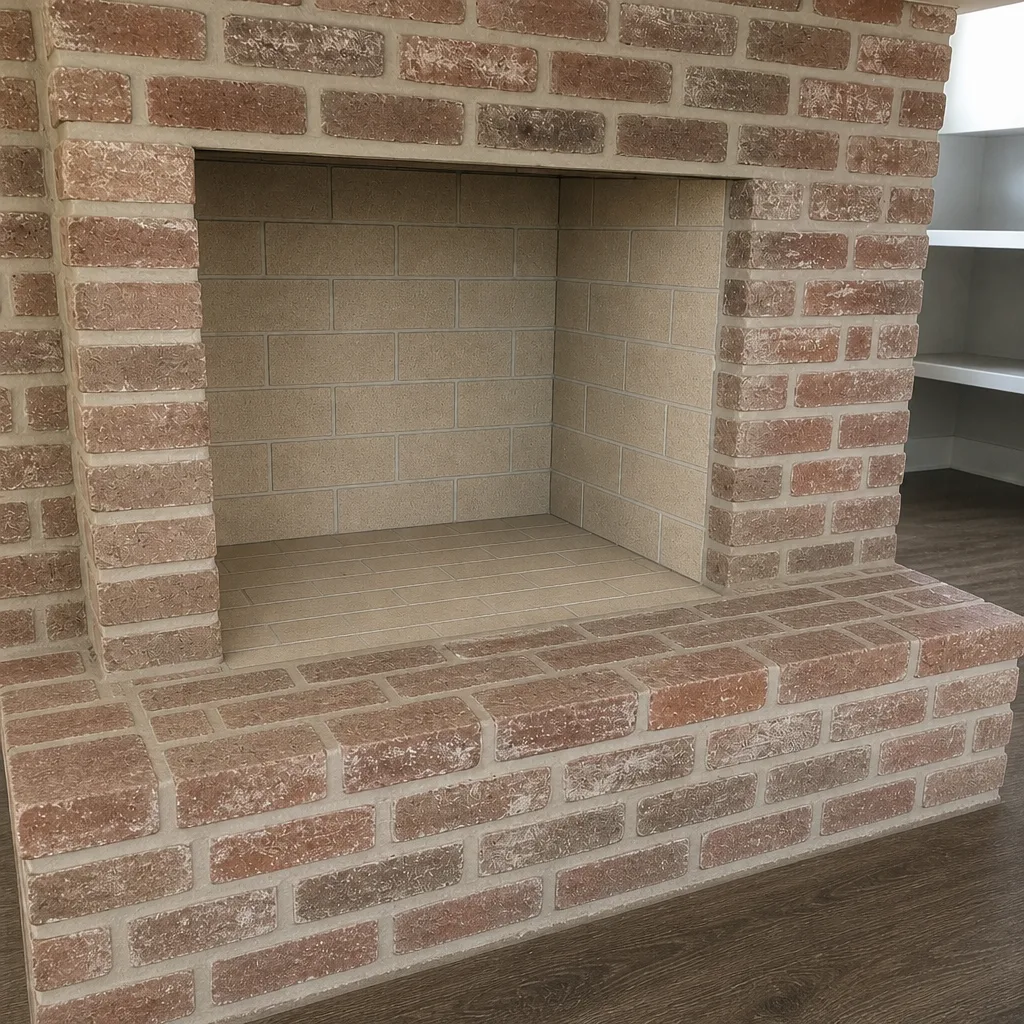
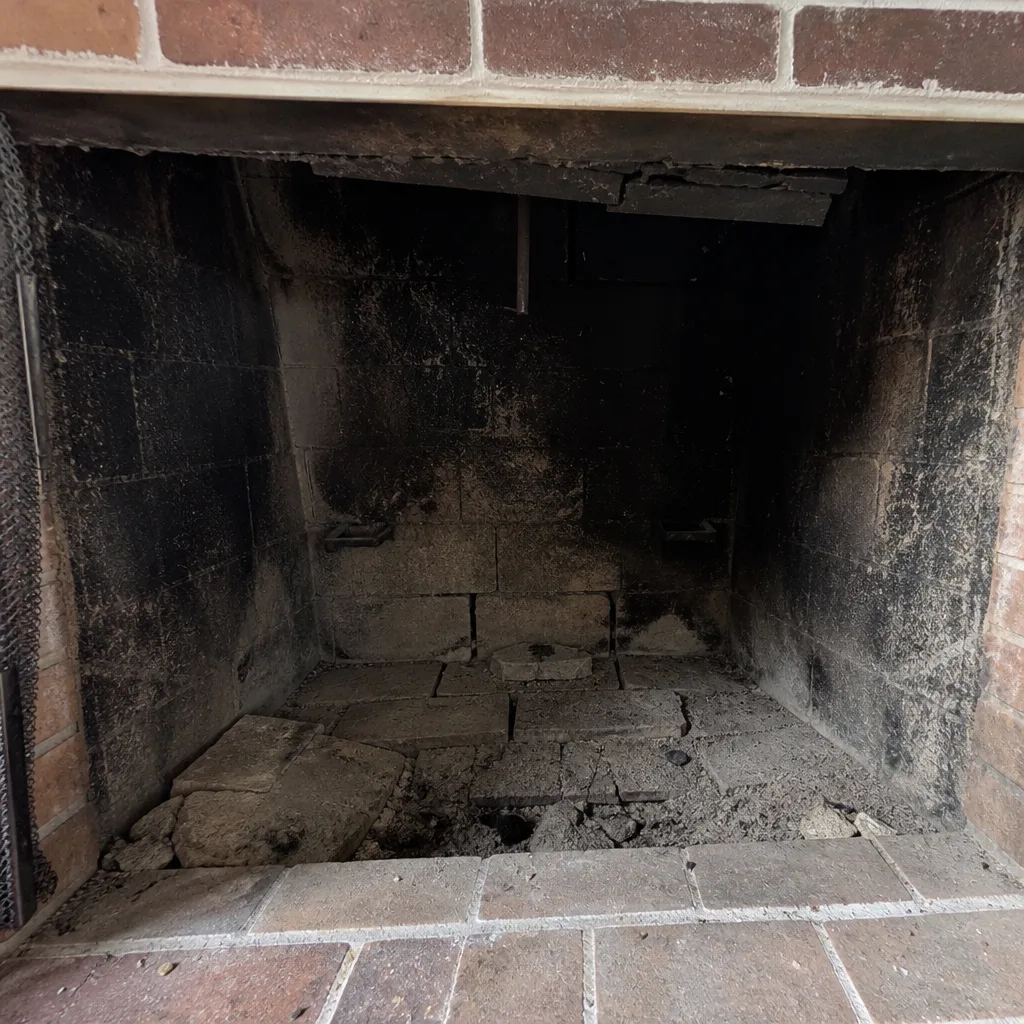
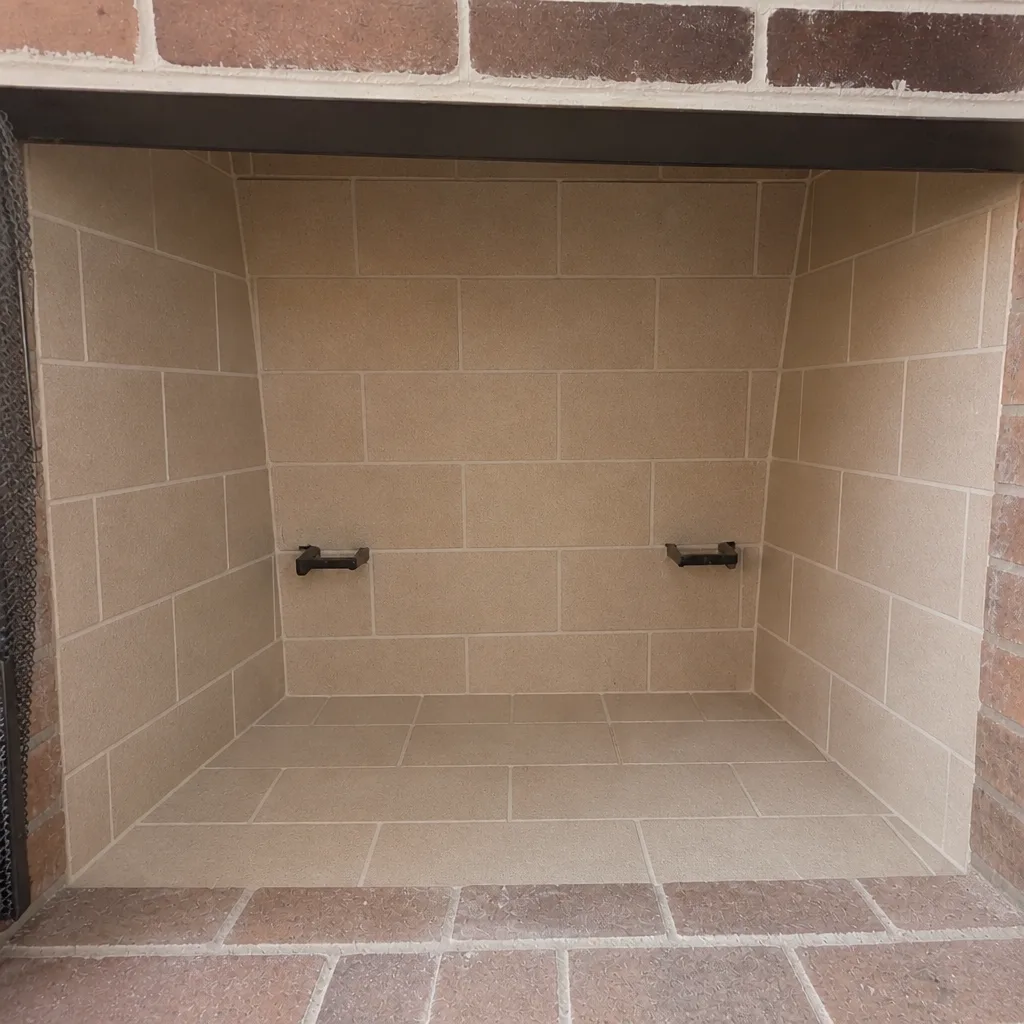
See the difference
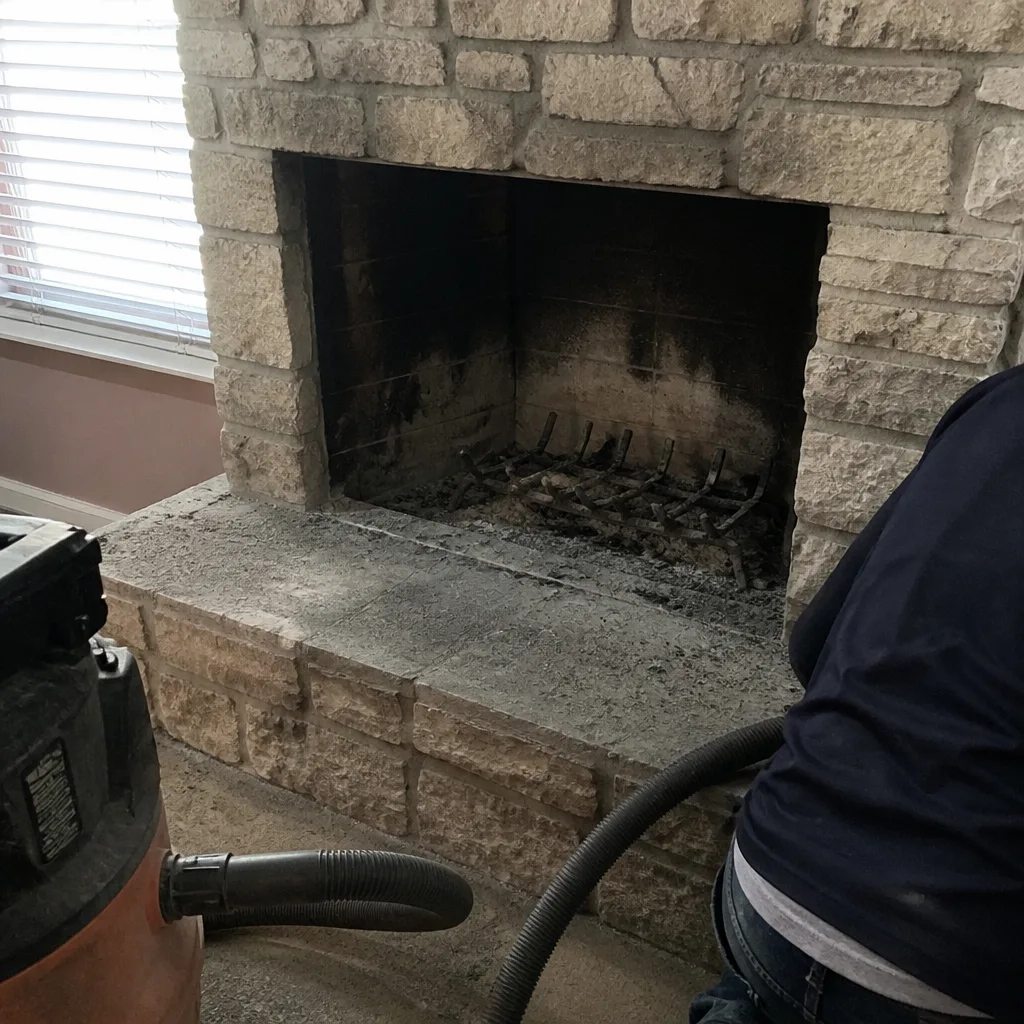 Before
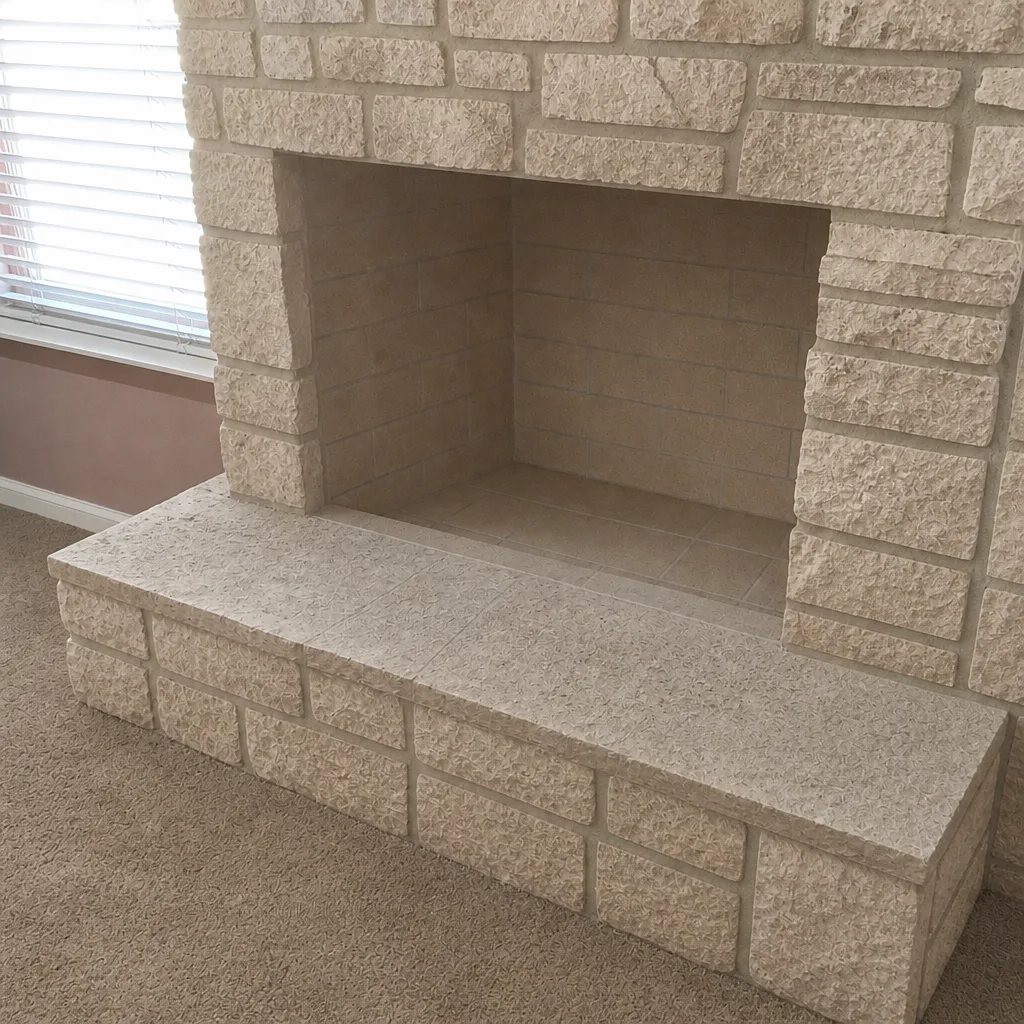 After
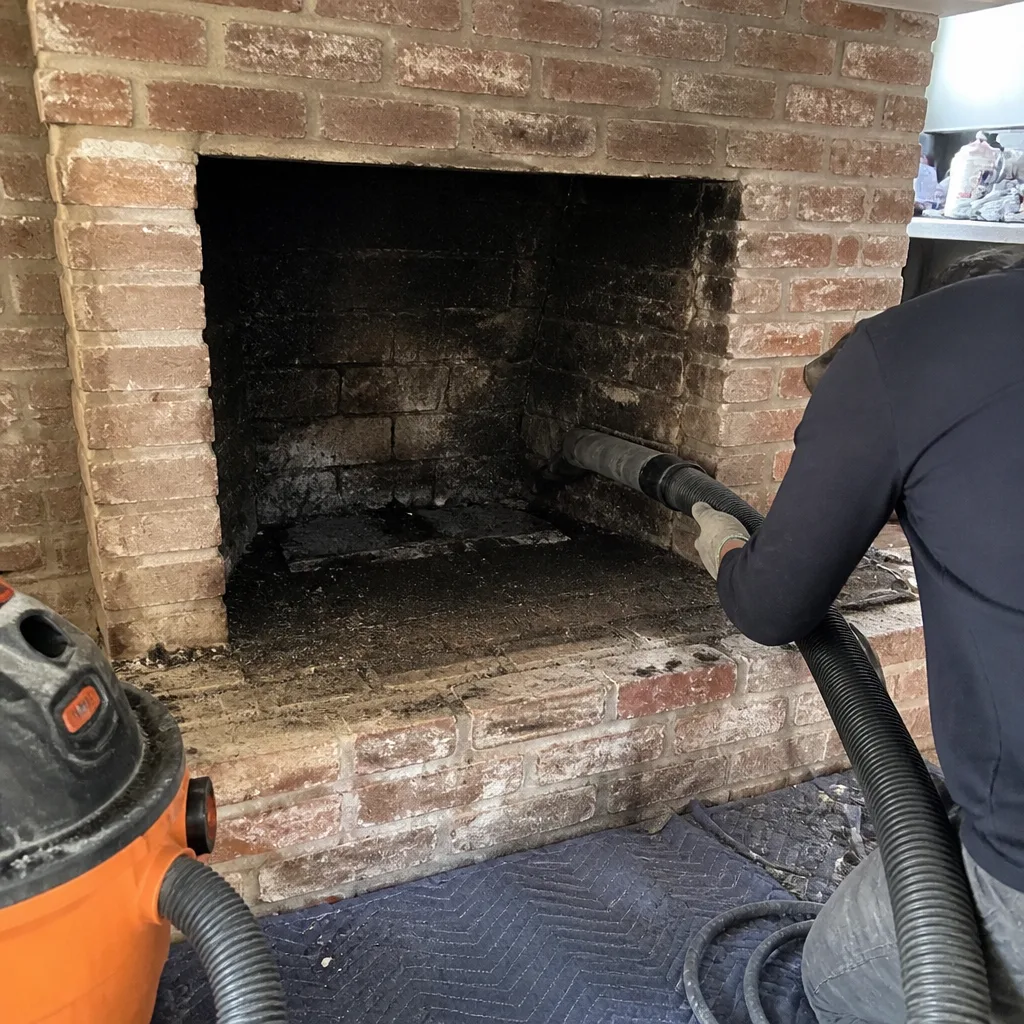 Before
 After
 Before
 After
When to Call a Professional
Call a professional if you suspect a chimney fire, if you smell smoke inside the house when the fireplace is not burning, if you see soot falling into the firebox, if your carbon monoxide detector has sounded, or if you can’t recall the last inspection date. Call if the chimney exterior shows cracks, crumbling mortar, or missing pieces. Call if you’re buying or selling a home and need a credible inspection with photographic evidence. Call if your liner is older and showing signs of deterioration, because HeatShield liner restoration can be a documented alternative to full replacement. We handle sweeping, inspection, and repair as one service rather than handing you off between contractors. Anchor Chimney Sweep offers free estimates in Miami Gardens. Call (844) 560-6429. We answer 24/7. Fast dispatch from 7am to 7pm, Sunday through Friday.
Frequently Asked Questions
Pricing is per job and set by a free written estimate after we see your chimney, so we won’t quote you a number without that. The estimate is free, and the written estimate is what sets the final price. Every sweep includes a camera inspection and photo report, so you can see the condition of the flue for yourself. Call (844) 560-6429 for an exact quote. Estimates are free.
Not necessarily. A full liner replacement is not the only path when a liner has deteriorated. HeatShield liner restoration is a manufacturer-backed alternative to replacement that works for many compromised liners, and we can tell you whether your liner is a candidate for restoration after a camera inspection. What you won’t get is a liner recommendation without photo evidence you can look at yourself. Call (844) 560-6429 for an exact quote. Estimates are free.
At least once a year, and more often if the fireplace is used heavily. A chimney should also be inspected after any suspected chimney fire. In Miami Gardens, the mild climate means many fireplaces see light use, but creosote still accumulates and low-use chimneys often go years without the sweep that would have caught a problem. Call (844) 560-6429 for an exact quote. Estimates are free.
Creosote builds up inside the flue, and creosote is fuel. The most serious consequence is a chimney fire, which can damage the liner and spread into the structure. The slower consequence is a compromised liner or blocked flue that routes carbon monoxide into the home. Both are things an inspection catches. Call (844) 560-6429 for an exact quote. Estimates are free.
A normal fire crackles and pops. A chimney fire often produces a continuous low roar, a sharp acrid smell, or chimney surfaces that are unusually hot to the touch. If you’re not sure, treat it as an emergency: get everyone out and call 911. After the fire department clears the house, call us for the inspection. Call (844) 560-6429. We answer 24/7. Fast dispatch from 7am to 7pm, Sunday through Friday.
Yes. DuraFlex flexible liner system proficiency lets us work with both old masonry chimneys and prefabricated fireplaces, since the correct venting solution differs between the two. We also source the correct caps, dampers, and vent covers rather than substituting generic hardware. All work is residential chimney systems. Call (844) 560-6429 for an exact quote. Estimates are free.
The Bottom Line
Chimney safety is a life-safety discipline, and the plan you build before anything happens determines how well you respond. The core points: know the signs of an active flue fire (a low roar, a sharp smell, hot exterior surfaces), get out and call 911 in the first minute, keep carbon monoxide detectors placed near the fireplace and outside sleeping areas, and never use a fireplace after a suspected fire until a professional inspects it. Keep your inspection date and service records handy. If you’re due for a sweep or inspection, get one now rather than after an emergency. Anchor Chimney Sweep handles the sweep, the inspection, and any repair as one system, with camera evidence you can see. Call (844) 560-6429 for a free estimate. We answer 24/7. Fast dispatch from 7am to 7pm, Sunday through Friday.
Written by the team at Anchor Chimney Sweep.