
Last updated November 16, 2026
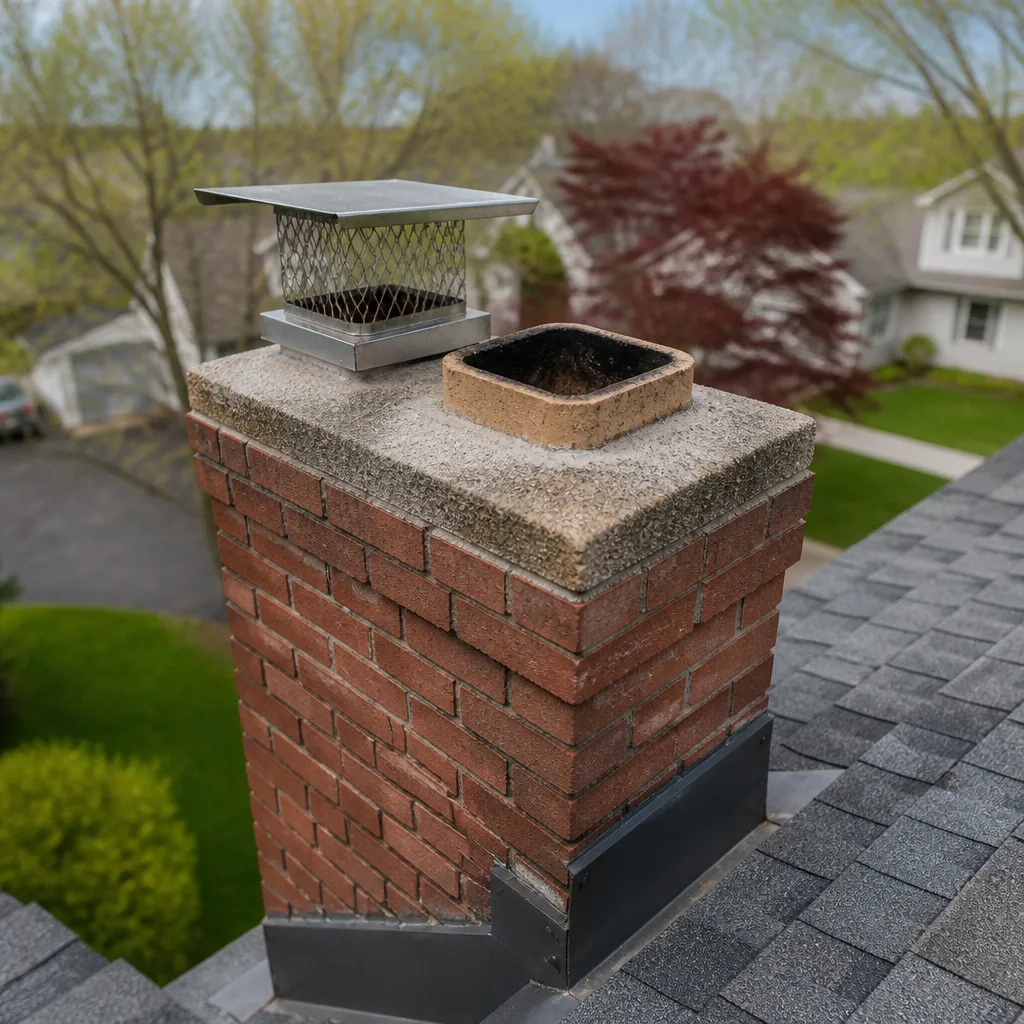 Sweep & inspection
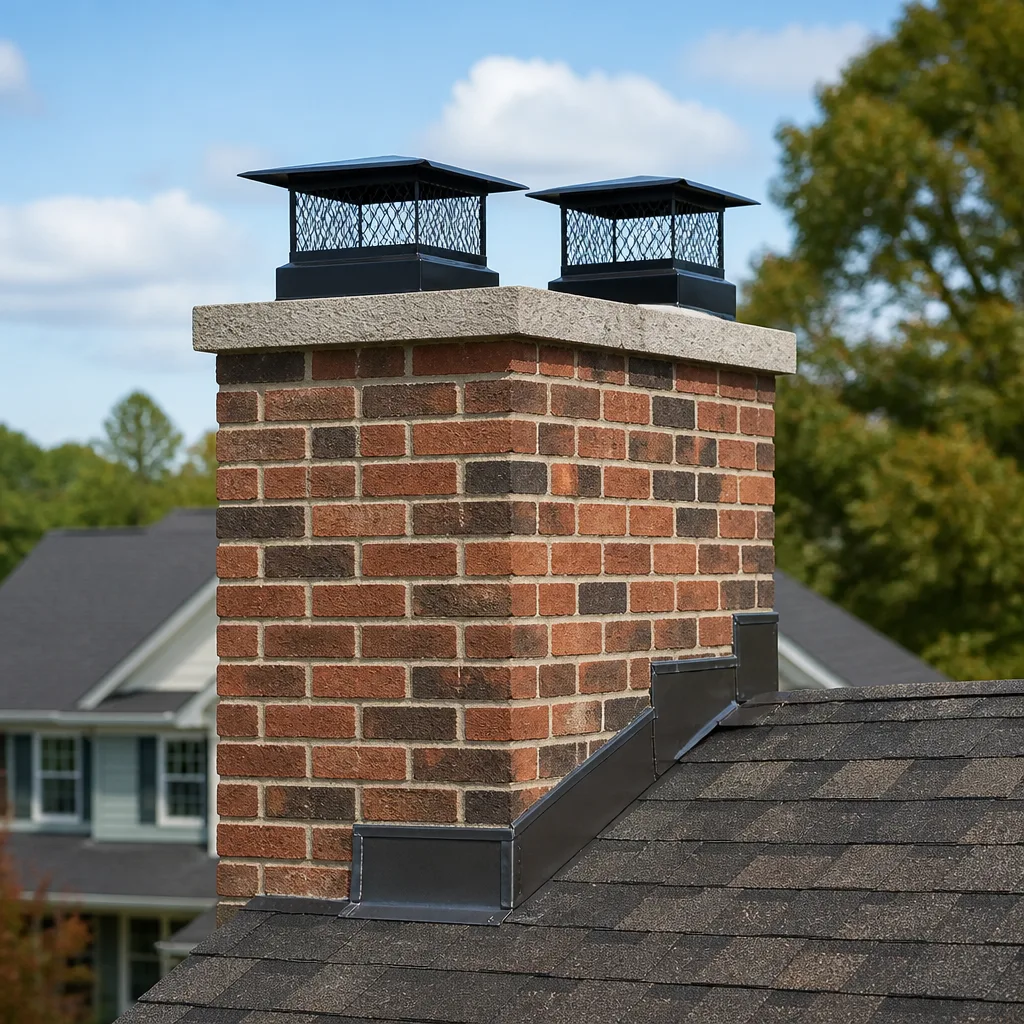 Caps & crowns
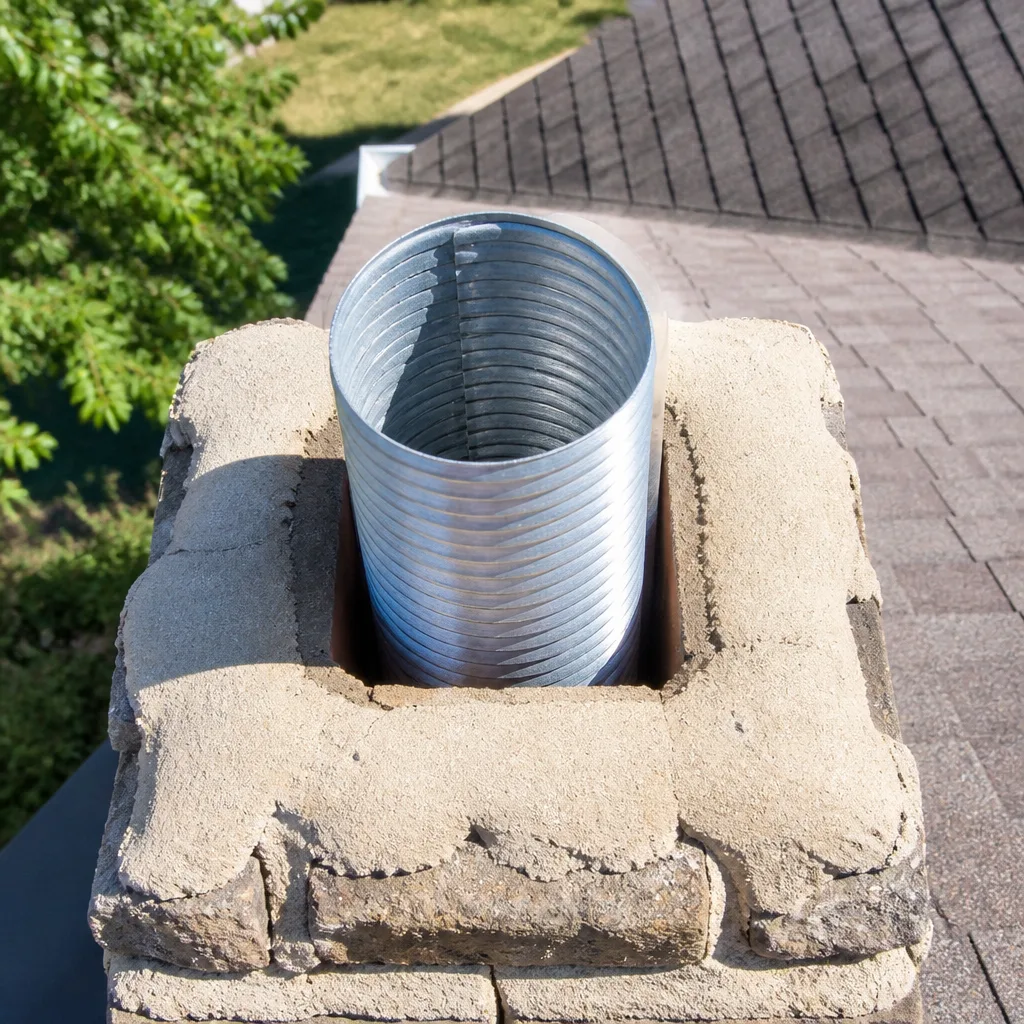 Flue relining
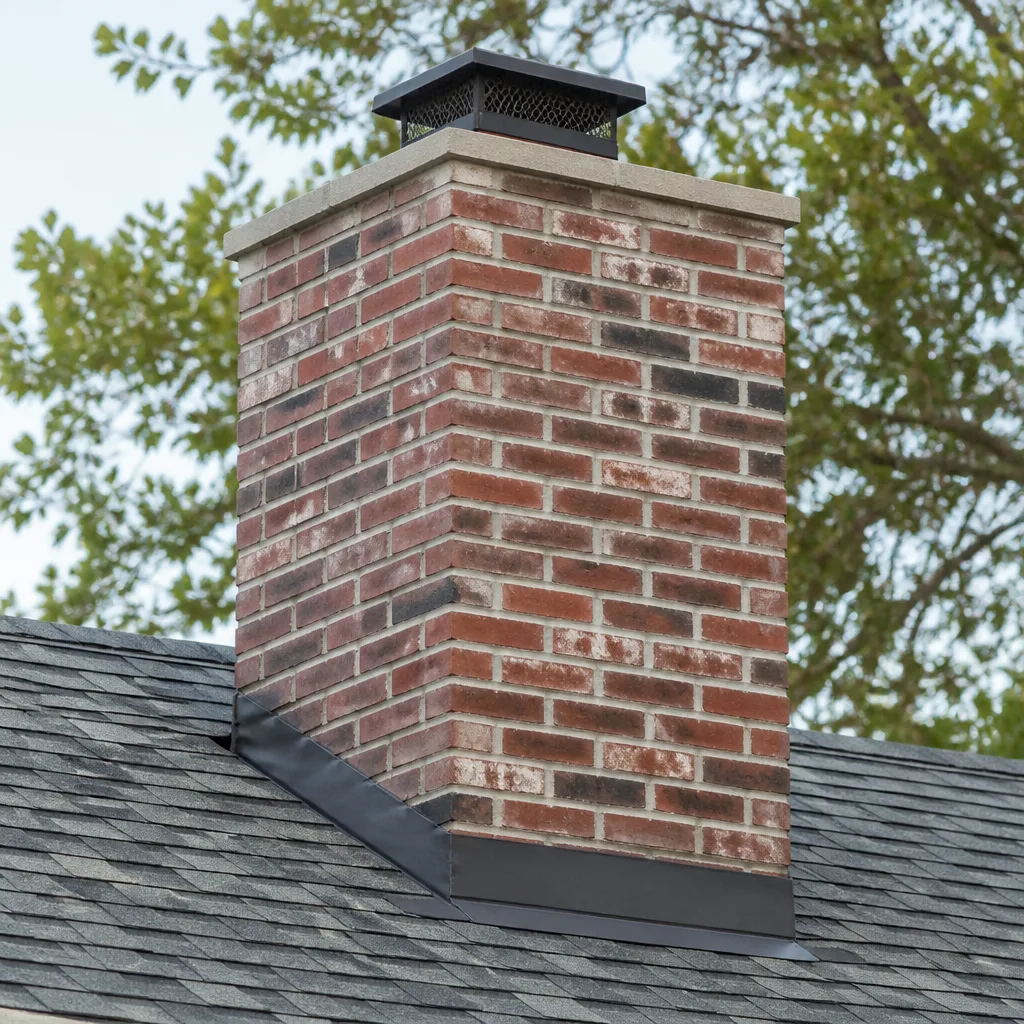 Masonry repair
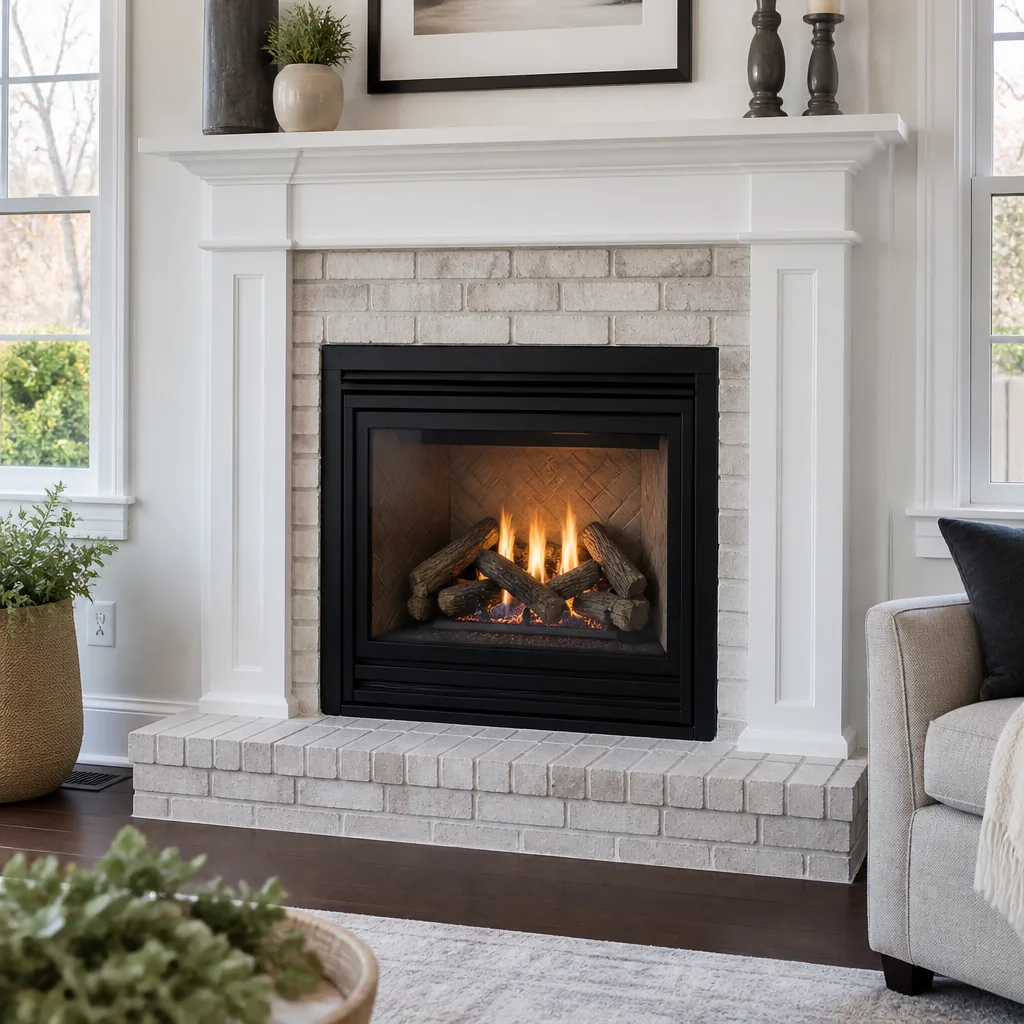 Gas fireplace service
Level 1 sweep and inspection to the NFPA 211 annual standard - flue, crown, cap, and flashing checked and photographed
Chimney sweep logs do not sweep chimneys. They loosen some creosote - which then falls where a brush and vacuum still have to collect it.
Chimney Cleaning Cost Breakdown: The Miami Gardens Homeowner’s Reference for 2026
The $89 chimney cleaning offer in your mailbox isn’t a deal. It’s a business model. In most cases, that price is a loss-leader meant to get a technician into your home, where the real revenue comes from repairs you may or may not need. The number on the mailer tells you almost nothing about what happens when the truck pulls up. What matters is what the price includes: is there a camera inspection, a written report, a documented sweep, and a technician who can explain what they found? This guide breaks down the actual cost components of a legitimate chimney service in Miami Gardens so you can compare quotes on substance instead of a single number.
Quick Answer
Chimney cleaning in Miami Gardens typically runs about $150 to $300 for a standard sweep with a basic inspection, while a full camera inspection with a written report runs higher. The wide spread you’ll see quoted comes from what’s bundled in: sweep-only, sweep plus a Level 1 inspection, or a full Level 2 camera inspection. Any quote you get should come with a written scope of work, and the written estimate sets the final price.
Styles & brands we work with
- Sweep & inspection
- Caps & crowns
- Flue relining
- Masonry repair
- Gas fireplace service
Table of Contents
- What actually drives the price of a chimney cleaning
- The three service tiers you’ll see quoted in Miami Gardens
- Why chimney cleaning costs in South Florida differ from national averages
- How to compare two quotes for the same stated service
- Breaking down the cost components of a rigorous sweep
- The cost math of deferred maintenance
- What changes the number on your estimate
- When to call a professional one
What actually drives the price of a chimney cleaning?
A fair chimney cleaning price reflects four things: labor time, inspection equipment, disposal, and documentation. If a quote is lower than that math allows, something is missing. Nine times out of ten, what’s missing is the inspection.
A proper sweep is not a quick brush-and-go. The technician has to set up drop cloths, protect the firebox and hearth, run the correct brush for your flue type, vacuum the system with a HEPA unit so no creosote or soot goes airborne in your living room, and then look at what came out and what’s left behind. That labor takes time, and time is the largest piece of the cost.
Then there’s the equipment. Camera systems used in a Level 2 inspection don’t operate for free. Neither do the specialty brushes, the vacuum filters, or the disposable protective gear. A company using a consumer-grade shop vac and a hand brush is not doing the same job as one using inspection-grade equipment, and the price difference reflects that.
Disposal is a real cost, though it’s the smallest line item. Creosote and soot have to be removed from your property and disposed of properly. Documentation is the last piece, and it’s the one homeowners undervalue most. A written report that states what was found, what condition the flue is in, and what (if anything) needs attention is the only proof you have of the work. Without it, you’re trusting a verbal summary.
In our experience, the quotes that come in dramatically below the Miami Gardens market are the ones that skip the camera, skip the written report, or skip both. That’s not a bargain. That’s a different service.
The three service tiers you’ll see quoted in Miami Gardens
Most chimney companies in Miami Gardens offer their work in three broad tiers. Knowing which tier a quote covers is the single fastest way to compare two numbers side by side.
- Tier 1: Sweep-only. The chimney is brushed and vacuumed, debris is removed, and that’s it. No inspection report, no camera, no written findings. This is the cheapest tier and the one most often advertised as a headline price. It answers the question “is the chimney clean?” but not the question “is the chimney safe?”
- Tier 2: Sweep plus a Level 1 inspection. The chimney is cleaned, and then the technician performs a visual inspection of the accessible portions of the system: firebox, damper, smoke chamber, flue from the top and bottom, cap, and visible exterior. A written summary of findings is included. This is the standard annual service for a homeowner with a wood-burning fireplace who uses it regularly.
- Tier 3: Sweep plus a Level 2 inspection with camera. Everything in Tier 2, plus a video camera run through the flue to check for cracks, gaps, offset tiles, and liner damage that can’t be seen with the naked eye. A Level 2 inspection is required when a home changes hands, after a chimney fire, after a major event affecting the system, or when switching fuel types. It’s also the tier that catches the small liner defects that become large liner repairs.
The reason tier comparison matters so much in Miami Gardens is that most headline prices you’ll see quoted around town are Tier 1. A homeowner comparing a Tier 1 quote to a Tier 3 quote will see a dramatic difference and assume one company is gouging. Usually, the two companies are selling two different services.
A proper chimney sweep should include a clear statement of which tier is being performed. If a quote doesn’t say, ask before you book.
Why chimney cleaning costs in South Florida differ from national averages
Miami Gardens chimney work doesn’t price like chimney work in New England, and there are a few concrete reasons why. Some of them cut the cost. Others raise it.
Demand is seasonal, but not in the usual way. Nationally, chimney sweeps are busiest in fall as homeowners prepare for a long heating season. In Miami Gardens, wood-burning fireplaces see less use across a calendar year, but the homes that use them often use them in concentrated stretches when a cold front rolls through. That creates booking clusters. A sweep booked well ahead of the first cool snap is usually easier to schedule than one booked the week cold air arrives.
Access complexity varies widely by neighborhood. Miami Gardens has a mix of housing styles, from single-story ranch homes to two-story properties and older construction with masonry chimneys that were built to a different set of assumptions than newer prefab systems. A masonry chimney with a proper crown and cap is a straightforward sweep. A prefab fireplace with a factory-built flue, or a chimney with a steep roof pitch or an awkward roof access point, adds labor time. That’s a real cost difference and it’s why a quote that didn’t include an address is a quote that could change on arrival.
Local humidity plays a role. South Florida’s humid air affects chimney components differently than dry climates. Caps, dampers, and vent covers see more wear, and flashing around the chimney at the roofline needs periodic attention. That’s not a pricing statement about chimney cleaning itself, but it does affect what a technician finds and what repair conversations follow. A chimney that hasn’t been capped properly deteriorates faster here than it would in a dry climate, and the sweep is often where that gets caught.
Local market pricing runs below the national urban average but not dramatically so. You’ll see Miami Gardens quotes clustered in the ranges described above rather than the higher price tags common in northern metro areas, in part because the demand volume per year is lower. That’s a genuine advantage for local homeowners, but it also means the low-end outlier quotes stand out more starkly than they would elsewhere.
If you’re comparing local quotes to national figures you find online, don’t. Use the Miami Gardens ranges as your baseline and compare services, not prices against a national chart.
How to compare two quotes for the same stated service
Two quotes for “chimney cleaning” can describe entirely different scopes of work. The only way to compare them fairly is to get the scope in writing. Here’s the process that works:
- Ask for a written scope of work before you agree to anything. The scope should state what will be done, what equipment will be used (camera, HEPA vacuum, brushes matched to flue type), and what documentation you’ll receive at the end. If a company can’t or won’t put that in writing before the visit, that’s your answer about how the visit will go.
- Confirm which inspection level is included. Ask directly: “Is this a sweep-only, a Level 1, or a Level 2 with camera?” If the answer is vague, ask again. “Level 2 with camera inspection and a written report included” is a specific, verifiable claim. “Full inspection” is not.
- Ask what happens if the inspection finds a problem. A company that only sweeps will hand you off to a separate contractor. A company that also repairs keeps the diagnosis and the repair under one roof. That continuity matters because the person who found the issue is the person who understands it.
- Ask whether the estimate is free and whether the written estimate sets the final price. A legitimate shop will tell you plainly that the estimate is written, the price is agreed before the work begins, and no surprise charges get added afterward.
- Compare the two scopes line by line, not the two bottom-line numbers. If quote A includes a camera inspection and a written report and quote B doesn’t, quote A is not more expensive for the same service. It’s more expensive for a bigger service.
In our experience, the homeowners who end up dissatisfied are almost never the ones who paid the middle of the range. They’re the ones who paid the lowest number and then found out afterward that the inspection they thought they were getting wasn’t part of the deal. The written scope of work protects you from that, and it costs nothing to ask for.
The other comparison point worth asking about: whether the company is licensed and insured, and whether it holds the credentials and product authorizations to actually do repair work if something turns up. A sweep-only generalist can clean your chimney but can’t fix what they find. A chimney repair specialist can do both.
Breaking down the cost components of a rigorous sweep
Understanding where the money goes makes you a better judge of a quote. Here’s how a rigorous chimney service breaks down by component:
- Labor time. The largest single component. Includes setup, protection of your hearth and floor, the sweep itself, vacuuming, and cleanup. More labor time means more thorough work, usually. A company that’s in and out in fifteen minutes wasn’t spending it on your chimney.
- Inspection equipment. Camera systems, HEPA vacuums, specialty brushes cut for masonry versus prefab flue, and disposable protective gear all carry operating cost. That cost has to be in the price or the equipment isn’t being used.
- Disposal. Soot and creosote have to leave the property. Modest cost, but real.
- Documentation. The written report and any photos from the camera. This is what you keep afterward. It’s also what makes it possible to have an insurance-relevant conversation if a problem arises later. If a company doesn’t offer a report, they’re not doing the level of work the price tier suggests.
- Diagnostic follow-through. A technician who can spot a deteriorating liner and accurately describe what was found, and what it will take to correct, is worth more than one who can only state that the chimney “looks fine.” That’s where our HeatShield liner restoration training matters. It’s the difference between “your liner needs replacing” and “your liner has localized deterioration that HeatShield can restore without a full liner replacement.”
When you look at a low quote, run it against those five lines. If the number doesn’t reconcile with the work, the work is being cut somewhere. Sometimes it’s the disposal. Usually it’s the inspection and documentation.
The cost math of deferred maintenance
The economics of chimney care come down to a comparison most homeowners never run until it’s too late. A regular annual sweep and Level 1 inspection costs less than a tenth of what a liner replacement can run. When a sweep catches a liner problem early, HeatShield restoration can address localized flue deterioration without going to full liner replacement. When the problem goes undetected for years, the options narrow.
Here’s the practical version of the math:
- Routine annual sweep and Level 1 inspection: about $150 to $300, the same range as the standard cleaning.
- HeatShield liner restoration for localized flue deterioration, when caught early: a meaningfully lower cost than a full liner replacement, though the specific price depends entirely on the extent of the damage and gets set by the written estimate.
- Full liner replacement with a DuraFlex flexible liner when the flue damage has gone too far: the highest of the three, and the one most likely to be avoided with regular cleaning and inspection.
We’re not going to pretend a chimney sweep catches every problem before it develops. It doesn’t. But the difference between catching a localized liner defect and missing it for a few years is the difference between a small restoration and a full rebuild of the flue. The sweep is the inspection window. Skipping it closes the window.
A chimney is a system, and the sweep is the annual service call that keeps the whole system in view. Treat it that way and the cost conversation becomes much simpler over time.
What changes the number on your estimate
Two houses on the same street can get different quotes for reasons that have nothing to do with the company being unfair. Here’s what actually moves the number:
- Chimney type and flue configuration. A masonry chimney with a straight, accessible flue is the simplest case. A prefab fireplace with a factory-built flue, an offset in the flue path, or a flue that requires a top-down and bottom-up sweep all add labor time.
- Roof access and pitch. A steep roof, a chimney set far from the ridge, or a roof with awkward access changes how long the job takes. This is a real cost variable, not an upsell.
- Debris load. A chimney that hasn’t been swept in years has more creosote and soot to remove, which means more vacuum cycles, more disposal, and more time. Annual maintenance keeps this number in the standard range.
- What the inspection finds. If the camera reveals a cracked flue tile, a compromised cap, or a damper that no longer seals, the repair discussion follows. That work is priced separately, in a separate written estimate, and you decide whether to proceed.
- Add-on components. A cap that needs replacement, a damper that needs correcting, or a vent cover that’s come loose are all straightforward fixes when the right parts are on hand. We work with components from Gelco and Famco so that caps, dampers, and vent covers get fitted correctly instead of substituted with generic hardware that doesn’t match the system.
The important principle: nothing gets added to your bill without a written estimate you’ve agreed to. The inspection informs the repair conversation, but it doesn’t force one. If something can wait, we’ll say so. If it can’t, we’ll tell you what we found, show you the camera evidence, and let you decide.
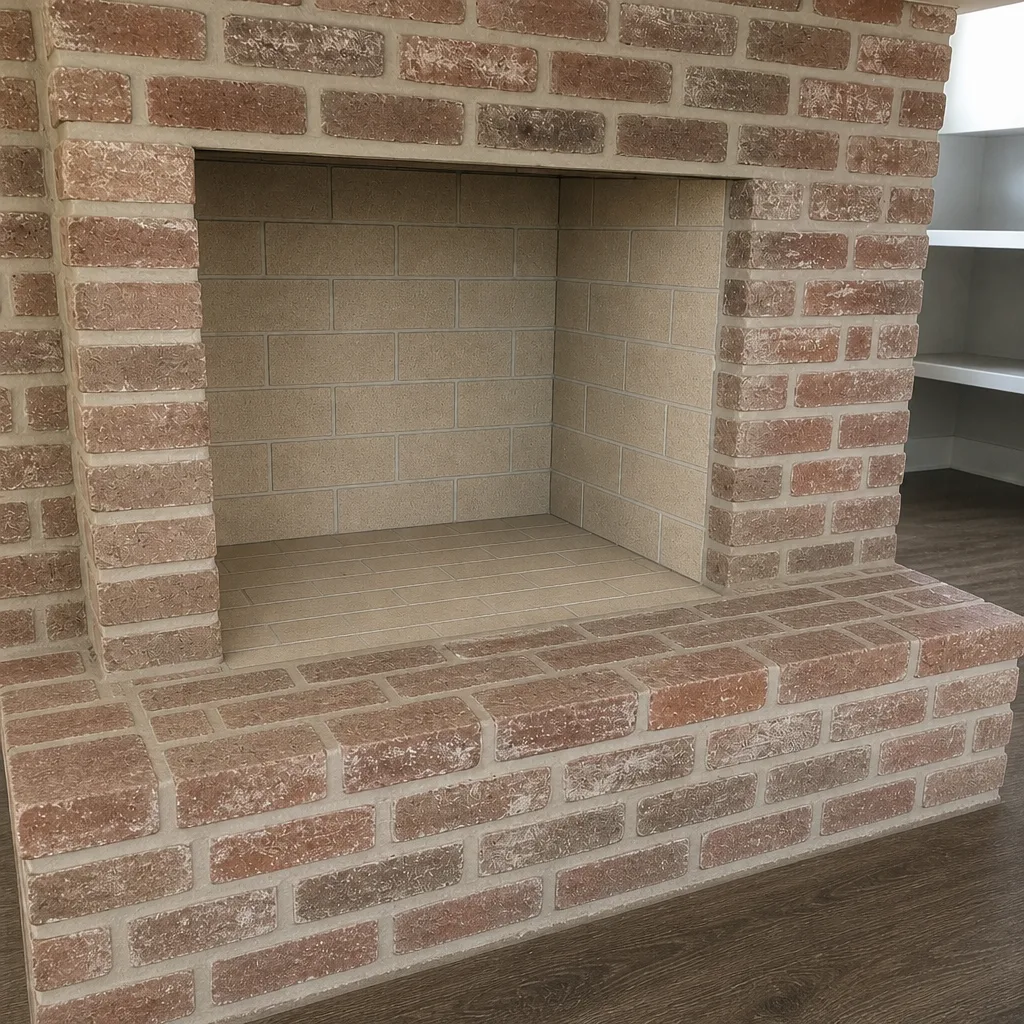
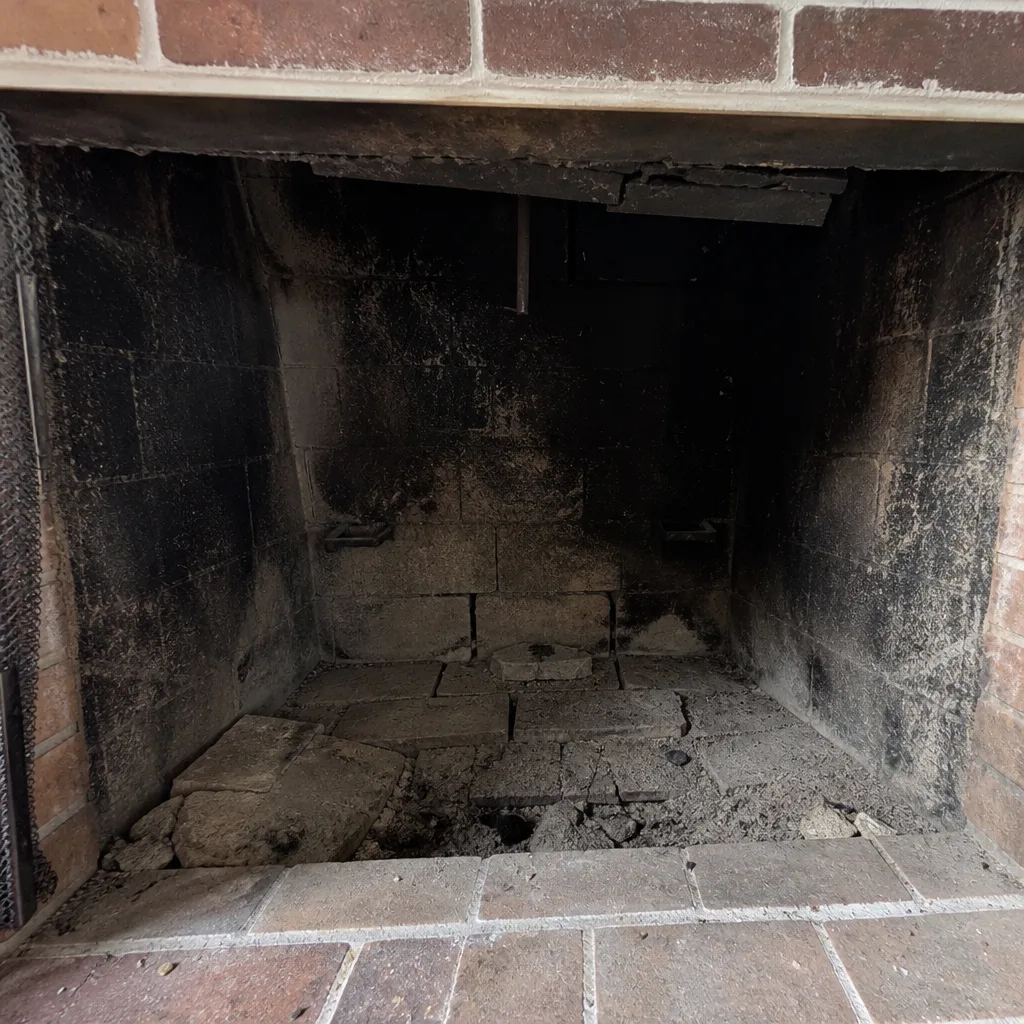
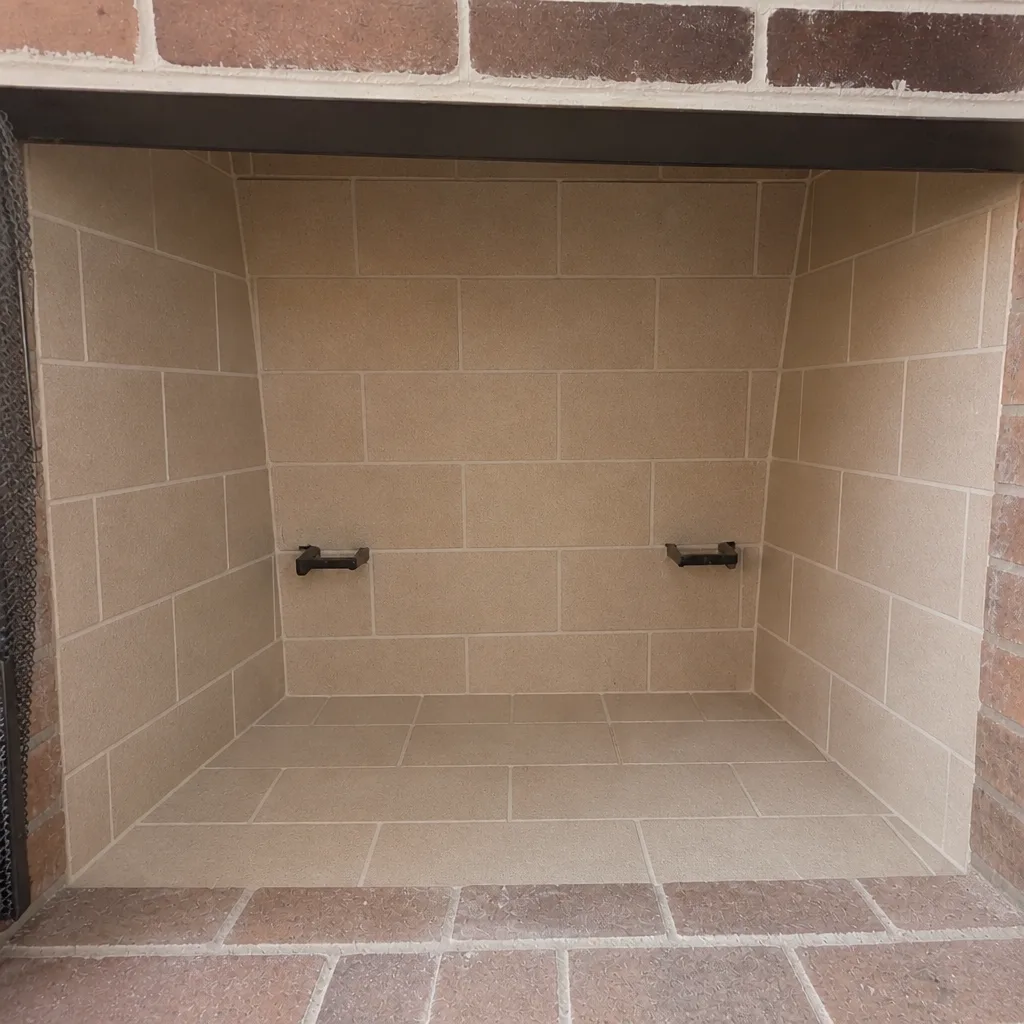
See the difference
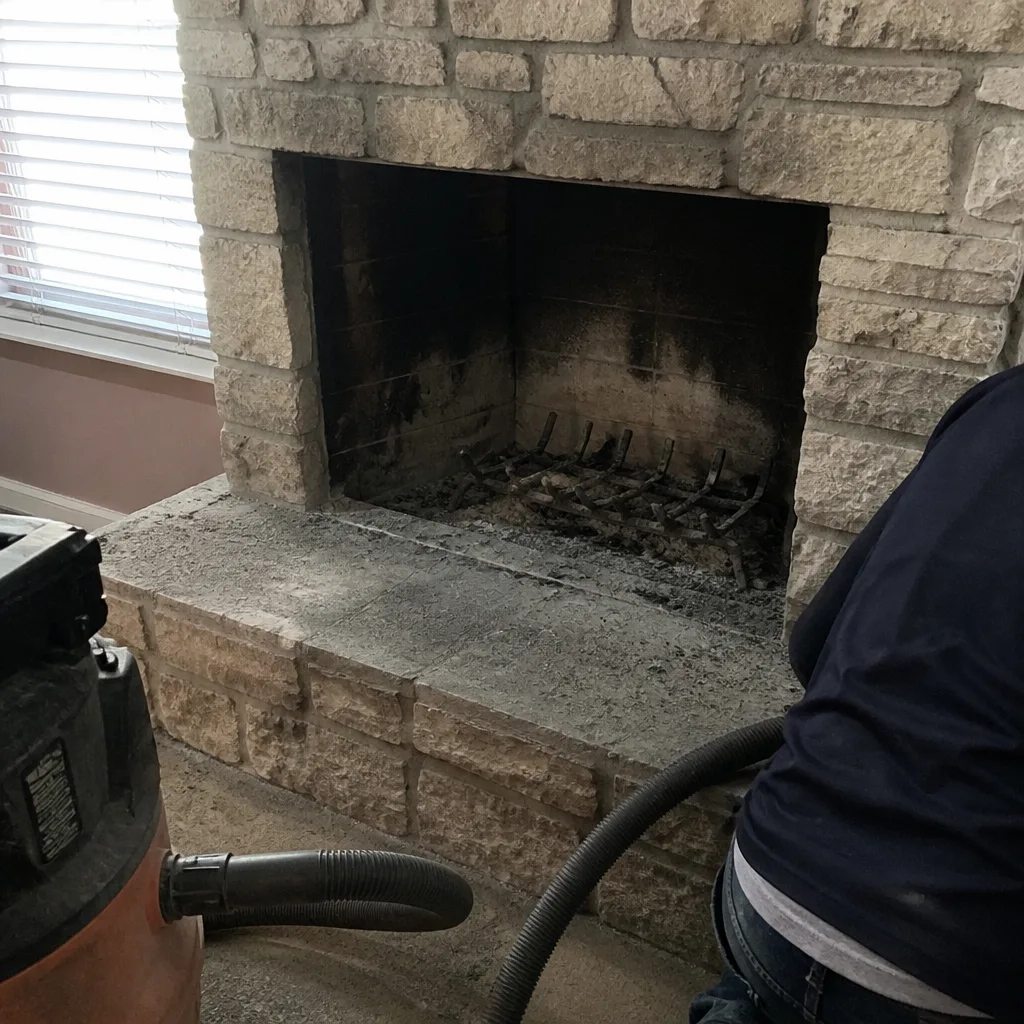 Before
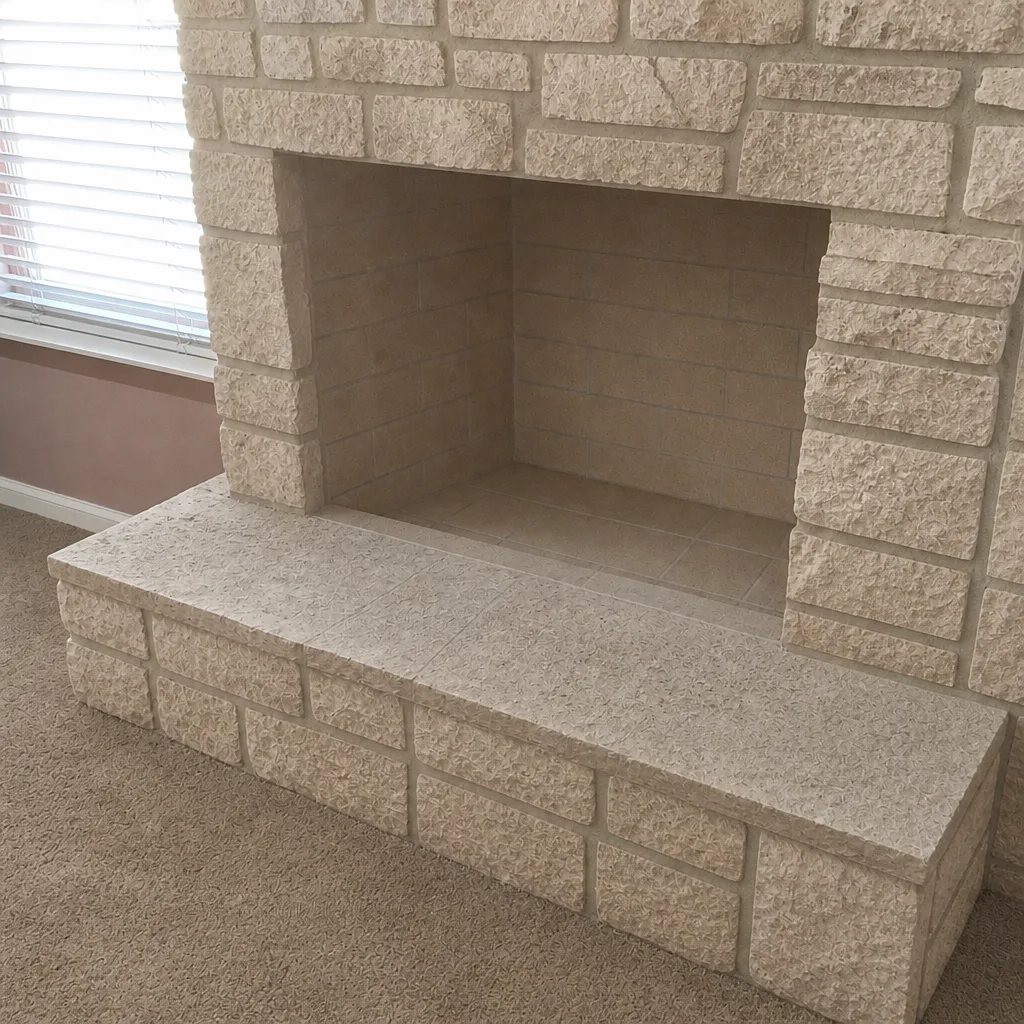 After
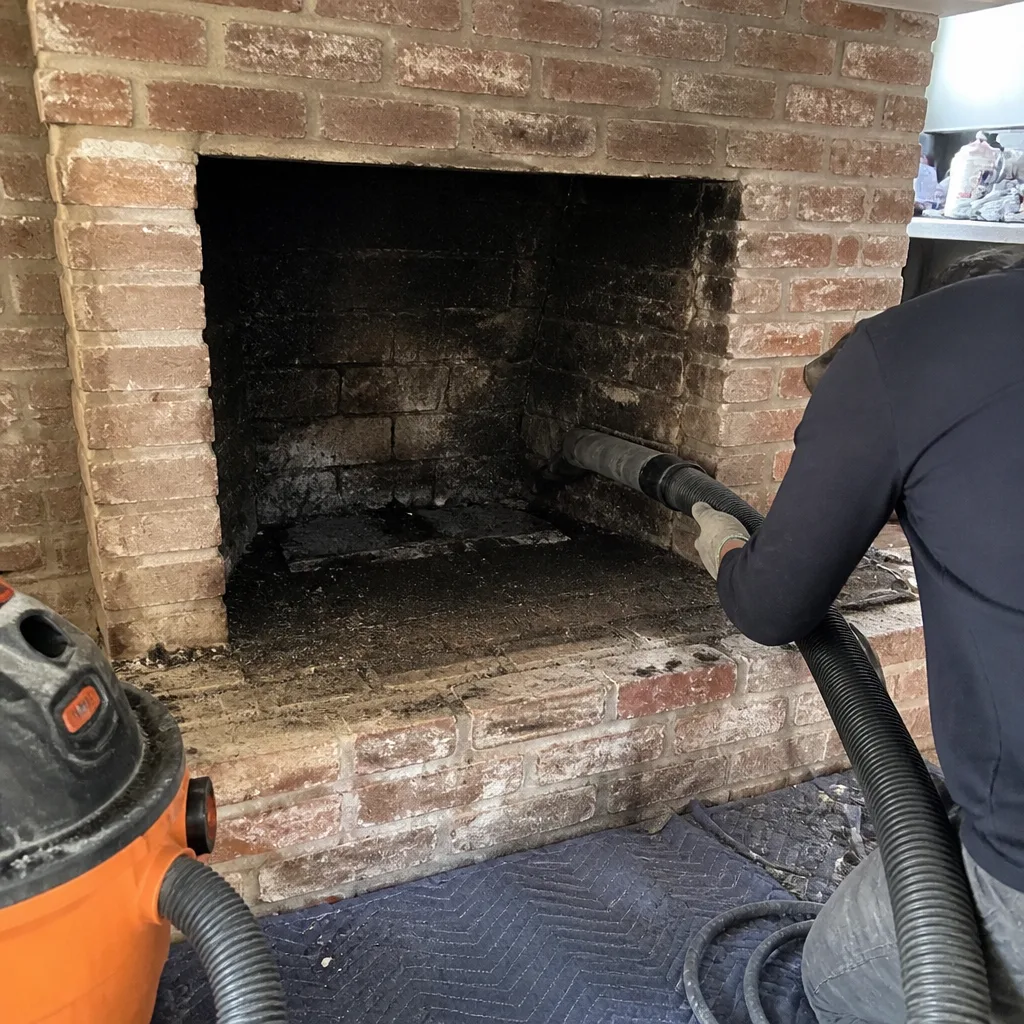 Before
 After
 Before
 After
Common Mistakes to Avoid
- Booking on price alone. The headline price is not a comparison point unless you know what’s included in it. A $99 sweep and a $250 sweep are not the same service, and the $250 figure usually includes the inspection that answers the only question that matters: is your chimney safe?
- Assuming a visual glance counts as an inspection. A chimney is a flue you can’t see into without a camera. If the technician never runs a camera through the system, you’ve gotten a cleaning and not an inspection, and any problems below the visible level went unidentified.
- Skipping the sweep because the chimney “seems fine.” A fireplace that drafts well and burns clean can still be accumulating creosote in the flue. The problem that matters most, a chimney fire risk from built-up creosote, doesn’t announce itself with a smell. The sweep is how it gets caught.
- Letting a non-specialist perform the work. A handyman with a brush can brush a flue. What a handyman can’t do is accurately diagnose liner deterioration, apply HeatShield restoration, or install a DuraFlex flexible liner when one is needed. Miami Gardens homes deserve a chimney specialist doing chimney work.
- Accepting a repair recommendation without seeing the evidence. Any recommendation should come with camera footage or photos you can look at. If a technician tells you the liner is failing but won’t show you, ask to see it. A legitimate firm will show you the finding without hesitation.
- Skipping the written report. A verbal summary of the inspection is worth what you paid for it a year later when you can’t remember what was said. The written report is the record. Ask for it.
- Waiting until cold air is here. Booking a sweep when the first cool snap arrives means waiting in line. Scheduling a chimney cleaning ahead of the season gives you a real appointment and puts the shop in a position to do careful work instead of rushing through a backlog.
When to Call a Professional
Some chimney situations are fine to think about for a while. Others need a call now. If you smell a strong creosote odor even when the fireplace isn’t in use, if smoke backs into the room when you light a fire, if you see stains on the chimney exterior or the ceiling near the chimney, or if the damper no longer opens and closes smoothly, those are reasons to book a sweep and inspection. The same is true after any chimney fire, even one that was small and went out on its own, and after a major storm that may have affected the cap or flashing. Home buyers and sellers should arrange a Level 2 inspection with camera before closing so a credible report is on record.
Anchor Chimney Sweep offers free estimates in Miami Gardens. Call (844) 560-6429. We answer 24/7. Fast dispatch from 7am to 7pm, Sunday through Friday.
Frequently Asked Questions
A chimney sweep in Miami Gardens typically runs about $150 to $300 for a standard sweep with a basic inspection, and a full Level 2 camera inspection with a written report runs higher. The spread reflects what’s included, not just the cleaning itself. Call (844) 560-6429 for an exact quote. Estimates are free.
You need a new liner only if the camera inspection shows the existing flue is compromised beyond what restoration can address. In many cases, localized liner deterioration can be corrected with HeatShield liner restoration instead of full replacement, and a qualified technician should show you the camera evidence before recommending either. Ask to see what they found. Call (844) 560-6429 for an inspection and a written recommendation.
Most wood-burning fireplaces should be swept and inspected annually, or more often if you burn frequently. The exact interval depends on how much you use the fireplace and how well the wood burns. A quick visual check of the firebox before booking helps, but the real answer comes from the inspection. Call (844) 560-6429 to schedule a sweep and get a specific answer for your home.
Creosote builds up in the flue over time, and that buildup is the fuel for a chimney fire. Skip enough years and the liner itself can deteriorate without anyone noticing, turning a small repair into a full replacement. Skipping it isn’t a neutral decision, but a proper inspection will tell you exactly where you stand today. Call (844) 560-6429 for a sweep and inspection. Estimates are free.
One company should handle the sweep, the inspection, and any repair that follows. That’s how Anchor Chimney Sweep operates: we clean, inspect, and repair under one roof so the person who found the issue is the person who fixes it. No handoff to a separate contractor. Call (844) 560-6429 to book the sweep and the inspection together.
South Florida chimney work runs on a different demand curve than northern markets because wood-burning fireplaces see less use across a calendar year, and the local market pricing reflects that. Accounting for roof access, chimney type, and inspection level, Miami Gardens quotes usually cluster in the $150 to $300 range for a standard sweep with basic inspection. The best way to compare is scope of work, not the number alone. Call (844) 560-6429 for a free written estimate.
The Bottom Line
The price on a chimney cleaning quote means very little on its own. What matters is what the quote covers: a proper sweep, a written inspection report, camera equipment if the work calls for it, and a company that can repair what the inspection finds without handing you off to someone else. In Miami Gardens, the standard annual sweep and Level 1 inspection runs about $150 to $300, and the full Level 2 camera inspection runs higher. Compare quotes on scope, ask for a written scope of work, and ask to see the camera evidence behind any repair recommendation. That’s how you sort a fair price from a loss-leader, and it’s how you protect the whole chimney system instead of just the firebox. Anchor holds, and so does our work.
Ready to book a sweep and inspection? Contact Anchor Chimney Sweep for a free estimate and a written scope of work. Call (844) 560-6429. We answer 24/7. Fast dispatch from 7am to 7pm, Sunday through Friday.
If you’re new to the area, our Miami Gardens service overview walks through how a sweep, an inspection, and a repair fit together as one service call. We also work with chimney repair and chimney sweep requests across the area. Our technicians have up to 8 years of experience, and we work with products from DuraFlex, HeatShield, Gelco, Olympia Chimney, Famco, and Copperfield.
Written by the team at Anchor Chimney Sweep.