
Last updated November 16, 2026
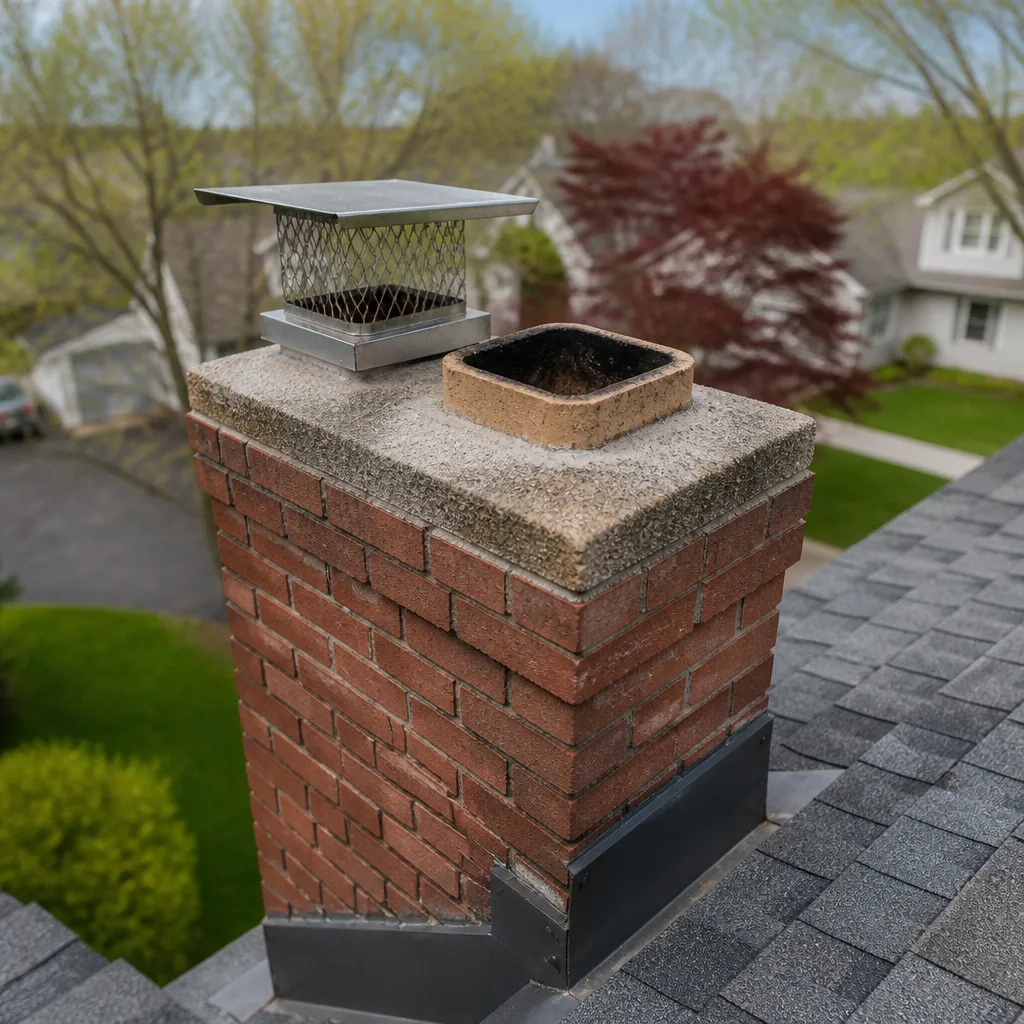 Sweep & inspection
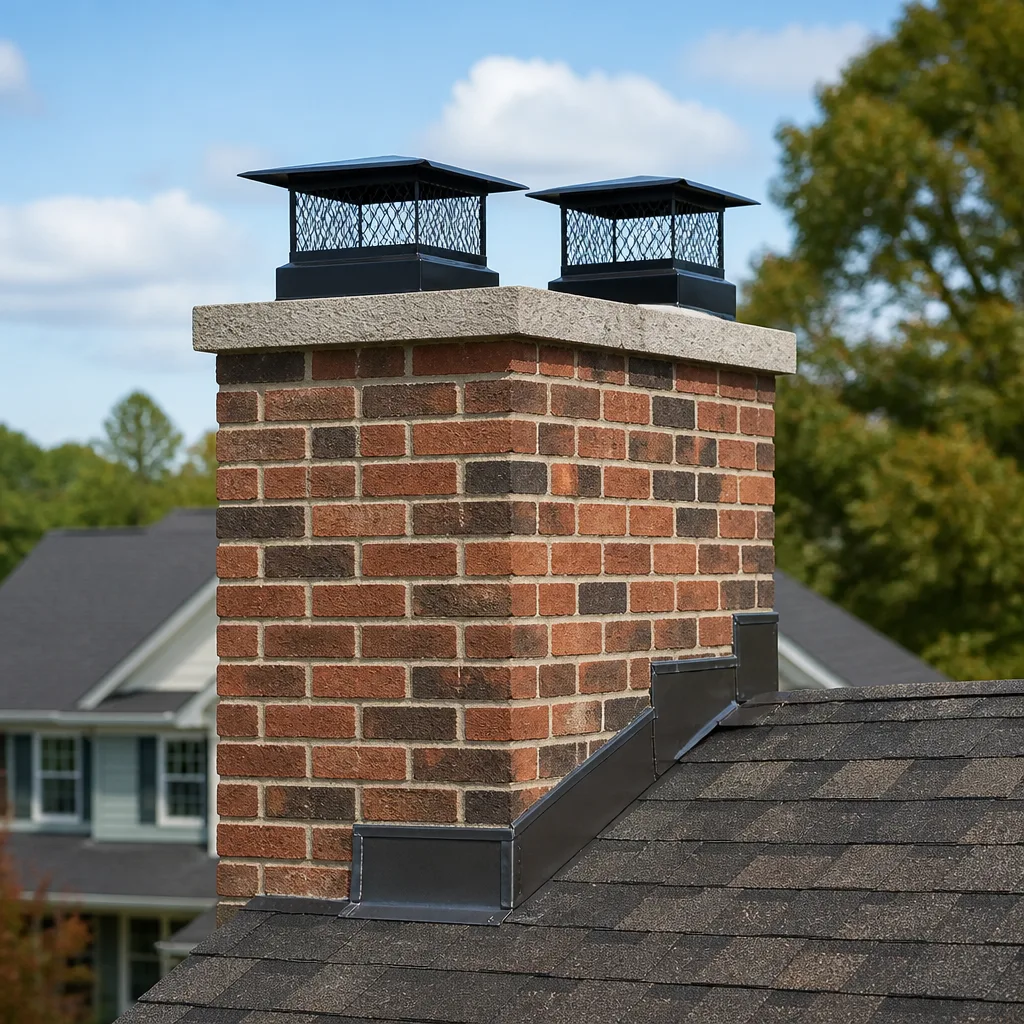 Caps & crowns
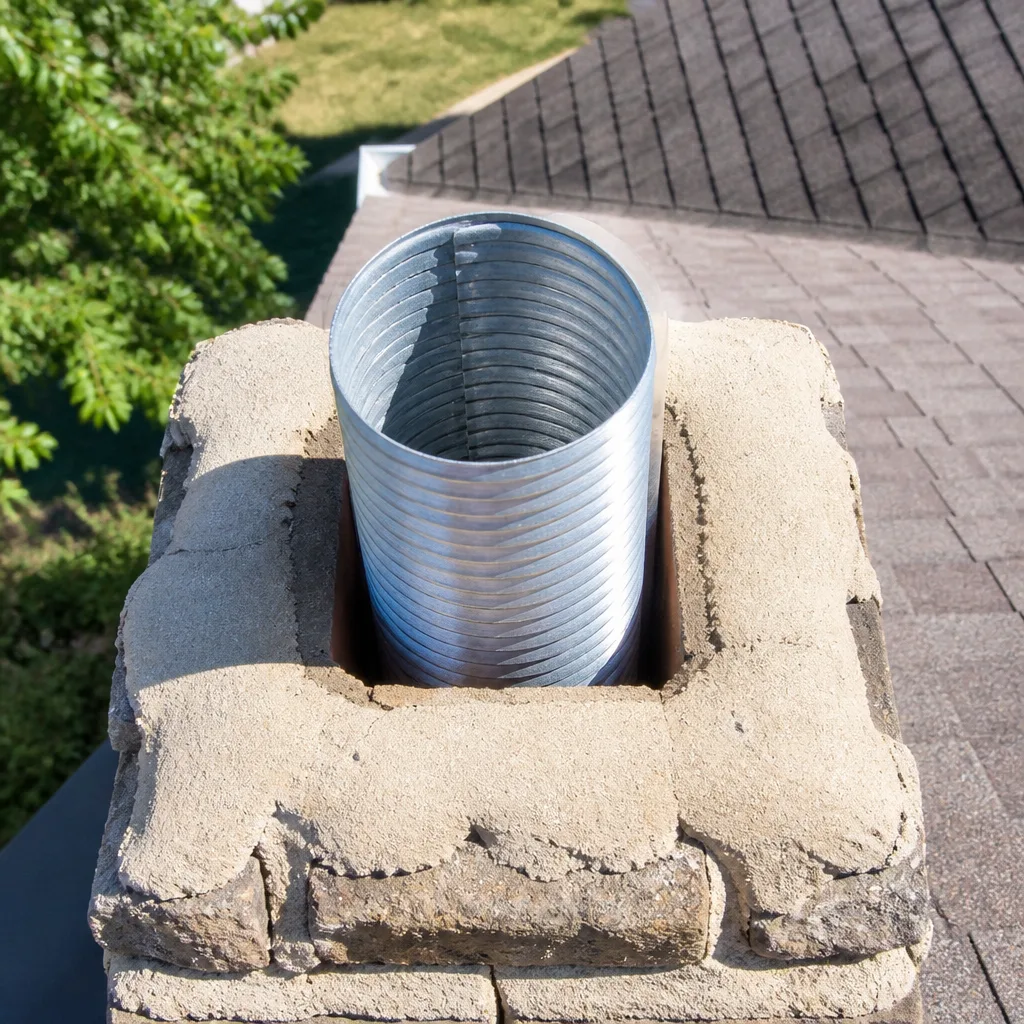 Flue relining
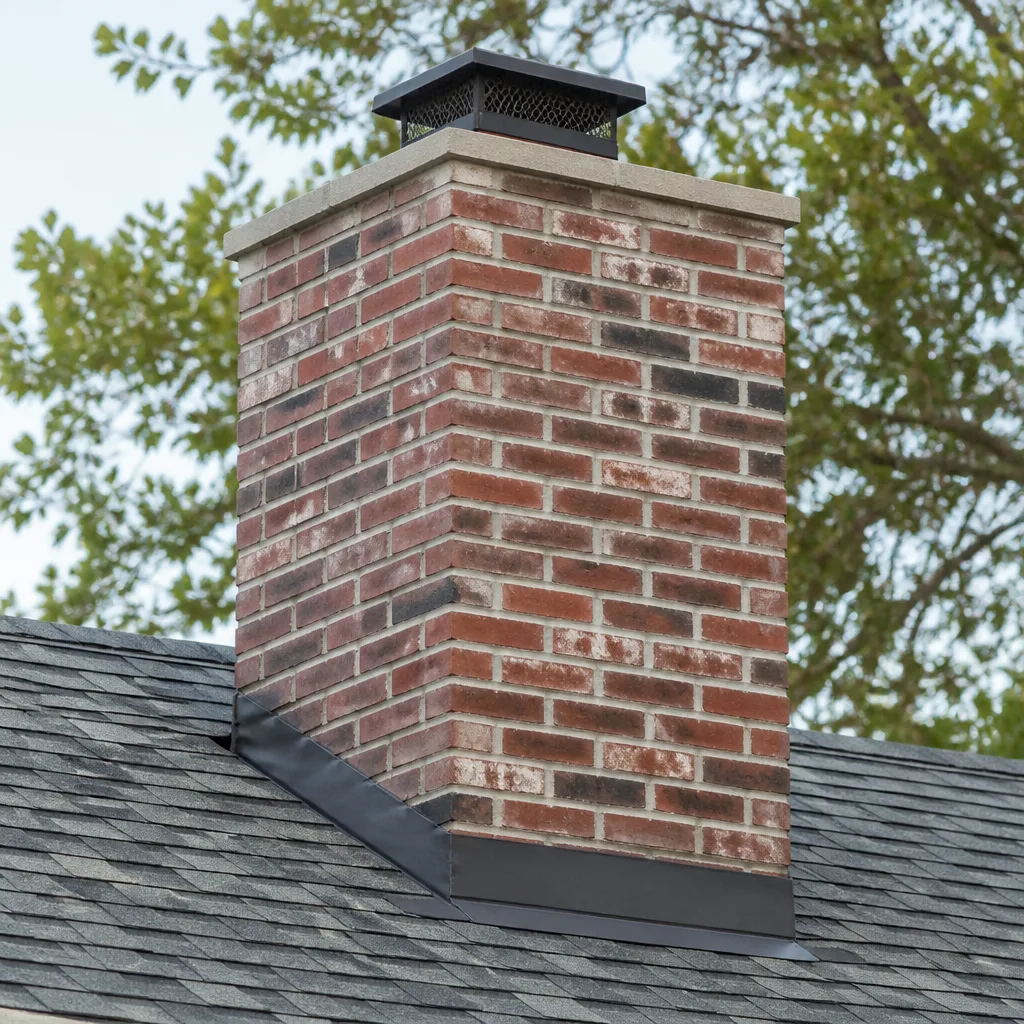 Masonry repair
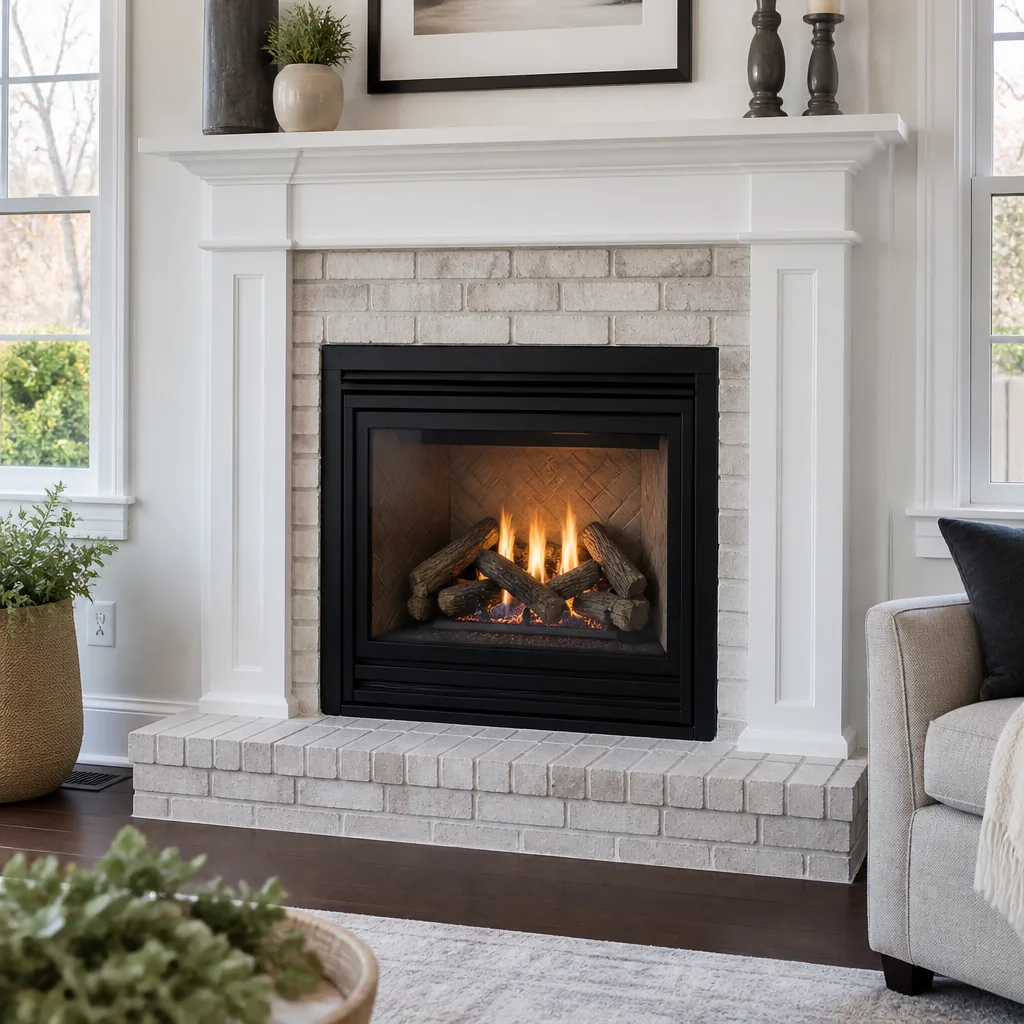 Gas fireplace service
Level 1 sweep and inspection to the NFPA 211 annual standard - flue, crown, cap, and flashing checked and photographed
Chimney sweep logs do not sweep chimneys. They loosen some creosote - which then falls where a brush and vacuum still have to collect it.
How to Hire a Chimney Cleaning Contractor in Miami Gardens: A Step-by-Step Guide
Most homeowners assume the hard part of chimney care is finding someone with a brush and a certification sticker. It isn’t. The harder truth is that chimney work has almost no barrier to entry. Anyone with a van and a website can print “chimney sweep” on a card, and the credential many people treat as proof of expertise can be earned by just about anyone who will sit down and study for a weekend. We’ve watched the trust in this trade land on a paper certificate rather than on what actually happens inside your flue.
This guide gives Miami Gardens homeowners a structured hiring process. By the end, you’ll know the exact questions that separate a real chimney professional from a credential-holder, how to read an estimate, and what red flags matter most in this market.
Styles & brands we work with
- Sweep & inspection
- Caps & crowns
- Flue relining
- Masonry repair
- Gas fireplace service
Quick Answer
Hire a chimney cleaning contractor in Miami Gardens by verifying licensing and insurance in writing, asking three screening questions about scope, documentation, and diagnostic tools, and demanding a written estimate that itemizes the work before anyone walks onto your roof. The strongest filter isn’t the certificate on the van. It’s whether the contractor can carry a diagnosis through to a finished repair without handing you off to someone else.
Table of Contents
- Why a Chimney Credential Isn’t Proof of Expertise
- The Three Questions That Should Decide the Hire
- Understanding Florida Licensing for Chimney Work
- Sweeps Who Can’t Finish the Job vs. Contractors Who Can
- How to Read a Chimney Estimate
- Red Flags Specific to the Miami Gardens Market
- Step-by-Step: Verifying a Contractor Before Booking
- Does the Contractor Know the Components?
- Common Mistakes to Avoid
- When to Call a Professional
- Frequently Asked Questions
- The Bottom Line
Why a Chimney Credential Isn’t Proof of Expertise
A chimney certification is a starting point. It’s not the finish line. A weekend of study and a nominal entry cost will get almost anyone through the door of the trade, which means the bar most homeowners use to hire may be lower than they assume. What a certification signals is that someone cared enough to take a test. What it does not signal is whether they’ve actually diagnosed a partially failed flue liner, know the difference between a masonry chimney and a prefab insert, or can tell you what a hairline crack looks like before it becomes carbon monoxide trouble.
In our experience, the homeowners who end up frustrated three months later are the ones who treated a logo as a substitute for a conversation. They never asked what the technician would do if the sweep turned up something alarming. They never asked for pictures. The good news is that asking questions costs nothing, and a qualified professional welcomes them.
When you vet a contractor for chimney sweep work in Miami Gardens, keep this in mind: the credential is table stakes. The differentiator is whether the technician can explain, in plain English, what goes wrong inside a chimney in a subtropical climate and how they diagnose it.
Subtropical humidity matters here. Homes in Miami Gardens run fireplaces less than northern properties do, but when a wood-burning fireplace sits idle through a humid stretch, creosote can harden and moisture can work on masonry joints. A technician who has never looked at a Miami Gardens flue should be curious about that. One who talks about “typical northern wear” without asking about your usage pattern is applying a template, not doing a diagnosis.
The Three Questions That Should Decide the Hire
Before you book anyone, ask these three questions. The answers tell you more than any credential, review, or website will.
- “What tools do you use to inspect, and will I see what you see?” A contractor who relies only on a flashlight and a phone camera from below is guessing. Ask specifically about camera inspection and whether you’ll receive a photo report. If the answer is vague, that’s your answer.
- “If you find a cracked or deteriorated liner, who does the repair?” If the answer is “we’ll refer you to someone,” you’ve just learned that you’re hiring a middleman. A real chimney specialist carries the sweep, the inspection, and the repair through the same company.
- “What’s your process for diagnosing damage, not just cleaning it?” This is the question that filters hardest. The technician should describe a sequence: visual exterior, camera flue inspection, checking the cap and damper, assessing creosote level, documenting findings. If they can’t lay it out step by step, they don’t have one.
Answers that should disqualify a contractor immediately:
- “We don’t need to get on the roof.”
- “You probably need a full new liner” before any inspection has occurred.
- “We’ll call you with pricing after the job.”
- “Insurance? We’ve never had a problem.”
- “We don’t do repairs, we just clean.”
That last one isn’t a red flag, exactly. It’s just a sign the contractor is a cleaner, not a chimney professional. There’s a difference, and the cost of confusing the two lands on you.
Understanding Florida Licensing for Chimney Work
Florida’s licensing requirements for chimney work are fragmented. Chimney repair touches masonry, roofing, and in some cases gas venting, and those fall under different trade licenses. A single “chimney license” that covers everything doesn’t exist. That’s why documentation matters more here than in states with tighter, more focused licensing.
Ask for three things, and ask for them in writing:
- State license or registration relevant to the scope of work being quoted. A masonry repair and a straightforward sweep fall under different requirements.
- Certificate of general liability insurance naming the contractor. Ask to see the actual certificate, not a verbal assurance.
- Workers’ compensation coverage if anyone will be on your roof besides the person you spoke to.
We don’t quote a specific number or license class, because we can’t verify every contractor’s standing for you, and neither can a website. What we can tell you is what “looking legitimate” versus “being legitimate” looks like. A contractor who can produce documentation on request has it because they’ve needed it before. A contractor who gets defensive about the request has it because nobody’s asked recently.
If you’re buying or selling a home in Miami Gardens and a chimney inspection is part of the transaction, ask the contractor whether their report is written, photographic, and detailed enough to hand to a real estate attorney. A verbal “looks fine” carries no weight in a closing.
Sweeps Who Can’t Finish the Job vs. Contractors Who Can
This is the fault line in the trade. A cleaner arrives, sweeps out the flue, hands you a receipt, and leaves. A chimney professional arrives, sweeps, inspects, and if something is wrong, walks you through the diagnosis and can carry the repair through to completion. There’s no handoff. No second contractor guessing at what the first one found.
Ask the contractor directly: “Do you carry repairs in-house, or do you subcontract?” Then ask a follow-up that’s harder to fake: “What restoration options do you offer for a failing flue liner?” If the answer is only “we install a new liner,” the contractor may not know about liner restoration systems such as HeatShield, which can extend the service life of a liner that hasn’t failed completely. If the answer is “we’ll figure it out,” you’re paying for improvisation.
Repair capability matters because it changes the entire diagnosis. A cleaner whose only income is sweeping will find a reason to sweep. A contractor who can also repair is incentivized to present the real condition of the flue, because the repair work is the more meaningful job. Our approach at Anchor Chimney Sweep has always been to close that loop: a chimney is a system, and we inspect, clean, and repair it as one.
In Miami Gardens, this matters most with older homes. A flue that’s been dormant for a few humid seasons, then put back into service, can show cracked mortar joints or a deteriorated liner cap. A sweep-only contractor cleans the creosote and moves on. A contractor who repairs notices the crack, shows you the photo, and recommends the fix before the next burn season.
How to Read a Chimney Estimate
A legitimate written estimate itemizes. A vague one hides an upsell. Here’s how to tell them apart.
What a legitimate estimate should include:
- The scope of work, line by line: sweep, camera inspection, cap inspection, damper check, flue assessment.
- Any recommended repairs, each priced separately, with the photographic or camera-based justification noted alongside.
- Materials named specifically, so you know whether the liner being quoted is a flexible stainless system, a cast-in-place restoration system, or something else.
- The name of the technician attending, or at minimum the company’s insurance and license documentation attached.
- A clear statement of what the final price depends on and whether it can change once work begins.
What should make you pause:
- “Chimney inspection – $X” with no described methodology. What is being inspected, and how?
- “Liner repair” as a single line item without photos of the actual damage.
- A quote delivered before anyone has been inside the flue.
- Line items that bundle inspection and repair so you can’t tell which you’re paying for.
- Any pressure to sign on the spot.
An estimate that can’t survive a night’s sleep is a sales pitch, not a quote. Ask for it in writing and take your time. The written estimate is the final price. Anything else is a guess.
Red Flags Specific to the Miami Gardens Market
Not every problem with chimney contractors is universal. Some are local. Miami Gardens sits in a part of the country where storm activity creates the conditions for a specific kind of exploitation, and homeowners here should know the pattern.
- Out-of-area crews after a storm. When a significant weather event moves through, contractors from other parts of the state or out of state arrive with trucks and a pitch. They aren’t necessarily dishonest, but they’re not accountable to local reputation either. Ask where the business is registered, not just where the truck is parked. A contractor who can’t answer local questions about the housing stock is a contractor who arrived this week.
- Door-to-door chimney offers. A chimney sweep who knocks on your door unbidden is almost always selling something other than a sweep. Legitimate chimney work is booked, inspected, and estimated. It starts with you calling them, not the reverse.
- Discount claims tied to storm damage. Chimneys don’t typically suffer hurricane damage the way roofs or gutters do. A contractor who claims a storm compromised your flue, without having inspected it, is inventing a problem.
- Pricing that isn’t written. A verbal “we’ll work with you” in a market recovering from a storm is not an estimate. It’s an invitation to inflate.
- Insurance evasiveness. Out-of-area operators are often operating with expired or absent coverage. Ask for the certificate. If they can’t produce it, end the conversation.
Our technicians have up to 8 years of experience working in conditions like these, and the pattern is consistent: the contractors who won’t document their work are the ones who won’t stand behind it. We answer 24/7. Fast dispatch from 7am to 7pm, Sunday through Friday. If you’re not sure about a contractor, call us and we’ll at least help you ask the right questions. chimney repair
Step-by-Step: Verifying a Contractor Before Booking
Here’s the process we recommend. It takes about fifteen minutes and saves you months of regret.
- Confirm they serve Miami Gardens and the surrounding area. Ask for the business address and confirm it against their paperwork. A local operation can answer questions about the homes and climate here.
- Request the insurance certificate. General liability is non-negotiable. If they plan to send more than one technician, ask for workers’ compensation too. Ask them to email the certificate, not describe it.
- Ask for their process, in order. Exterior inspection, interior flue camera inspection, cap and damper check, creosote assessment, written findings. Any contractor who skips the camera isn’t inspecting.
- Confirm they handle repairs. Ask specifically whether they can install a flexible stainless liner if necessary, and whether they offer liner restoration as an alternative to full replacement. If the answer is “we’ll refer you,” you’ve found a cleaner, not a chimney contractor.
- Request a written estimate. Itemized, with photographs attached if any repair is recommended. Take it home and read it. Call back with questions. A professional wants the second call.
- Check the paperwork against the quote. The insurance certificate should name the same company that’s quoted the work. Same for the license.
- Look up the business against local reputation. Ask neighbors. Read reviews carefully. A pattern of “found more than was quoted” is a red flag even if each individual complaint sounds minor.
If at any point a contractor becomes combative about these requests, you have your answer. Verification is not suspicion. It’s standard.
Does the Contractor Know the Components?
One of the simplest filters to apply during the hiring conversation is to ask what products the contractor works with. This is not about brand names as a snob test. It’s about whether they can source the right components for your specific chimney.
A chimney cap from a generic hardware shelf isn’t the same as a cap from a manufacturer that builds them for chimney systems. A damper is not interchangeable with any damper. When a contractor’s answer to “what cap will you install?” is “we use whatever’s on the truck,” they’re substituting hardware rather than fitting the system. We work with the same materials professional chimney contractors rely on nationwide, including Gelco and Famco for caps and vent covers, and Olympia Chimney for flexible liner systems. If a contractor you’re vetting can name the products they use and explain why those products fit your chimney, that’s a strong sign they’ve thought about it before.
Related to components: a chimney is a system that includes the flue, the cap, the damper, the crown, the flashing, and the firebox. A sweep who only thinks about creosote is skipping five parts of that system. If a contractor can walk you through all of them on the phone, that’s a technician worth having on your roof. Miami Gardens
Common Mistakes to Avoid
- Hiring on price alone. The cheapest quote is often the one that arrives with unstated extras because the initial scope was understated. Ask what’s included rather than what’s most expensive.
- Accepting a verbal estimate. A verbal estimate is worth nothing the moment the conversation ends. Insist on written and itemized, with the final price set by the estimate itself.
- Skipping the insurance request. Your homeowner policy may cover a chimney fire, but it won’t cover a technician falling off your roof when the contractor has no liability coverage. Ask for the certificate and read it.
- Believing a swept chimney is a safe chimney. Sweeping removes creosote. It doesn’t tell you whether the flue liner has cracked. Ask for the inspection and see the photos.
- Booking a sweep-only contractor for a repair job. In Miami Gardens, older homes often have flue issues a sweep won’t catch. Ask ahead of time whether the contractor can complete a liner repair if needed.
- Trusting a door-to-door offer. Chimney work is booked, not sold door-to-door. If someone knocks with a discount for a “chimney problem they noticed” on your roof, end the conversation.
- Assuming a certification is enough. The credential shows the contractor took the test. Ask what came after it. Ask what they’ve diagnosed and repaired. Ask for the documentation.
When to Call a Professional
Call a professional before you have a problem, not after. If your fireplace has been used through the last cool season, if you can’t remember the last inspection, if smoke backs up into the room when you light a fire, if you smell a strong odor near the firebox when the chimney is cold, or if you’re buying or selling a home in Miami Gardens with an active fireplace, you need a sweep-and-inspection booked. Each of those situations is a legitimate reason for a professional visit. A camera inspection is the only way to confirm what shape the flue is in, and it’s inexpensive compared to the cost of ignoring a cracked liner. Anchor Chimney Sweep offers free estimates in Miami Gardens. Call (844) 560-6429.
Frequently Asked Questions
Pricing in Miami Gardens is set per job by a written estimate, so no one can quote you an accurate number without knowing your flue, your usage pattern, and what the inspection turns up. What we can tell you is that the estimate is free, the price is set in writing before anyone goes onto your roof, and any repair recommendation should come with photographs you can review. Call (844) 560-6429 and we’ll talk through how the estimate works.
Not always. A full liner replacement is one option, but it isn’t the only one. In many cases where the liner is compromised but hasn’t failed completely, a restoration system like HeatShield can address the deterioration without tearing out and rebuilding the full flue. The right answer depends on what a camera inspection shows. A contractor who recommends a new liner without inspecting first is guessing, and the guess is expensive. Ask for the photos. A real contractor will show you the evidence and explain what the fix involves.
A chimney used for wood-burning should be swept and inspected whenever the creosote accumulation reaches a quarter-inch in thickness, and at minimum once per year when in seasonal use. In Miami Gardens, usage varies wildly by household because the burning season is short, so annual inspection is the more reliable rule than annual sweeping. Ask the technician to measure creosote during the inspection and report it.
Creosote accumulates, and when it does, the risk of a chimney fire rises. A cracked flue liner can let carbon monoxide into the home. Skip the inspection long enough, and what starts as a small repair can become a full liner rebuild or a fire in the flue. We’ve seen what a sweep-and-inspection prevents, and it’s cheaper than what we’ve seen follow a skipped one. Call (844) 560-6429 for a free estimate before the next cool season.
Ask for the actual certificate, not a verbal assurance. Statement of general liability coverage should name the contractor. Workers’ compensation coverage should be in place if more than one person will be on the roof. Florida’s licensing for chimney work is spread across masonry, roofing, and gas venting trades, so the right credential depends on what’s being done. Ask the contractor to confirm in writing which license covers the work in the estimate. If they can’t, don’t book.
You can, but verify twice as hard. Out-of-area crews that arrive after a storm aren’t accountable to local reputation, and they often lack current insurance documentation. Ask for the business address and the insurance certificate, and confirm the address matches the paperwork. Door-to-door chimney offers are almost always a sign to walk away. A legitimate contractor doesn’t need to knock on your door to sell a chimney repair.
The Bottom Line
The bar for hiring a chimney contractor in Miami Gardens should be higher than a credential and lower than a gut feeling. Ask the three screening questions. Ask for the insurance certificate. Ask what happens if the inspection turns up damage, and whether the same company carries the repair through. Demand a written, itemized estimate and photographs with any repair recommendation. The contractor who answers all of it without flinching is the contractor you hire. The one who can’t is the one you saved yourself from.
If you’d like a second opinion on a quote you’ve received, we’re glad to help. Call (844) 560-6429 for a free estimate. We answer 24/7. Fast dispatch from 7am to 7pm, Sunday through Friday.
Written by the team at Anchor Chimney Sweep.
See the difference
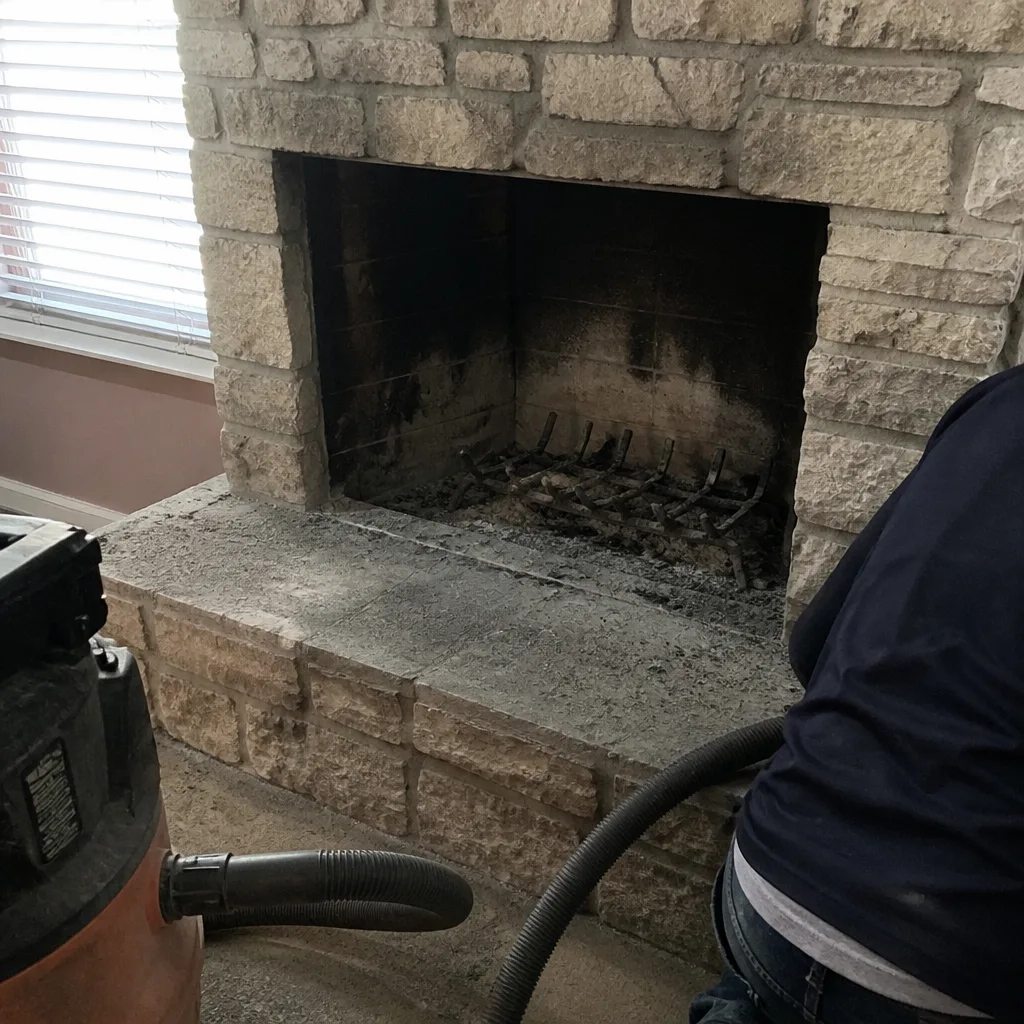 Before
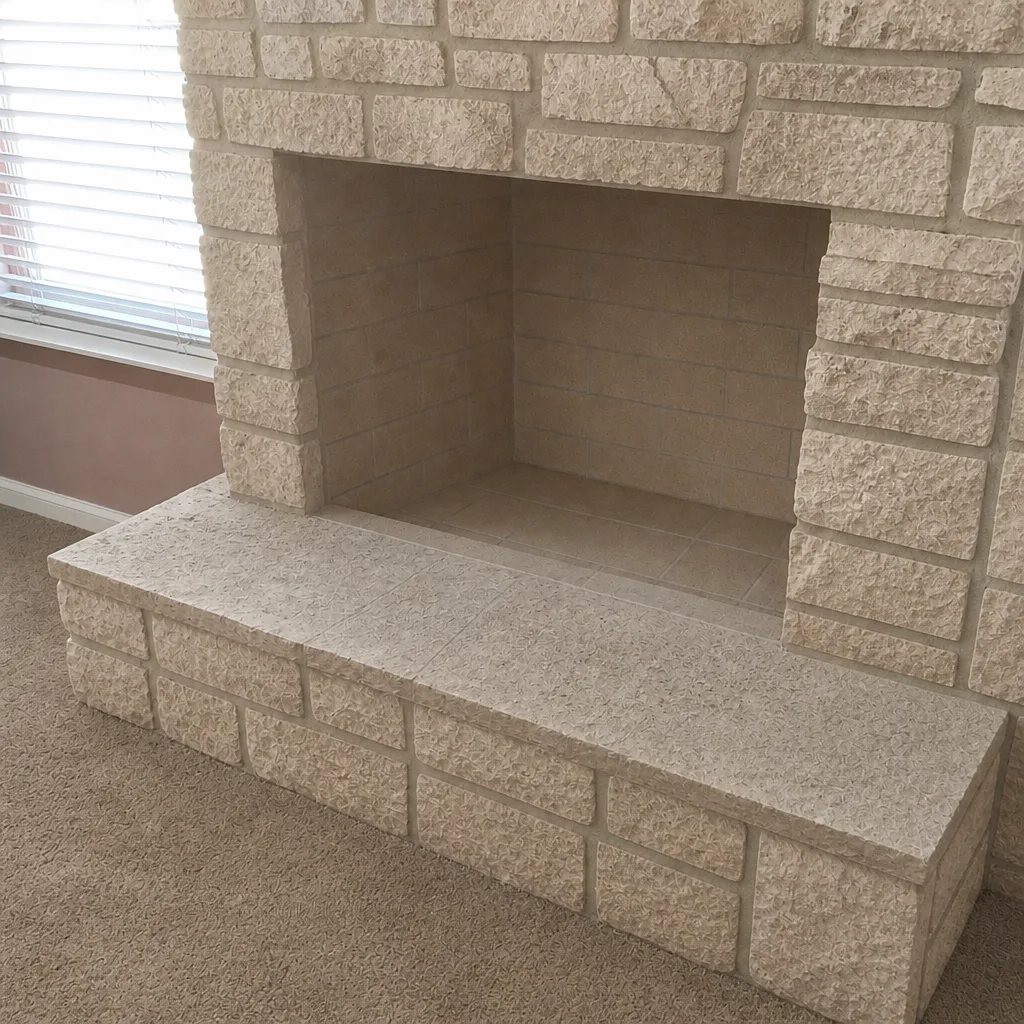 After
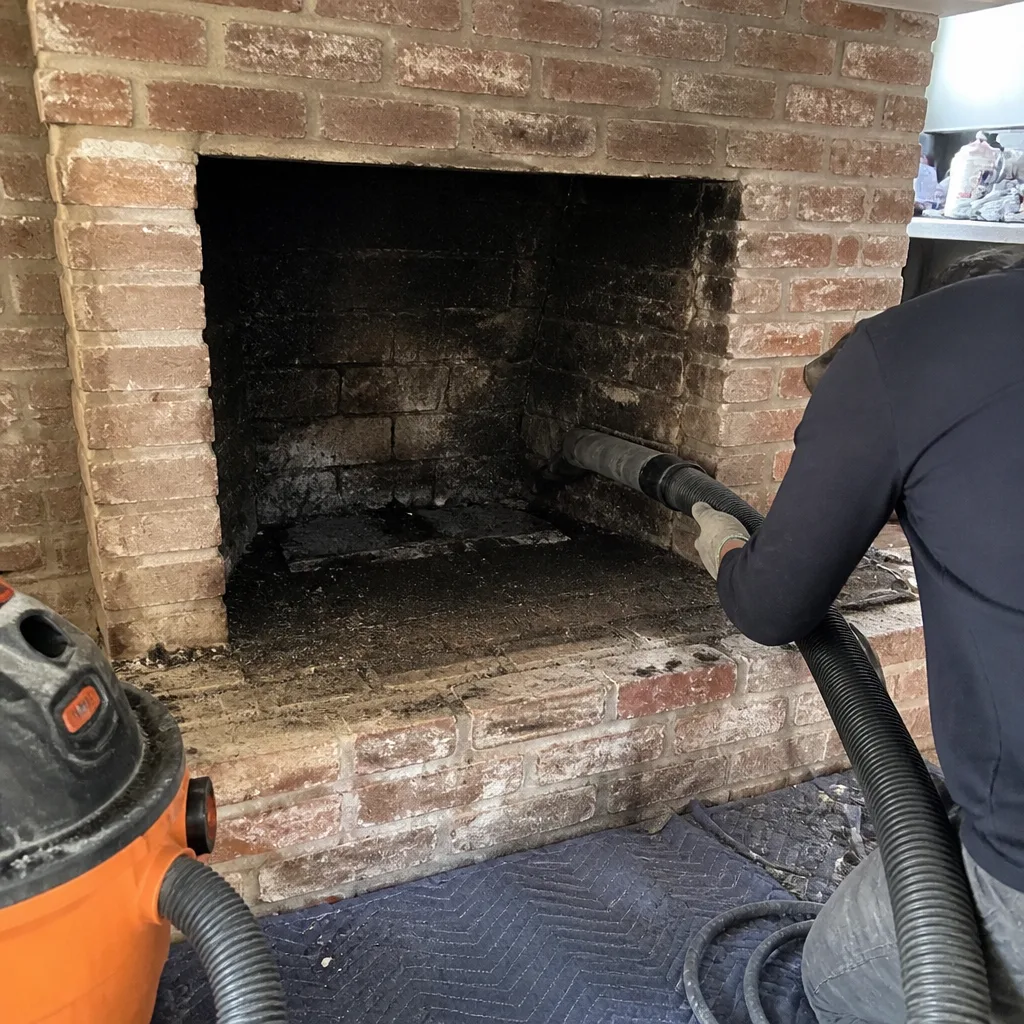 Before
 After
 Before
 After