
Last updated November 16, 2026
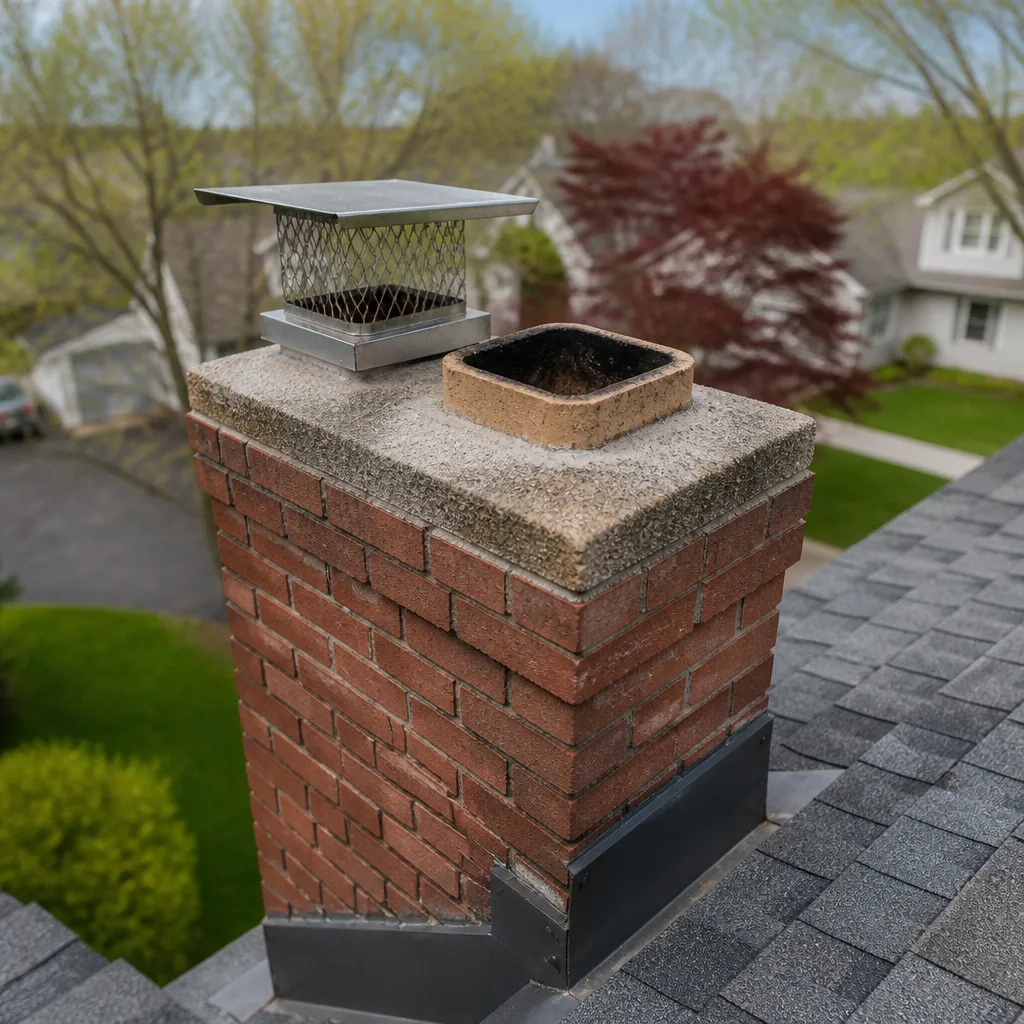 Sweep & inspection
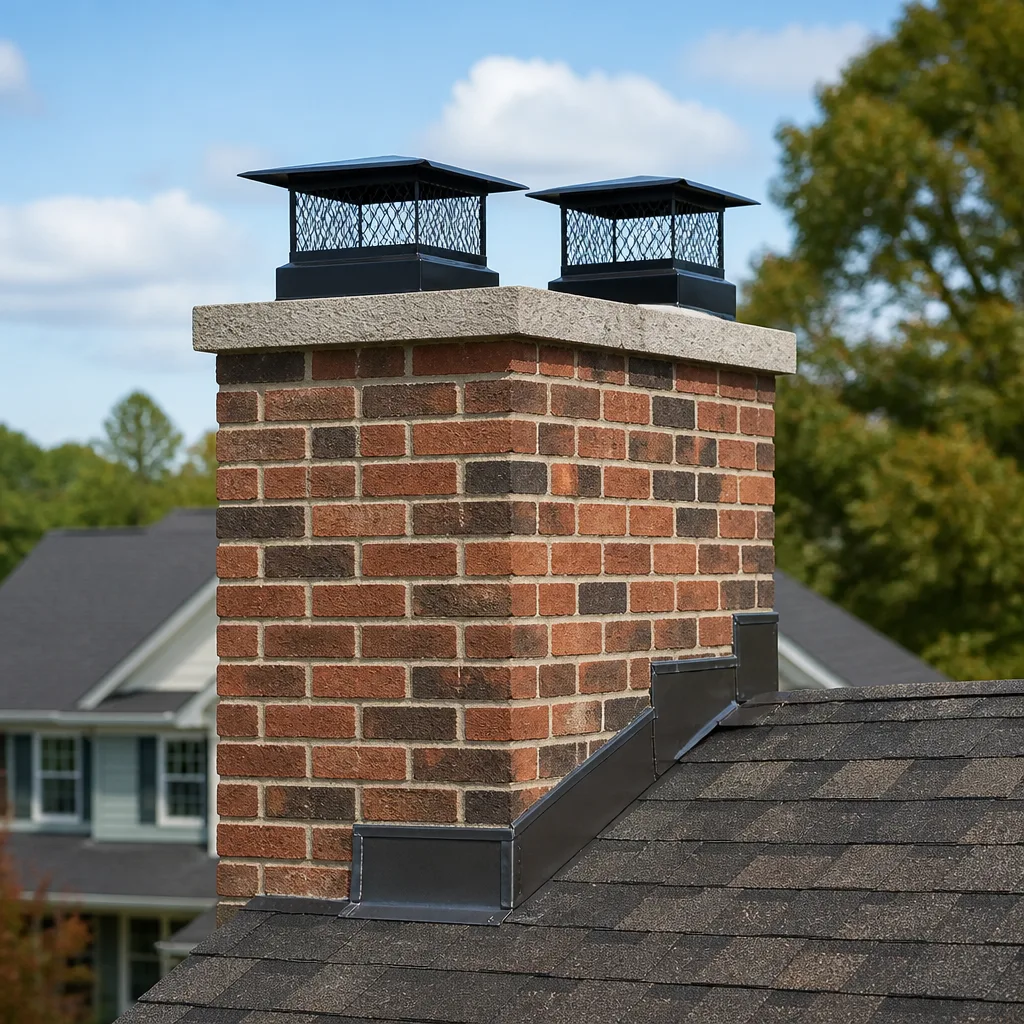 Caps & crowns
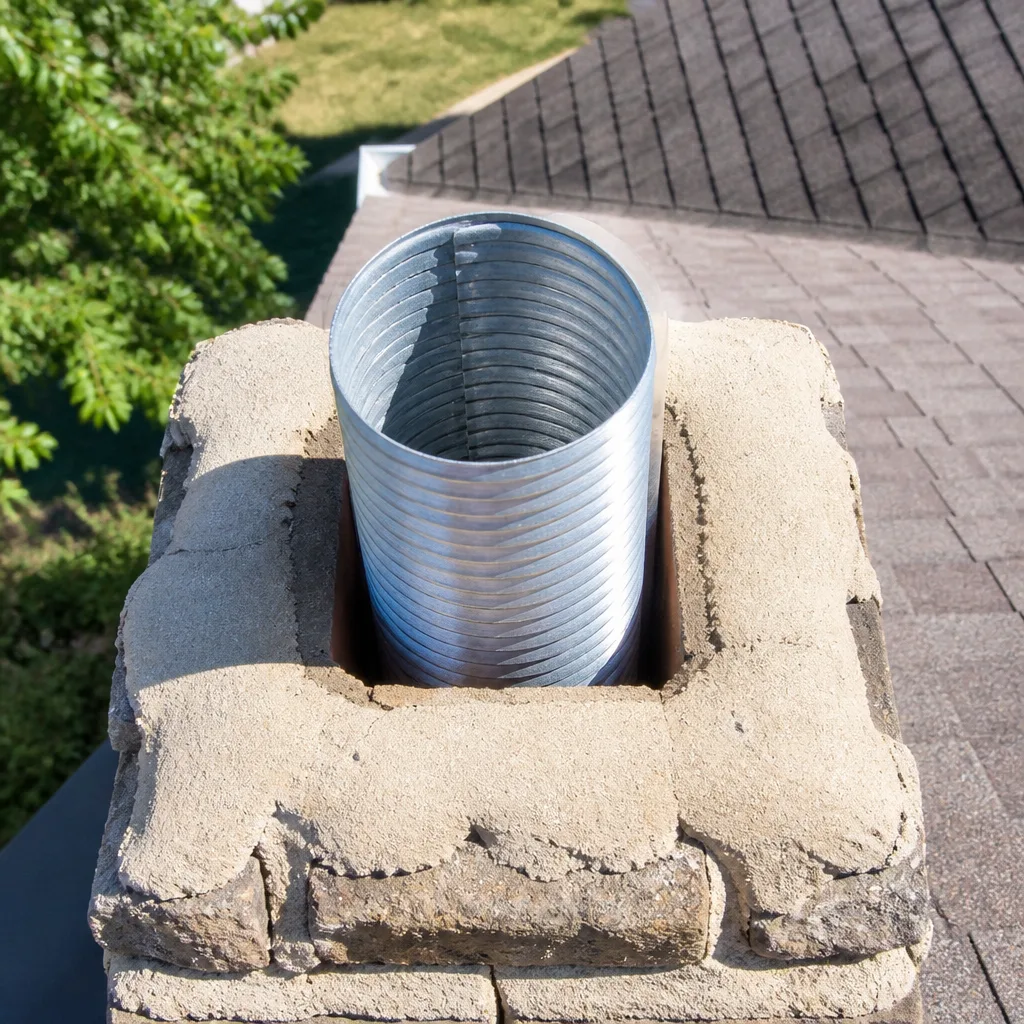 Flue relining
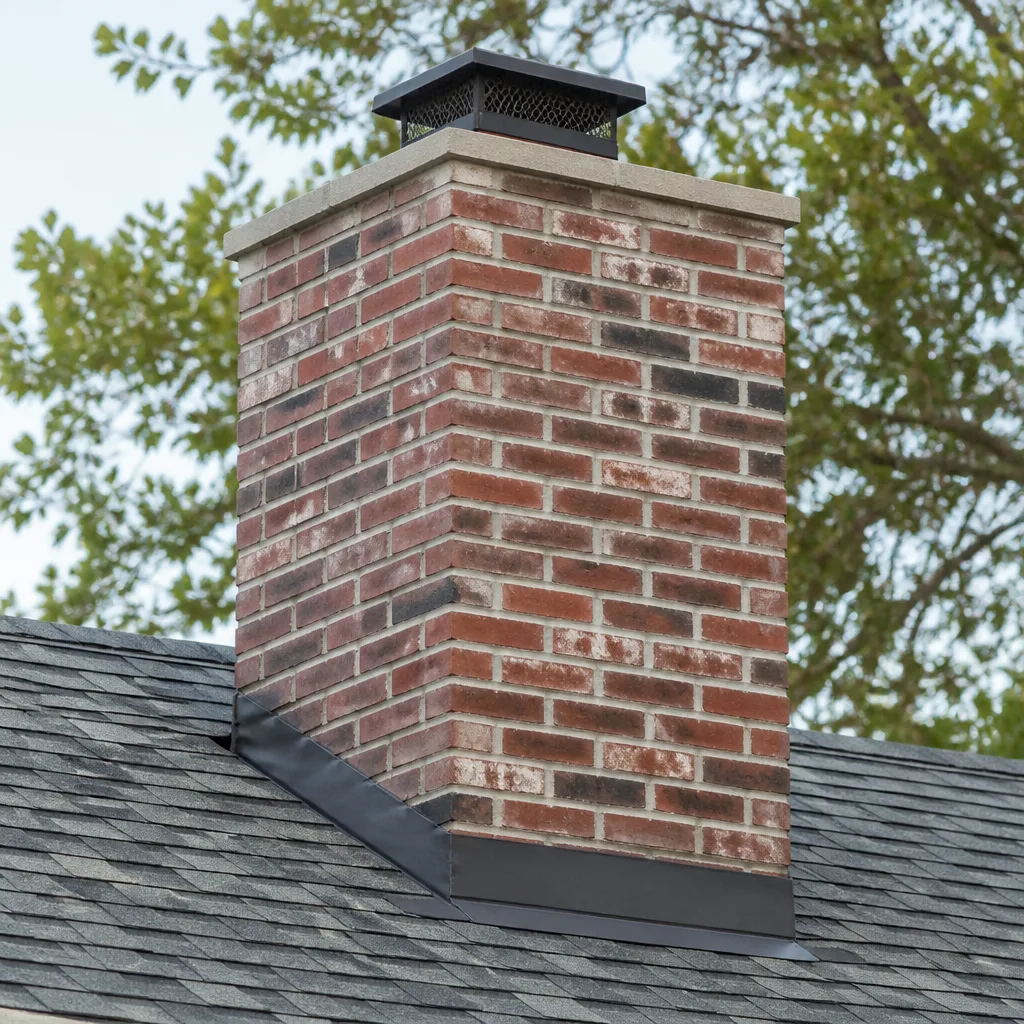 Masonry repair
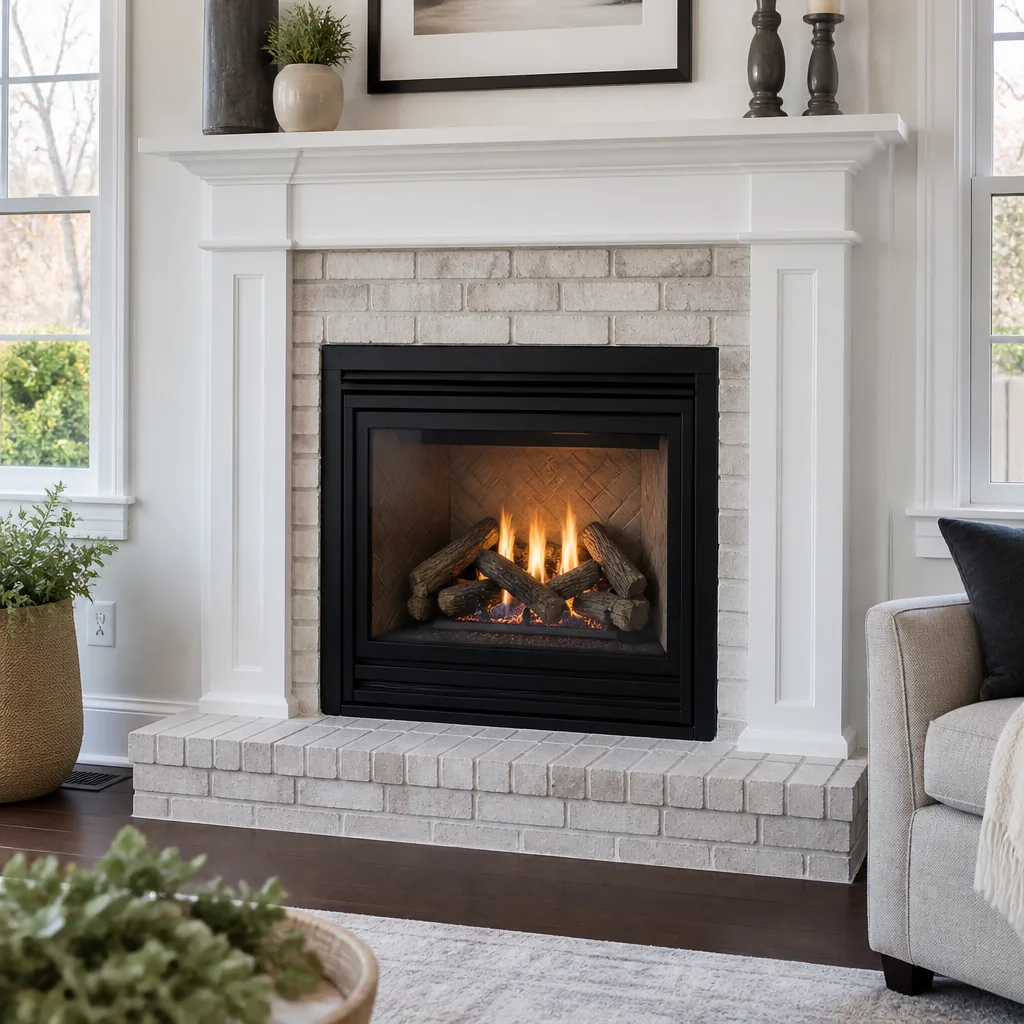 Gas fireplace service
Level 1 sweep and inspection to the NFPA 211 annual standard - flue, crown, cap, and flashing checked and photographed
Chimney sweep logs do not sweep chimneys. They loosen some creosote - which then falls where a brush and vacuum still have to collect it.
DIY vs Professional Chimney Cleaning: The Miami Gardens Homeowner’s Decision Guide
You can sweep your own chimney flue and do it reasonably well. A brush, a shop vac, drop cloths, and an hour of careful work will remove soot and creosote from the flue walls. That much is true, and it’s why the DIY question keeps coming up in Miami Gardens. The problem is that sweeping and inspecting are two different skills, and a clean flue is not the same as a safe one. A brush tells you nothing about a cracked liner, a corroded cap, or a bird nest packed into an offset. Those are the conditions that lead to chimney fires and carbon monoxide problems, and they hide where a flashlight beam from the firebox will never reach. This guide draws the line between what you can legitimately handle and where DIY cleaning leaves you with a false sense of security.
Styles & brands we work with
- Sweep & inspection
- Caps & crowns
- Flue relining
- Masonry repair
- Gas fireplace service
Quick Answer
DIY chimney cleaning is reasonable for a light, regular flue brushing on a fireplace you use once in a while, but it cannot substitute for a professional inspection because the camera and structural checks that catch liner damage, mortar deterioration, and animal debris require equipment no homeowner owns. In Miami Gardens, where humid air and hurricane-season debris accelerate wear on caps and chase covers, the inspection matters as much as the sweep. Our recommendation: if your fireplace sees more than about three fires a year, have a professional sweep and inspect it, then do your own light cleaning between visits.
Table of Contents
- What DIY Chimney Cleaning Can Actually Accomplish
- Why Sweeping and Inspecting Are Different Skills
- South Florida Risks That DIY Maintenance Misses
- The Tools You’d Need and the Equipment You Can’t Replace
- How Often You Use the Fireplace: The 0-3 vs 4+ Decision Framework
- Insurance and Liability: What Self-Certifying Actually Means in Florida
- When to Call a Professional
- Common Mistakes to Avoid
- Frequently Asked Questions
- The Bottom Line
What DIY Chimney Cleaning Can Actually Accomplish
A homeowner with the right tools can remove loose soot and light creosote from an accessible flue, and that’s a real contribution to fireplace health. It’s not nothing. For a masonry fireplace with a straight vertical flue and a clean-out door at the base, the physical act of brushing is straightforward. Here’s what a competent DIY effort involves and the tools that make it work without covering your living room in soot:
- Correct brush diameter: a poly brush sized to your flue (typically round for masonry, rectangular for some older Miami Gardens homes) that scrubs the walls without jamming.
- Flexible rods: enough length to reach the top of the flue from the firebox or from the roof, whichever access you choose.
- Heavy drop cloths and plastic sheeting: taped to seal the firebox opening so dust stays inside the chimney, not on your furniture.
- A HEPA shop vac: standard vacuums blow fine soot back into the room.
- Respirators and eye protection: creosote dust is a genuine irritant, and soot gets into everything.
- A good flashlight and mirror: to check the firebox walls and the first few feet of flue after brushing.
What this accomplishes is removal of the easy, top-layer creosote that builds from normal use. What it does not accomplish is verification. A brush doesn’t tell you the liner is sound, that the mortar joints between flue tiles haven’t begun to crumble, or that the crown at the top of the chimney is cracking and letting water in. That gap between “clean” and “verified safe” is the entire reason professional chimney service exists. And on a home in Miami Gardens where the fireplace gets real use, that gap is worth closing. If you’d rather have the flue swept and the condition confirmed in the same visit, a professional chimney sweep handles both together.
Why Sweeping and Inspecting Are Different Skills
Sweeping removes what’s in the flue. Inspection determines whether the flue is safe to use at all. Those are separate tasks requiring separate training, and this is where the DIY debate usually goes sideways. A homeowner can learn to brush. Learning to read a flue liner, identify the early stages of mortar joint failure, and recognize when a prefabricated chimney’s components are out of spec takes training and the right equipment.
The core inspection task no DIY kit replaces is camera-based liner evaluation. A flexible video camera fed down the flue shows the interior surface of the liner in real detail: cracks, gaps between tiles, spalling, creosote glazing, and debris blockages that no upward flashlight beam can reveal. Without that view, a “clean” flue can still be one fire away from trouble. In our experience, the majority of serious liner problems in South Florida homes are invisible from the firebox and invisible from the roof. They live in the middle of the run, where heat stress and moisture do their work.
Inspection also covers components that aren’t part of cleaning at all: the cap and chase cover, the damper operation, the firebox refractory, the smoke chamber, and the exterior masonry. These are structural checks, not cleaning steps. A professional inspection looks at all of them and produces a written record of condition. For a Miami Gardens homeowner who wants to know whether the chimney is genuinely safe before the burning season, that record is the deliverable that matters. It’s the difference between assuming the chimney is fine and being able to show it.
South Florida Risks That DIY Maintenance Misses
Chimney hazards in Miami Gardens don’t look like the ones in colder climates. There’s no freeze-thaw cycling here and no ice to worry about, so the failure modes are different. What this climate does produce is a long humid season, heavy rain, and wildlife pressure that keeps working on chimneys year-round. Those conditions create specific problems a brush-and-vacuum session will never catch.
Animal nesting material
Birds, squirrels, and other animals find uncapped or poorly capped chimneys appealing, and the nesting material they pack in blocks the flue. A blocked flue is a carbon monoxide hazard, not just a draft problem. A homeowner brushing from below may never dislodge a nest sitting in an offset or resting on a smoke shelf. Camera inspection finds it. Access to the right cap and damper products matters too, which is why we work with chimney repair hardware from brands like Famco and Copperfield rather than substituting generic covers that don’t seal properly.
Mortar joint deterioration
The mortar joints between flue tiles are the weak points of a masonry chimney, and humidity plus heat cycling wears them down over time. Once a joint fails, hot gases and creosote can reach the structure behind the liner. This is a slow problem that’s easy to miss and expensive to ignore, and it’s not detectable by brushing.
Early-stage cap corrosion
Caps and chase covers take the full force of South Florida sun and rain. Rust and corrosion start small and spread, and once a cap fails to keep water out, moisture gets into the flue and the chase. A homeowner checking from the ground won’t see it. A technician on the roof will.
Creosote glazing
Creosote doesn’t always stay soft. Under certain burning conditions it hardens into a glazed, tar-like layer that a poly brush will not remove. That layer is highly combustible. Recognizing glazed creosote and knowing how to treat it is a professional judgment call.
The Tools You’d Need and the Equipment You Can’t Replace
It’s fair to say that DIY chimney cleaning is possible. It’s also fair to be honest about the setup. To brush your own flue without making a mess or missing the point, here’s the realistic list, followed by what no homeowner kit will do.
- Poly chimney brush sized to the flue dimensions. Wire brushes can damage clay tile liners, so match the brush to the liner material.
- Flexible brush rods with enough total length to reach the top of the flue from the firebox or a roof access point.
- Drop cloths and plastic sheeting taped over the firebox opening to contain dust.
- HEPA-rated shop vacuum for soot removal, not a household vacuum.
- Respirator, gloves, and eye protection for creosote and soot exposure.
- Flashlight and inspection mirror for the firebox and the accessible top portion of the flue.
- Roof-safe access and proper fall protection if you plan to sweep from the top. Roof work is a genuine fall hazard, and if you’re not comfortable on the roof, don’t get on it.
What no DIY setup includes is a chimney camera. That’s the piece that separates a cleaning from an inspection, and it’s the piece most likely to find the problem you didn’t know you had. Professional chimney work is built on camera evaluation and a documented inspection report, which is why the Anchor Chimney Sweep approach treats sweep, inspection, and repair as one continuous job rather than three separate errands. We work with the same materials professional chimney contractors rely on nationwide: DuraFlex liner systems, HeatShield liner restoration, and Copperfield venting components. That continuity is the real difference. When an inspection turns up a liner issue, the same crew can address it, which is not something a homeowner with a brush and a shop vac can replicate.
How Often You Use the Fireplace: The 0-3 vs 4+ Decision Framework
Usage frequency is the single best filter for deciding how much professional attention your chimney needs. The question isn’t “can I clean it myself?” but “how often does this chimney actually need a trained eye on it?” Use this framework:
0-3 fires per year: light use
A fireplace used a few times a season builds creosote slowly. In this category, an annual professional inspection is still the right call, because the hazards that matter here (liner condition, nesting, cap failure) aren’t about how often you burn. They’re about the chimney’s condition and the climate working on it. A light-use Miami Gardens home can reasonably do a self-check of the firebox and damper, keep the cap sound, and schedule a professional sweep and inspection on a regular cadence. If a professional visit confirms the flue is in good shape, the risk of a light-use fireplace is genuinely low, and we’ll tell you so.
4+ fires per year: regular use
Once you’re burning a fire or more a month through the season, creosote accumulation becomes a real factor and the flue needs proper sweeping on a routine basis. At this usage level, DIY brushing is a supplement at best. The flue needs camera inspection to check creosote depth, liner condition, and whether glazed deposits are forming. This is exactly the homeowner who should not rely on a self-assessment. Too much depends on what’s happening inside the flue.
Wood stove or insert use
Wood stoves and inserts burn hotter and can produce creosote faster. For these, professional sweeping and inspection should be routine, and DIY brushing is not a substitute for either.
The practical rule: the more you burn, the more the inspection carries the weight. Even at zero fires a year, a chimney can develop a nesting problem or a failing cap. The framework helps you prioritize, but it doesn’t remove the need for a professional set of eyes at least once a season.
Insurance and Liability: What Self-Certifying Actually Means in Florida
Here’s a question that rarely gets asked in DIY chimney articles: what happens to your insurance position if you’ve been maintaining the chimney yourself and something goes wrong? Florida homeowner’s insurance carriers care about maintenance records and documented inspections, and a chimney fire or a carbon monoxide event in a home where the chimney was never professionally inspected can complicate a claim. We’re not telling you how your policy will treat a specific event, because that varies by carrier and policy. What we can tell you is that a written inspection report from a qualified chimney professional is the kind of documentation that answers questions instead of raising them.
There’s a liability angle too. If you clean and certify your own chimney and later sell the home, a buyer’s inspector is going to look at that chimney, and any deferred issue becomes a negotiation point. A professional inspection before a real estate transaction gives both sides a clear, documented picture of condition. For buyers and sellers in Miami Gardens, that continuity of record is worth more than the money saved on a sweep.
Self-certifying chimney safety is a decision with consequences that go beyond the flue. If you’re going to rely on your own assessment, at minimum get a professional inspection on record so the safety judgment isn’t yours alone. That report is the difference between guessing and knowing, and it’s a small cost against the exposure of a claim dispute.
Common Mistakes to Avoid
- Sweeping but never inspecting. A clean flue can still be unsafe. Cleaning removes soot; inspection finds the cracked liner or failed mortar joint the soot was hiding. If you sweep without a camera inspection, you’ve done half the job.
- Using a wire brush on a clay tile liner. Wire bristles can score and damage the flue tile surface, which creates the very cracks you’re trying to avoid. Match the brush to the liner material, which for most masonry chimneys means poly.
- Skipping the cap check. In Miami Gardens, an uncapped or corroded chimney is an open door for animals and rain. If you can see rust spots, seam separation, or gaps around the cap, that’s a professional repair issue, not a cleaning one.
- Vacuuming soot with a household vacuum. Fine soot passes straight through ordinary filters and into the room. Use a HEPA shop vac with the firebox sealed off, or don’t do it indoors.
- Ignoring glazed creosote. If the flue has shiny, tar-like deposits after brushing, stop. Glazed creosote is a fire hazard that a brush won’t remove, and it needs professional treatment.
- Sweeping from the roof without fall protection. Roof work is dangerous, full stop. If you’re not trained and equipped for it, sweep from below or book a professional. There’s no version of a chimney worth a fall injury.
- Assuming the fireplace is fine because the fire draws well. A good draft tells you the flue isn’t fully blocked. It tells you nothing about the liner condition, the mortar, or the cap. Don’t let a strong draft become a false sense of security in your own home.
When to Call a Professional
Call a professional chimney service when any of these apply: you burn four or more fires a season; the fireplace or stove is new to you and has no inspection history; the home is going through a real estate transaction; you notice a persistent smell of creosote or smoke in the house; the fire draws poorly or smoke rolls back; you see rust, staining, or water inside the firebox; the chimney cap is damaged or missing; or it’s simply been a while and you can’t say when the chimney was last inspected. In any of these cases, a sweep alone isn’t enough. You need an inspection that can actually see inside the flue. Anchor Chimney Sweep covers the full loop in Miami Gardens: sweep, inspection, and repair from the same team, working with Miami Gardens homes and using products from HeatShield, DuraFlex, and Copperfield where restoration or replacement is needed. Estimates are free, and nothing gets recommended without camera evidence you can see. Call (844) 560-6429. We answer 24/7. Fast dispatch from 7am to 7pm, Sunday through Friday.
Frequently Asked Questions
Yes, for light regular brushing you can remove surface soot and creosote with a poly brush, rods, and a HEPA vacuum, but that is cleaning and not inspection. The liner, mortar, cap, and smoke chamber checks that matter for safety require a professional camera inspection, so DIY brushing is a supplement to professional service rather than a replacement. Call (844) 560-6429 for a free estimate that covers both the sweep and the inspection.
Sweeping removes soot and creosote from the flue; inspection evaluates the condition of the liner, firebox, cap, damper, and masonry using camera equipment and structural checks. They’re separate procedures with separate purposes, and a full assessment does both. If you only ever sweep, you never get a verified answer about whether the chimney is safe, which is why we treat them as one visit. Call (844) 560-6429 to book a sweep and inspection together.
Yes. A strong draft means the flue isn’t blocked, but it tells you nothing about liner cracks, mortar joint deterioration, glazed creosote, or cap corrosion, all of which are invisible from the firebox and don’t affect draft until they’re advanced. In Miami Gardens humidity, these conditions develop slowly and silently. A camera inspection is the only way to know. Call (844) 560-6429 for a free estimate.
At light use (0-3 fires a year), an annual professional inspection is the baseline, and a sweep can follow the inspection’s findings. At four or more fires a year, plan on routine professional sweeping plus inspection. Wood stoves and inserts need the same routine even at lower burn counts. Call (844) 560-6429 for a free estimate on the right frequency for your fireplace.
You should get one, because a documented inspection protects both sides of a transaction. A buyer inherits a clear picture of the chimney’s condition, and a seller avoids surprises during negotiation. A written report from a professional is the documentation that answers insurance and real-estate questions. Call (844) 560-6429 for a free estimate on a pre-sale or post-purchase inspection.
Skipping professional attention means creosote accumulates unchecked and liner or cap problems go undetected until they become visible or expensive. A chimney fire or carbon monoxide event is the worst case, but the more common outcome is a repair that could have been caught early and treated cheaply. The right move is a camera inspection that shows you what’s actually there before you decide what to do. Call (844) 560-6429 for a free estimate.
The Bottom Line
The DIY chimney cleaning question has a real answer, and it isn’t “never do it.” You can legitimately brush a lightly used flue. What you cannot do is verify its safety. The liner, mortar joints, cap, and hidden nesting material that South Florida’s climate and wildlife work on year-round require a camera inspection and structural checks that no homeowner kit replaces. Use the 0-3 vs 4+ framework to decide how much professional attention your Miami Gardens fireplace needs, get a documented inspection on record, and treat cleaning as the routine maintenance it is. For a full sweep, inspection, and any needed repair, call Anchor Chimney Sweep at (844) 560-6429 for a free estimate. We answer 24/7. Fast dispatch from 7am to 7pm, Sunday through Friday.
Written by the team at Anchor Chimney Sweep.
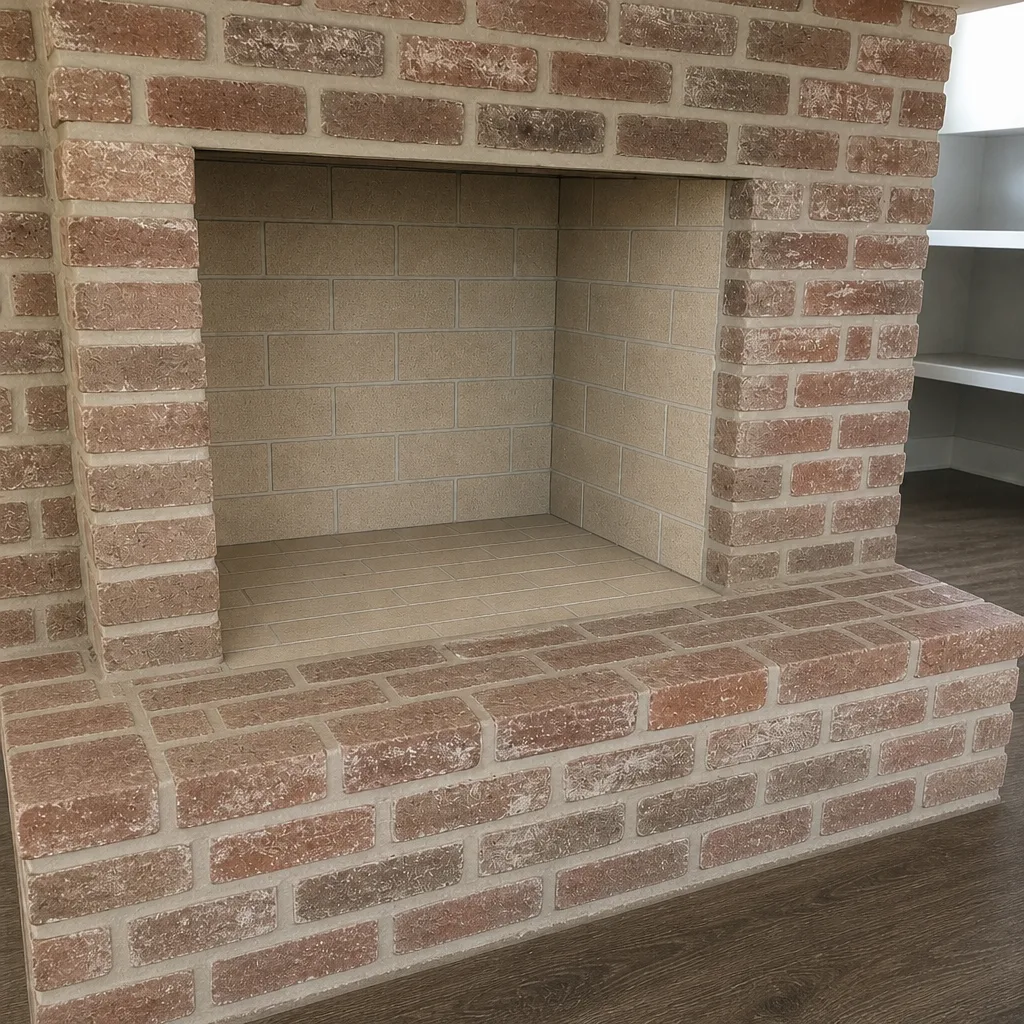
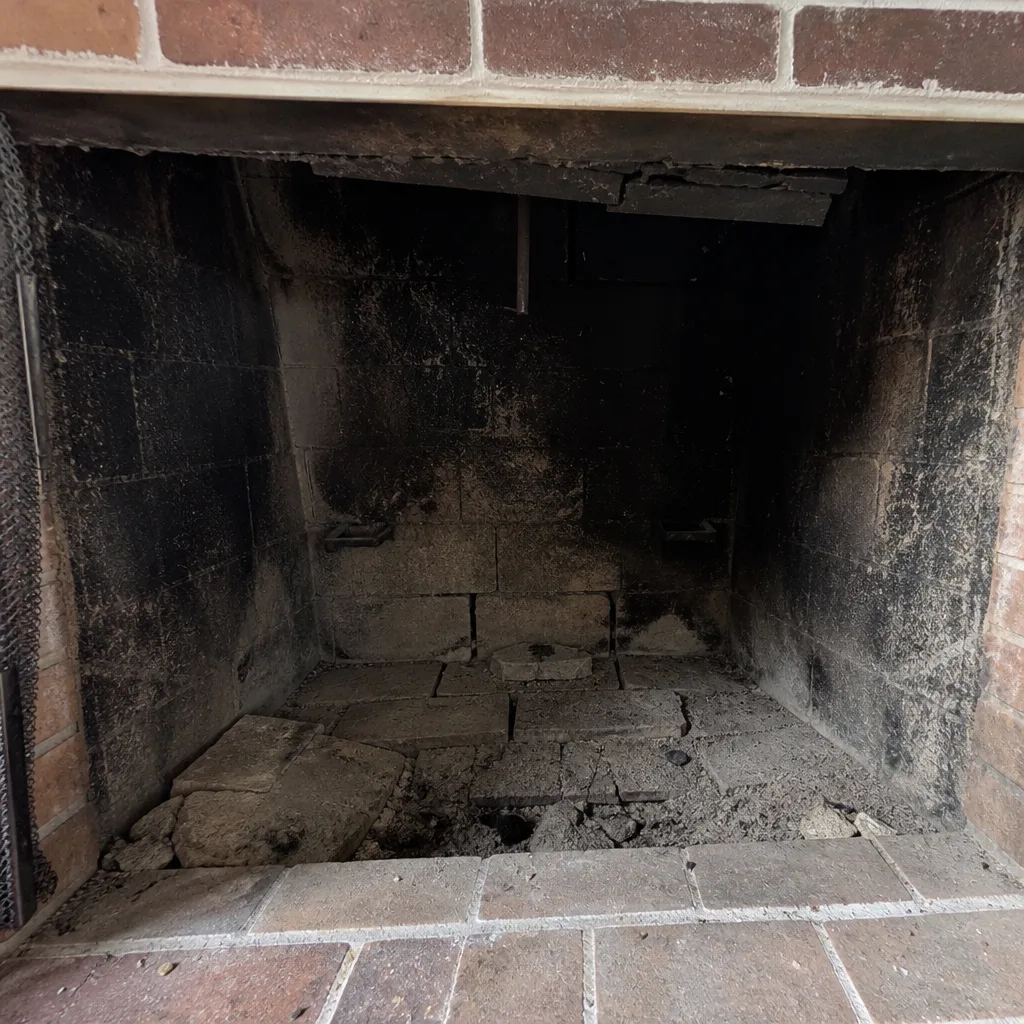
See the difference
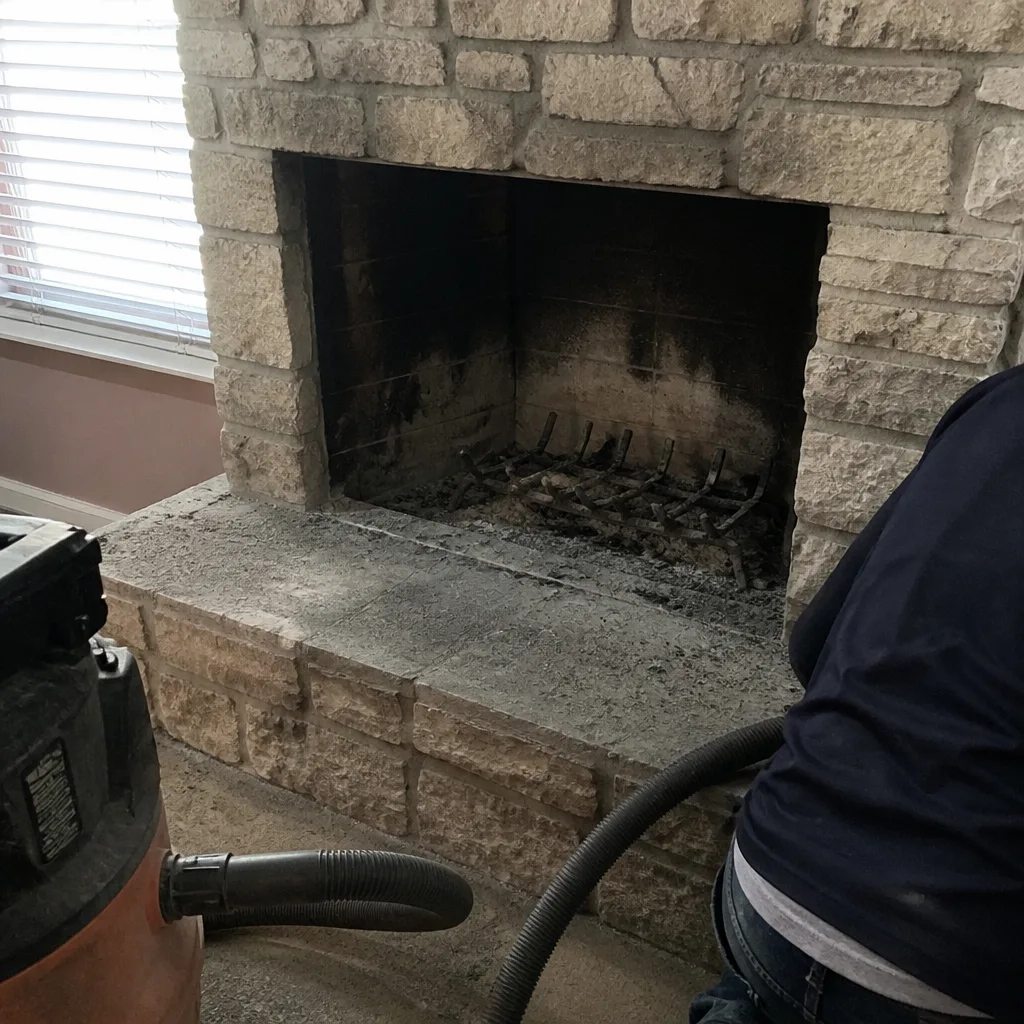 Before
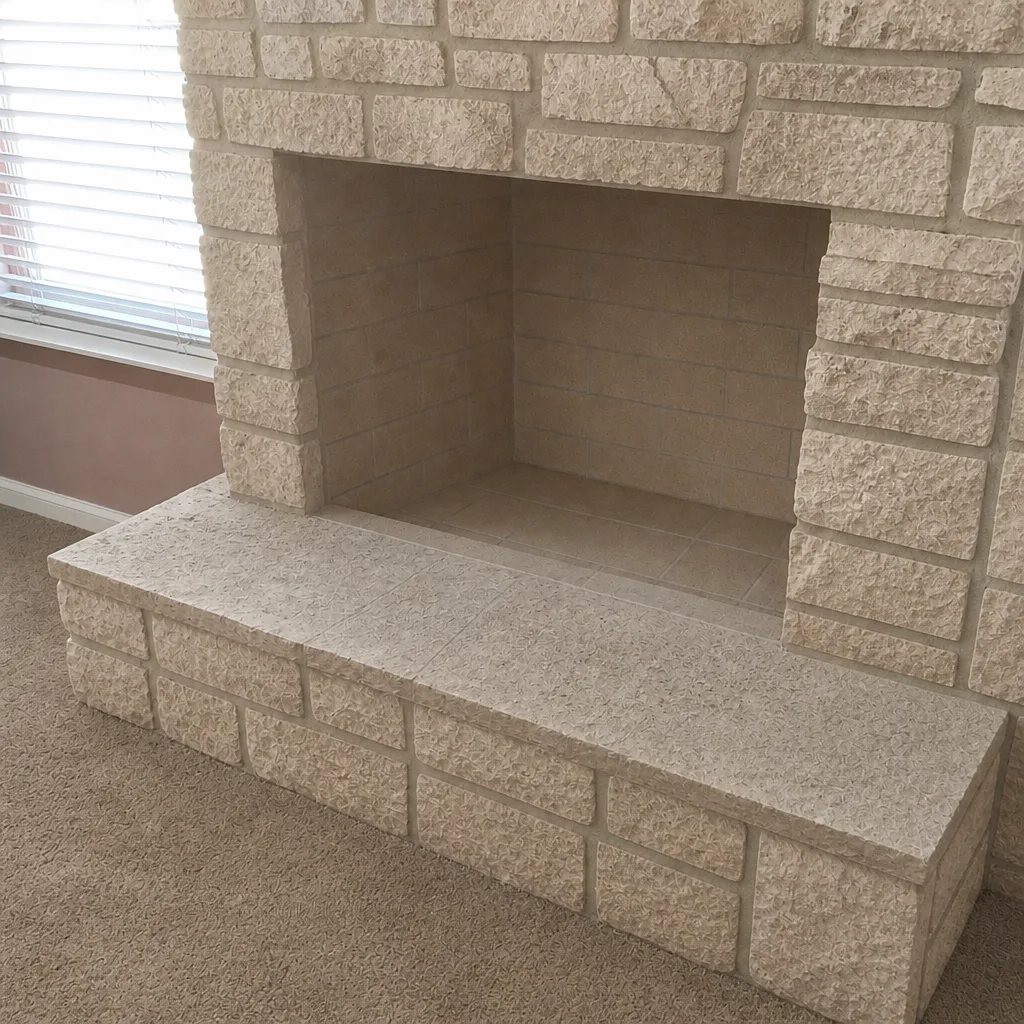 After
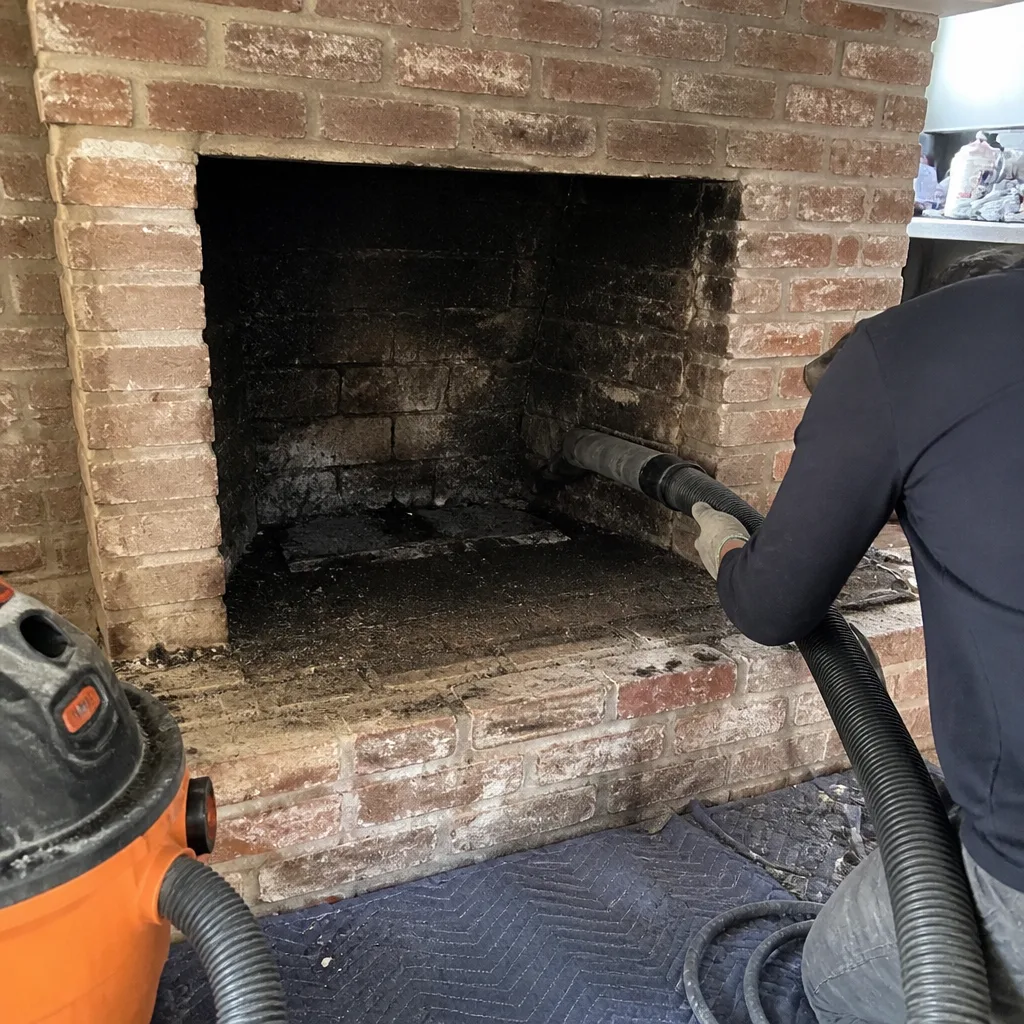 Before
 After
 Before
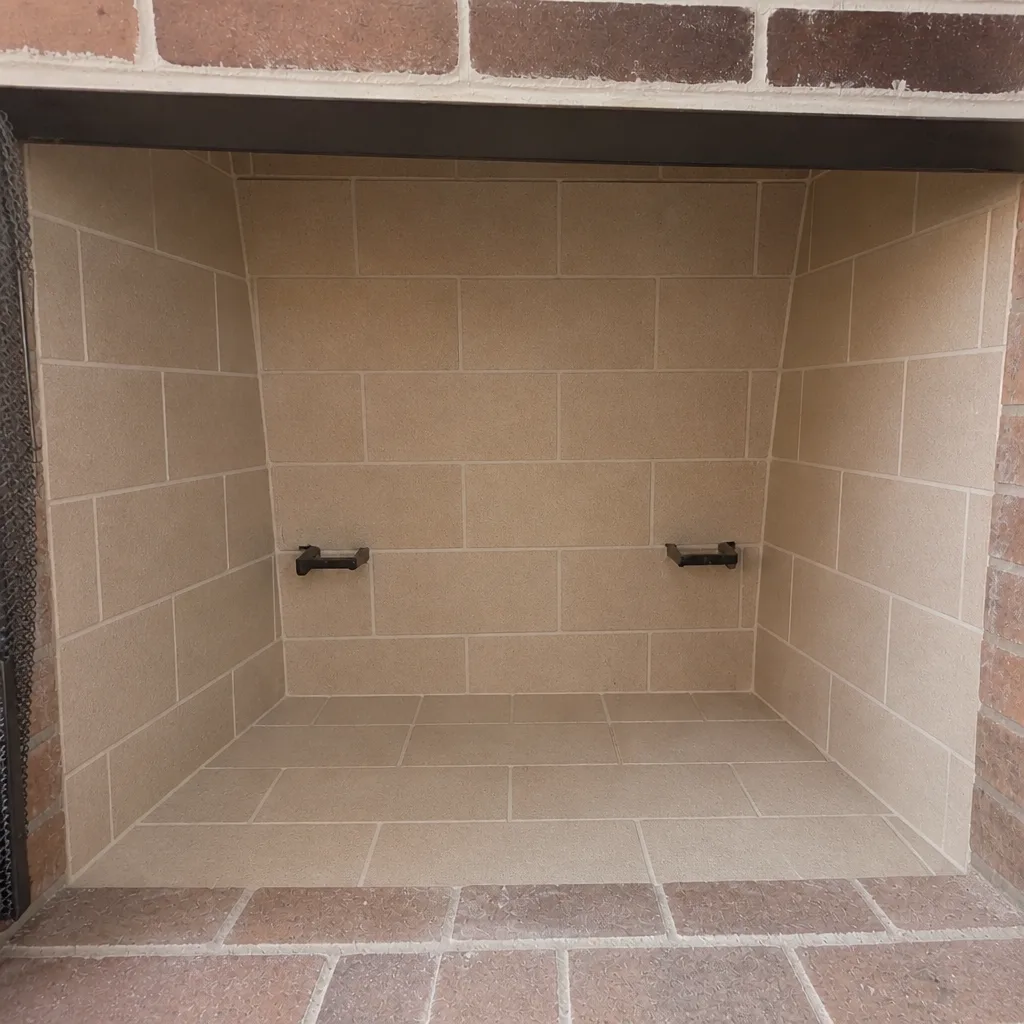 After