
Last updated November 16, 2026
 Sweep & inspection
 Caps & crowns
 Flue relining
 Masonry repair
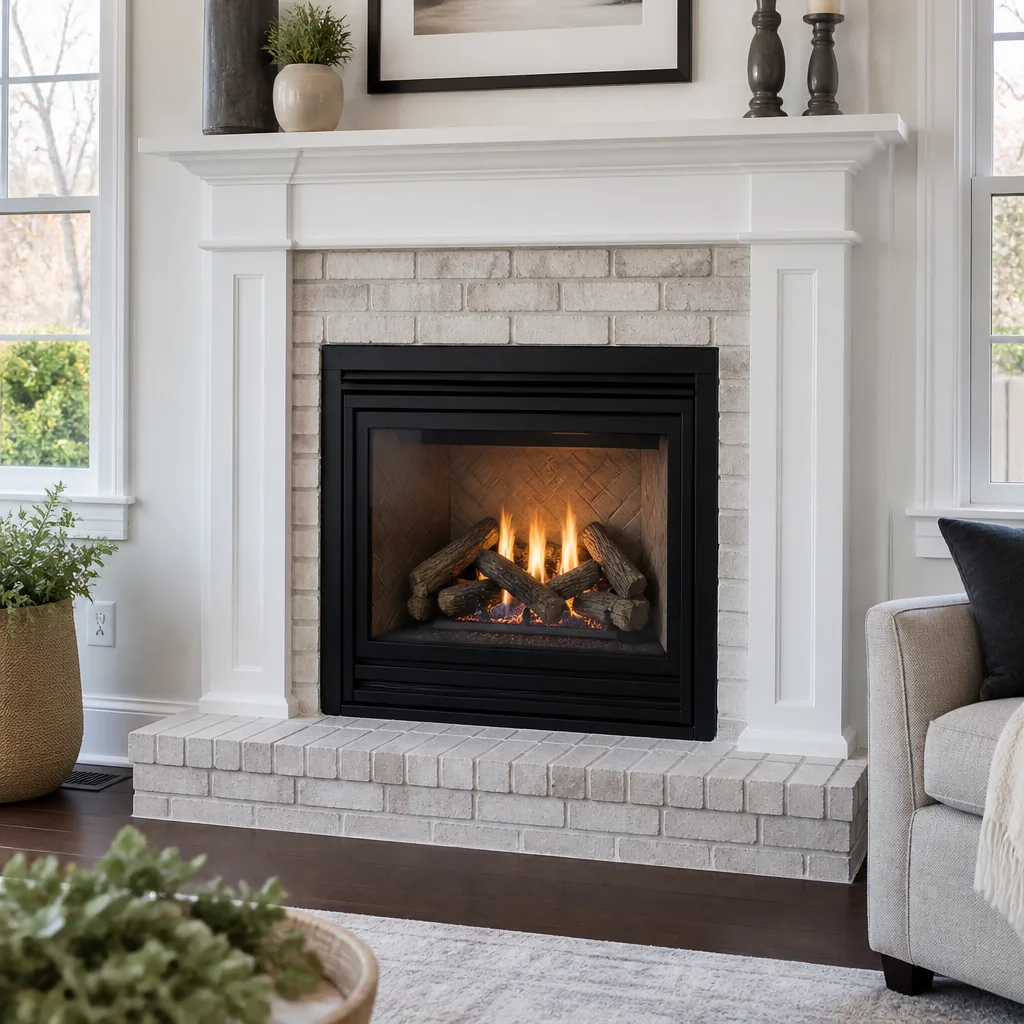 Gas fireplace service
Level 1 sweep and inspection to the NFPA 211 annual standard - flue, crown, cap, and flashing checked and photographed
Chimney sweep logs do not sweep chimneys. They loosen some creosote - which then falls where a brush and vacuum still have to collect it.
The Complete Guide to Chimney Cleaning in Miami Gardens
Most chimney fires in warm-weather climates aren’t caused by heavy creosote buildup. They’re caused by the assumption that a rarely-used fireplace is a safe one. It’s a reasonable assumption, and it’s wrong. A fireplace that runs a few times each winter in Miami Gardens doesn’t produce the thick, sticky creosote you’d find in a cold-climate home, so homeowners here often push the annual cleaning to the back of the list. That’s exactly when animal nesting, moisture intrusion, and slow liner corrosion go undetected. Miami Gardens winters are mild and the heating season is short, so the hazards look different here than they do in Atlanta or Chicago. This guide walks you through what a real chimney cleaning involves in this climate, how to read an inspection, and what separates a thorough job from a quick brush.
Quick Answer
Chimney cleaning in Miami Gardens means removing soot, creosote, and debris from the flue and firebox, then inspecting the whole system for the problems a humid, low-use climate creates: nesting, moisture damage, and corrosion at the cap and crown. Because the heating season is short, an annual cleaning and inspection is a check against neglect rather than heavy soot, and the inspection matters as much as the brush. A proper visit ends with a written report you can read and understand, not a vague “all clear.”
Styles & brands we work with
- Sweep & inspection
- Caps & crowns
- Flue relining
- Masonry repair
- Gas fireplace service
Table of Contents
- Why Chimney Cleaning in Miami Gardens Isn’t Like Cold-Climate Cleaning
- The Hazards a Low-Use Fireplace Hides
- Level 1 vs. Level 2 Inspections: Which Do You Need?
- The Cap and Crown: First to Fail in South Florida
- What a Complete Chimney Cleaning Actually Involves
- How to Read a Cleaning Report
- Sweep-Only vs. Inspection-to-Repair Continuity
- How Often Should You Schedule Cleaning?
Why Chimney Cleaning in Miami Gardens Isn’t Like Cold-Climate Cleaning
In Chicago or Atlanta, a chimney gets used hard and the creosote piles up fast, so the cleaning interval is dictated by how much wood you burn. In Miami Gardens, the fireplace runs a handful of times in a mild winter, which means soot and creosote build slowly. The problem is that the same low use that keeps creosote thin also keeps you from noticing anything else that’s going wrong. You don’t look up the flue because you barely use it. The system sits idle for months, and idle is when the slow damage happens.
Humidity is the main driver. Warm, moist air moves through a chimney that’s not being fired, and the interior masonry and the metal liner stay damp for long stretches. Moisture combined with the acidic residue that even light burning leaves behind breaks down mortar joints and corrodes metal liners faster than the same residue would in a dry, cold climate where the fire runs constantly and dries everything out.
There’s also the wildlife factor. A warm chimney on a cool night looks like prime real estate to birds, squirrels, and other animals looking for a place to nest. In a cold climate the fire gets lit often enough to discourage them. In Miami Gardens, a chimney can sit untouched long enough for a nest to be built, used, and abandoned before anyone thinks to check. When that nesting material sits next to a flue that eventually gets a fire lit under it, you have a problem no amount of sweeping a cold-climate chimney would warn you about.
- Slow creosote, hidden moisture: light burning leaves less soot but more time for damp to work on the liner.
- Long idle periods: months of no fire let moisture and debris accumulate undetected.
- Nesting pressure: a warm flue is attractive, and the absence of regular fires means nests survive.
- Shorter burning season: the annual cleaning becomes a once-a-year safety check, not a routine soot removal.
That’s the core difference. Cleaning a chimney in Miami Gardens is less about scraping off heavy buildup and more about catching the quiet failures that a short, warm heating season tends to hide.
The Hazards a Low-Use Fireplace Hides
When a fireplace rarely runs, the assumption that it’s safe goes untested. Four hazards in particular build up in a low-use Miami Gardens chimney, and none of them announce themselves.
Animal nesting and debris
A chimney without a properly fitted cap is an open pipe to the sky. Birds drop twigs and build nests, squirrels store food, and leaves pack into the flue. All of it is combustible, and all of it restricts the draft your fire needs to burn cleanly. Nesting material near the top of the flue can catch from a stray ember and start a fire in a place you can’t see.
Moisture intrusion
Water gets in past a failing cap, a cracked crown, or deteriorated mortar. Once inside, it soaks into the masonry and the liner. In a Miami Gardens rainy season, that moisture has months to sit and do damage before the next fire is ever lit. Damp masonry spalls and cracks, and a damp liner rusts from the inside out.
Liner corrosion
Metal liners in a humid climate corrode even with modest use. The combination of moisture and acidic flue residue attacks seams and joints, and a liner with a rusted-through spot no longer contains the heat and gases of a fire. This is one of the least visible problems and one of the most serious, because the liner is what protects the structure around the flue.
Blocked or restricted draft
A partially blocked flue from nesting or debris causes smoke to back into the room and can push carbon monoxide the wrong way. Carbon monoxide is colorless and odorless, and a blocked chimney in a rarely-used fireplace can produce it the first cold night you decide to light up. A sweep and inspection clears the blockage and confirms the flue is open and venting properly.
None of these hazards require heavy use to develop. They require time and inattention, which a low-use Miami Gardens fireplace has plenty of.
Level 1 vs. Level 2 Inspections: Which Do You Need?
The National Fire Protection Association’s NFPA 211 standard defines inspection levels, and knowing which one applies to your situation tells you what you’re actually buying. A quick visit that only checks what’s visible from the firebox is not the same as a full inspection, and the difference matters.
| Inspection Level | What It Covers | Who It’s For |
|---|---|---|
| Level 1 | Readily accessible portions: firebox, damper, visible flue from below and above, cap and crown check. Standard annual inspection for a system with no known problems. | Homeowners on a regular cleaning schedule with an unchanged, normally operating system. |
| Level 2 | Everything in Level 1 plus a camera inspection of the flue interior, accessible attic and crawlspace, and connection points. Documents the condition of the liner top to bottom. | Real estate transactions, a change of fuel or appliance, after a chimney fire or seismic event, or when a problem is suspected. |
| Level 3 | Diagnostic inspection that may involve removing parts of the chimney or adjacent structure to reach a suspected problem. | When a serious hazard or hidden defect is suspected and can’t be seen any other way. |
Most Miami Gardens homeowners with a wood-burning fireplace and no known issues fall into the Level 1 category for their annual cleaning. A camera inspection at Level 2 is the right call when you’ve just bought or sold a home, when a problem turns up during the sweep, or when a chimney hasn’t been looked at in a long time. For a house that’s sat with an unused fireplace for several years, the camera is worth it because it’s the only way to see what the low-use months have done to the liner.
What separates a Level 1 from a Level 2 in practice is evidence. A Level 1 relies on what the technician can see and reach. A Level 2 produces a documented picture of the whole flue, and that’s the difference between “looks fine” and knowing the liner has a corroded seam two feet down. If you’re buying a home in Miami Gardens, ask for a Level 2 before you close. If you’re living in one and haven’t had the flue looked at, ask for the camera.
The Cap and Crown: First to Fail in South Florida
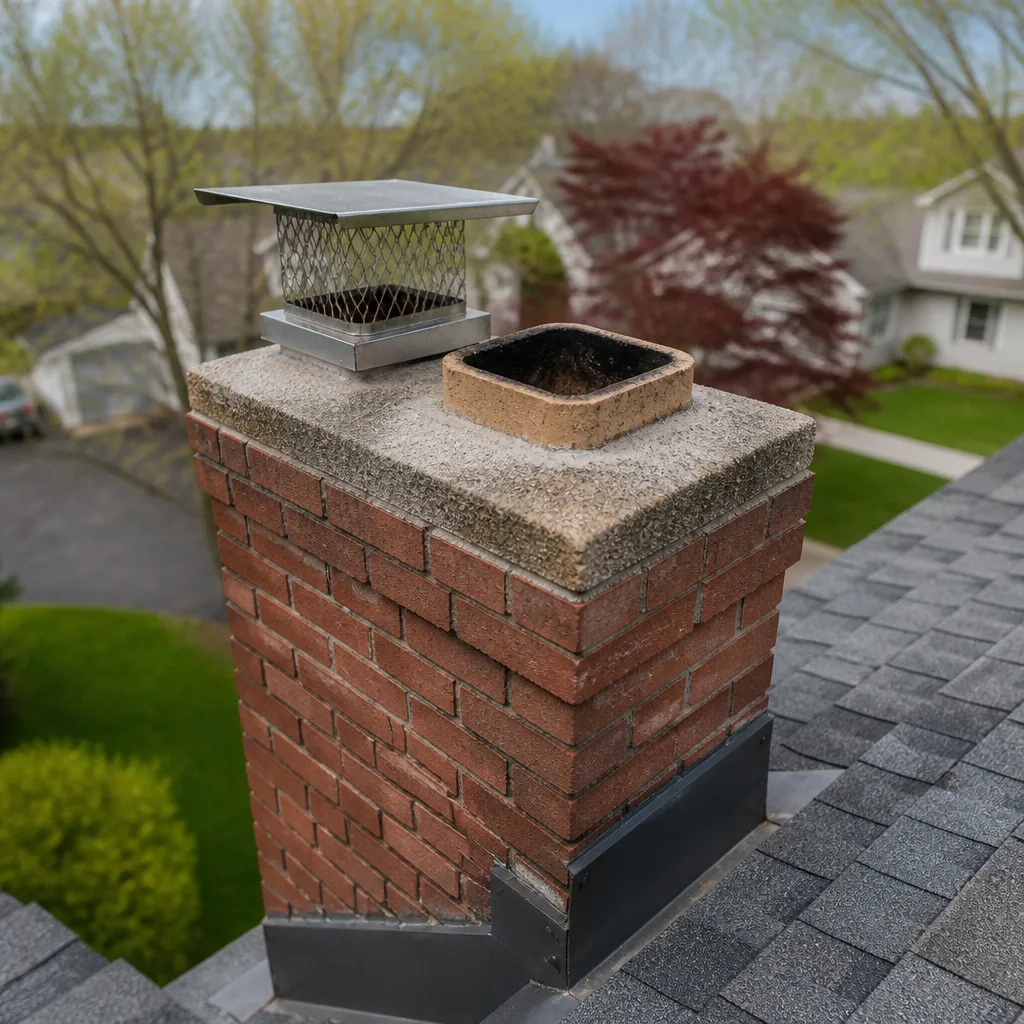
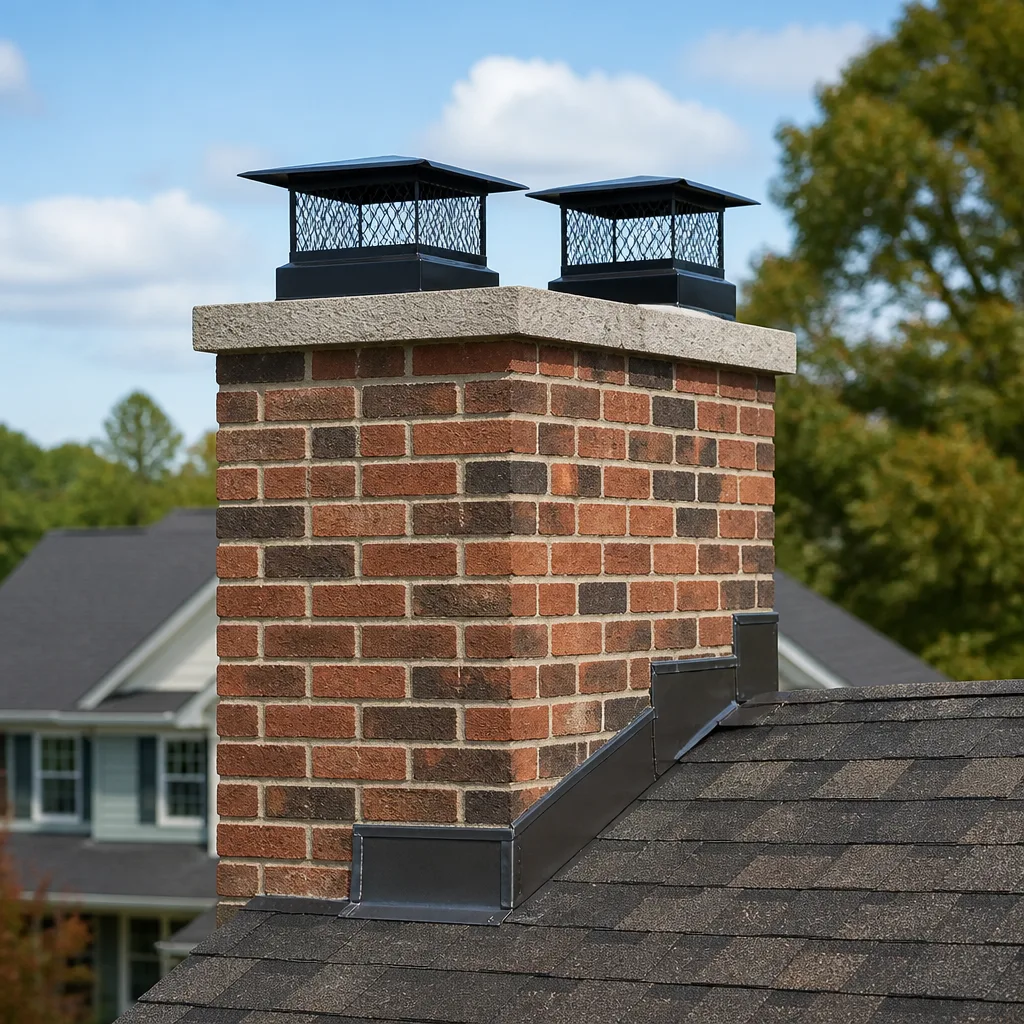
The chimney cap and the crown are the parts that take the weather first, and in South Florida they degrade faster than almost anything else on the system. The cap is the cover over the flue opening; it keeps rain, animals, and debris out while letting smoke escape. The crown is the sloped concrete or masonry surface at the very top of the chimney that sheds water away from the structure below.
Both parts live in the harshest spot on the house: full sun, driving rain in the wet season, and constant humidity. Mortar at the crown cracks as it goes through wet and dry cycles. The cap’s mesh or metal fittings rust or work loose. Once either one fails, water gets into the flue and the damage travels downward into the masonry and the liner.
A failing cap is also what opens the door to the animal nesting problem covered earlier. A cap that’s missing, loose, or has a rusted-out mesh is no longer a barrier. That’s why the cap and crown check is part of every inspection, not an afterthought.
- Cracked crown: water enters the top of the chimney and soaks down through the masonry.
- Rusted or loose cap: animals and rain get in, and the draft is affected.
- Deteriorated mortar at the top: the crown and upper flue joints break down first because they catch the most weather.
- Missing or undersized cap: a cap that doesn’t fit correctly doesn’t do its job.
When a cap or crown needs replacing, the correct part matters. We fit caps and vent covers from Famco and Copperfield because the right fit and material hold up better than a generic substitute that wasn’t made for your flue’s dimensions. A cap that’s slightly wrong is a cap that leaks or blows loose, and you’re back where you started. Getting the correct cap and a sound crown in place is one of the highest-value things you can do for a chimney in this climate, because it protects everything below it.
What a Complete Chimney Cleaning Actually Involves
A chimney is a system, and a thorough cleaning treats it that way. The brush is one part of a visit that also protects your floors, checks the whole vent path, and leaves you with a record of what was found. Here’s how a complete cleaning should go, step by step.
- Set up and protect the work area. Drop cloths and a sealed vacuum system go in before anything is brushed, so soot stays in the flue and out of the room.
- Clean the firebox and damper. Soot and ash are removed from the firebox, and the damper is checked for smooth operation.
- Brush the flue from the bottom up. The flue is swept with the right size brush for its dimensions, and the loosened creosote and soot are captured by the vacuum.
- Clean from the roof down where needed. The top of the flue and the cap are checked and cleaned from above.
- Inspect the full system. Firebox, damper, flue, cap, crown, and any accessible connection points are inspected, with a camera where a Level 2 is called for.
- Test the draft. A draft check confirms the flue is venting correctly and not blocked.
- Document findings and write the report. What was cleaned, what was found, and what (if anything) needs attention is recorded and given to you.
Notice that the cleaning is only steps two through four. The setup, the inspection, the draft test, and the report are what turn a brush-and-go visit into a real service. That’s the difference between a sweep-only job and inspection-to-repair continuity, and it’s the part that catches the problems a low-use Miami Gardens fireplace tends to hide.
Our technicians have up to 8 years of experience, and that experience shows most in the inspection and the report, not the brushing. Anyone can push a brush up a flue. Reading what the flue tells you is the skill that protects the house.
How to Read a Cleaning Report
A cleaning report is only useful if you can understand it. A vague “all clear” tells you nothing you can act on, and it’s a red flag that the inspection wasn’t thorough. A documented report is specific, and here’s what it should contain.
- What was cleaned: the firebox, flue, damper, and cap, with the condition of each noted.
- What was found: any creosote level, soot, debris, nesting, or blockage, and where in the flue it was.
- Photos or a camera record where a camera inspection was done, showing the liner top to bottom.
- Condition of the cap, crown, and masonry: cracks, missing mortar, rust, or loose fittings, called out specifically.
- Recommendations with a reason for each: what needs attention now, what can wait, and why.
The most useful thing a report does is tell you honestly what can safely wait. Not every finding is urgent, and a report that recommends liner replacement on the first visit without showing you why should make you ask questions. A credible technician shows you the evidence, whether that’s a photo of a corroded seam or a clear view of a cracked crown, and explains what it means in plain terms. If you can’t see what they’re describing, ask them to show you. A good report is one you can read without a translator.
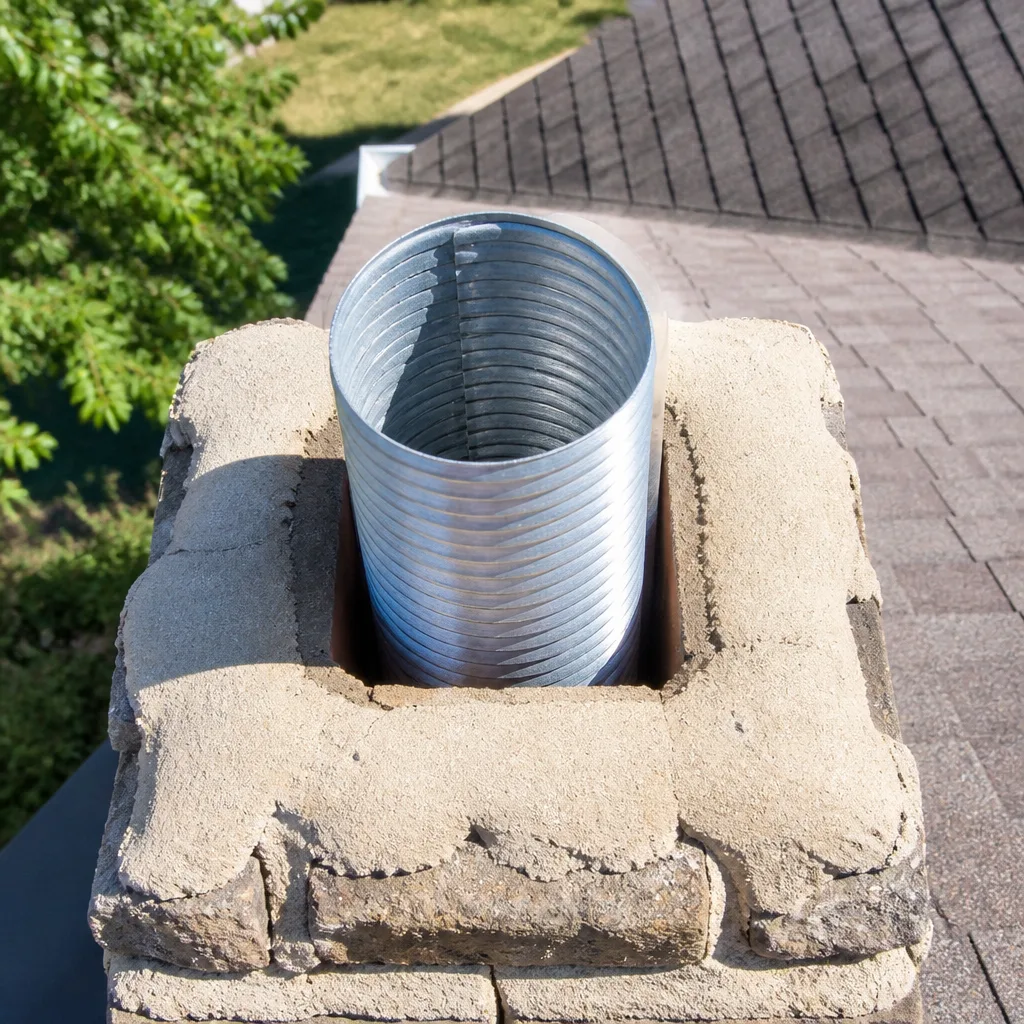
When a report does flag a liner problem, the options matter. A compromised liner doesn’t always mean a full replacement. HeatShield liner restoration is a documented, manufacturer-backed path to repairing a deteriorating liner from the inside without tearing out the whole system, and it addresses the corrosion and cracking that a low-use Miami Gardens flue is prone to. In some cases a new flexible liner is the right answer, and DuraFlex systems cover both masonry fireplaces and prefabricated units. The point is that the report should give you a range of options, each tied to evidence, not a single expensive verdict.
Sweep-Only vs. Inspection-to-Repair Continuity
Here’s a distinction that rarely gets explained before you book. A sweep-only visit cleans the chimney and leaves. If the inspection during that visit turns up a problem, you’re handed a recommendation and sent off to find someone else to fix it. The sweep and the repair are two different appointments, two different companies, and sometimes two different diagnoses of the same flue.
Inspection-to-repair continuity means one company sweeps, inspects, and handles the repair that the inspection finds. The same eyes see the whole problem from start to finish, and the diagnosis and the fix line up because they’re done by the same trade professional.
Why does this matter for a Miami Gardens fireplace? Because the problems a low-use chimney develops, like a corroded liner or a failing crown, are exactly the kind that get discovered during the inspection and need a real repair, not a cleaning. If the person who finds it can’t fix it, you’re relying on a second company’s interpretation of a first company’s report. With continuity, the finding and the repair stay connected, and nothing gets lost in the handoff.
- Sweep-only: cleaning, a report, and a recommendation to find someone to do the repair.
- Inspection-to-repair continuity: cleaning, inspection, a clear report, and the repair handled by the same company.
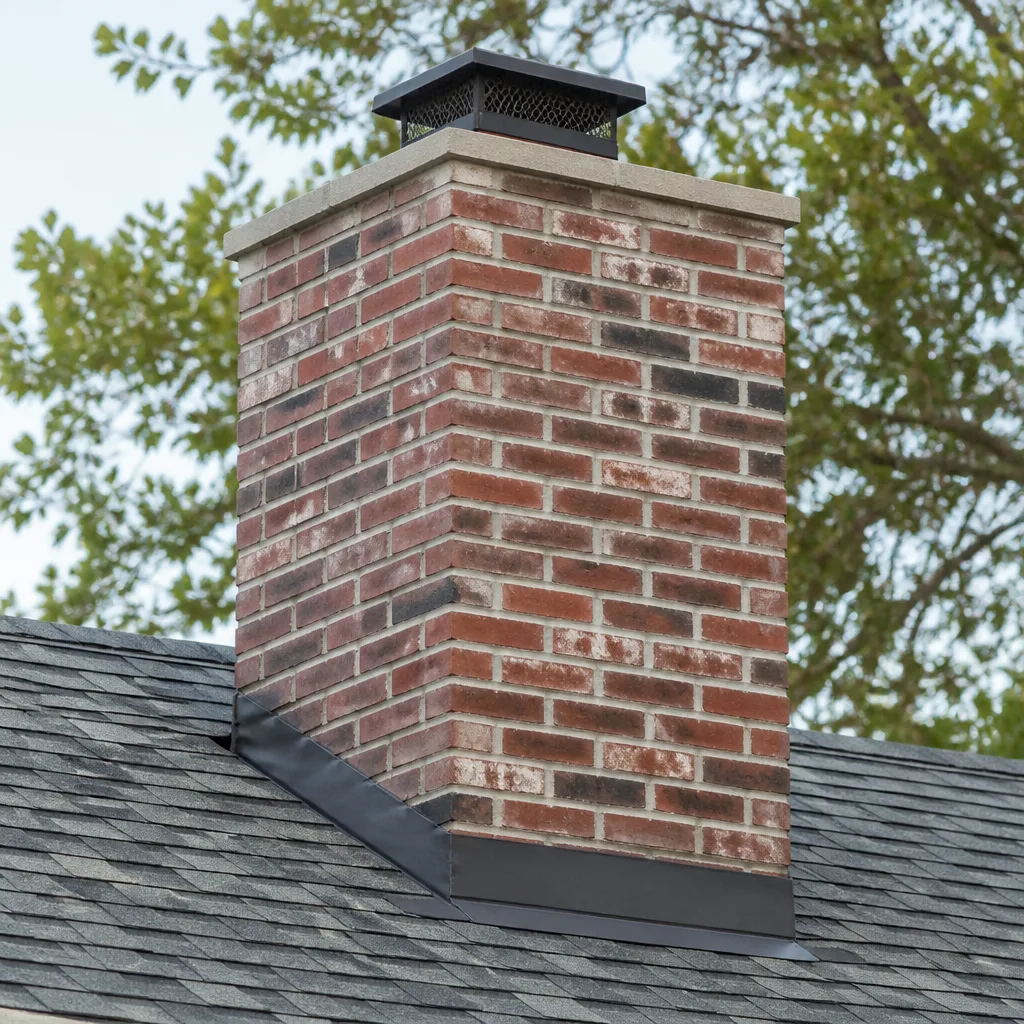
That’s what chimney repair looks like when it’s tied to the cleaning that discovered the need. A chimney is a system, so we inspect, clean, and repair it as one. One call covers the sweep, the inspection, and any repair that follows.
How Often Should You Schedule Cleaning?
For a wood-burning fireplace, an annual chimney cleaning and inspection is the standard, regardless of how much you use it. That’s the recommendation the chimney trade follows, and in a warm-weather climate like Miami Gardens it’s the check against neglect rather than heavy soot. The annual visit is what catches the nesting, moisture damage, and corrosion before they turn into a repair.
The common rule of thumb for how much burning triggers a sweep is the “one-eighth inch” of creosote standard, but that figure is built for cold-climate use. In Miami Gardens, the calendar is the more reliable trigger. Once a year, every year, whether the fireplace ran ten times or twice. For a home that’s sat empty or a fireplace that hasn’t been looked at in several years, book the visit before the next cold snap rather than after.
- Once a year for any wood-burning fireplace or stove in regular seasonal use.
- Before the first fire of the season if you skipped the previous year.
- Before selling or buying a home in Miami Gardens, with a Level 2 inspection for the transaction.
- After any chimney fire, storm damage, or animal intrusion you suspect, even if you never lit a fire.
- Whenever you notice smoke backing up, a strong smell, or draft trouble, rather than waiting for the scheduled visit.
The best time to book is ahead of the short cool season, when the fireplace is about to come back into use and a problem found in the flue still has time to be fixed before you light the first fire. A cleaning that finds an issue and hands you a clear repair path is worth more than a cleaning that just says “all clear” and leaves you hoping.
Common Mistakes to Avoid
- Assuming a rarely-used fireplace is a safe one. Low use hides moisture damage, nesting, and liner corrosion rather than preventing them, so skipping the cleaning because you barely burn wood is the single most common mistake we see in Miami Gardens.
- Treatment-shopping the first recommendation. A liner replacement quoted on the first visit without a camera inspection or photos is a recommendation you can’t verify, and a credible technician will always show you the evidence before recommending major work.
- Ignoring the cap and crown until water gets in. These two parts fail first in South Florida, and a rusted cap or cracked crown lets moisture straight into the flue, turning a small fix into masonry and liner work.
- Confusing a sweep with an inspection. A brush-and-go visit cleans the flue; it doesn’t always document the liner, the cap, and the crown. Ask which inspection level you’re getting and what the report will show.
- Hiring a generalist for a system problem. A chimney is a system, and a handyman with a brush can clean it but can’t diagnose and repair a liner or a crown the way a dedicated chimney trade professional can.
- Lighting the fire before the first-season check. In a climate where the fire gets lit only a few times, the annual inspection is your only warning, and lighting up first means finding out the hard way if the flue is blocked.
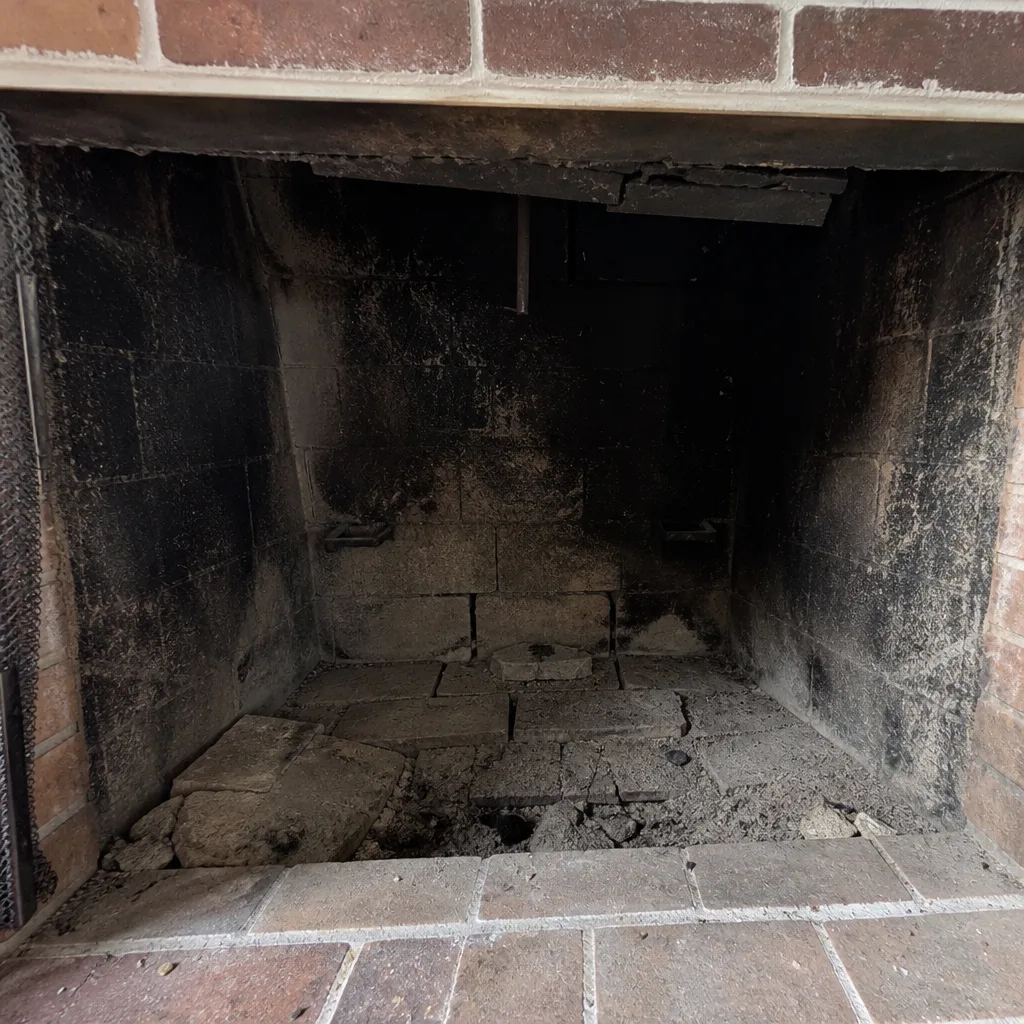
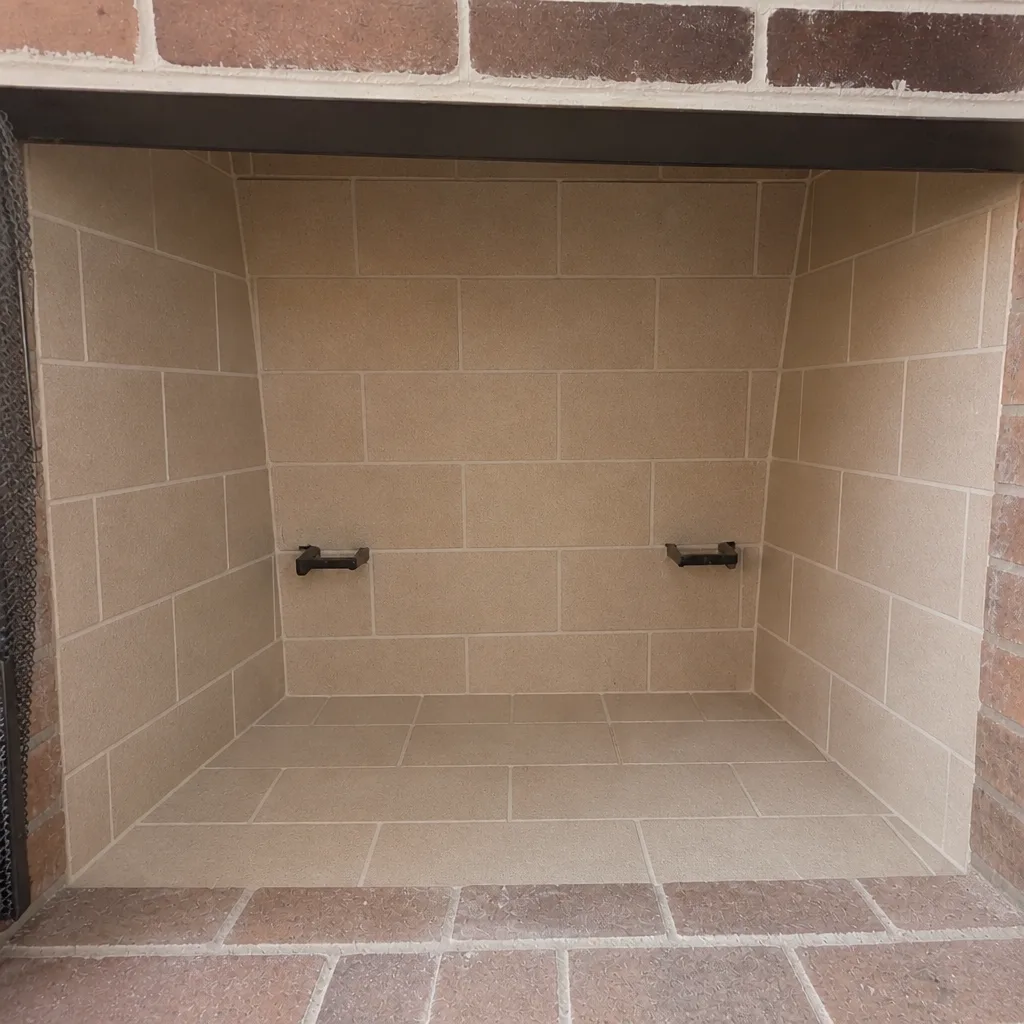
See the difference
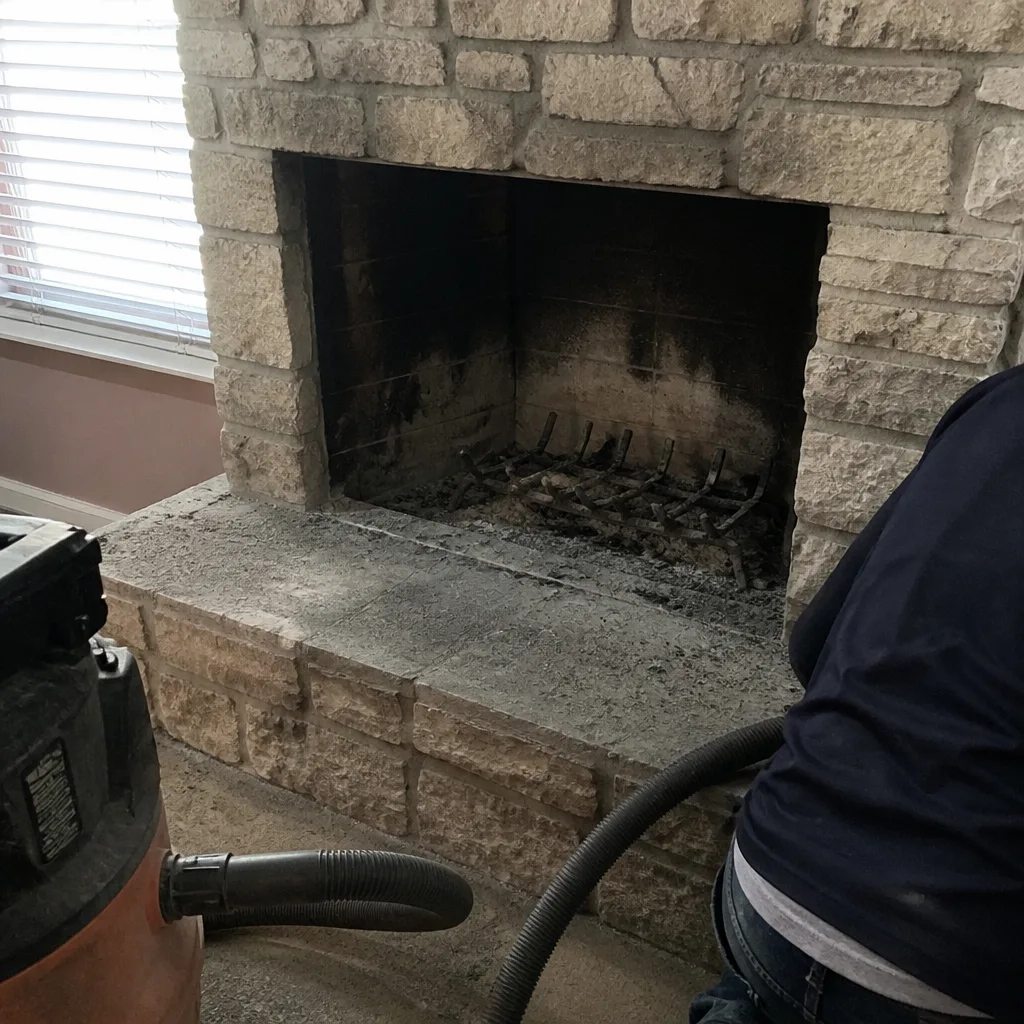 Before
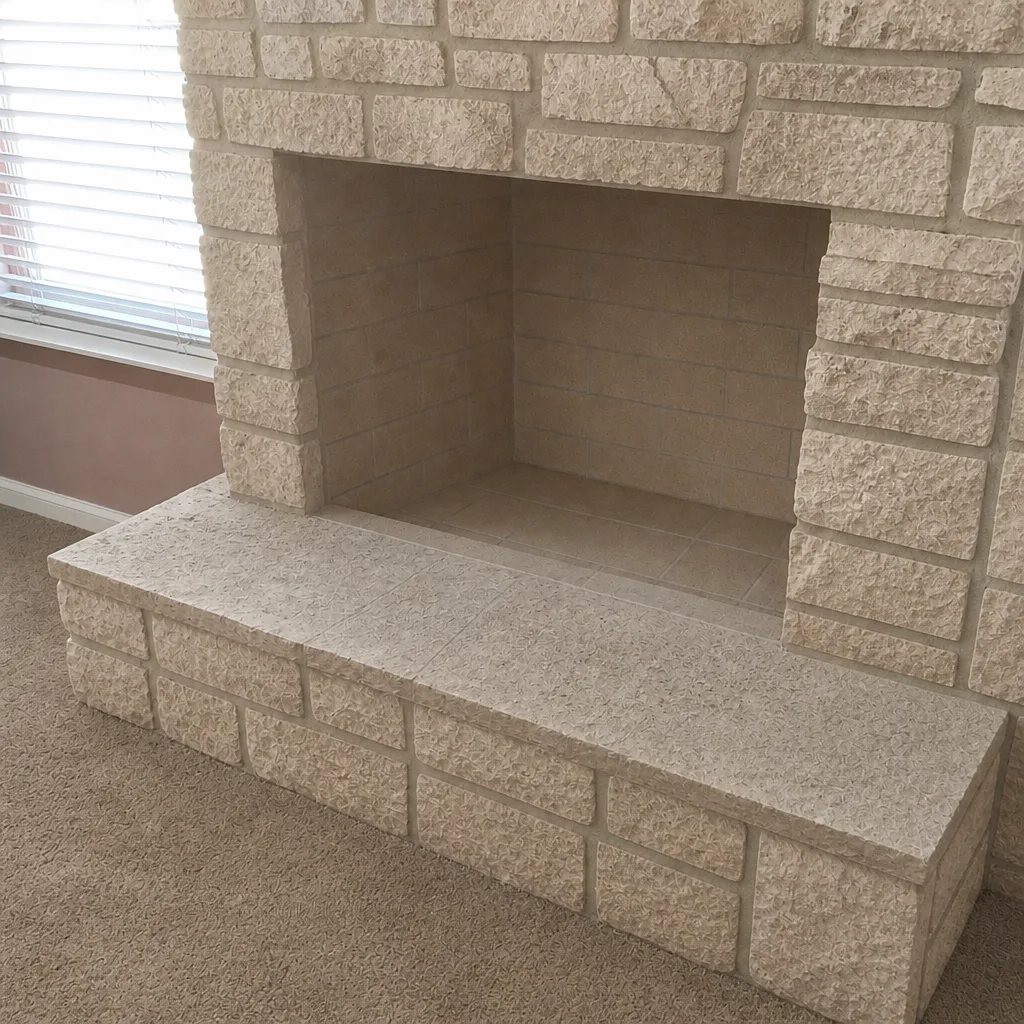 After
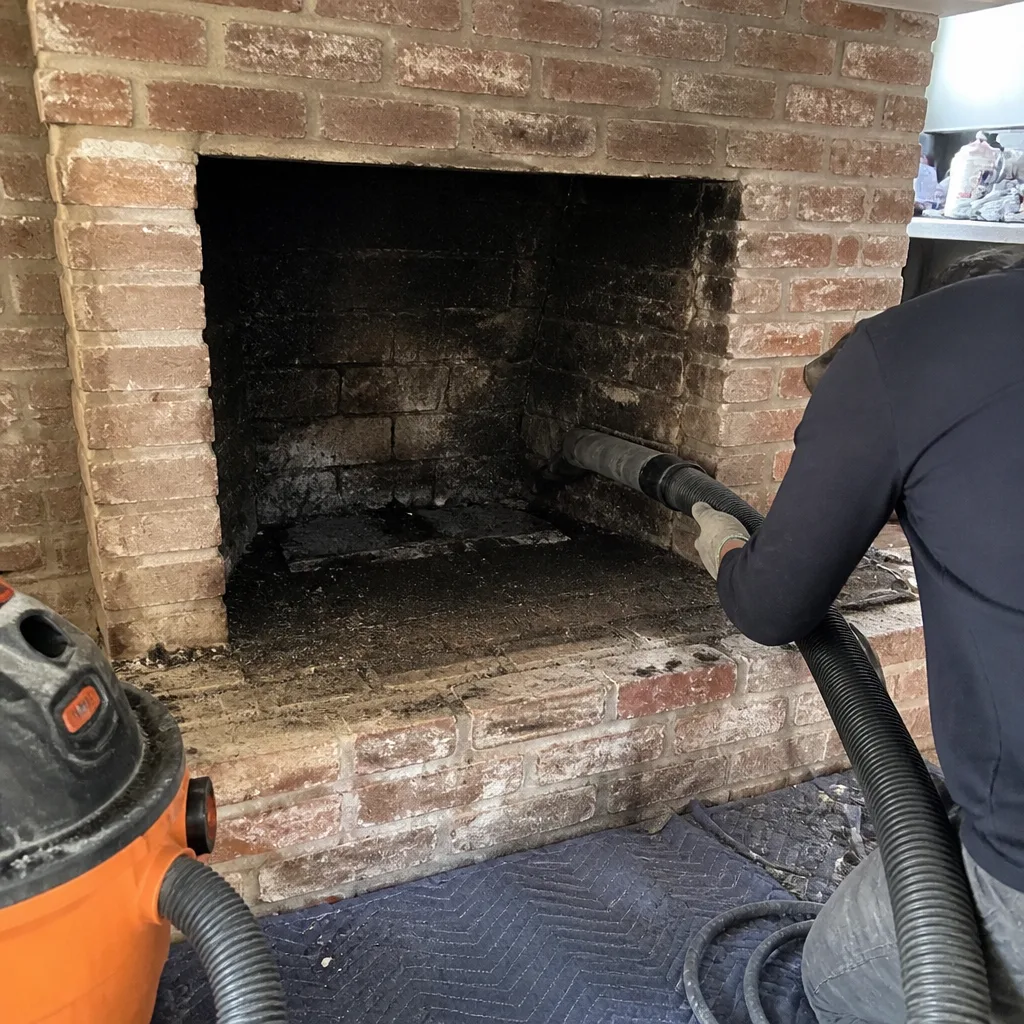 Before
 After
 Before
 After
When to Call a Professional
Some chimney work is fine to wait for the annual visit, and some is a call you make now. Call a professional if you smell smoke or notice soot stains on the wall near the fireplace, if smoke backs into the room when you light a fire, if the draft feels weak, or if you’ve never had the flue looked at and you’re not sure of its history. Call if you suspect animals have gotten in, if the cap is missing or damaged, or if a home inspection flagged anything at all about the chimney. For a wood-burning fireplace, the safe default is that a serious problem should never be found by lighting a fire.
Anchor Chimney Sweep offers free estimates in Miami Gardens. A chimney is a system, and getting the sweep, the inspection, and any repair from one company keeps the diagnosis and the fix connected. Call (844) 560-6429. We answer 24/7. Fast dispatch from 7am to 7pm, Sunday through Friday.
Frequently Asked Questions
Chimney cleaning in Miami Gardens is priced per job by a written estimate, and the estimate is free. The cost depends on the flue’s condition, how much debris or nesting is present, whether a camera inspection is needed, and whether any repair is found. There’s no flat national number because the work varies so much from one system to the next, and a quote that ignores what’s actually in your flue isn’t telling you anything. Call (844) 560-6429 for an exact quote based on your chimney.
Once a year, even if you rarely burn wood. The mild winters here mean the creosote builds slowly, but the same low use lets moisture, nesting, and liner corrosion go unnoticed for months. The annual visit isn’t about soot removal in a warm climate; it’s the once-a-year safety check that catches the quiet problems. Call (844) 560-6429 to book yours before the cool season.
Skipping the cleaning means skipping the only annual check that looks at your flue, liner, cap, and crown. Debris and nesting can block the flue, moisture can corrode the liner, and a cracked crown lets water in until a small repair becomes a masonry and liner job. None of it is visible from the room, and none of it announces itself. Call (844) 560-6429 to get the flue checked rather than guessing.
Not every liner problem means a full replacement. A deteriorating liner can often be restored with HeatShield, a manufacturer-backed system that repairs the liner from the inside without tearing out the whole chimney. The choice between restoration and a new DuraFlex liner depends on what the camera inspection shows, which is why an unverified recommendation to replace is worth questioning. Call (844) 560-6429 for a documented assessment and options.
Most Miami Gardens homes with a wood-burning fireplace and no known issues need a Level 1 for the annual cleaning, while a Level 2 camera inspection is the right call for a home purchase or sale, a change in appliance, or a flue that hasn’t been inspected in a long time. The difference is evidence: a Level 2 shows you the whole liner on camera instead of only what’s visible. Call (844) 560-6429 and ask which level fits your situation.
We handle the sweep, the inspection, and the repair, so you won’t be handed off to a separate contractor to finish what the inspection found. That continuity is the point: the same company that diagnoses a corroded liner or a failing crown can fix it, and we work with the product lines professional chimney contractors rely on. Call (844) 560-6429 to book the whole path in one call.
The Bottom Line
Chimney cleaning in Miami Gardens is a once-a-year safety check, not a soot-removal chore, and the short, warm heating season makes the inspection the most important part of the visit. A low-use fireplace hides animal nesting, moisture intrusion, and liner corrosion that a cold-climate guide would never warn you about. The cap and crown fail first in this climate, so they belong in every inspection. Read the report for evidence, not a vague all clear. And when a problem turns up, having the sweep, the inspection, and the repair handled by one company keeps the diagnosis and the fix connected. That’s what Anchor Chimney Sweep is built around.
Ready to book the sweep and find out what your flue has actually been doing through the quiet months? Call Anchor Chimney Sweep at (844) 560-6429 for a free estimate. We answer 24/7. Fast dispatch from 7am to 7pm, Sunday through Friday. If you’d like to see how the service works, start with a professional chimney sweep in Miami Gardens, and Anchor holds – so does our work.
Written by the team at Anchor Chimney Sweep.