

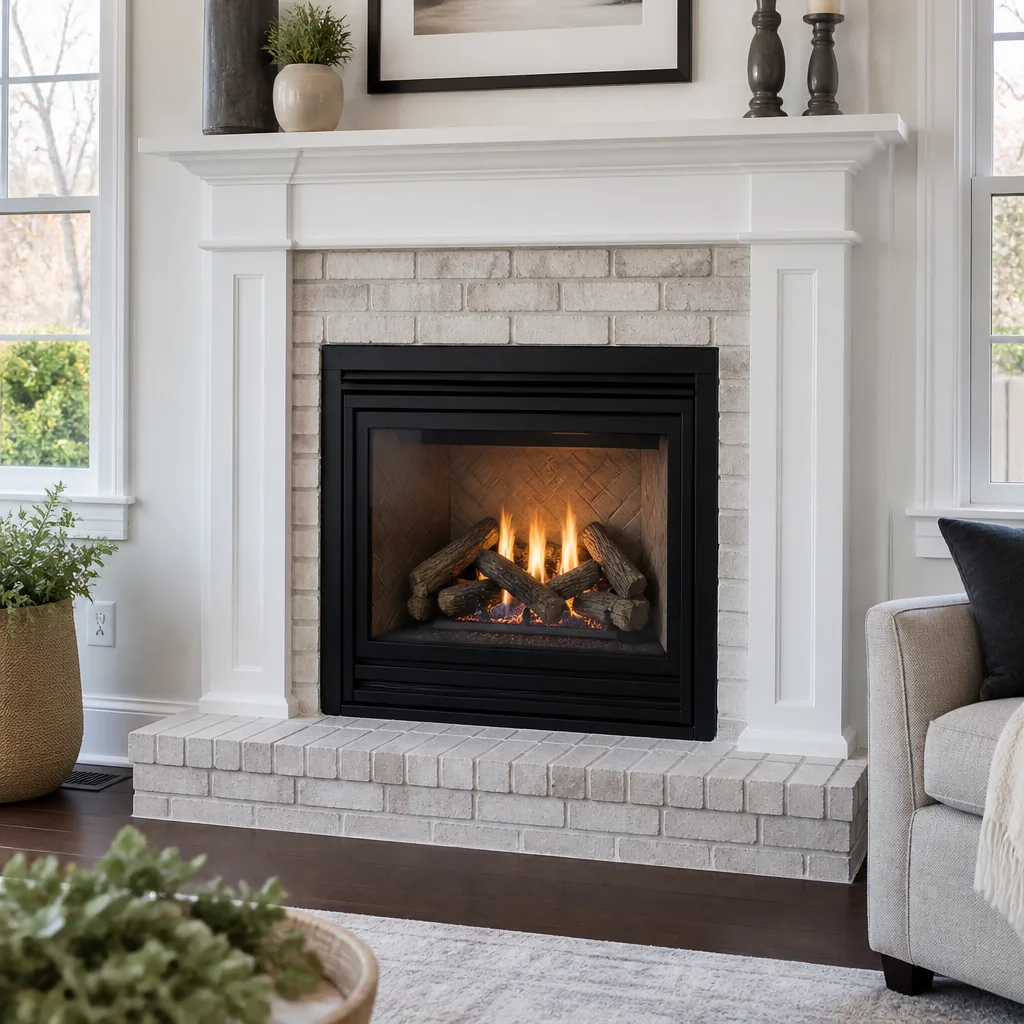
 Gas fireplace service
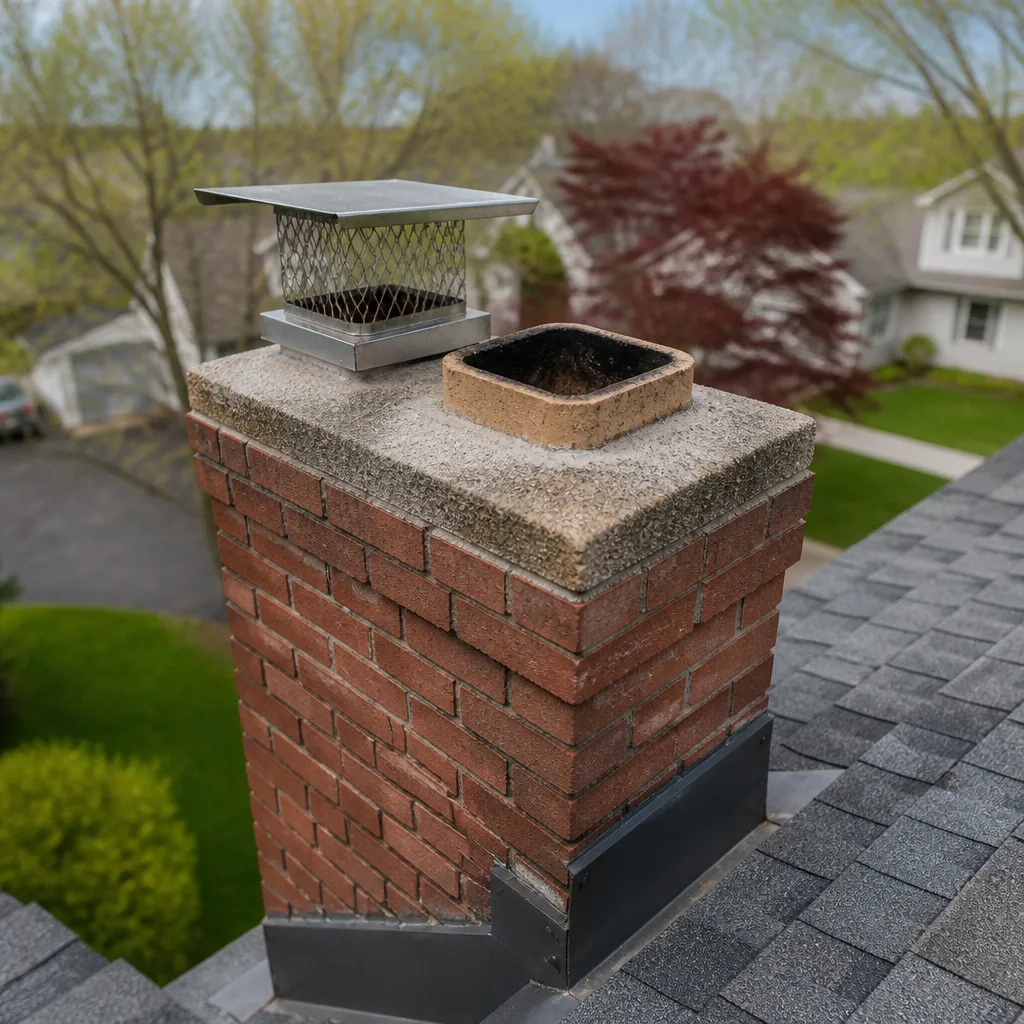 Sweep & inspection
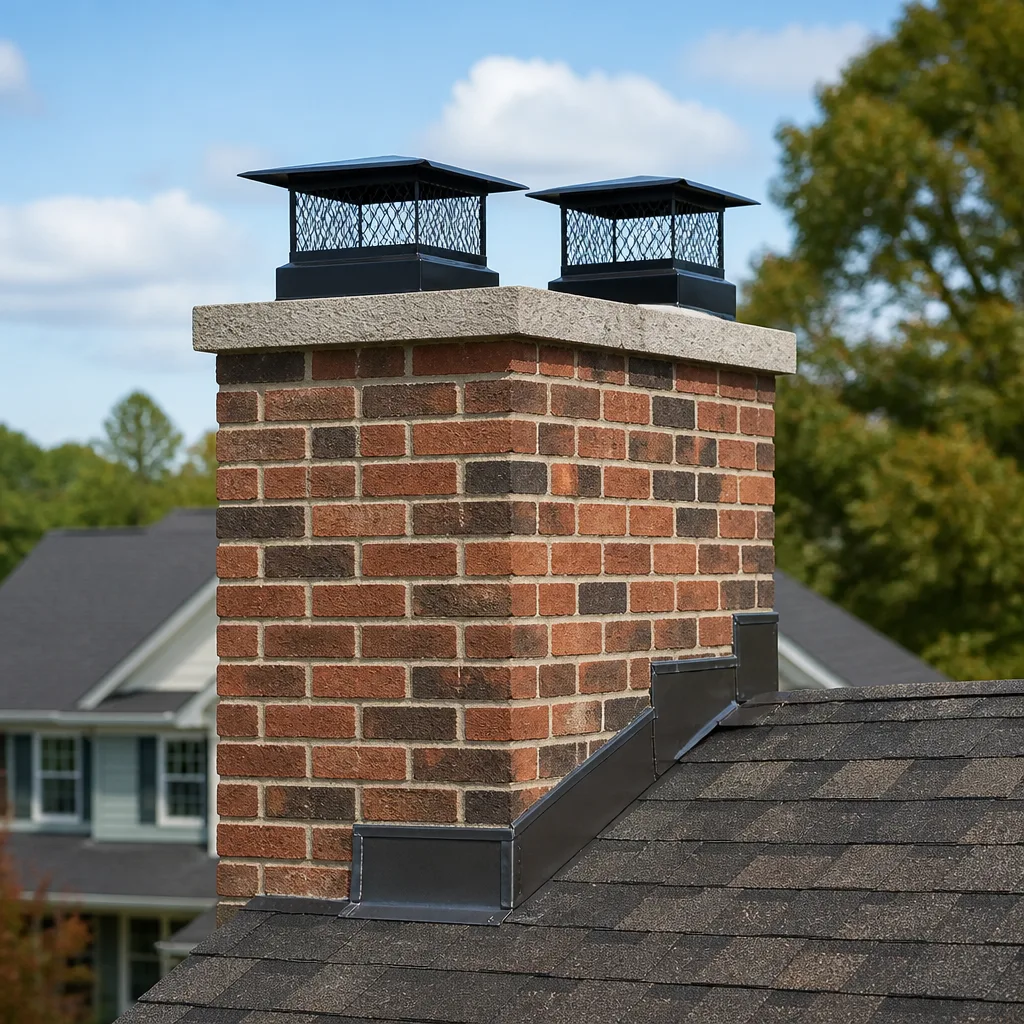 Caps & crowns
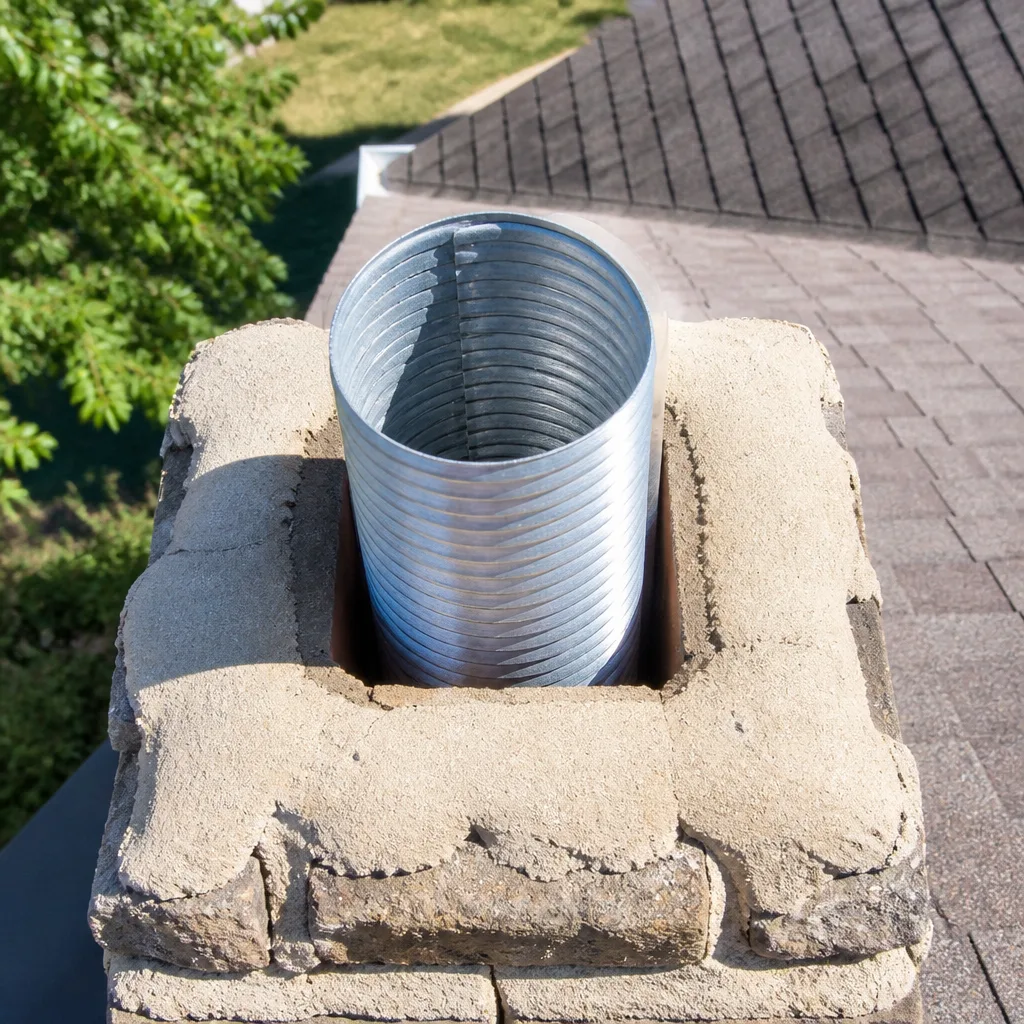 Flue relining
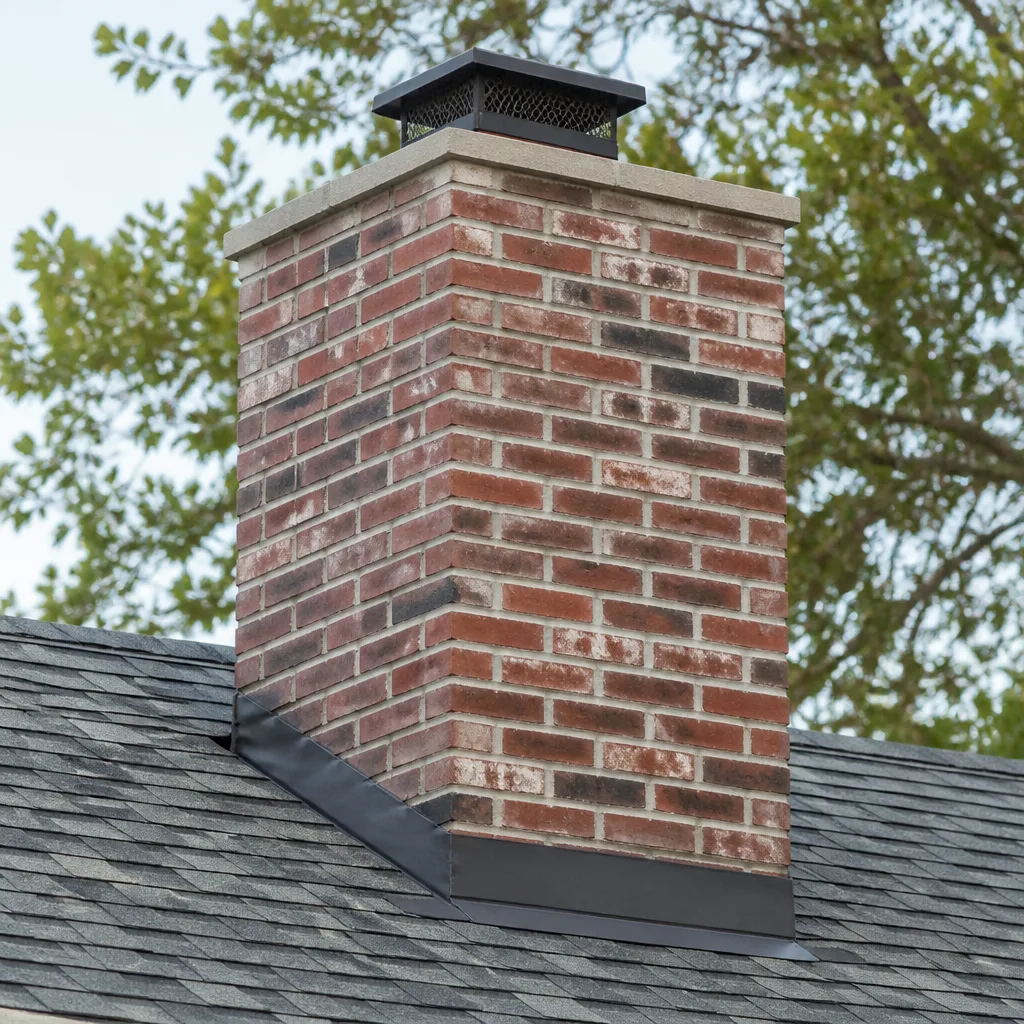 Masonry repair
Level 1 sweep and inspection to the NFPA 211 annual standard - flue, crown, cap, and flashing checked and photographed
Chimney sweep logs do not sweep chimneys. They loosen some creosote - which then falls where a brush and vacuum still have to collect it.
Why Miami Gardens Homeowners Choose HeatShield Chimney Cleaning
We provide independent HeatShield chimney cleaning, inspection, and repair service in Miami Gardens, and we work on HeatShield-cast flues as an independent service provider. That means we resurface and repair HeatShield liners without any manufacturer authorization, affiliation, or warranty backing from HeatShield. What we bring instead is hands-on familiarity with how a cast refractory liner actually behaves in South Florida heat, humidity, and hurricane-season driving rain, plus the three disciplines that keep a flue healthy: sweeping, inspection, and repair under one company. A chimney is a system. We treat it as one, from the first Level 2 inspection to the last mortar joint.
Call (844) 560-6429 for a free estimate. We answer 24/7. Fast dispatch from 7am to 7pm, Sunday through Friday.
Key Takeaways
- We serve HeatShield-lined fireplaces in Miami Gardens independently, with no HeatShield authorization implied.
- HeatShield’s cast, textured flue surface holds soot and creosote differently than smooth clay tile.
- Most Miami Gardens fireplace problems start with water, not wood smoke.
- Repair-vs-replace decisions follow what the camera and the surface actually show.
- Our technicians have up to 8 years of experience.
Why Trust Anchor Chimney Sweep for Your HeatShield Chimney Cleaning?
Because we know the difference between a HeatShield cast liner and a standard clay-tile flue, and we work on both the same way a chimney professional should. HeatShield is a flue resurfacing product. It gets applied as a cast surface, and a cast surface has its own failure pattern: it can crack at the shoulders, separate from the tile behind it, and collect residue in its texture. We’ve learned to read those patterns, and we choose repair materials that match the liner rather than forcing generic hardware into a system it wasn’t built for.
Part of that is picking quality parts that fit the equipment. A cap that doesn’t seat properly lets rain in no matter how good the liner is. A crown that’s pitched wrong sends water straight down the flue. We match components to the heat-resistant material of the flue and to the way it was built. Nothing gets substituted just because it’s easier to source.
We also work warranty-safe. That means choosing methods and materials that respect how the liner was constructed and documented, so a resurfacing job doesn’t quietly undermine the surface it’s meant to protect. Our experience is real: our technicians have up to 8 years of experience working with cast refractory liners and the components around them. That’s technician experience, not the age of the company.
And because inspection, sweeping, and repair all sit with one company, nobody hands you off to a separate contractor to finish what the inspection uncovered. One call covers the diagnosis and the fix.
Styles & brands we work with
- Sweep & inspection
- Caps & crowns
- Flue relining
- Masonry repair
- Gas fireplace service
Common HeatShield Chimney Cleaning Problems We Fix in Miami Gardens
HeatShield flues in Miami Gardens tend to fail from water and disuse, not from heavy winter burning. Most of these fireplaces sit idle nine months a year. When they do get used, the cast surface is where problems show up first. Here are the five we see most.
- Hairline cracking and spalling at the flue top. When the crown or cap is missing or worn, rain intrudes and works on the cast HeatShield surface. Over time the surface breaks down into hairline cracks and small spalls that flake loose. It often starts at the top, where wind-driven rain hits hardest.
- Debonding between the liner and the clay tile behind it. A HeatShield resurfacing system applied over an existing clay flue can separate. The bond between the cast surface and the tile isn’t always visible from the firebox, so a Level 2 inspection is usually what exposes it. Once exposed, we can tell how far the separation runs.
- Efflorescence and moisture staining on the firebox and smoke chamber. White chalky staining or a musty smell usually points to a failed joint at the flue collar, where moisture tracks down past the liner. It’s a water-path problem, not a soot problem. Stopping it means finding the entry point, not just scrubbing the stain.
- Residue packed into the cast liner’s texture. HeatShield’s corrugated surface holds soot and creosote more than smooth clay tile does. That’s by design, but it means residue builds faster along the ridges. A proper sweep with the right brush type is what clears it without abrading the surface.
- Cast-liner flues fitted with a wood or gas insert. An insert added later changes how the flue vents. Temperature and flow differ, and the liner has to handle them. When a HeatShield-lined masonry fireplace gets an insert, the fit and the flue sizing both deserve a look before anyone lights a fire.
In a Miami Gardens ranch house, the water path matters more than the burn pattern. Driving rain and hurricane-season intrusion through a loose cap or a worn crown cause most of what we see. Post-storm calls often start with a cap torn loose and end with a liner that’s been wet for weeks. Block construction and stucco mean moisture moves differently here than it does in a wood-frame home, and it can sit inside a capped, unused flue for a long stretch before anyone notices. That’s why the crown repair and the cap tend to come before anything else.
HeatShield Parts & Our Repair-vs-Replace Approach
A HeatShield liner gets repaired in place with compatible refractory castable and ceramic mortar, not swapped for generic off-the-shelf parts. That’s the core of how we approach these flues. The question isn’t whether the liner looks worn. It’s whether the cast surface is still bonded and structurally sound.
If it is, a sound HeatShield flue is usually worth resurfacing instead of tearing out. Repair in place preserves what’s there and addresses the failure point directly. If the liner has fully debonded or cracked through, though, that’s honestly a rebuild-or-relining conversation, not a patch. We’ll tell you which one you’re looking at. We don’t claim to stock or source OEM or genuine HeatShield parts. We use quality materials that fit the system and respect how it was built.
Nothing gets recommended without evidence you can see for yourself. We document what the inspection finds so the decision is yours.
Call (844) 560-6429 for a free estimate.
Our HeatShield Service Process – Step by Step
- 1
Diagnosis. A Level 2 inspection is the starting point for any HeatShield-lined flue, especially after a storm or a long idle season. We check the crown, the cap, the flue collar, and the bond between the cast surface and the tile behind it. Camera inspection and a photo report are included, so you see what we see.
- 2
Repair or install. Repairs use compatible refractory castable and ceramic mortar. Where a resurfacing system is going over an existing clay flue, the surface gets prepared first. If the job needs a crown or cap replaced to stop water, we handle that too. If the answer is a rebuild or relining, we tell you why before anyone starts.
- 3
Test. Once the surface is repaired, we check the joint at the flue collar and confirm the flue drafts and the cap and crown shed water correctly. Nothing gets closed up until the fix holds.
- 4
Warranty-safe record. We document the work and the condition of the liner so the surface can be tracked over time. That record matters at resale and during any future inspection.
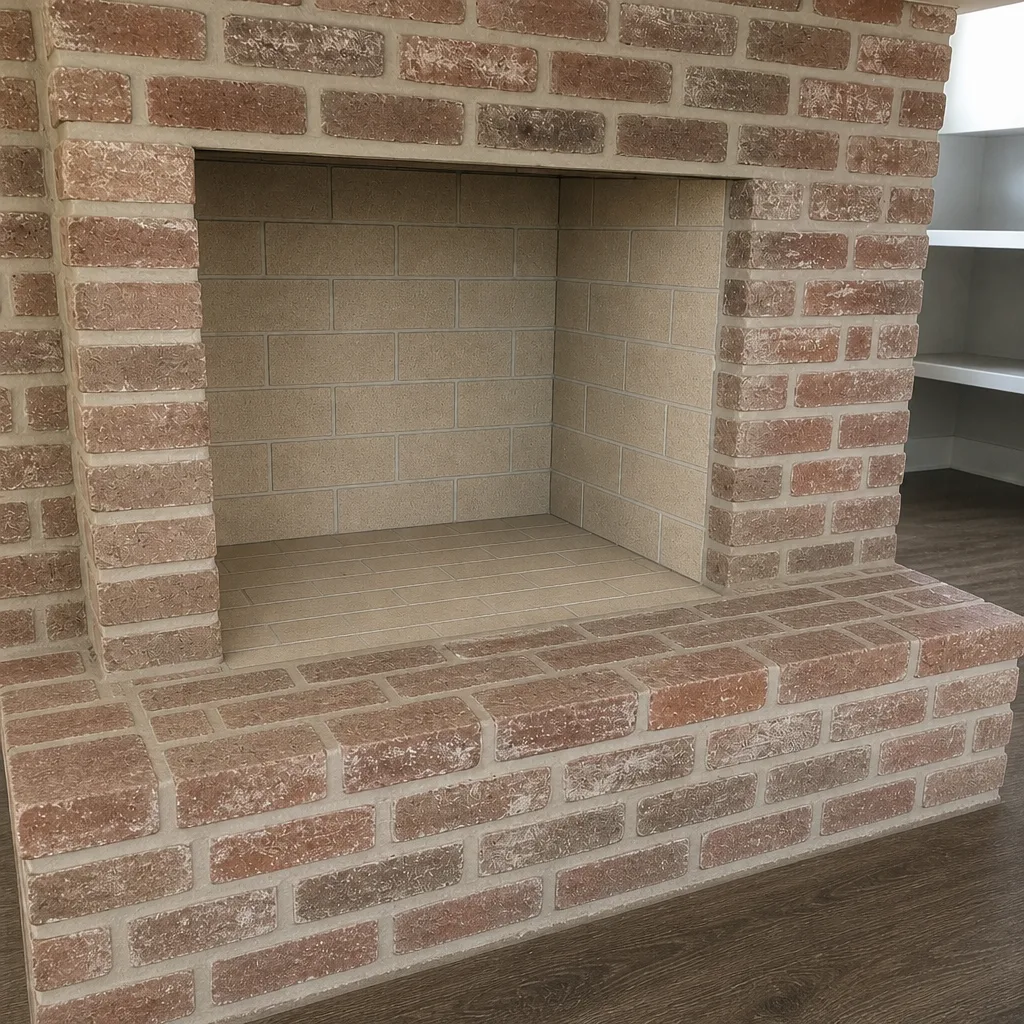
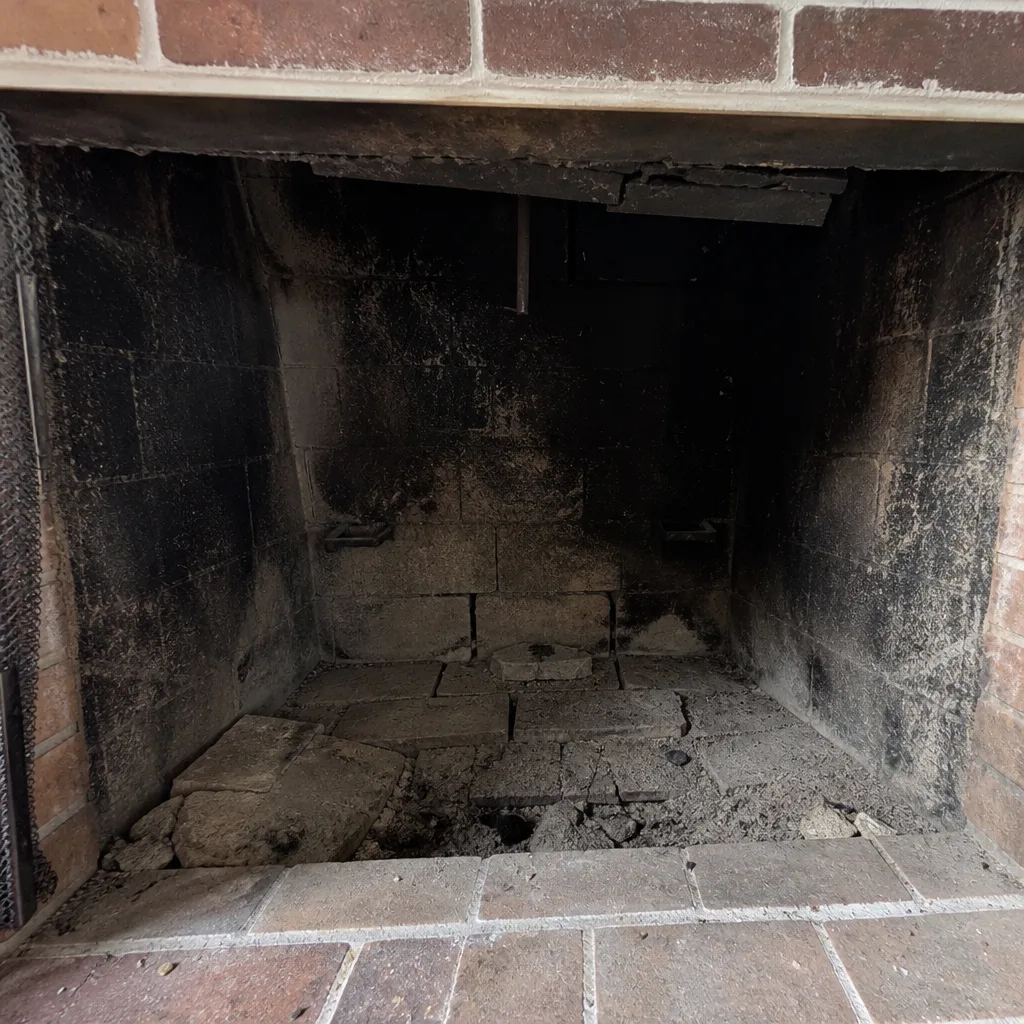
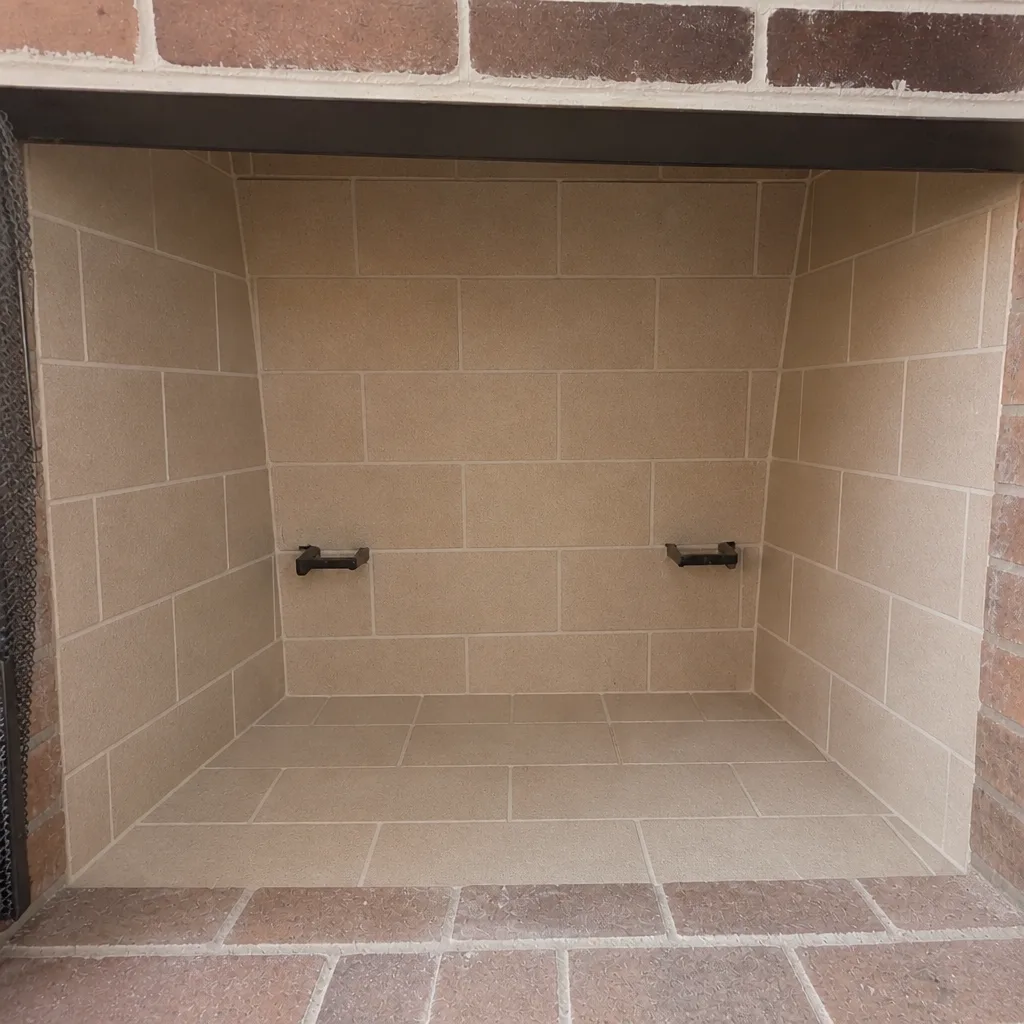
See the difference
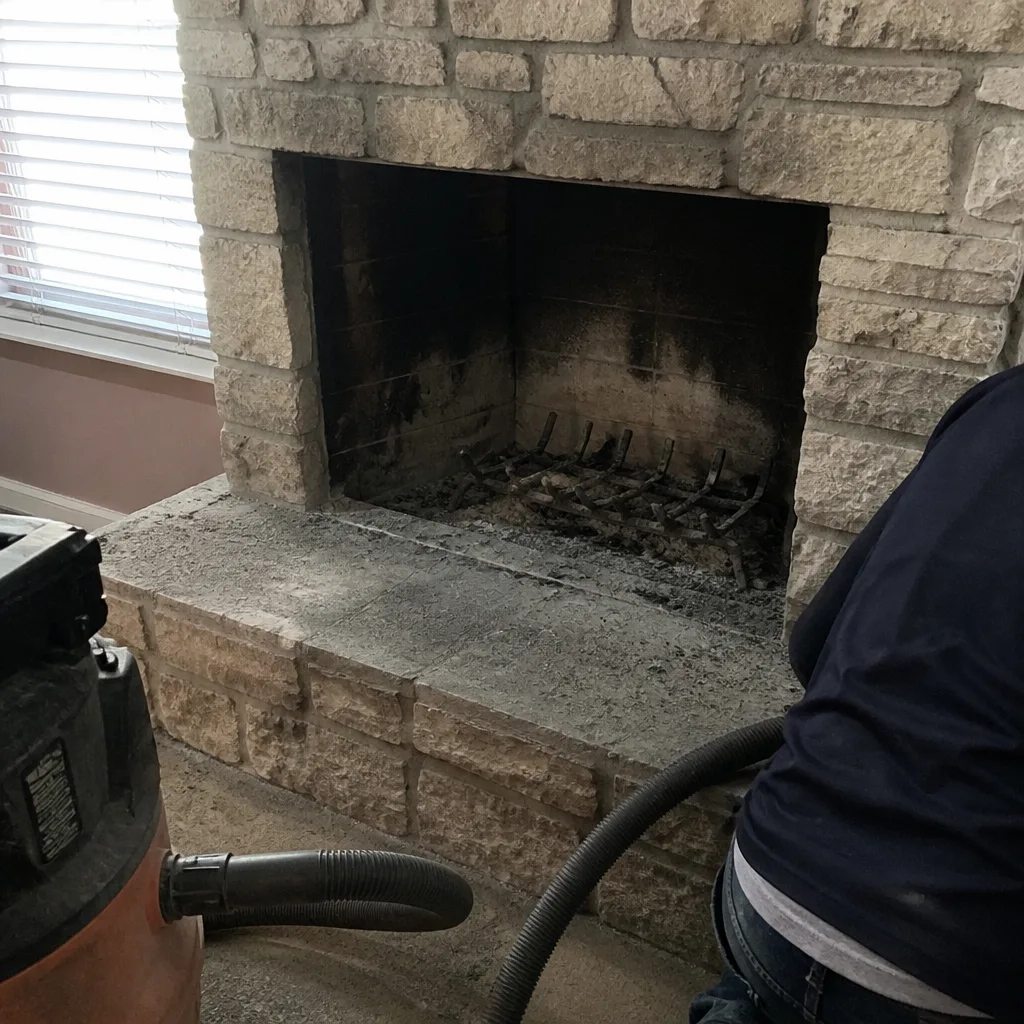 Before
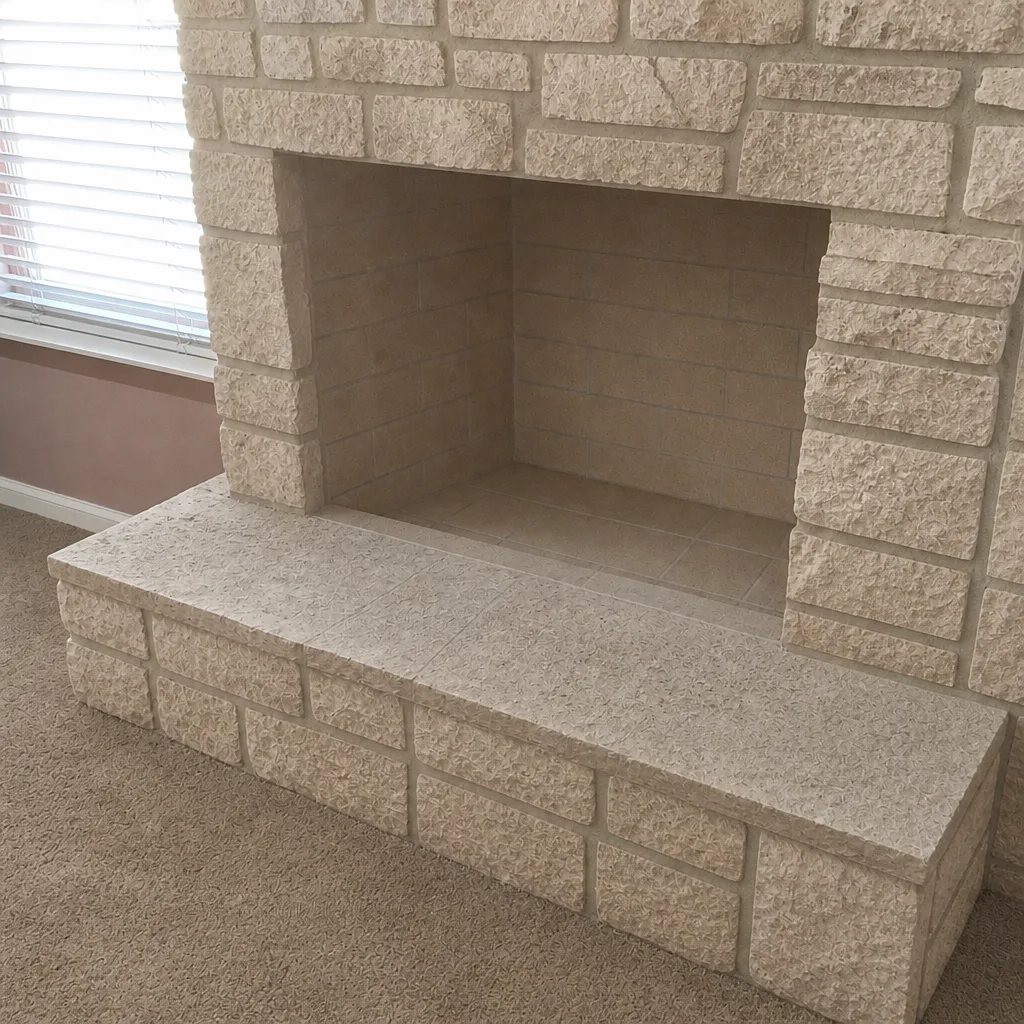 After
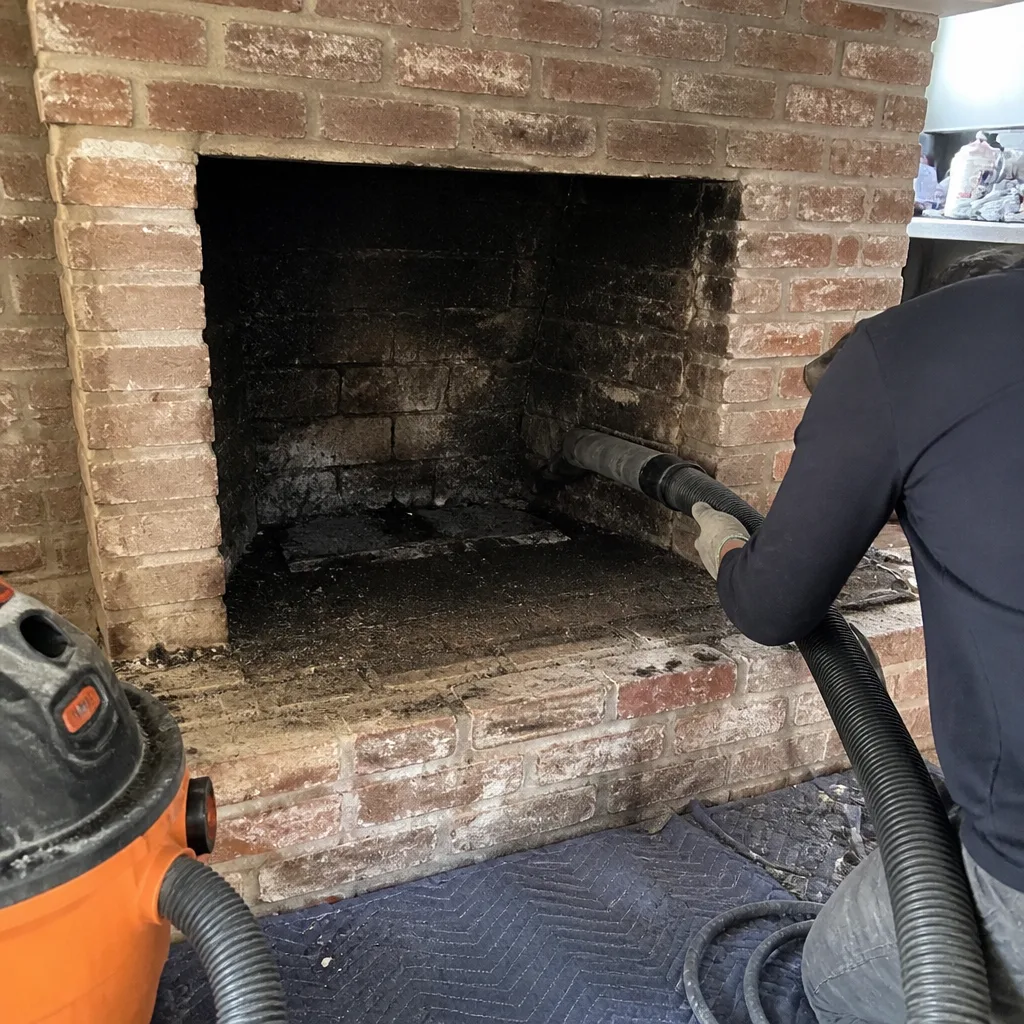 Before
 After
 Before
 After
HeatShield Products We Service & Install in Miami Gardens
We work on three kinds of HeatShield flue systems. The original cast-in-place refractory flue liner, poured in a single course, is one. We inspect it, sweep it, and repair its cast surface as needed. The HeatShield resurfacing system applied over an existing clay-tile flue is another; it goes on top of the tile, and its condition depends on that bond. And the ceramic and refractory mortar joint repair within a cast liner, which keeps the joints between sections sealed. We also work on HeatShield-lined flues on masonry fireplaces later fitted with a wood or gas insert. Each one behaves a little differently, and each gets the same discipline: inspect first, then clean, then repair only what needs it.
We Also Service These Brands
Anchor Chimney Sweep isn’t a single-brand shop. We work with and install products from DuraFlex and Gelco as well, which matters when a job needs a flexible liner system or a properly fitted cap, damper, or vent cover. That range means a HeatShield liner that turns out to need a different solution gets one from the same company. No handoffs to a separate contractor, and no forcing one brand into a job it doesn’t fit.
FAQs – HeatShield Chimney Cleaning Service in Miami Gardens
Yes, but it takes a different approach. A HeatShield cast liner has a textured, corrugated surface that holds soot and creosote more than smooth clay tile, so the sweep has to work the ridges without abrading the cast surface. We use brush types suited to cast refractory lining, which is not the same as running a standard rotary brush up a clay flue. Call (844) 560-6429 for a free estimate.
A Level 2 inspection usually tells you. HeatShield is a flue resurfacing product, and it has a cast, textured surface that looks distinct from bare clay tile. The texture, the color, and the way it’s bonded to the tile behind it are all tells. If you’re not sure what’s in your flue, an inspection settles it before any sweeping or repair work starts. Call (844) 560-6429 for a free estimate.
Not always. Hairline cracking and spalling at the surface are often repairable with compatible refractory castable and ceramic mortar, especially if the bond to the tile is still sound. Full debonding or a crack that runs through the liner is a different story and usually points to a rebuild-or-relining conversation. The inspection findings decide, not a guess. We don’t recommend work you can’t verify. Call (844) 560-6429 for a free estimate.
That smell usually means moisture is getting in, not that the fireplace is dirty. In Miami Gardens, the likely entry points are a worn crown, a loose cap, or a failed joint at the flue collar. Fixing the water path is the actual fix; deodorizing won’t solve it. Call (844) 560-6429 for a free estimate.
Yes, it tends to collect faster than on smooth clay tile. The cast, corrugated surface gives soot and creosote more places to settle, so the ridges need attention at every sweep. That doesn’t make the flue bad, but it means the surface has to be cleaned properly and more carefully. Call (844) 560-6429 for a free estimate.
A typical HeatShield sweep costs in the range a standard chimney sweep does, and any repair is quoted separately after the inspection. The price is set per job by the written estimate, and the estimate is free. Nothing gets recommended without camera evidence you can see for yourself. Call (844) 560-6429 for an exact quote, and the estimate is free.
Book Your HeatShield Service in Miami Gardens, FL
If your Miami Gardens fireplace has a HeatShield liner, it deserves a technician who knows how that surface behaves in this climate. We sweep it, inspect it, and repair it as one system. Call (844) 560-6429 for a free estimate. We answer 24/7. Fast dispatch from 7am to 7pm, Sunday through Friday.
Written by the team at Anchor Chimney Sweep.