
Last updated November 16, 2026
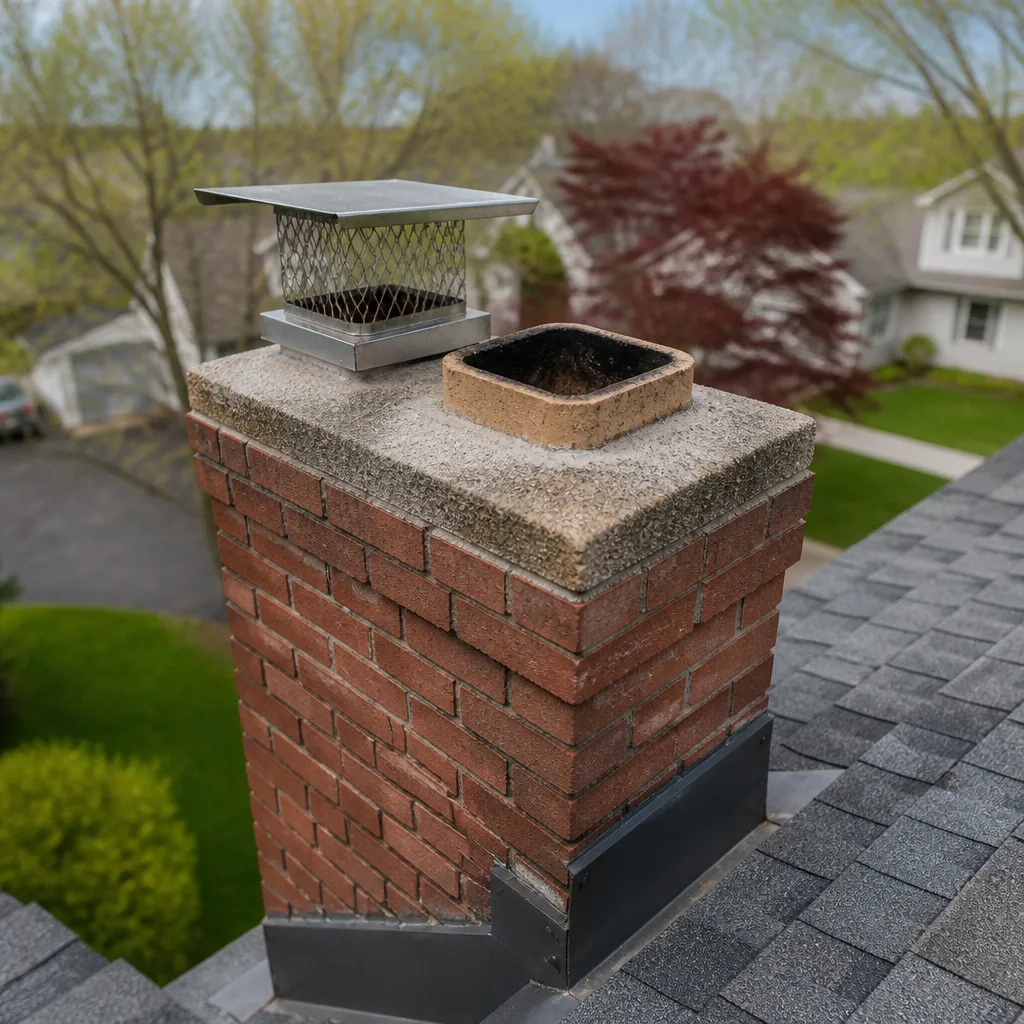 Sweep & inspection
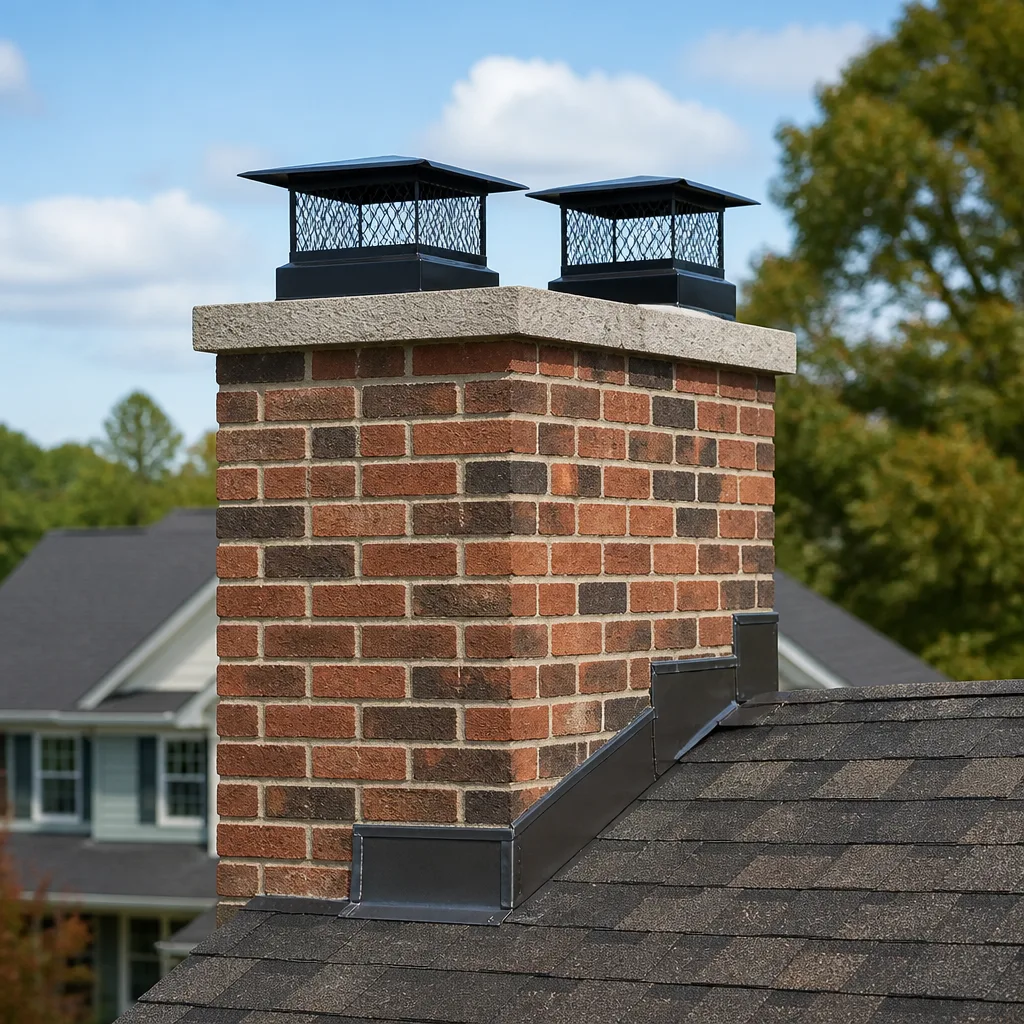 Caps & crowns
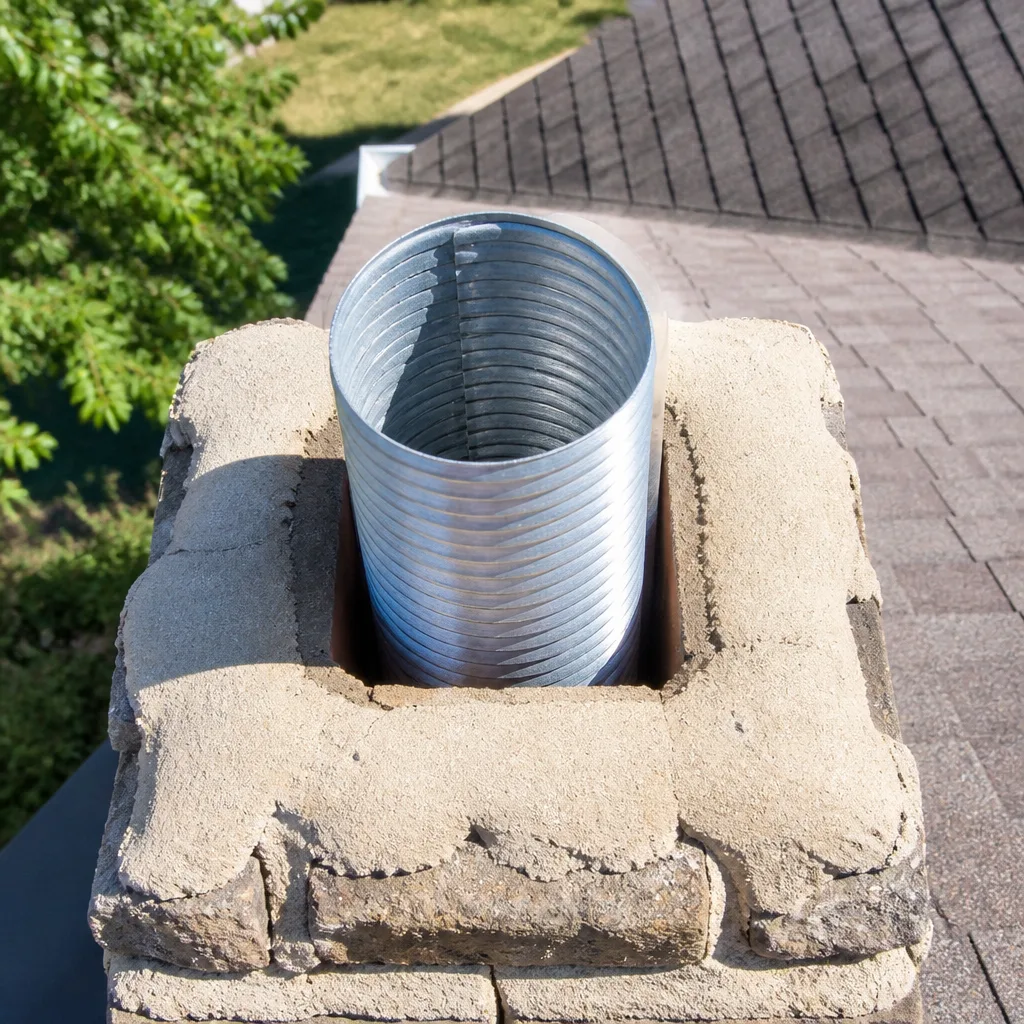 Flue relining
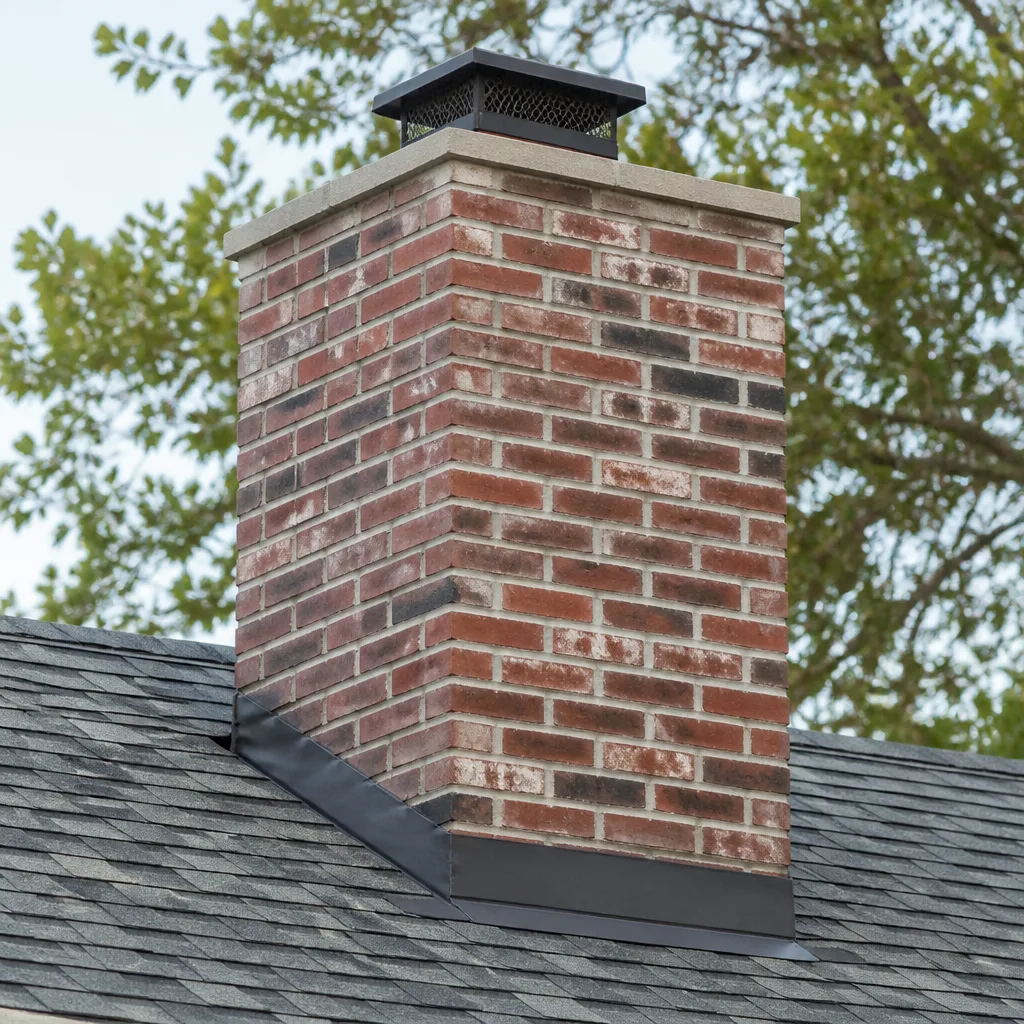 Masonry repair
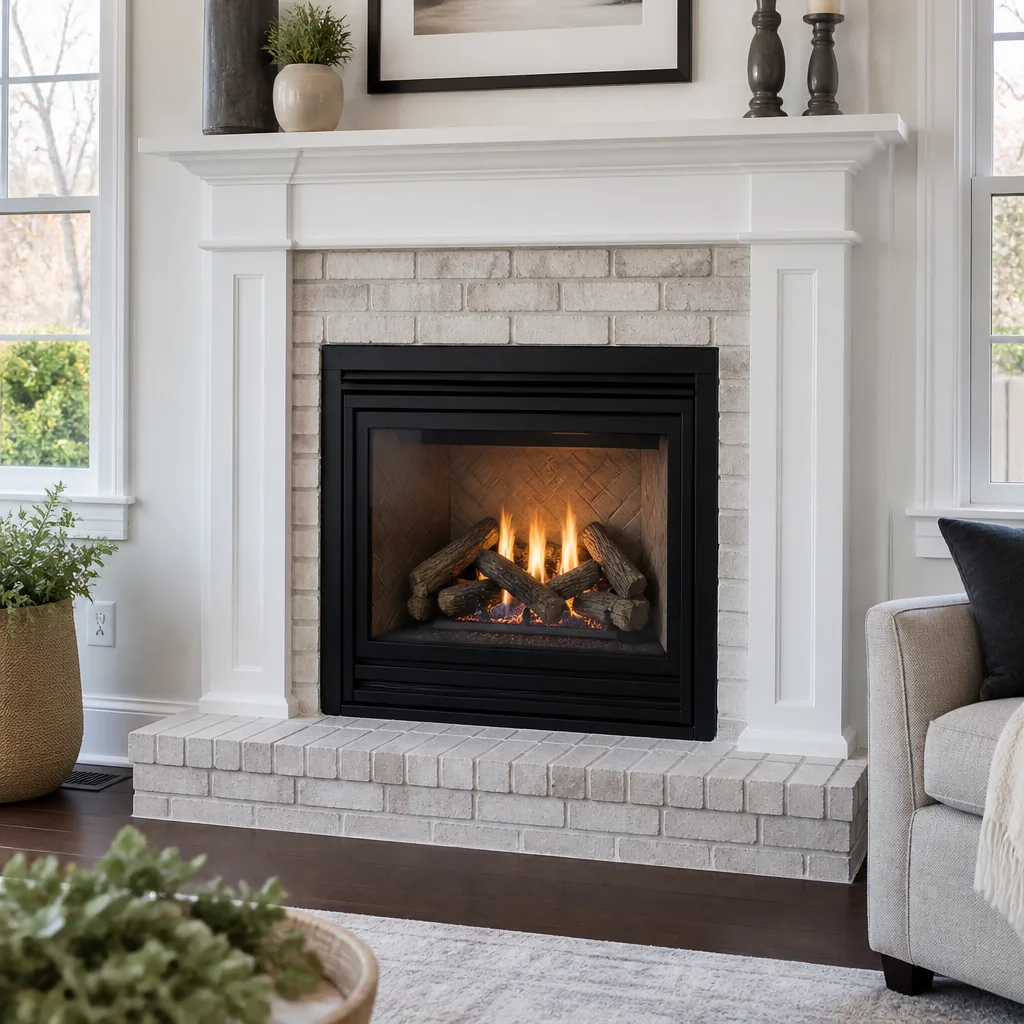 Gas fireplace service
Level 1 sweep and inspection to the NFPA 211 annual standard - flue, crown, cap, and flashing checked and photographed
Chimney sweep logs do not sweep chimneys. They loosen some creosote - which then falls where a brush and vacuum still have to collect it.
Chimney Sweep Maintenance Schedule: What to Do and When
If you schedule your chimney cleaning in January because that’s when your Northern relatives do it, you’re probably cleaning a chimney that hasn’t been tested since before hurricane season. Most chimney advice online was written for homes that burn wood from October to April, in places where winter means snow. Miami Gardens doesn’t work that way. Our burning season is short, our storms arrive in summer, and a chimney can sit untouched for eight months without anyone thinking about it. This guide resets the maintenance clock around how homes in Miami Gardens actually live. You’ll get a month-by-month calendar, a pre-season check you can do yourself, and a clear answer to what an “annual sweep” really includes.
Quick Answer
A working chimney in Miami Gardens should be swept once a year, timed after your last fire of the season and before June 1 so the cap, crown, and flashing are evaluated ahead of hurricane season. If you burn wood regularly, add a sweep whenever creosote reaches about an eighth of an inch inside the flue. A gas fireplace still needs an annual flue inspection even though it produces no creosote. Any chimney that sat dormant through summer gets a draft and firebox check before its first fire in November.
Styles & brands we work with
- Sweep & inspection
- Caps & crowns
- Flue relining
- Masonry repair
- Gas fireplace service
Table of Contents
- The Miami Gardens Chimney Calendar, Month by Month
- The Pre-Hurricane Season Checklist (Before June 1)
- The Post-Dormancy Check Before Your First Fire
- Gas Fireplaces vs. Wood-Burning: Different Intervals, Same Rule
- What an “Annual Sweep” Actually Covers
- Level 1 vs. Level 2 Inspection: What Gets Skipped
- Storm Season and Your Chimney: After the Weather Passes
The Miami Gardens Chimney Calendar, Month by Month
Our local climate breaks the year into three phases for a chimney: the short burning window, prolonged dormancy, and storm season. A calendar that ignores those phases misses everything that actually matters here. The schedule below fits a wood-burning fireplace or stove. Adjust the sweep month if your heaviest use falls elsewhere, but keep the pre-hurricane and pre-season checkpoints where they are.
The three local phases
- Fireplace window (November through March): The months residents actually light fires. Nights dip into the 60s and the fire gets used most weekends. Creosote accumulates here.
- Prolonged dormancy (April through October): The fire sits cold for roughly seven months. This is when neglect, animals, and loose debris do their damage unnoticed.
- Storm season (June 1 through November 30): The Atlantic hurricane season overlaps the start of your burning window. Rain, wind, and debris test the cap and crown before the first fire.
Month by month
- April: Book your post-season sweep and Level 1 inspection. This is the cleanest time to catch damage from the winter’s burn before summer dormancy.
- May: Complete any repair the inspection flagged. Water leaks, a cracked crown, or a loose cap need fixing before June.
- June 1: Hurricane season begins. Your chimney should already be in storm-ready condition.
- July through September: Peak storm risk. After any major weather event, check the cap from ground level with binoculars before worrying about a full inspection.
- October: Post-storm check if any weather hit. Confirm the cap, crown, and flashing survived.
- November: The post-dormancy check before the first fire. Run the draft test described further down.
- December through February: Peak burning months. Watch the firebox and flue for heavy soot buildup.
- March: Last fires of the season. Schedule the April sweep.
This is the rhythm we work to at Anchor Chimney Sweep. It fits Miami Gardens homeowners who light fires for a handful of cool evenings and then let the chimney rest for most of the year. Homes that burn nearly every night from November through March need the sweep moved to late season, so creosote is removed right after the heaviest use.
The Pre-Hurricane Season Checklist (Before June 1)
Every chimney in Miami Gardens should be evaluated for storm readiness before June 1, regardless of how many fires you lit. The reason is simple: a chimney is a structure on your roof, and a category 1 or 2 storm tests every one of its exterior components. Three parts fail most often under wind and driving rain: the cap, the crown, and the flashing. Each can be inspected without climbing anything.
What to look for before June 1
- Cap integrity: A chimney cap should sit flat and snug over the flue. Loose legs, a bent top, or a missing cap means rain and animals get straight in. The cap also deflects wind-driven water that would otherwise soak the flue.
- Crown condition: The crown is the sloped concrete top of the chimney. It should be intact with no visible cracks, spalling, or chunks missing. A cracked crown lets water into the masonry below, and the damage compounds with each storm.
- Flashing: Flashing is the metal seal where the chimney meets the roof. Look for loose edges, separation, or gaps where water could track down the side. The roof pitch on most Miami Gardens homes makes this seal the primary defense against leaks.
If any of those three fail, schedule repair before June 1 rather than after the first storm. Every month of delay is another month of exposure. Our chimney repair work includes replacing caps and vent covers with the correct components sourced from Gelco, Olympia Chimney, and Famco – not universal hardware that fits loosely. Getting the right cap matters in storm country. A cap that isn’t anchored properly can lift or shift under wind loading.
A note on water intrusion
Masonry that takes on water during storm season deteriorates quietly. You may not see the leak until the ceiling stains appear months later. The pre-hurricane check is your opportunity to catch a small flashing or crown problem before the rain starts. This is the single most worthwhile inspection on a Miami Gardens chimney during the year.
The Post-Dormancy Check Before Your First Fire
Dormancy is the period when a chimney is most vulnerable to hidden problems. From April through October, your flue may sit entirely unused. In that time, birds and small animals nest inside, leaves and debris collect on the smoke shelf, and moisture slowly works on the liner. Before your first fire in November, you can perform two checks yourself. Neither involves climbing the roof or opening anything you shouldn’t. If either check flags a concern, call a technician before you burn.
Step 1: The candle-and-flashlight draft test
- Open the damper fully. Make sure it moves freely.
- Hold a flashlight at the damper opening and look up the flue. You’re checking for anything that narrows the passage: a bird’s nest, a clump of leaves, or a broken piece of liner. If the flue is not clear, stop and call us.
- Light a small candle or a rolled paper taper. Hold it just inside the firebox, near the damper.
- Watch the smoke. It should rise steadily up the flue. If it drifts into the room, sinks, or blows back into the firebox, the chimney is not drafting.
A failed draft test can signal a blocked flue, a stuck damper, or a pressure problem in the house. Do not light a fire under those conditions.
Step 2: The firebox visual inspection
- Shine a flashlight along the inner walls of the firebox. Look for cracked brick, missing mortar joints, or a damaged fireback.
- Check the damper for rust or a jammed hinge.
- Look up into the smoke chamber for any sagging or loose material.
- Confirm the hearth is clear and the grate sits where it should.
Why this matters in Miami Gardens specifically
A Northern homeowner lights a fire almost every week for five months; a blocked flue gets caught quickly because the chimney gets tested constantly. In our climate, the first fire of the season is the first test your chimney has had in months. The dormancy check closes that gap and turns a potential problem into a phone call instead of a house full of smoke.
Gas Fireplaces vs. Wood-Burning: Different Intervals, Same Rule
Gas fireplaces still need an annual flue inspection, even though they produce no creosote. We’ve seen this misunderstood more than any other point on this schedule. A gas log set doesn’t leave the sticky, flammable residue a wood fire does – but it does produce a flue that needs to be open, clear, and venting correctly. A blocked or disconnected gas flue can push combustion byproducts, including carbon monoxide, into the room. The annual inspection is not about cleaning. It’s about confirming the vent path is intact.
Why a gas fireplace is still a yearly item
- Carbon monoxide risk: Gas combustion produces carbon monoxide. A flue that has become partially blocked, disconnected, or restricted can allow it to back into the living space. With no creosote to catch your eye, the annual inspection is the only regular check on this.
- Pilot and burner condition: Soot deposits, dirt, and insects in the gas log set or burner affect combustion. The inspection looks at these too.
- Venting for prefabricated units: Many prefab gas fireplaces vent through a flexible liner, and those can sag, rust, or detach over time. That’s where products like DuraFlex come in – a proper flexible liner replacement restores the vent path when the original is compromised.
Where the wood-burning interval differs
Wood-burning chimneys need cleaning as well as inspection. The frequency depends on how much you actually burn. If you light a fire most weekends through the November-to-March window, plan for one annual sweep in April. If you light three or four fires a season, one sweep is still the minimum, but the flue may accumulate less. In our experience, a flue serving a wood stove in heavy use can reach the sweep threshold faster than a fireplace because the firebox runs hotter and produces more byproducts per hour. If your stove sees daily use through January and February, add a mid-season visual check even if the annual sweep has not yet come due.
If the liner itself is compromised, HeatShield restoration allows us to coat and restore the existing flue rather than replace it outright. That’s a documented manufacturer-backed alternative to full liner work, and it’s the kind of repair we look for when a liner is failing but not fully failed.
What an “Annual Sweep” Actually Covers
An annual sweep should mean three things: cleaning, a Level 1 inspection, and a written report of what the technician saw. When a company quotes a flat rate without naming the inspection level, you don’t know which of those you’re getting. That ambiguity costs you. A sweep with no inspection is a cleaning. A sweep with a visual check is a Level 1. A sweep sold as “cleaning only” isn’t a maintenance call at all – it’s a chore.
What a proper annual sweep includes
- Flue cleaning: Removing soot and creosote with brushes sized to your flue. The sweep also removes debris that has fallen onto the smoke shelf.
- Level 1 inspection: A visual look at the accessible portions of the chimney, firebox, damper, and flue. The technician confirms the flue is clear and checks for cracks, blockages, or damage.
- Component check: Damper operation, cap condition, and flashing observed from the rooftop.
- Written findings: A summary of what was found. A good technician tells you what needs attention now and what can safely wait.
What gets skipped in a flat-rate sweep
- The rooftop cap and crown check, because the technician never climbs.
- The chimney exterior at all, which means flashing and masonry cracks go unseen.
- Any liner assessment inside the flue, which is where the real failure risk lives.
- The report – meaning you get cleaned out but not informed.
Ask before you book: “Is this a Level 1 inspection with the sweep?” If the answer is vague, look for someone who can answer it plainly. Our chimney sweep always delivers the sweep, the inspection, and the findings together. The sweep is not done until the inspection is complete.
Level 1 vs. Level 2 Inspection: What Gets Skipped
A Level 1 inspection is the annual visual check of the accessible parts of a chimney. A Level 2 inspection goes further, using a video camera to view the interior of the flue and documenting conditions that the eye can’t reach. Knowing the difference is how you avoid paying for a level of service you didn’t get – and how you know when your chimney needs the deeper look.
Level 1: the annual baseline
A Level 1 inspection happens during your annual sweep. The technician has access to the firebox, the damper, the flue as far as the eye can see from the firebox, and the chimney exterior from the roof. It’s appropriate when the chimney is in continued service, you haven’t changed anything about the appliance or the fuel, and there’s no known problem.
Level 2: when it’s required
- After a chimney fire, even a small one.
- After a major storm that may have damaged the chimney.
- After an earthquake, which is rare in Florida but a standard trigger elsewhere.
- When the property changes ownership, or before a real estate transaction.
- When an appliance change is made – say, wood-burning to a higher-output stove or a gas conversion.
- When the Level 1 found something that warrants a closer look.
- When a known problem persists and hasn’t been resolved.
A Level 2 inspection is what a home buyer should ask for when a real estate contract is in play. Without the video scope, the inspection can’t confirm the liner’s condition along its full length. Our Miami Gardens inspection work includes camera inspection and a written report with photos. Nothing gets recommended that you can’t see documented.
Storm Season and Your Chimney: After the Weather Passes
After any tropical storm or hurricane moves through, your chimney’s rooftop components get tested in ways they don’t face the rest of the year. Wind-driven rain, flying debris, and sustained gusts can do in hours what a whole year of ordinary use won’t. A post-storm check is not a panic response – it’s the ordinary thing to do, and it takes ten minutes on the ground.
The post-storm ground-level check
- Look at the cap from the ground with binoculars. Is it still seated, or has it shifted, tilted, or lifted?
- Look at the crown. Are there new cracks or chunks missing you didn’t see before?
- Look at the flashing. Is the metal still tight against the roof, or is it lifting at the edges?
- Go inside and look at the ceiling and the wall around the chimney. Water staining here means the storm got through.
If anything looks off, schedule a technician to come out and do a proper look. A storm that merely loosened the cap doesn’t need a full rebuild – it needs a new cap installed correctly, and that’s what our repair work handles. When a liner has been damaged by storm-driven water or by a compromised cap that let rain sit in the flue, HeatShield application can restore the liner without full replacement.
During storm season, we answer 24/7. Fast dispatch from 7am to 7pm, Sunday through Friday. If a bad storm has left you uncertain about your chimney, that’s the number to call.
Common Mistakes to Avoid
- Scheduling the sweep in January because that’s when Northerners do it. By January, you’ve already burned through the peak fire months with whatever creosote and debris the last burn left behind. In our climate, the right time for the sweep is April or May, before the dormant season.
- Skipping the pre-hurricane inspection because you never lit the fireplace. A chimney that hasn’t been used all winter still has a cap, a crown, and flashing subjected to storm season. The pre-hurricane check is not about fire – it’s about the structure on the roof.
- Hiring a company that quotes a flat rate without a Level 1 inspection attached. Sweeps that promise a low flat rate are usually partial sweeps. Ask what inspection level is included. If it’s vague, keep looking.
- Waiting to see the find before you look at the report. A reputable technician gives you a written report with photos. If the recommendation comes without evidence, ask to see the camera footage or the photo of the crack.
- Lighting a fire after a long dormant period without the draft test. A blocked flue doesn’t announce itself until you’ve already lit a fire. The two-minute check before the first fire is the cheapest insurance you’ll ever use.
- Assuming a gas fireplace needs no inspection since “it doesn’t burn wood.” Gas flues still need annual evaluation for correct venting and combustion safety. Give them the same annual slot on the calendar.
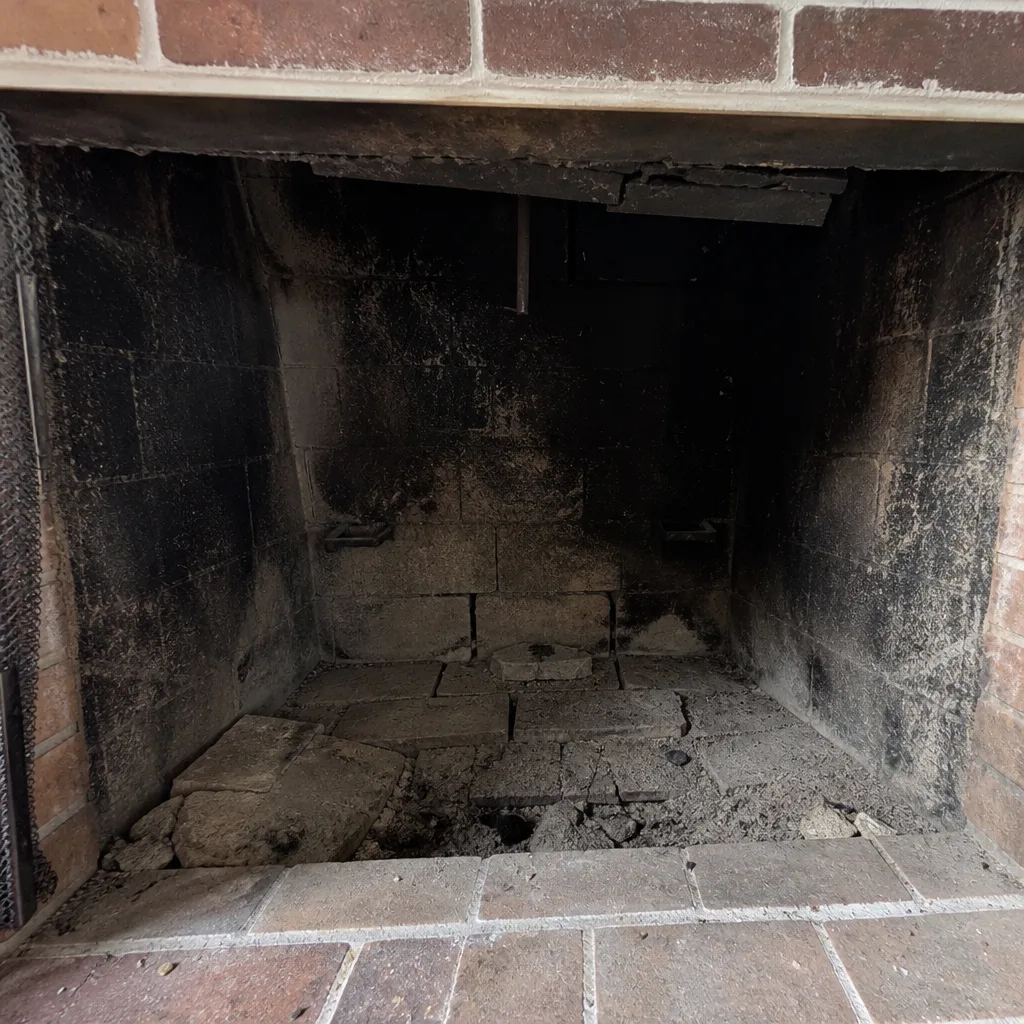
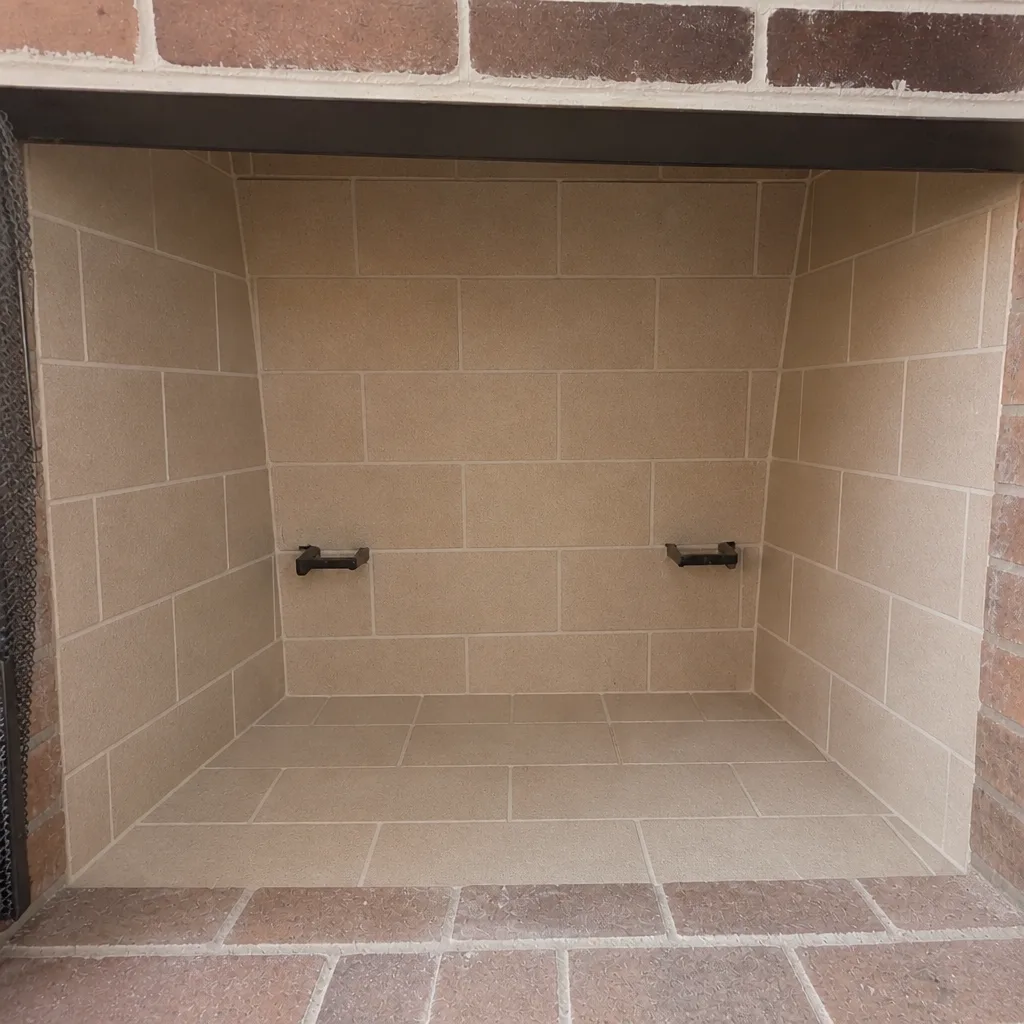
See the difference
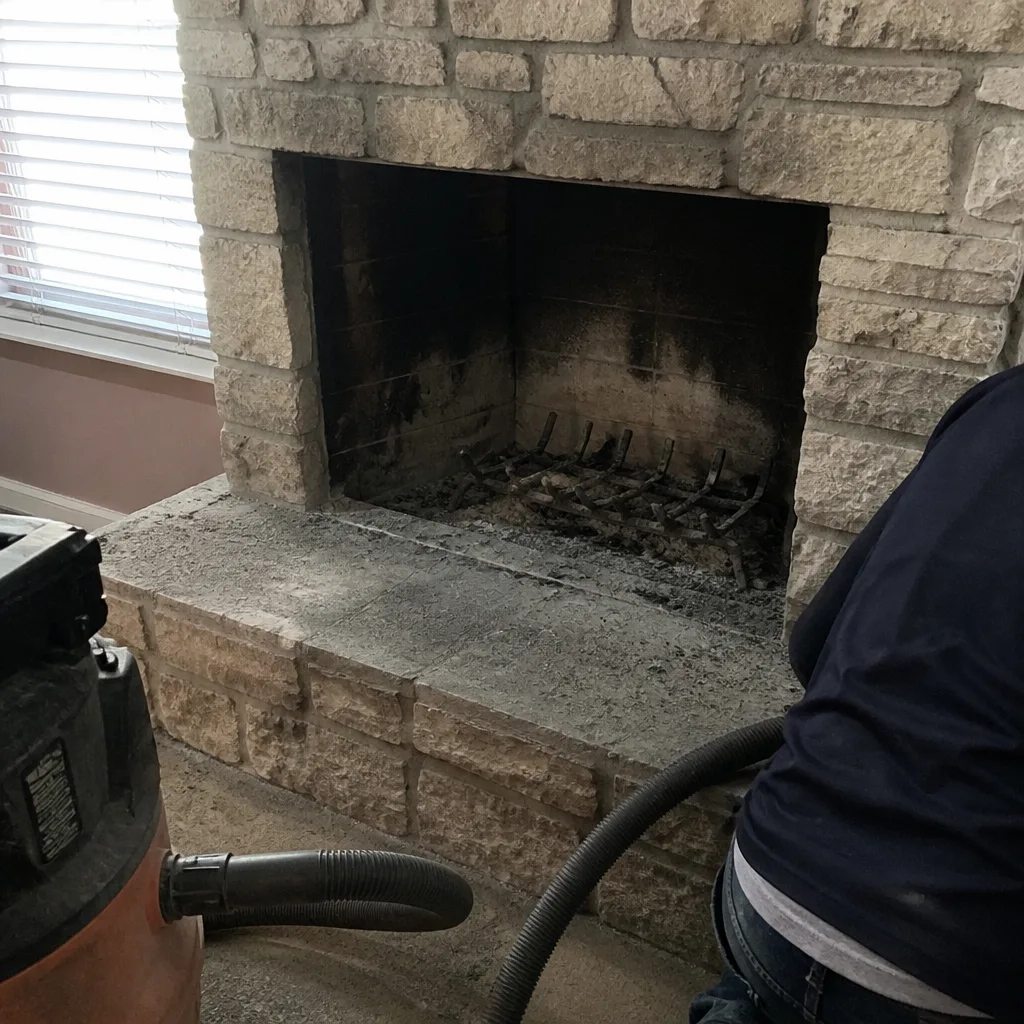 Before
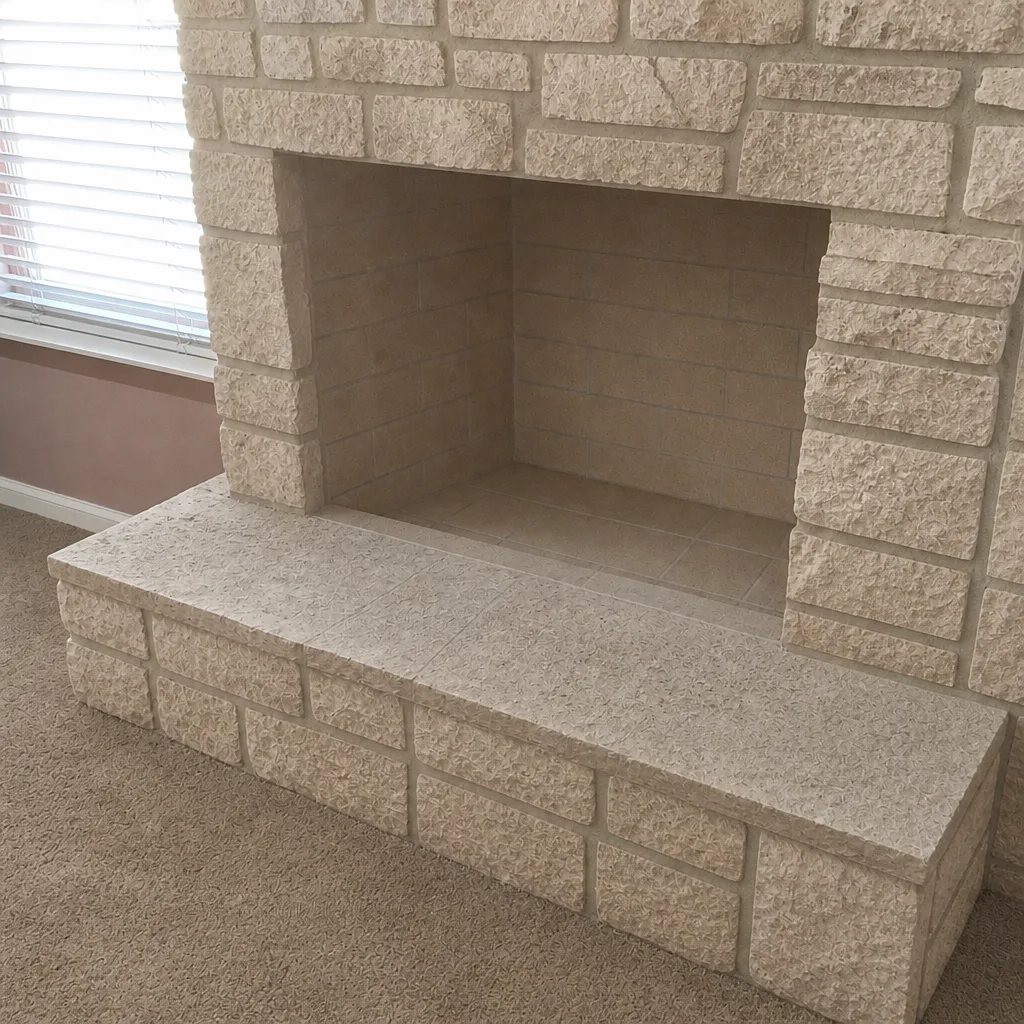 After
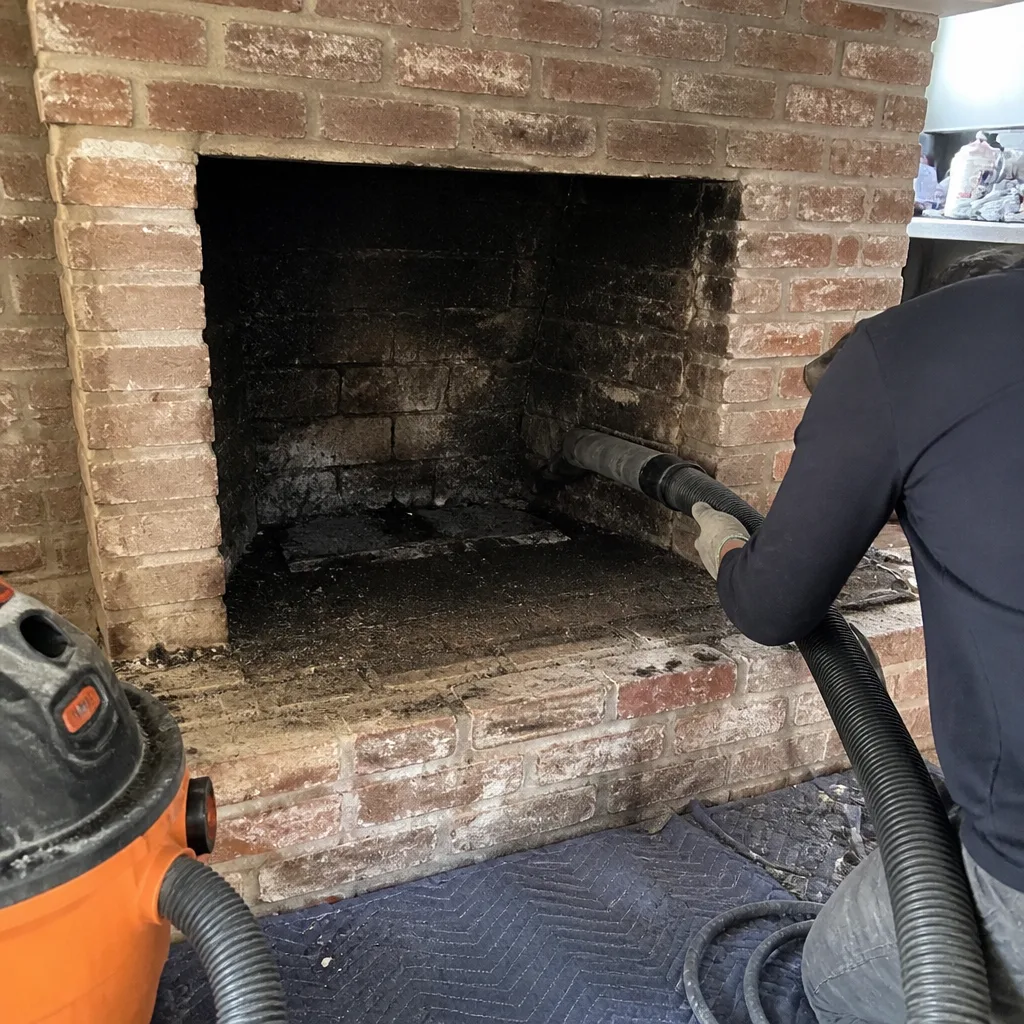 Before
 After
 Before
 After
When to Call a Professional
Call a technician when the draft test fails, when the cap or crown looks damaged after a storm, when the sweep frequency has passed and you can see creosote buildup, when any smoke is entering the room during a fire, or when you’re buying or selling a home and need a Level 2 inspection with a camera report. Also call if it has been a year since the last sweep and the fireplace is actively in use. Our chimney repair and inspection work covers all of these in one service call, so you’re not handed off to a separate contractor. Anchor Chimney Sweep offers free estimates in Miami Gardens – call (844) 560-6429. We answer 24/7. Fast dispatch from 7am to 7pm, Sunday through Friday.
Frequently Asked Questions
Once a year for most homes, timed to April or May after the burning season and before June 1. If you burn wood more than four or five evenings a week through the November-to-March window, plan on the sweep in late season, and add a visual check mid-winter. Call (844) 560-6429 for an exact quote on your chimney – estimates are free.
Yes. Gas produces no creosote, but the flue still needs to be checked for proper venting and to confirm the liner is intact. A disconnected or blocked gas flue can allow carbon monoxide into the home. The annual inspection is the only regular check on that. Call (844) 560-6429 to book a gas fireplace inspection.
A Level 1 inspection is a visual check of the accessible parts of the chimney, done during your annual sweep. A Level 2 inspection adds a video camera down the flue and produces a written photo report. Level 2 is required after a chimney fire, after storm damage, and before a real estate transaction. Call (844) 560-6429 to ask which level your chimney needs.
Because a chimney is a structure on your roof, and the cap, crown, and flashing take the brunt of storm wind and rain. Cracks that hold up in dry weather can let water in under storm pressure. The pre-hurricane check catches those in time. Call (844) 560-6429 to schedule a pre-hurricane inspection in Miami Gardens.
Creosote accumulates inside the flue, other debris collects during dormancy, and the liner condition goes unchecked. Over time, a heavy creosote load raises chimney fire risk. A blocked flue can push smoke and carbon monoxide into the home. The annual sweep is what keeps the system clean and confirmed. Call (844) 560-6429 to book your sweep – estimates are free.
You can do the draft test and the firebox visual inspection described above. What you can’t do is see the full length of the flue, evaluate the liner, or inspect the cap and flashing from the roof safely. Those are jobs for a trained technician. Call (844) 560-6429 if the draft test or the visual inspection raised a concern.
The Bottom Line
The Miami Gardens maintenance calendar is not the national one. Your chimney needs its sweep in April or May, a pre-hurricane inspection before June 1, and a pre-season draft and firebox check before the first fire in November. Gas fireplaces need the same annual inspection slot even with no creosote in the picture. A proper annual sweep means cleaning plus a Level 1 inspection plus a written report – not a flat-rate cleaning pass. When any storm comes through, do the ground-level cap and flashing check. Everything in this guide fits together into one schedule, and the schedule protects the system. Our technicians have up to 8 years of experience, and we work with the same materials professional chimney contractors rely on nationwide, including DuraFlex, HeatShield, Gelco, and Olympia Chimney. We handle the sweep, the inspection, and any repair – no handoffs.
Call Anchor Chimney Sweep at (844) 560-6429 for a free estimate on your chimney sweep, inspection, or repair. We answer 24/7. Fast dispatch from 7am to 7pm, Sunday through Friday.
Written by the team at Anchor Chimney Sweep.