
Last updated November 16, 2026
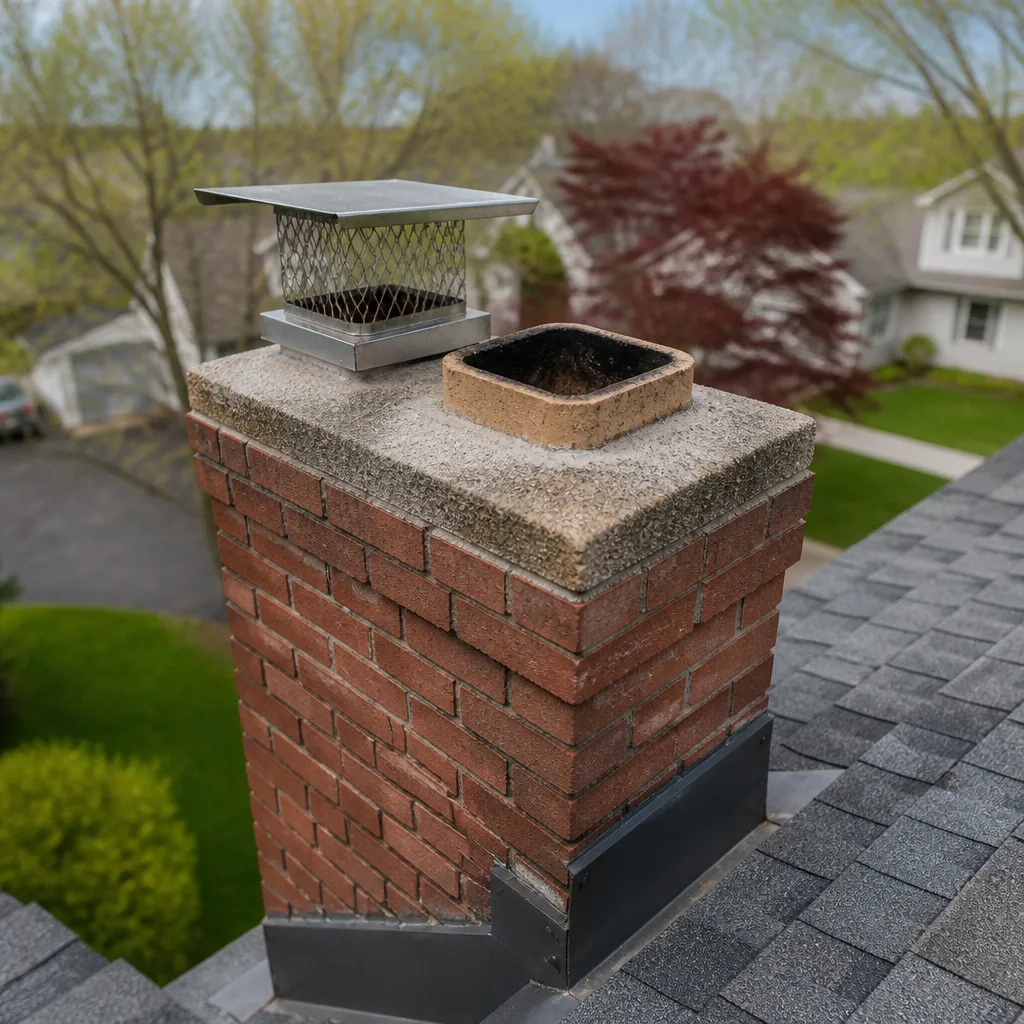 Sweep & inspection
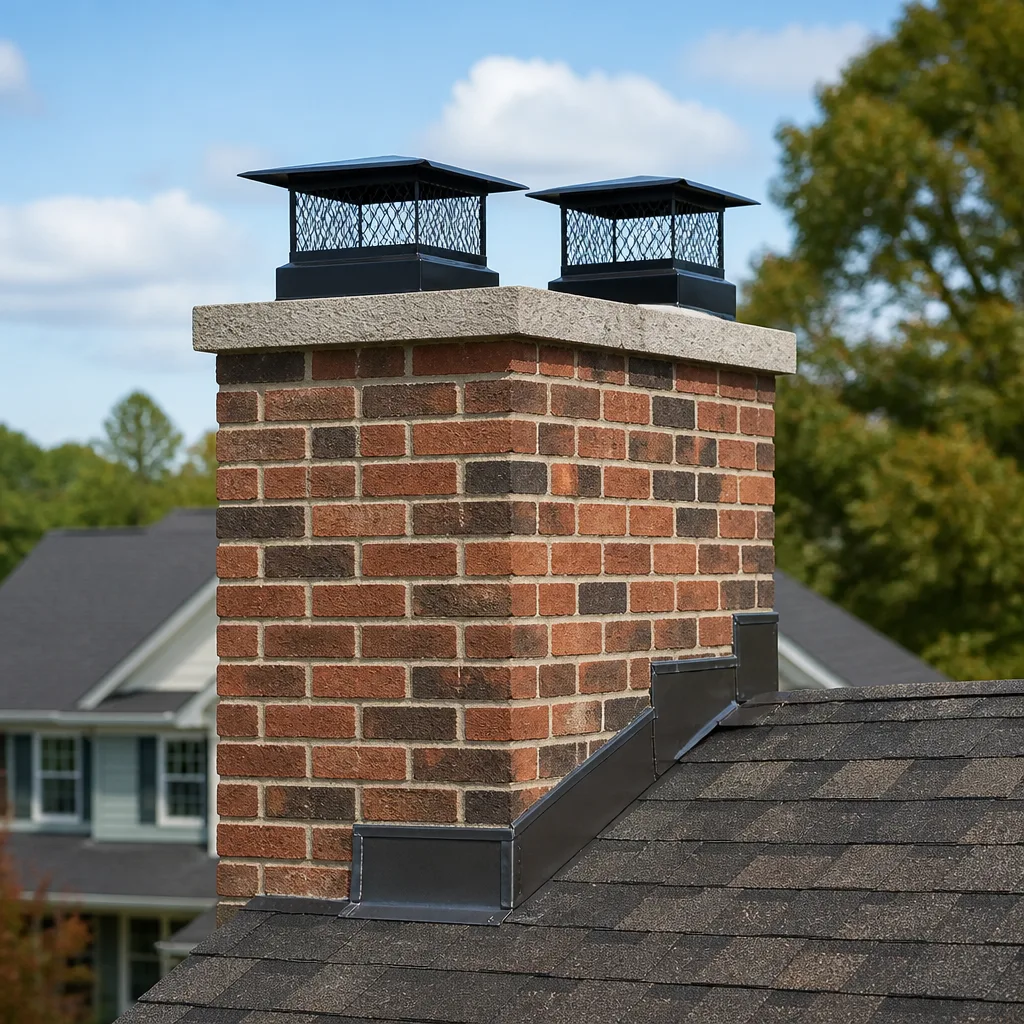 Caps & crowns
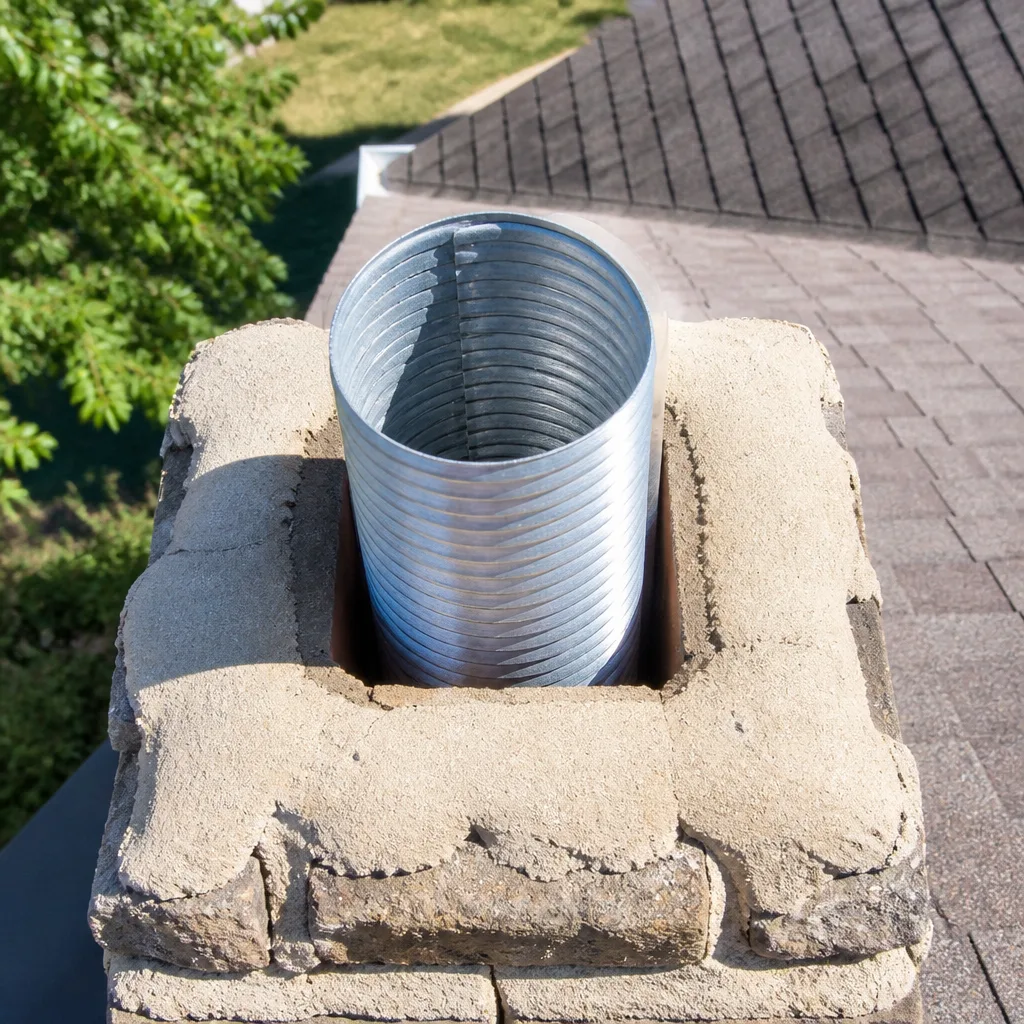 Flue relining
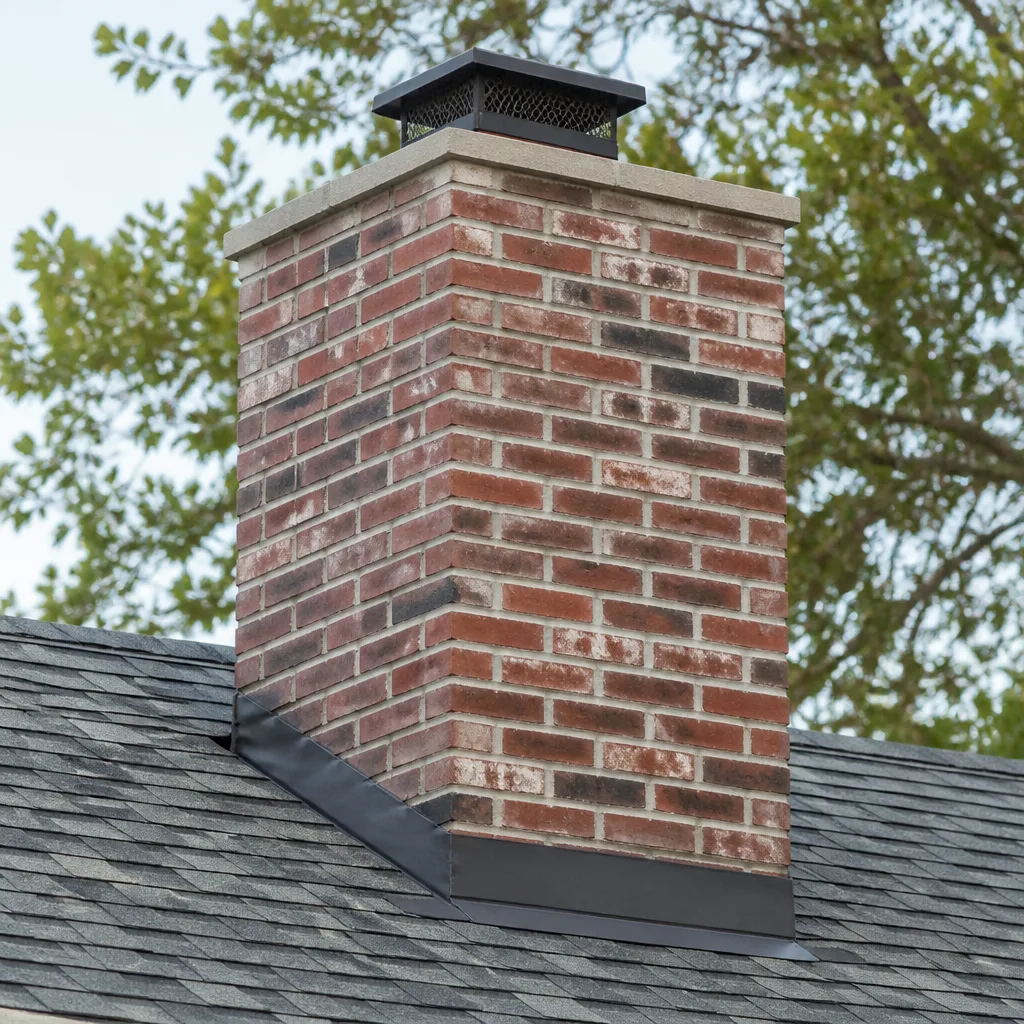 Masonry repair
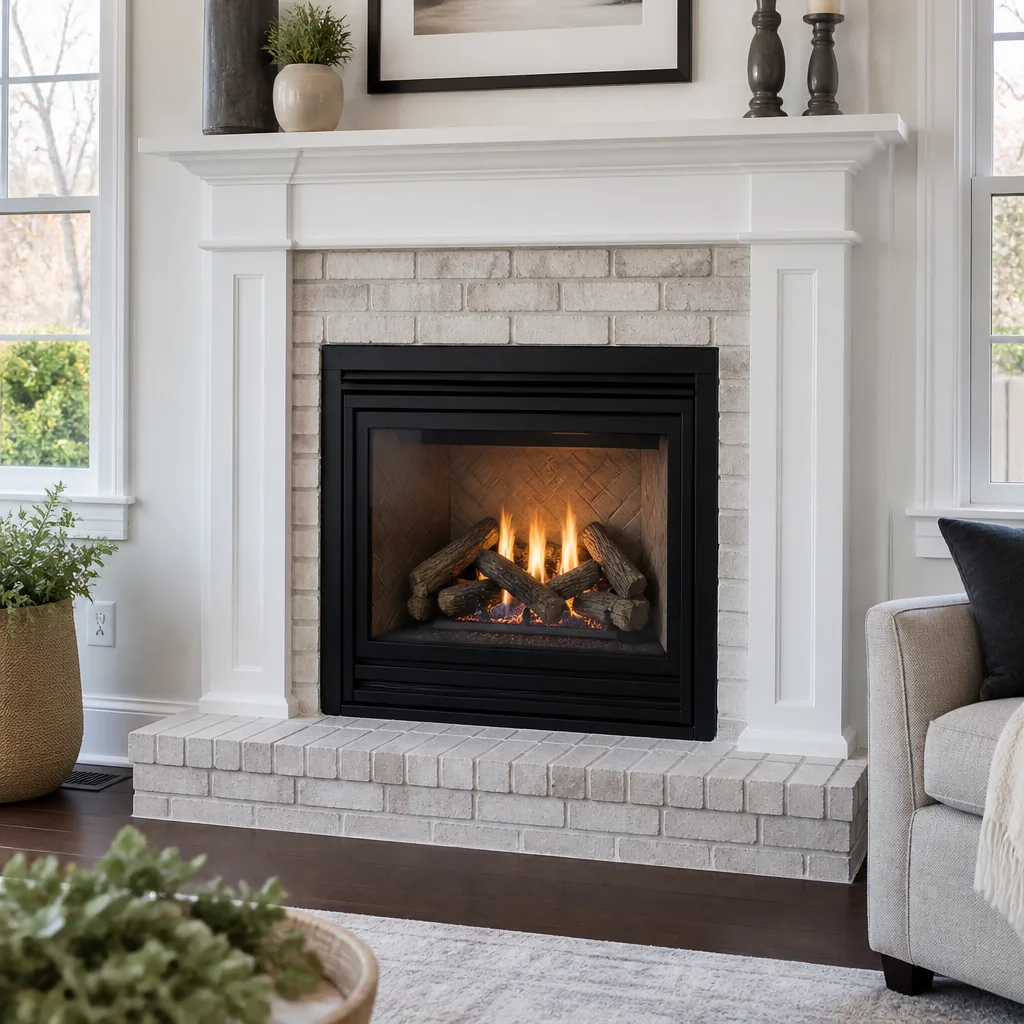 Gas fireplace service
Level 1 sweep and inspection to the NFPA 211 annual standard - flue, crown, cap, and flashing checked and photographed
Chimney sweep logs do not sweep chimneys. They loosen some creosote - which then falls where a brush and vacuum still have to collect it.
Chimney Sweep Troubleshooting in Miami Gardens: Common Problems and How to Fix Them
A smoky firebox in South Florida is almost never a draft problem. It’s usually a moisture problem wearing a draft problem’s clothes. Homeowners in Miami Gardens light the first fire of the season, watch smoke roll into the room, and assume the chimney is blocked or the house is cursed. Most of the time the flue is damp, the mortar has gone soft, or something built a nest in a chimney that sat idle for eight months. Chimneys here live a strange life: months of disuse followed by sudden heat, all inside heavy humidity. This guide shows you how to read the symptoms the way a trained technician does, so you know what’s safe to watch, what needs a professional, and what to check before you strike that first match.
Quick Answer
Most chimney problems in Miami Gardens come down to three things: moisture breaking down mortar and liners during the long off-season, animals and debris moving into unused flues, and metal components corroding from humidity and salt exposure. You can troubleshoot smoke, smells, and visible masonry damage at home, but a proper sweep and inspection is the only way to confirm what’s actually happening inside the flue before you burn.
Styles & brands we work with
- Sweep & inspection
- Caps & crowns
- Flue relining
- Masonry repair
- Gas fireplace service
Table of Contents
- Why Chimneys Fail Differently in Miami Gardens
- Smoke Coming Back Into the Room: Blockage vs. Negative Pressure
- Crumbling Mortar and Spalling Brick: What’s Normal and What Isn’t
- Animal Nesting and Moisture in Chimneys That Sit Unused
- Rust and Pitting on Dampers and Chase Covers
- The Triage Tiers: Monitor, Schedule, or Stop Burning
- A Pre-Season Checklist Before the First Fire
- Common Mistakes to Avoid
Why Chimneys Fail Differently in Miami Gardens
A chimney in Miami Gardens doesn’t fail the way a chimney in a cold climate fails. Up north, the worst damage comes from freeze-thaw cycling. Here, it comes from moisture that never quite leaves. Warm, humid air moves into masonry and stays there, working on mortar joints and the flue liner from the inside out. The result is a slower, quieter kind of breakdown that homeowners often miss until it’s advanced.
The bigger factor is how little these chimneys actually get used. A fireplace in Miami Gardens might run a dozen evenings a year. The other 350 days it’s a tall, damp shaft with warm air at the bottom and cooler air above. That temperature difference drives condensation onto the flue walls. It also makes the chimney a very attractive cave for birds, squirrels, and other animals looking for shelter.
So the two conditions that cause the most chimney trouble here are the same two most homeowners don’t think about: heavy humidity and long idle stretches. Neither shows up as a dramatic symptom. Both cause real damage.
- Humidity softens mortar, feeds mold and mildew inside the firebox, and keeps the flue liner damp.
- Infrequent use lets debris, nests, and moisture accumulate in a flue that never gets dried out by regular fires.
- Salt exposure accelerates corrosion on metal parts like dampers, caps, and chase covers, even on homes set well inland.
- Air conditioning in tightly sealed homes creates pressure differences that pull air down the chimney instead of up.
Understanding those four factors is the foundation for troubleshooting everything below. If you want a professional set of eyes on your chimney before the season starts, a chimney sweep includes a visual check of exactly these conditions.
Smoke Coming Back Into the Room: Blockage vs. Negative Pressure
Smoke rolling into the room is a draft problem. It has two distinct causes, and telling them apart tells you who to call. One is a blockage: a nest, debris, or a collapsed liner piece physically blocking the flue. The other is negative pressure: the house is sealed tight enough, and the air conditioning running hard enough, that the chimney can’t draw air up and out.
How to tell which one you have:
- Check the setup first. If the room fills with smoke only when a bathroom fan, kitchen exhaust, or HVAC unit is running, that points to negative pressure. The house is fighting the chimney for air.
- Test with a small fire. If even a modest fire smokes heavily the moment you light it, and outside air conditions don’t matter, blockage is more likely. Stop and don’t keep trying.
- Look outside. Shine a light down the flue from the roof if you can do it safely. Any visible nest, branch, or obstruction confirms a blockage. Don’t do this from a ladder unless you’re confident on a roof.
- Consider recent changes. New windows, a new HVAC system, or added weatherstripping all reduce the amount of air your house can pull in. That change alone can flip a chimney from working to smoking.
Blockage means a sweep and inspection. Negative pressure is often an air-balance issue, but a technician can identify a pressure problem and recommend a fix like a different cap or an outside air source. In our experience, most Miami Gardens smoke complaints we see trace back to moisture and blockage, not true negative pressure. But the two are close enough that you need to check the details.
If the smoke happens during a real fire with no obvious cause, stop using the fireplace and get it inspected. Smoke coming into living space is a sign the flue isn’t venting what it should. If you need to compare costs before sticking to a plan, our chimney repair guide covers typical repair tiers.
Crumbling Mortar and Spalling Brick: What’s Normal and What Isn’t
Some movement in masonry is normal. It’s how you tell the difference between a chimney that’s aging gracefully and one that’s failing.
Normal settling looks like: hairline cracks in the mortar that don’t widen or change from year to year, a slight plumb deviation on an older chimney, and surface mortar that’s firm and gray but shows a few shallow cracks.
Real deterioration looks like:
- Mortar joints that crumble when you press them with a screwdriver. Soft, sandy joints mean water has been working its way in.
- Brick faces that flake or peel off (this is called spalling). Once a brick face goes, the brick core is exposed and fails fast here.
- White, chalky staining on the brick or inside the firebox. That’s efflorescence, mineral salts left behind by moisture moving through the masonry.
- Rust-colored staining under the cap or along the crown, which points to a moisture problem at the top of the chimney.
- Crumbling where the chimney meets the roofline. The crown, the concrete top of the chase, cracks and lets water straight in.
Humidity in Miami Gardens drives that damage faster than cold air does in other regions. Moisture goes into mortar, dries out, and leaves behind cracks that take in more moisture the next time it rains. The cycle repeats every wet season. That’s why the fix for a crumbling chimney is rarely just repointing. It usually involves capping the top, sealing the crown, and stopping water from getting in at the source.
If white staining or crumbling mortar shows up near the roofline, have it looked at within the season. Small masonry issues are far cheaper to fix than a full rebuild, and a chimney that’s taking in water has to dry before anything else can be corrected.
Animal Nesting and Moisture in Chimneys That Sit Unused
Chimneys in a climate where the fireplace goes unused for most of the year become a very specific habitat. Birds nest on the smoke shelf, squirrels and other animals move into the cap, and debris builds up on the flue walls. The longer the chimney sits without a fire, the more shelter it offers.
Signs a chimney has been taken over:
- Scratching or scuffling sounds in the chimney during the day or early morning, when birds and squirrels are active.
- Odd smells in the house, especially near the fireplace, that don’t smell like smoke or soot. Nesting material and droppings have a distinct, sour smell.
- Feathers, twigs, or droppings on the firebox floor or smoke shelf when you open the damper.
- Droppings or nesting debris around the chimney cap or on the roof nearby.
- A cap that has clearly moved or been knocked loose, which is often how animals get in to begin with.
Beyond the mess, nesting material in a flue is a fire and carbon monoxide concern. A nest blocks airflow, and when that nest catches during the first fire of the season, you have a chimney fire in a flue that hasn’t been swept. This is why a pre-season inspection matters so much here.
A proper cap fit, sourced from a brand like Gelco, closes off the opening so this stops being a problem year after year. If you hear something in the flue, or the firebox smells off before your first burn, don’t light a fire to clear it. Call for an inspection first. A blocked flue from animal debris can push carbon monoxide into the home.
Rust and Pitting on Dampers and Chase Covers
Metal parts are the most exposed pieces of a chimney system, and humidity plus salt exposure takes a toll on them. Dampers, caps, and chase covers rust in stages. Reading the stage tells you what kind of attention the part needs.
Stage 1: Surface rust. A light orange film on the damper blade or the inside of the cap. Feels dry to the touch. Often cosmetic. Monitoring is reasonable if it doesn’t grow.
Stage 2: Pitting. Small crater-like spots where metal is coming away. The part still works, but its surface is breaking down. This is the right time to treat or replace. A damper that’s getting hard to open and close is already showing pitting.
Stage 3: Flaking and scaling. Rust that comes off in sheets, or metal that’s warped, sticking, or cracking. The damper mechanism is now compromised. Replace before it fails open or shut. A stuck-open damper kills efficiency and lets conditioned air escape all year round.
Stage 4: Structural failure. Holes through the metal, a cap that’s rusted through and letting water in, or a chase cover that’s failed at the seams. This is a water-intrusion problem now, not a metal problem. Full replacement is needed.
Replacement parts from a brand like Copperfield are made for chimney system use. Generic hardware-store substitutes fit poorly and tend to fail faster in this kind of humidity. The right fit protects the chimney as much as the part itself does.
The good news is that a rusty damper is inexpensive to catch early. A cap that’s failed at the seams, on the other hand, lets water run into the flue and chase, and that damage reaches the liner. Checking the cap and damper once at the end of wet season is one of the highest-value things a homeowner can do.
The Triage Tiers: Monitor, Schedule, or Stop Burning
Not every chimney problem is an emergency. The trick is knowing which tier a symptom falls into. Use these tiers as a rough guide, not a substitute for an inspection.
Tier 1: Monitor – Safe to watch for now. Check again in a few weeks.
- Hairline cracks in mortar that haven’t changed since last year.
- Light surface rust on a damper that still opens and closes freely.
- A faint smoke smell in the firebox after weeks of disuse and no fire.
Tier 2: Schedule a visit – Get a technician out within a season, before the damage accelerates.
- Soft or crumbly mortar when probed.
- Spalling brick faces on the chimney exterior.
- Rust with pitting on the damper or cap.
- A cap that’s loose, dented, or clearly moved.
- Signs of nesting, or smells that don’t clear after opening the damper.
- One or two smoky burns, but not every time.
Tier 3: Stop burning now – Get a professional out before the next fire. Use of the fireplace is off the table.
- Smoke pouring into the room every fire, or smoke with a physical blockage visible.
- Carbon monoxide alarms sounding when the fire is lit.
- Any sign of a chimney fire: a strange roaring sound, a strong burning smell from the chimney, or soot and debris around the cap after a fire.
- A flue liner that is cracked, broken, or missing sections. This is not something to burn through and hope for the best.
- Water visibly running into the firebox.
Tier 3 conditions need an inspection before anything else. On flue liner damage specifically, we use HeatShield liner restoration for liner conditions that meet its application standards, a way to restore a compromised flue without a full liner replacement. That’s a decision a technician has to make after inspecting the actual liner, not something a homeowner can self-diagnose.
A Pre-Season Checklist Before the First Fire
Work through these steps in the weeks before you plan to burn. Most of them take minutes. Together they catch the majority of the problems in this guide before they become a real cost.
- Open and close the damper. It should move freely. If it sticks, grinds, or feels loose, note it. That’s a pitting or scale issue from the list above.
- Shine a light up the flue from the firebox. Look for light coming through, and look for anything blocking the way. Feathers, twigs, or dark shapes mean nesting. Don’t reach in blindly.
- Smell the firebox. A sour smell with no smoke is a nesting or moisture sign. A faint stale smell is fine. An overwhelming smell is not.
- Check the chimney cap from the ground. Is it still sitting flat? Does it look knocked out of place? Is there rust flaking off it? A cap that’s failed turns every rainstorm into a flue problem.
- Look at the brick where the chimney meets the roof. Cracks, crumbling, or white staining here means water is getting in.
- Check the chase cover or crown from the ground. Cracks in the concrete, especially at the seams, are a moisture path into the flue.
- Test for negative pressure. Try a small piece of paper in a cold firebox with the room closed up, or have someone turn on the kitchen and bath fans while you light a small starter fire. If the airflow reverses, you have a pressure issue, not a blockage.
- Book a sweep and inspection. Even if everything checks out, an annual inspection catches the interior conditions you can’t see. Our technicians have up to 8 years of experience reading exactly these signs.
If you’re buying or selling a home in Miami Gardens, do this checklist before the inspection period closes. A chimney inspection on paper is a real asset when a transaction is on the line.
Common Mistakes to Avoid
- Burning a fire to “clear out” a smoky chimney. If the flue is blocked or lined with a damaged liner, a fire pushes heat and gases into places they shouldn’t go. Find the cause first, then light a fire.
- Treating a rusty damper as purely cosmetic. Surface rust is fine. Pitting and flaking aren’t. A compromised damper is a year-round efficiency leak, not just a fire-season problem.
- Skipping the inspection because the chimney “didn’t get used much.” In Miami Gardens, that’s exactly the condition that lets moisture, animals, and debris build up in a flue. Low use is more reason to inspect, not less.
- Patching mortar without fixing the water source. Repointing wet, crumbling joints without fixing the cap and crown just means the same breakdown starts again next wet season.
- Stopping a draft problem at the chimney without checking the house. If new windows or an HVAC system made the house tighter, the smoke may not be a chimney issue at all. Diagnose the pressure condition before replacing components.
- Buying generic hardware for a damper or cap. Fit matters for chimney parts. Products made for the chimney trade, like those from DuraFlex, Copperfield, or Olympia Chimney, are built for the exposure a chimney actually sees.
- Waiting until the firebox fills with smoke to call for help. Moisture, crumbling mortar, and rust are all easier to catch before the fire is lit. A scheduled inspection beats a mid-season repair every time.
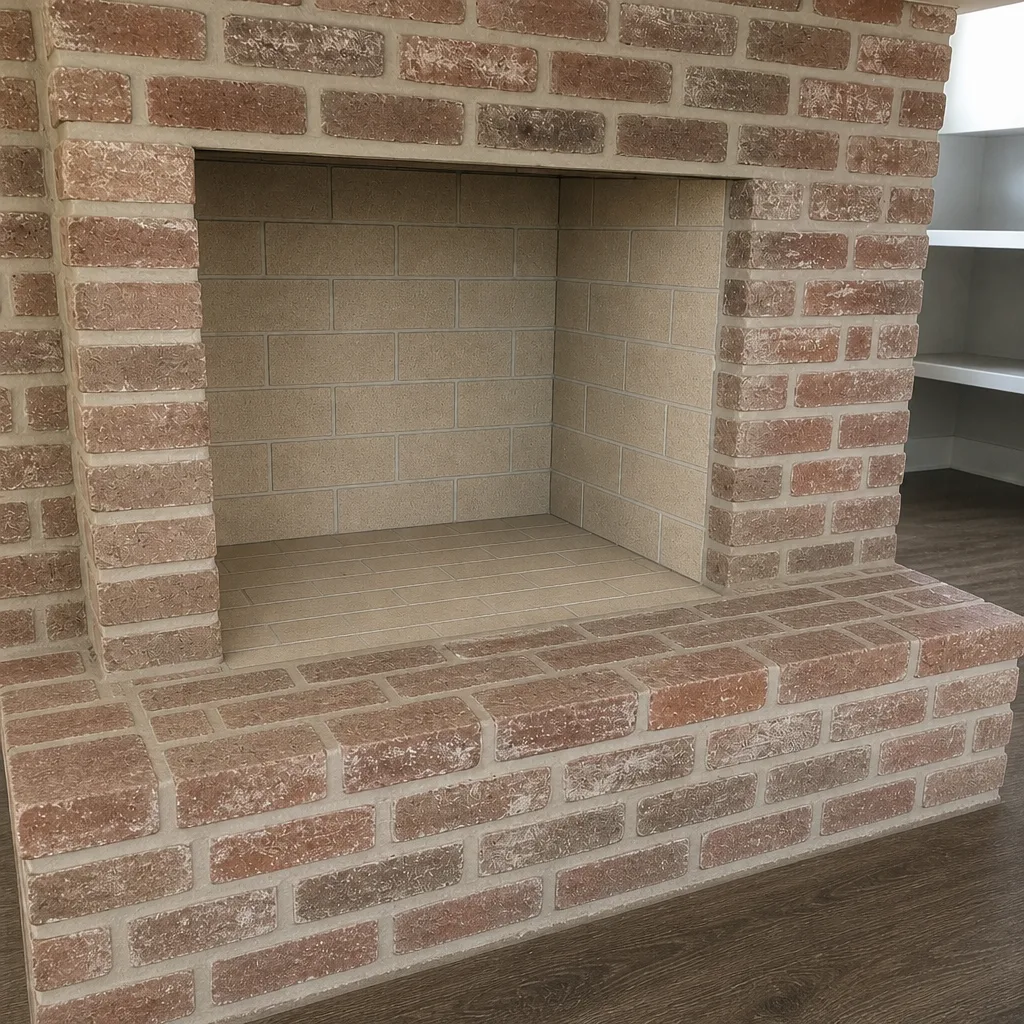
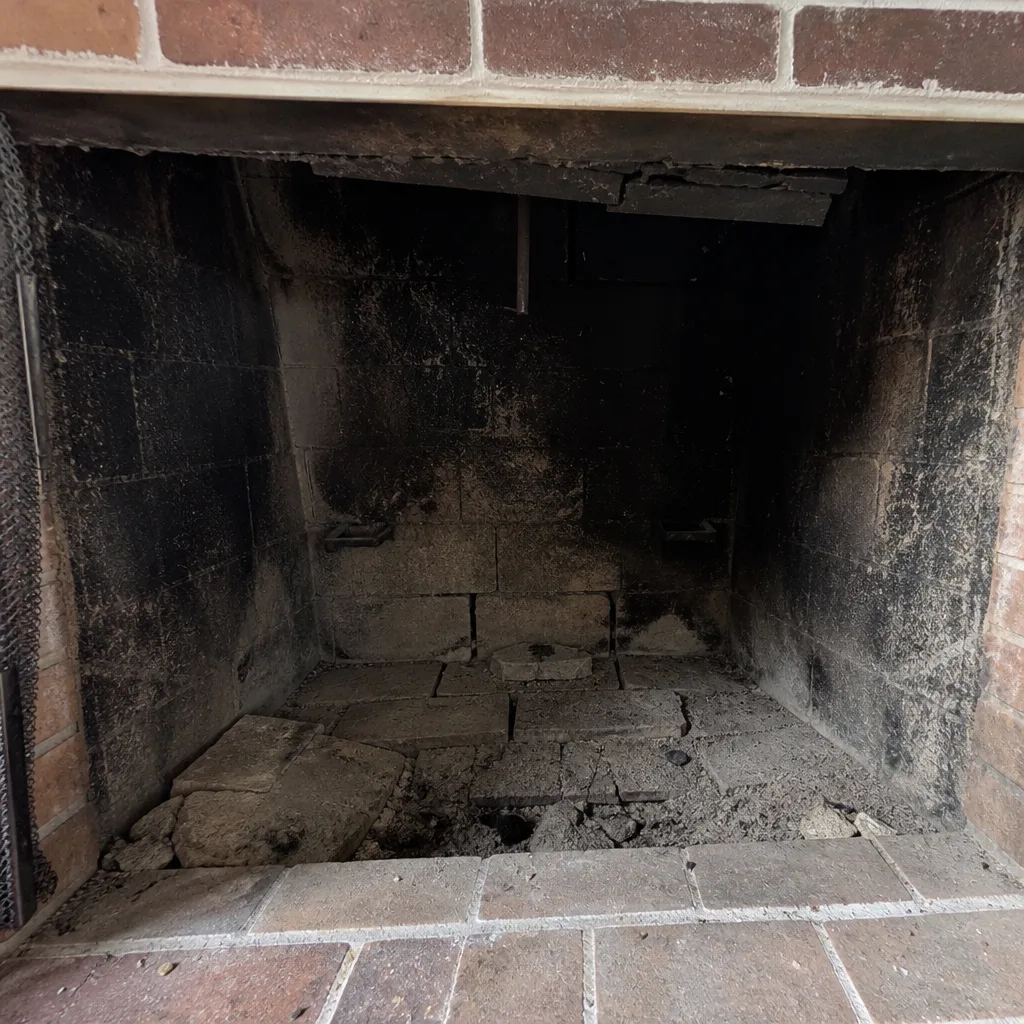
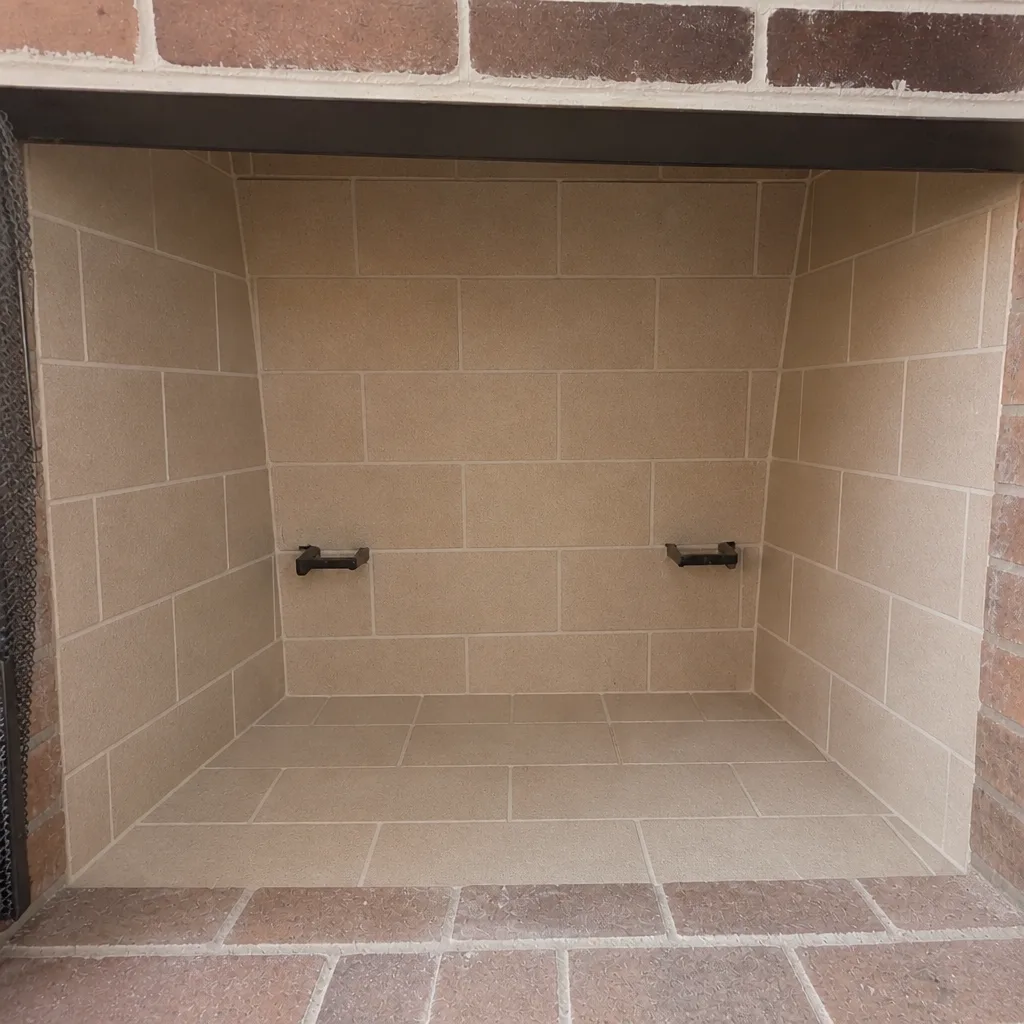
See the difference
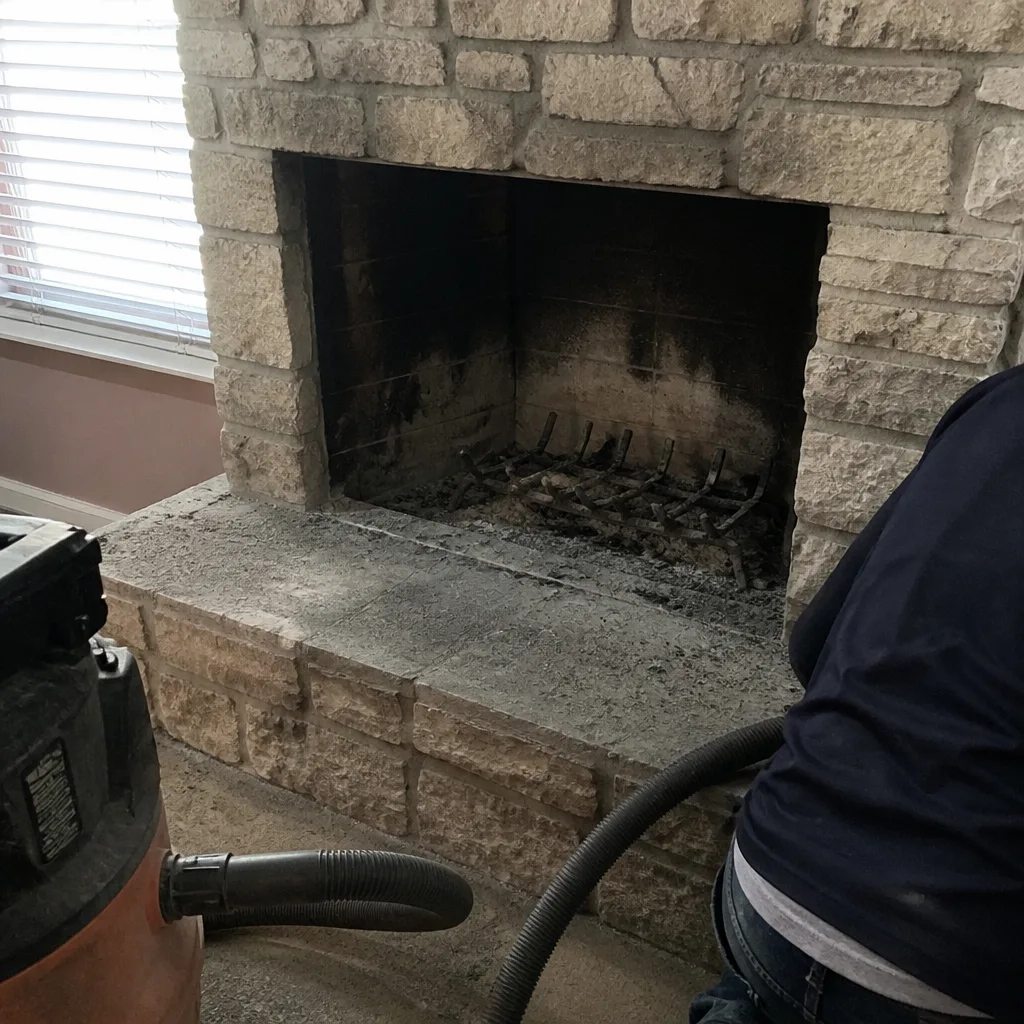 Before
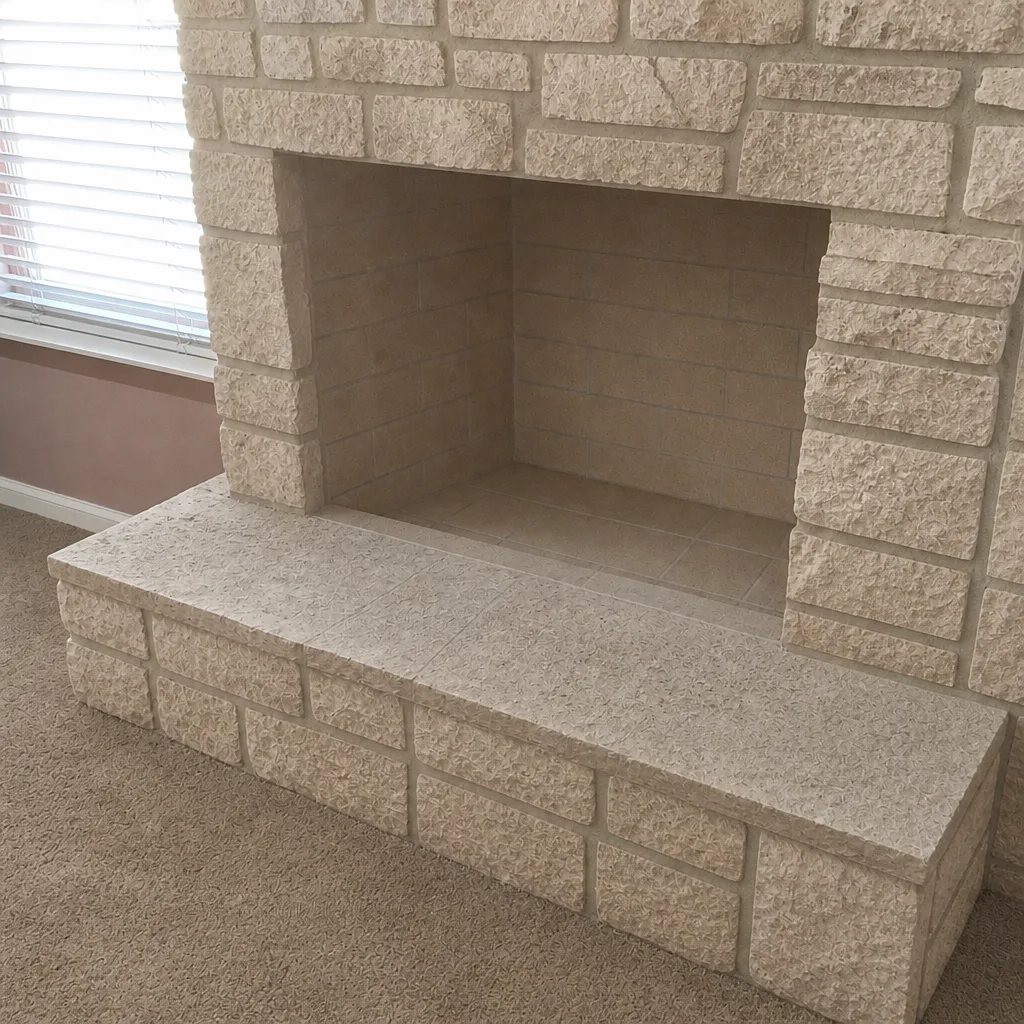 After
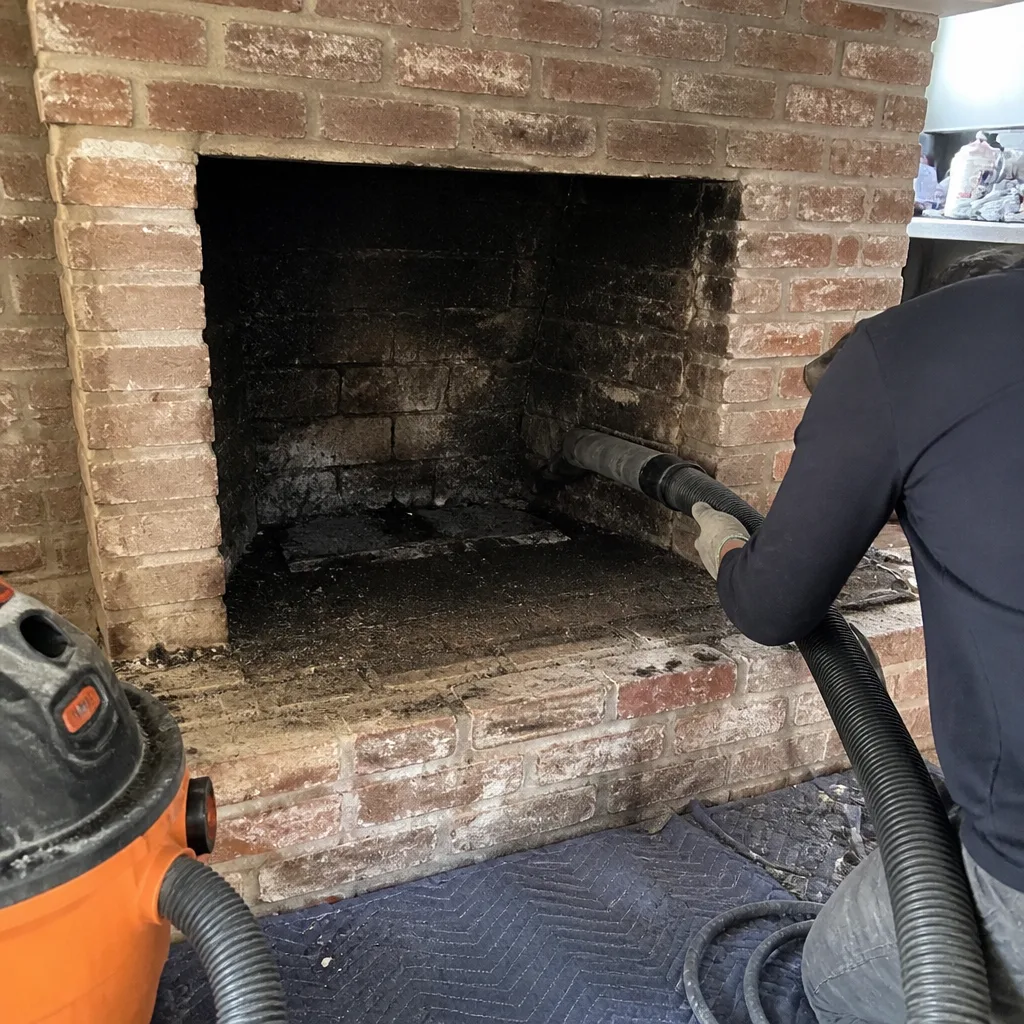 Before
 After
 Before
 After
When to Call a Professional
Call a professional when any Tier 3 symptom appears, when a carbon monoxide alarm sounds, when you smell a strong burning smell near the chimney that isn’t just a normal fire, or when you see visible liner damage. Also call when you find pitting rust on a damper or cap, or soft mortar that crumbles when probed. Some of those can wait a few weeks in Tier 2. None of them should wait a whole season, because humidity in Miami Gardens keeps working on the damage in the meantime.
We work with the same materials professional chimney contractors rely on nationwide, including DuraFlex and HeatShield, so the diagnosis and the repair sit with the same set of hands. Anchor Chimney Sweep offers free estimates in Miami Gardens. Call (844) 560-6429 to book a sweep and inspection. We answer 24/7. Fast dispatch from 7am to 7pm, Sunday through Friday.
Frequently Asked Questions
Once a year, even if the fireplace only gets used a few times. In a climate this humid, moisture and nesting problems build up during the long idle season, and an annual inspection is the only reliable way to catch them before they become repairs.
Smoke after a long idle period is usually a moisture or blockage problem, not a draft problem. The flue is damp, an animal has nested in the chimney, or debris is blocking the airflow. Stop burning and get an inspection before the next fire.
Surface rust on a damper is usually not dangerous and can be monitored. Pitting, flaking, and rust-through are dangerous because the part stops doing its job. A stuck-open damper wastes energy, and a failed cap lets water run straight into the flue. Get those stages replaced.
No. Most chimney problems in Miami Gardens start inside the flue, where you can’t see them from the ground. Moisture damage, liner cracks, and nesting all hide behind a sound-looking exterior. The inspection is what catches them.
Smoke pouring into the room every fire, a carbon monoxide alarm sounding while the fire is lit, visible liner damage, or signs of a chimney fire. Those are stop-and-call conditions, not monitor-and-watch conditions.
Not always. A pressure problem means the house is tighter than the chimney can pull against, which is common in modern sealed homes. Sometimes the fix is at the cap or the air supply, not the chimney structure itself. A technician will diagnose whether it’s a chimney repair or a building air-balance issue before recommending work.
We’d recommend a professional fit. A cap has to be sized and secured correctly for your flue opening, and the work happens at the top of the chimney. A properly fit cap from a brand like Gelco or Famco does the job right and stays put. Call (844) 560-6429 to get one installed. We answer 24/7. Fast dispatch from 7am to 7pm, Sunday through Friday.
The Bottom Line
Most chimey problems in Miami Gardens are predictable, and that’s good news. Moisture, unused flues, and salt exposure cause the same set of symptoms in nearly every home here. Crumbling mortar, rusty parts, smoky burns, and animal smells all fit into tiers you can read at home. The key is to check the chimney before the first fire, not after smoke fills the room. A quick inspection and sweep catches the damage while it’s still small. If you’re unsure what tier a symptom belongs to, don’t guess. Call a technician. A chimney is a system, and treating it as one is how it stays safe season after season. That’s why we inspect, clean, and repair it as one.
Written by the team at Anchor Chimney Sweep.