
Last updated November 16, 2026
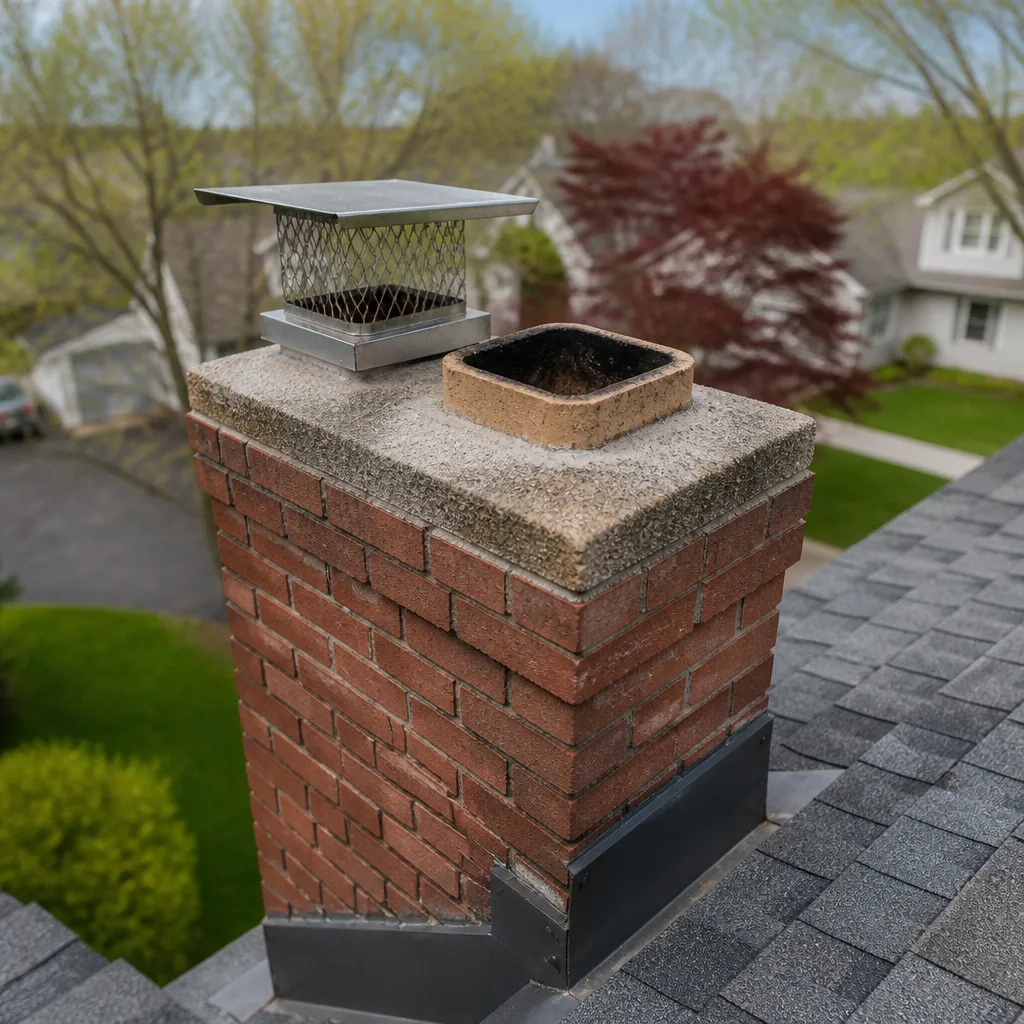 Sweep & inspection
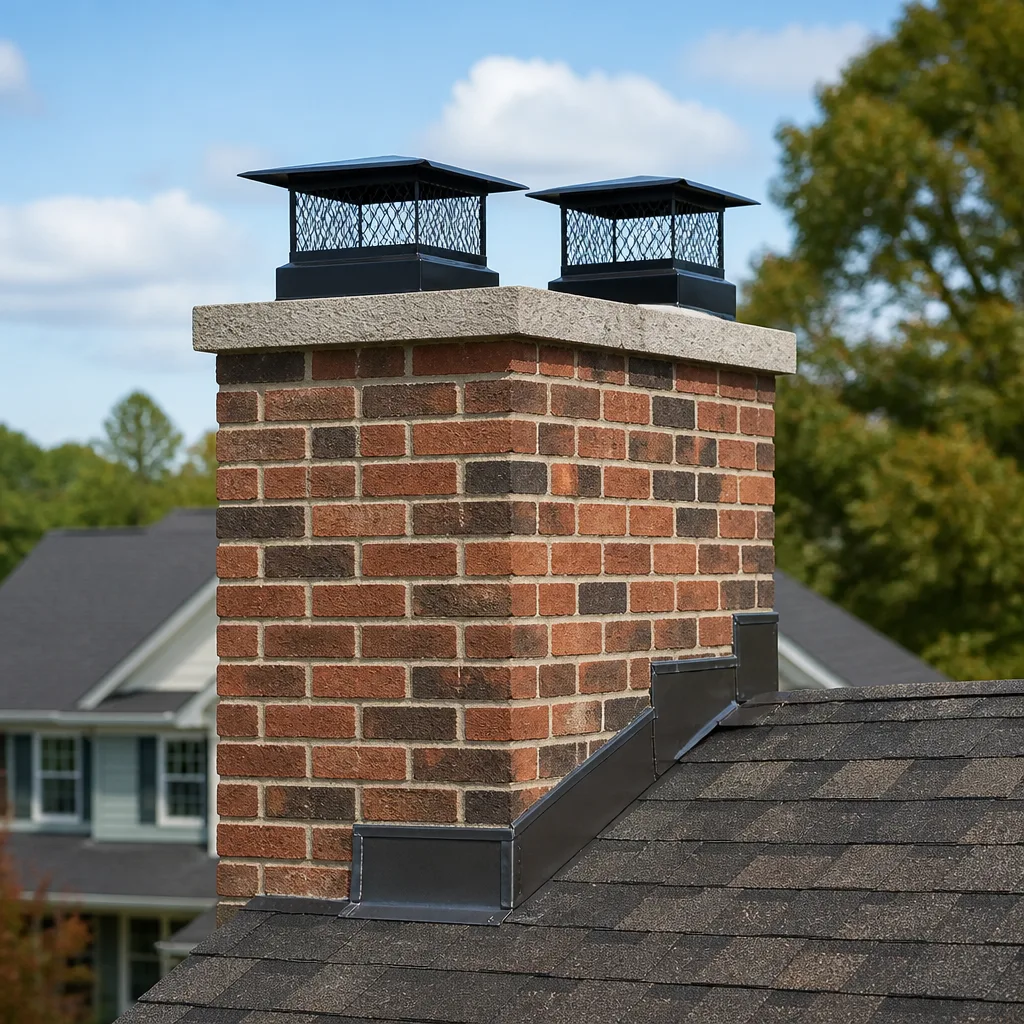 Caps & crowns
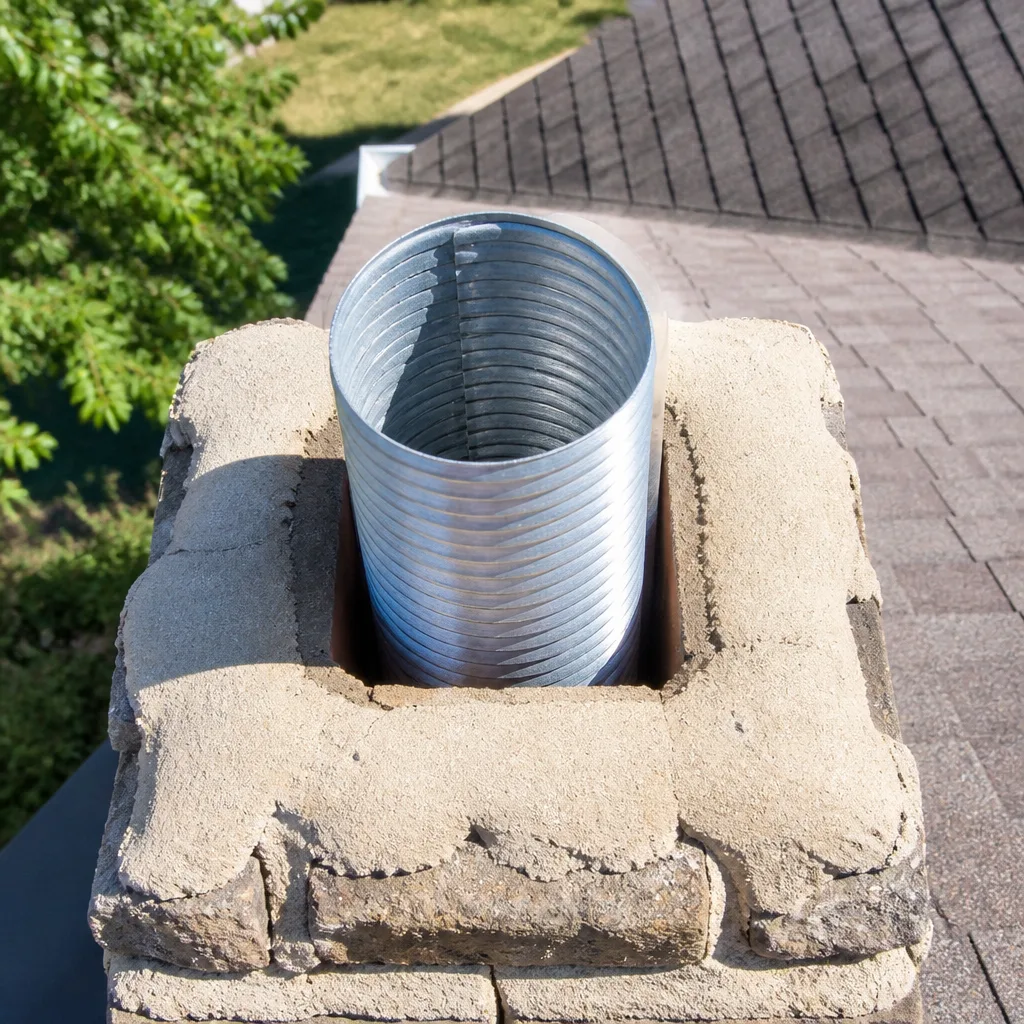 Flue relining
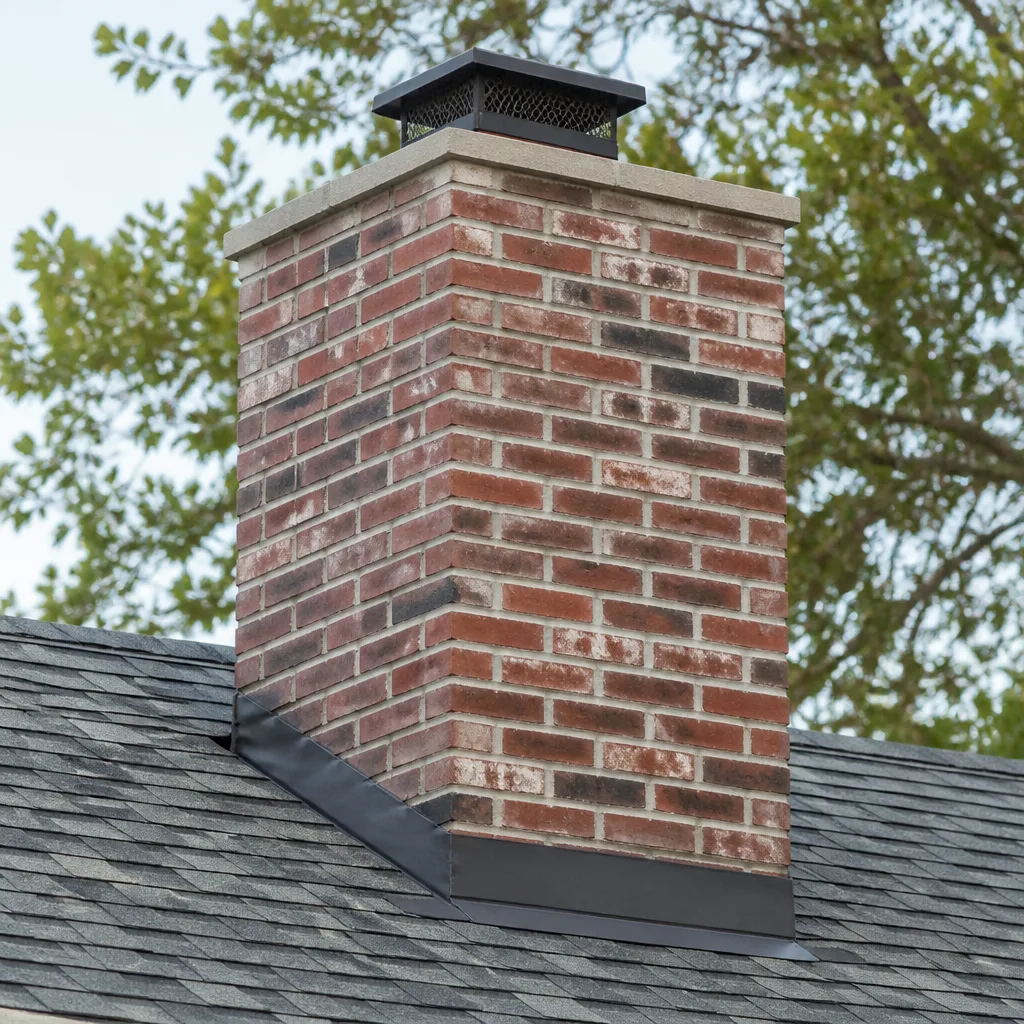 Masonry repair
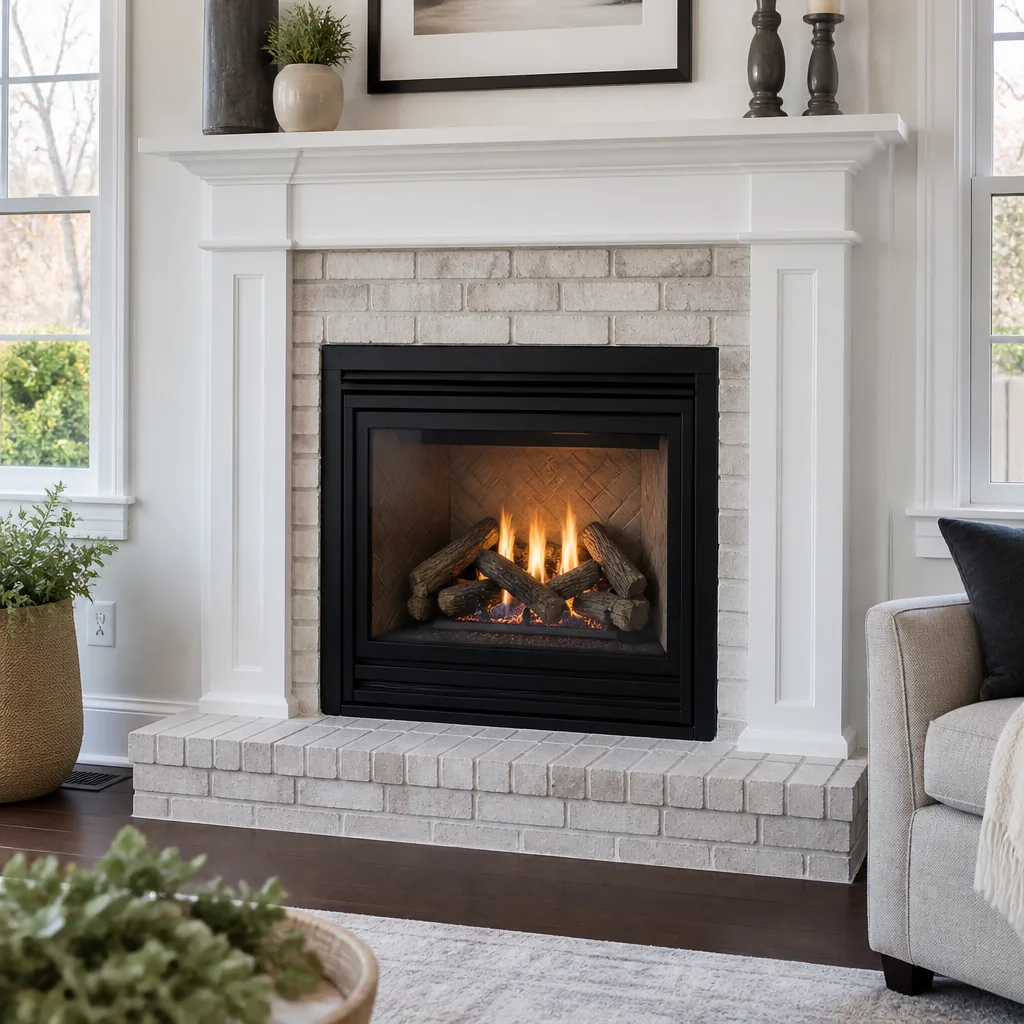 Gas fireplace service
Level 1 sweep and inspection to the NFPA 211 annual standard - flue, crown, cap, and flashing checked and photographed
Chimney sweep logs do not sweep chimneys. They loosen some creosote - which then falls where a brush and vacuum still have to collect it.
Choosing the Right Chimney Cleaning Brand: A Buyer’s Guide for Miami Gardens
Most homeowners judge a chimney contractor by the quote in front of them. The number feels concrete, so it gets compared, negotiated, and chosen. What almost nobody reads closely is the materials list attached to that quote, and that list is where the real difference between one contractor and another sits. When a scope of work names HeatShield, DuraFlex, or Famco, the contractor is telling you they source from the professional chimney supply chain rather than the aisle at a general hardware store. When it names nothing at all, that’s information too. This guide explains the product categories that make up a chimney job, why brand choices signal technical standards, and how to read a material spec sheet before you sign. We’ll keep it grounded in how chimney work actually goes here in Miami Gardens.
Quick Answer
The right chimney cleaning brand is the one a contractor can specify by name, install to the manufacturer’s instructions, and stand behind with a documented warranty. In practice, that means professional-grade product lines for liners, caps, crown coatings, solvents, and waterproofing rather than unbranded or hardware-store substitutes. Look for named materials on the written scope, and treat a vague “standard liner” as a question you need to ask before work starts.
Styles & brands we work with
- Sweep & inspection
- Caps & crowns
- Flue relining
- Masonry repair
- Gas fireplace service
Table of Contents
- The five product categories every chimney job touches
- Why brand matters in each category
- How to read a contractor’s material spec sheet
- Why stainless liner grade matters in South Florida
- The difference between specifying materials and standing behind them
- How material and labor warranties interact
- Questions to ask before you book
- What makes a chimney job in Miami Gardens different
The five product categories every chimney job touches
A chimney sweep visit and a chimney repair visit both draw on the same set of professional product categories. Understanding each one helps you follow what a contractor is proposing and why a particular brand lands in the scope of work.
Liner systems. The flue liner is the pipe inside the chimney that carries smoke and combustion gases up and out. When a liner is cracked, spalled, or missing, the repair options are a flexible stainless system (DuraFlex is a common professional choice) or a cast-in-place restoration product like HeatShield. These are the two big branches of liner work, and a contractor who only offers one of them is steering you toward whatever they can install.
Chimney caps. The cap covers the flue opening and keeps rain, birds, and debris out. Caps come in stainless, galvanized, and copper. Copperfield caps are a professional-grade line, and Famco makes a range of cap and damper products. A generic cap from a home improvement store may fit, but it may not be sized to your flue or built from metal that holds up to years of sun and rain.
Crown coatings. The crown is the concrete cap at the top of the masonry chimney. Cracks in the crown let water into the structure. Flexible crown coatings are a real category, and brand-level products are engineered to expand and contract with the masonry rather than crack in the first season.
Creosote solvents. Creosote is the residue left by wood smoke. It comes in stages from a light powder to a hardened glaze that a brush can’t remove. Professional sweepers use chemical solvents specific to glazed creosote. A contractor with no solvent in their kit may simply be brushing and calling it done.
Waterproofing sealants. Masonry chimneys take on water through brick and mortar. Breathable waterproofing products are a defined class, not the same as a hardware-store sealer, and the difference shows up in whether the masonry can still dry from the inside.
For a broader view of the services these products support, our chimney sweep page covers the cleaning side, and our chimney repair page covers the restoration side.
Why brand matters in each category
Brand names in a scope of work aren’t decoration. Each one tells you something about the supply chain behind the contractor and the depth of their product knowledge.
A contractor who specifies DuraFlex for a stainless liner is working with a product widely used by professional chimney contractors. That signals familiarity with the flexible liner category as a whole and access to the fittings, adapters, and insulation that go with it. A contractor who says “we’ll install a stainless liner” without naming the product may be sourcing through a generalist channel where the grade and warranty are not clear.
A contractor who offers HeatShield is signaling something more specific. HeatShield is a cast-in-place liner restoration product. It lets a qualified installer rebuild a deteriorating flue liner from the inside rather than tearing out the old liner and dropping a new one in. Not every chimney company can offer it, because it requires manufacturer training and a supply relationship. When it appears in a quote, the contractor can handle more than one repair path.
On the cap and component side, Copperfield and Famco are brands you’ll see in the material lists of contractors who source professional hardware. Famco makes caps and dampers sized to specific flue dimensions. Copperfield caps are built to be installed for the long run and are specified when there’s a reason to. A contractor who sources these brands has made a decision to fit the right part rather than grab whatever’s in stock.
On the creosote side, professional-grade solvents are what separate a real cleaning from a surface brush-off. If a contractor never mentions them, glazed creosote is likely to stay put. That matters more than most people realize, because glazed creosote is the stage most associated with chimney fires.
How to read a contractor’s material spec sheet
The written scope of work is where brand choices either show up or don’t. Here’s a step-by-step way to work through one before you sign.
- Look for product names, not just product categories. “Stainless steel liner” is a category. “DuraFlex” is a product. The second tells you the contractor has made a specific decision you can verify.
- Check that the brand matches the job. A cap replacement should not list a liner product. A liner install should not list a crown coating. Mismatched language in a scope usually means it was assembled from a template.
- Look for sizing and grade detail. Liner grade (304 vs 316 stainless) should appear. Flue dimensions should appear on a cap order. If the spec is silent on sizing, ask.
- Look for the waterproofing line. If the scope includes masonry work, waterproofing should appear as a named product. If it doesn’t, ask whether it’s being applied at all.
- Look for what’s not named. A scope with no brand at all, on any category, is telling you the contractor treats material selection as an afterthought. Ask what they plan to install and why.
- Check for a warranty document on the product. If the contractor names a brand, they should be able to produce the manufacturer’s warranty paperwork or at least tell you what it covers.
Reading a spec sheet well means knowing what a complete chimney job covers. Our guide to Anchor Chimney Sweep explains how a sweep, inspection, and repair fit together as one system.
Why stainless liner grade matters in South Florida
Stainless flue liners come in two main alloy grades: 304 and 316. The difference is the amount of molybdenum and nickel in the alloy, and it directly affects how the liner holds up against the acids and moisture that form inside a chimney.
Grade 304 is the standard choice for most wood-burning applications. Grade 316 is more corrosion-resistant and is often specified where the venting environment is harsher: gas appliances with acidic condensate, oil appliances, and coastal environments where airborne moisture and salt exposure add stress to metal.
South Florida’s humidity sits in the air year-round. Even if you only burn wood a few months of the year, the liner spends the rest of the year dealing with warm, damp air inside the flue and condensate from the smoke itself. In our experience, that environment is where grade choice pays off. A 316 liner costs more than a 304, but it’s the right call when the application calls for it.
How to verify what you’re getting:
- Ask the contractor to state the grade on the written scope of work.
- Ask to see the product label or shipping documentation before installation.
- Ask whether the liner is insulated and what type of insulation is used.
- Ask what the manufacturer’s warranty is for that grade in this type of application.
A contractor who can’t answer these questions clearly is one to slow down on. This is not a place to accept a verbal assurance. Grade affects the liner’s working life, and it’s worth getting in writing.
The difference between specifying materials and standing behind them
There’s a step between naming a product and actually standing behind it. A contractor can write “DuraFlex” on a quote without having the supply relationship, the installer training, or the follow-through to honor a warranty. That gap is where most material-quality problems start.
Here’s what a contractor who truly stands behind their materials looks like:
- They can name the suppliers or distributors they buy from.
- They can explain why a specific product was chosen for this job, not just what it is.
- They hold the manufacturer’s warranty document and can share what it covers.
- They treat material selection as part of the diagnosis, not a line item to fill in.
- They charge for the job by the estimate, so material choices are visible on paper rather than bundled into a vague number.
The other side of that gap looks like this: a scope of work with generic materials, a verbal assurance that “we use good stuff,” and no paperwork showing which brand, grade, or warranty is in play. When the liner fails early, the conversation about who’s responsible is harder to have.
One important point about continuity. A sweep-inspect-repair loop only works when the same contractor carries the diagnosis through to the material decision. Homeowners in Miami Gardens get handed off to a second contractor because the sweeper can’t install liners or the liner installer doesn’t do inspections. That handoff is where brand accountability tends to fall away. Look for a contractor who covers all three service disciplines: sweeping, inspection, and repair.
How material and labor warranties interact
Chimney work involves two separate warranties, and it helps to understand how they stack.
The manufacturer’s warranty covers the product itself: the liner, the cap, the crown coating. It typically runs for a defined period and covers defects in the material. It does not cover installation errors, sizing mistakes, or damage caused by the homeowner’s use of the chimney.
The labor warranty covers the contractor’s workmanship. It’s the contractor’s promise that the product was installed correctly. If a liner that fails within the manufacturer’s warranty turns out to have been installed with a kink, a bad seal, or the wrong adapter, the manufacturer may decline the claim. The labor warranty is what protects you in that case.
Both warrantors need to be strong for either to matter. A manufacturer’s warranty is only useful if the contractor is an authorized installer of that product, and a labor warranty is only useful if the contractor is actually around to honor it.
When you review warranties, ask these questions:
- What does the manufacturer’s warranty cover, and for how long?
- Is the contractor listed as an authorized installer of this product?
- What does the labor warranty cover, and does it transfer if the home is sold?
- What would void either warranty (for example, burning unseasoned wood or skipping annual sweeps)?
- Who do I call first if something fails?
A real estate transaction raises the stakes. If a home is about to be sold, buyers and their agents are going to ask whether the chimney work was done with named products and documented installation. Our overview of Miami Gardens explains why well-documented chimney work matters in this market especially.
Questions to ask before you book
These questions separate a professional material spec from a generic quote. Ask them before you sign, and listen for whether the answers are specific.
- What brands do you install, and which of them applies to my job? A specific answer, not “we use the best.”
- For liner work, are you offering flexible stainless, cast-in-place restoration, or both? Both is a green flag. Only one means the contractor is steering you.
- What grade of stainless will you use, and why that grade? 304 and 316 both belong in different conversations.
- Can I see the manufacturer’s warranty document for the product you’re proposing? If they can’t produce it, they may not be an authorized installer.
- What does your labor warranty say, and how long does it run? This is the contractor’s own promise, and it should be written.
- Are you an authorized installer for that product? The answer should be yes for the brand in the scope.
- What does your written estimate include in the way of materials? The line items should be specific enough to compare against another quote.
- Are you licensed, and are you insured and bonded? Any chimney contractor should be able to say yes to all three.
- What happens if the inspection turns up a problem the quote didn’t cover? Look for a contractor who fixes what they find rather than handing you off.
For a closer look at what a real repair scope covers, including liner restoration and cap replacement, our chimney repair overview is a useful companion to this guide.
What makes a chimney job in Miami Gardens different
Chimney work in Miami Gardens has a distinctive shape. The number of wood-burning fireplaces is smaller than in colder parts of the country, and the number of chimneys that sit idle for much of the year is higher. That combination changes what a sweep finds.
When a chimney goes months without a fire, it accumulates moisture from the air, from masonry drying inward, and from any minor leaks in the crown or flashing. Brick and mortar wick that moisture slowly. A chimney that isn’t cleaned and inspected regularly can still develop problems even when it isn’t being used heavily, because the corrosive chemistry inside the flue is doing its work between fires.
Our climate also puts pressure on the top of the chimney. Rain hits the crown and the cap hard and often. A cracked crown lets water run into the masonry, and a poorly seated cap lets it into the flue. Copperfield caps and flexible crown coatings are what a professional-grade scope specifies for this climate, because they’re built for this kind of weather.
Neighborhood context matters too. Older Miami Gardens homes in neighborhoods like Scott Lake and Carol City often have the original masonry chimney. Newer construction in areas like Norwood and Andover typically carries prefabricated fireplace systems. Those two cases need different product lines. A masonry chimney may benefit from a DuraFlex liner install or a HeatShield restoration. A prefab fireplace needs a system-specific liner that matches its manufacturer’s requirements. A contractor who only carries one kind of liner is going to force whatever product they have onto both cases.
That’s one reason we keep a range in the truck and on the order sheet: DuraFlex for flexible stainless, HeatShield for restoration, plus Copperfield, Famco, Olympia Chimney, and Gelco for caps, dampers, and vent covers. It’s not a list to be impressed by. It’s a reflection of the fact that the right product for your Miami Gardens chimney depends on what the inspection actually finds.
Common Mistakes to Avoid
- Choosing on price alone. Two quotes that differ by a few hundred dollars may be quoting completely different material grades. Ask what’s in each before you compare.
- Accepting “stainless liner” without a grade. 304 and 316 are not interchangeable, and the difference shows up in years of service life.
- Ignoring the crown. The crown is where most water intrusion starts. A scope that doesn’t mention crown condition or crown products is incomplete.
- Hiring a contractor who can only offer one repair path. If they only install liners and don’t offer restoration, or vice versa, you may be pushed toward the wrong fix for your chimney.
- Skipping the inspection because the chimney “seems fine.” Miami Gardens chimneys often sit unused for months, and problems build up quietly. The inspection is where you learn what’s actually happening.
- Not asking about waterproofing on masonry. In this climate, a masonry chimney without a breathable waterproofing product is taking on more water than it should.
- Taking a verbal warranty home. If it’s not in writing with the manufacturer’s name on it, you may not be able to hold the contractor to it.
- Burning unseasoned wood to “save a few dollars.” Wet wood accelerates creosote buildup and can void a manufacturer’s warranty on a new liner. Seasoned wood protects the investment.
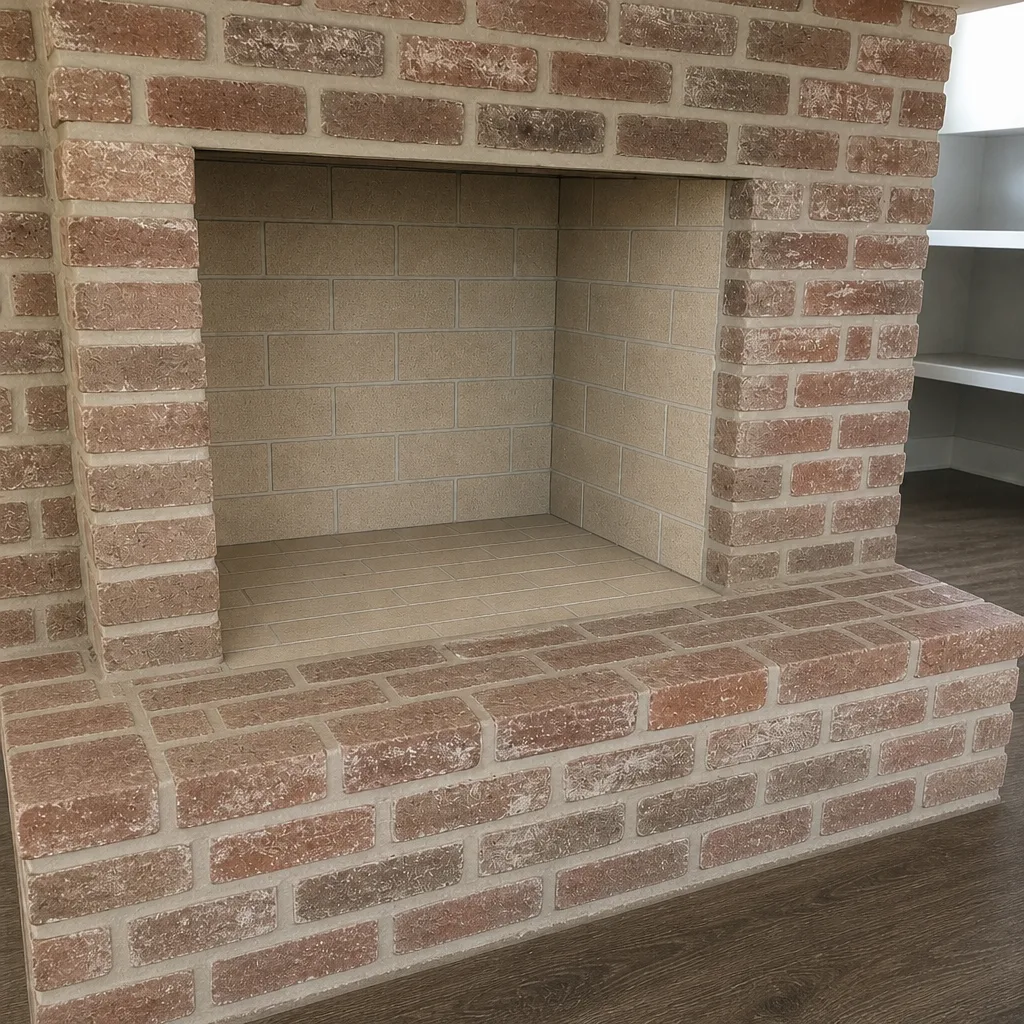
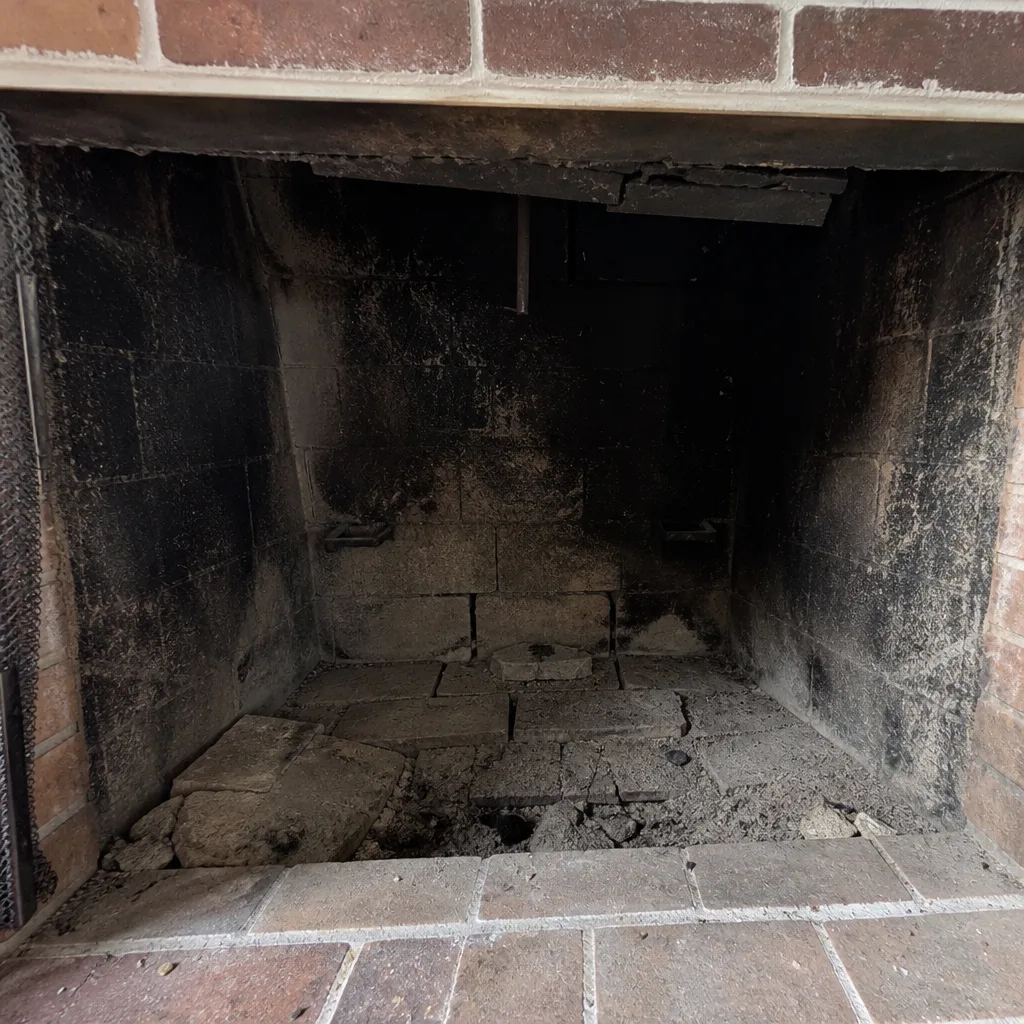
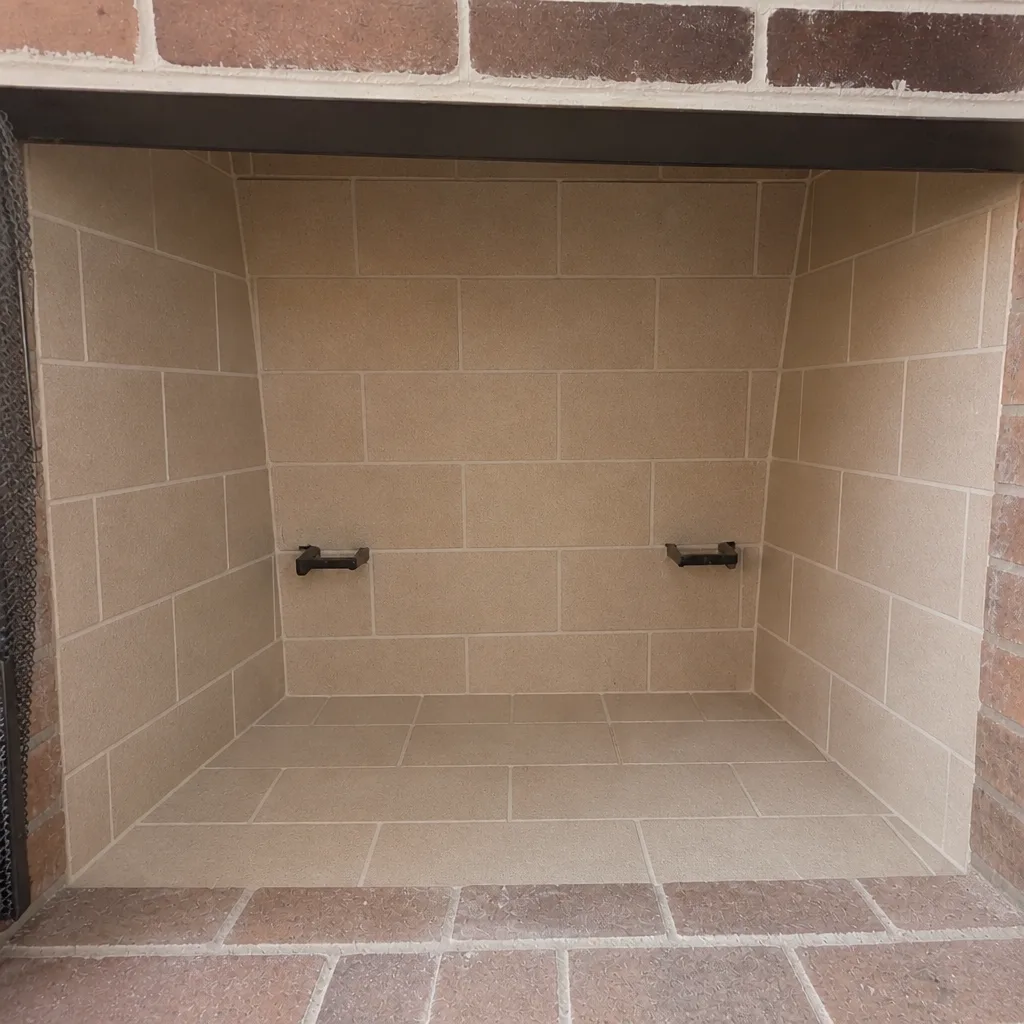
See the difference
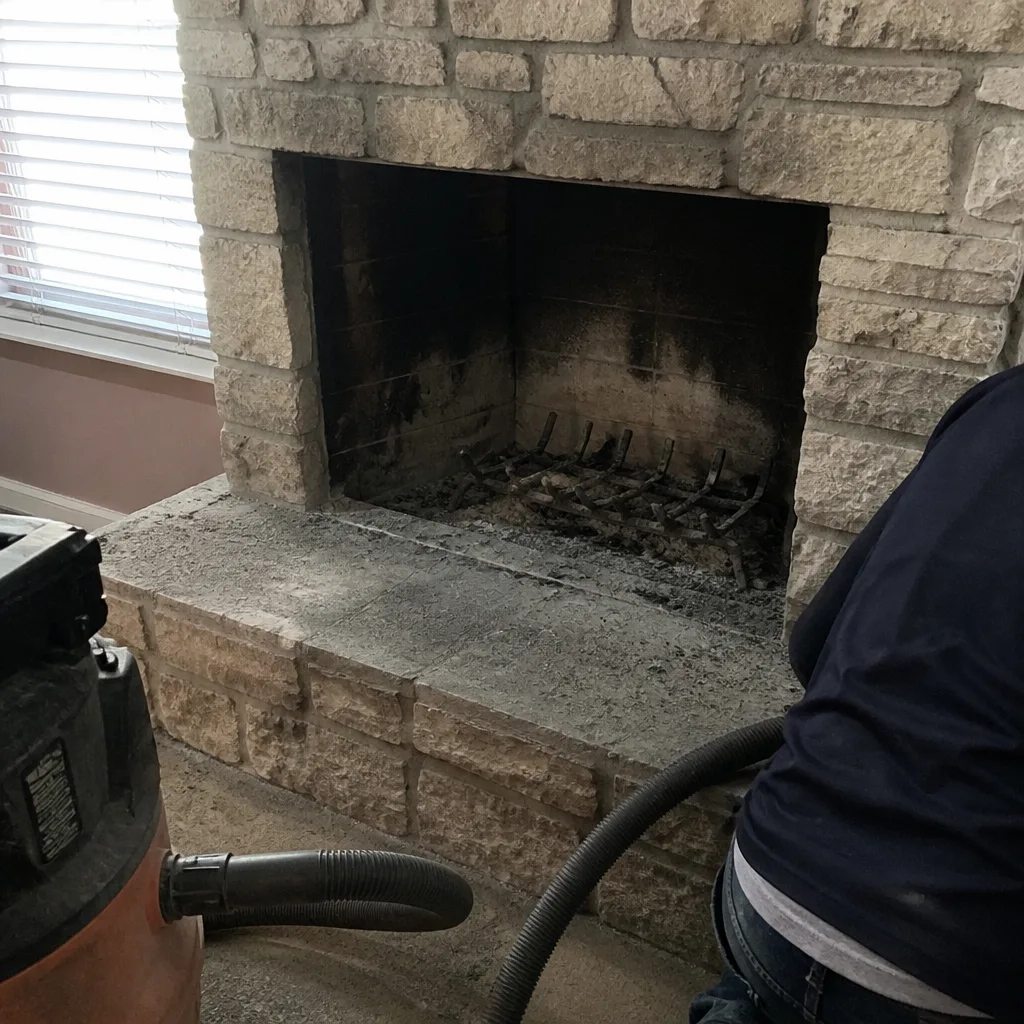 Before
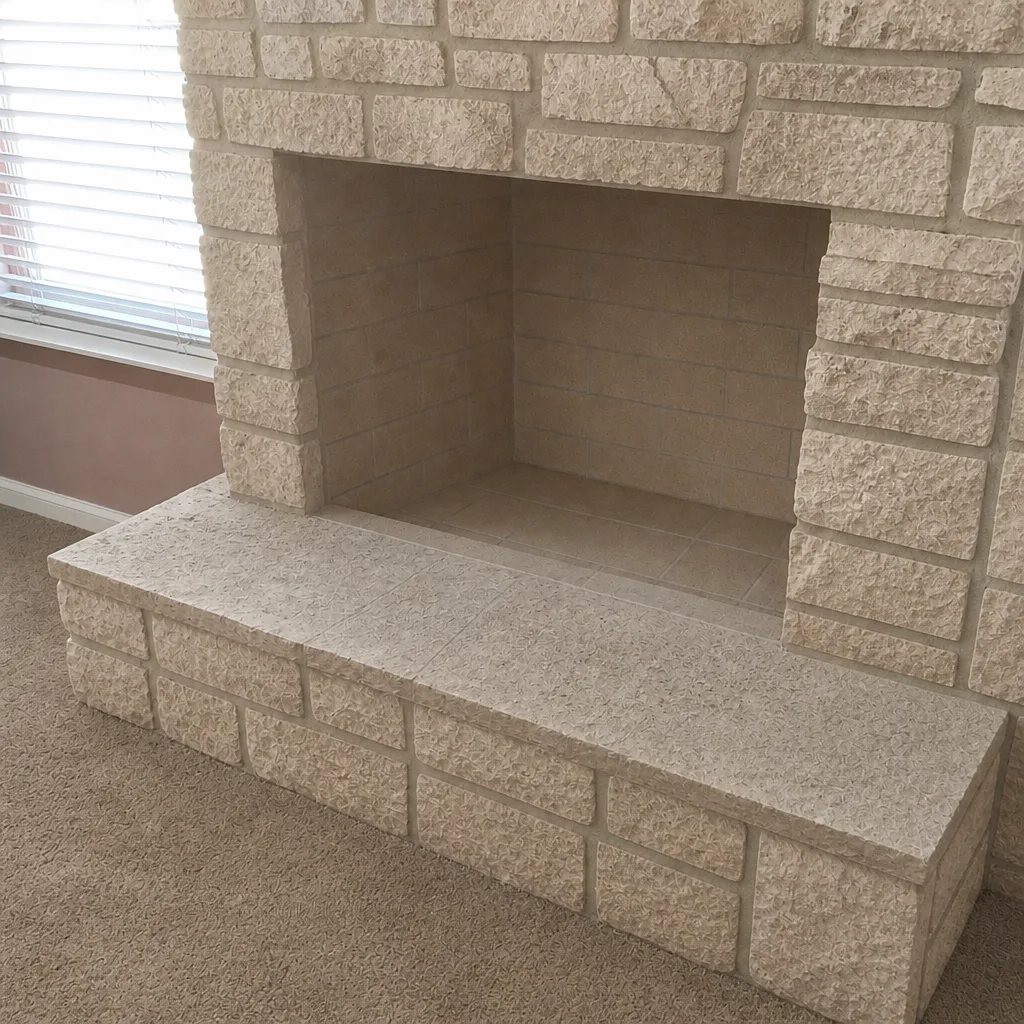 After
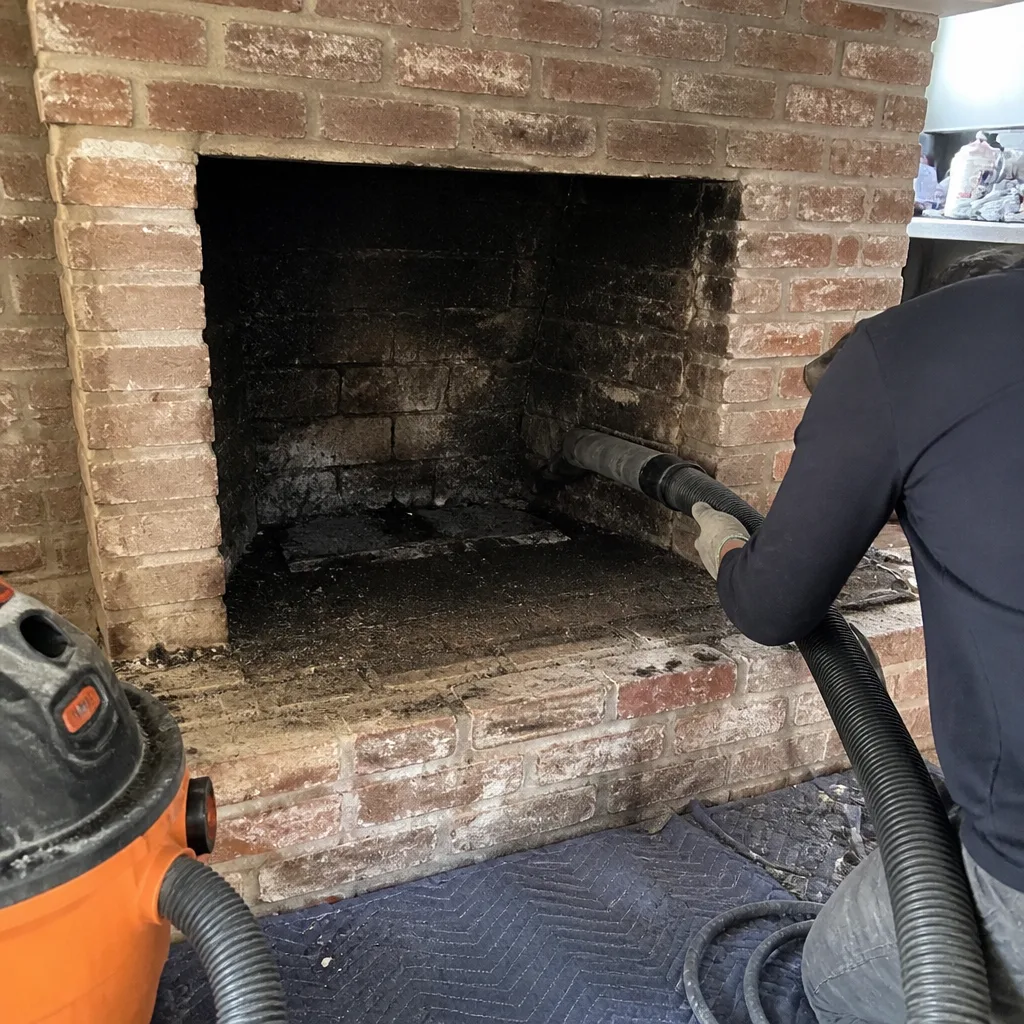 Before
 After
 Before
 After
When to Call a Professional
Some chimney problems are safe to watch. Others genuinely need a trained technician, and the line between those two is narrower than most homeowners expect. Call a professional when: you’ve never had the chimney inspected and you’re not sure about its history; you smell smoke in the house when the fireplace is running or after it’s out; you see creosote buildup at the damper or above the firebox; the crown is cracked or the mortar is spalling at the top; a home inspection flagged the chimney; you’re buying or selling a home in Miami Gardens; or you’ve just moved in and want a baseline. Our chimney sweep overview covers what a full sweep and inspection together actually involve. Anchor Chimney Sweep offers free estimates in Miami Gardens. Call (844) 560-6429. We answer 24/7. Fast dispatch from 7am to 7pm, Sunday through Friday.
Frequently Asked Questions
A professional chimney contractor should be able to name the products they install across five categories: liner systems (DuraFlex for flexible stainless, HeatShield for cast-in-place restoration), chimney caps (Copperfield, Famco, Olympia Chimney), crown coatings, creosote solvents, and waterproofing sealants. When a scope of work lists specific brands in each category, the contractor is showing they source from the professional supply chain rather than a general hardware store. When it lists none, that’s a question worth asking before work begins. Call (844) 560-6429 for an exact quote – estimates are free.
Stainless liner grade matters because 304 and 316 hold up differently against the acids and moisture inside a flue. Grade 304 is the standard choice for most wood-burning applications. Grade 316 is more corrosion-resistant and is often specified where the venting environment is harsher: gas appliances, oil appliances, and locations where humidity and airborne moisture add stress. South Florida’s year-round humidity makes this a real decision, not a technicality. Ask your contractor to state the grade on the written scope and show you the product label before installation. Call (844) 560-6429 and we’ll tell you which grade fits your job – estimates are free.
HeatShield is a cast-in-place restoration product that rebuilds a deteriorating flue liner from the inside, so the old liner doesn’t have to be removed. DuraFlex is a flexible stainless liner system that’s installed inside the existing flue to provide a new venting path. Both are legitimate repair paths, and the right one depends on what the inspection finds. HeatShield can be less invasive in some cases; DuraFlex is the standard replacement. A contractor who offers both can choose based on your chimney rather than steerc you toward whatever they install. Call (844) 560-6429 to book an inspection – estimates are free.
Start by looking for product names, not just product categories. “DuraFlex” tells you something specific; “stainless liner” does not. Check that the brand matches the job category, that liner grade (304 or 316) is stated, and that waterproofing appears as a named product when masonry is involved. Look at what’s not named too; a scope with no brand at all is signaling that material selection wasn’t a priority. And ask to see the manufacturer’s warranty document for whatever product is being proposed. Call (844) 560-6429 with your scope in hand – estimates are free.
The manufacturer’s warranty covers the product itself; the labor warranty covers whether it was installed correctly. Both need to be solid for either to matter. A liner that fails within the manufacturer’s warranty can be declined if the installation had a kink, bad seal, or wrong adapter; that’s when the labor warranty matters. Before booking, ask what the manufacturer’s warranty covers and for how long, whether the contractor is an authorized installer of that product, what the labor warranty covers, and whether it transfers if the home is sold. Call (844) 560-6429 for help reviewing your quote – estimates are free.
They often do. Miami Gardens chimneys sit idle for more months of the year than a northern chimney would, and the flue spends that time dealing with humid air and condensate. That means the crown, cap, and waterproofing choices take on outsized importance. Older neighborhoods like Scott Lake and Carol City typically have original masonry chimneys that may need a flexible liner or restoration product like HeatShield. Newer construction in areas like Norwood and Andover usually carries prefabricated fireplace systems that need system-specific liner products. One product line won’t fit both. Call (844) 560-6429 and we’ll look at what your chimney needs – estimates are free.
The Bottom Line
Brand names in a chimney quote are one of the most useful signals a homeowner has. Specific product names in the scope tell you the contractor sources from the professional supply chain, knows which product fits which job, and can stand behind the work with a manufacturer’s warranty. Generic materials tell you something else. In Miami Gardens, where the climate adds real stress to the top of the chimney and where masonry and prefabricated systems both appear in the housing stock, the right product varies case by case. That’s why a sweep-inspect-repair loop run by one contractor matters: the diagnosis and the material decision stay connected. Anchor holds – so does our work.
Ready to Book a Chimney Sweep or Repair?
Call (844) 560-6429 for a free estimate. We answer 24/7. Fast dispatch from 7am to 7pm, Sunday through Friday. We can walk you through what a scope of work should include for your chimney, answer any questions about the products we work with, and set a written estimate that specifies the materials by name. If you’re not sure whether your chimney needs work at all, that’s a fine reason to call too.
Written by the team at Anchor Chimney Sweep.