
Last updated November 16, 2026
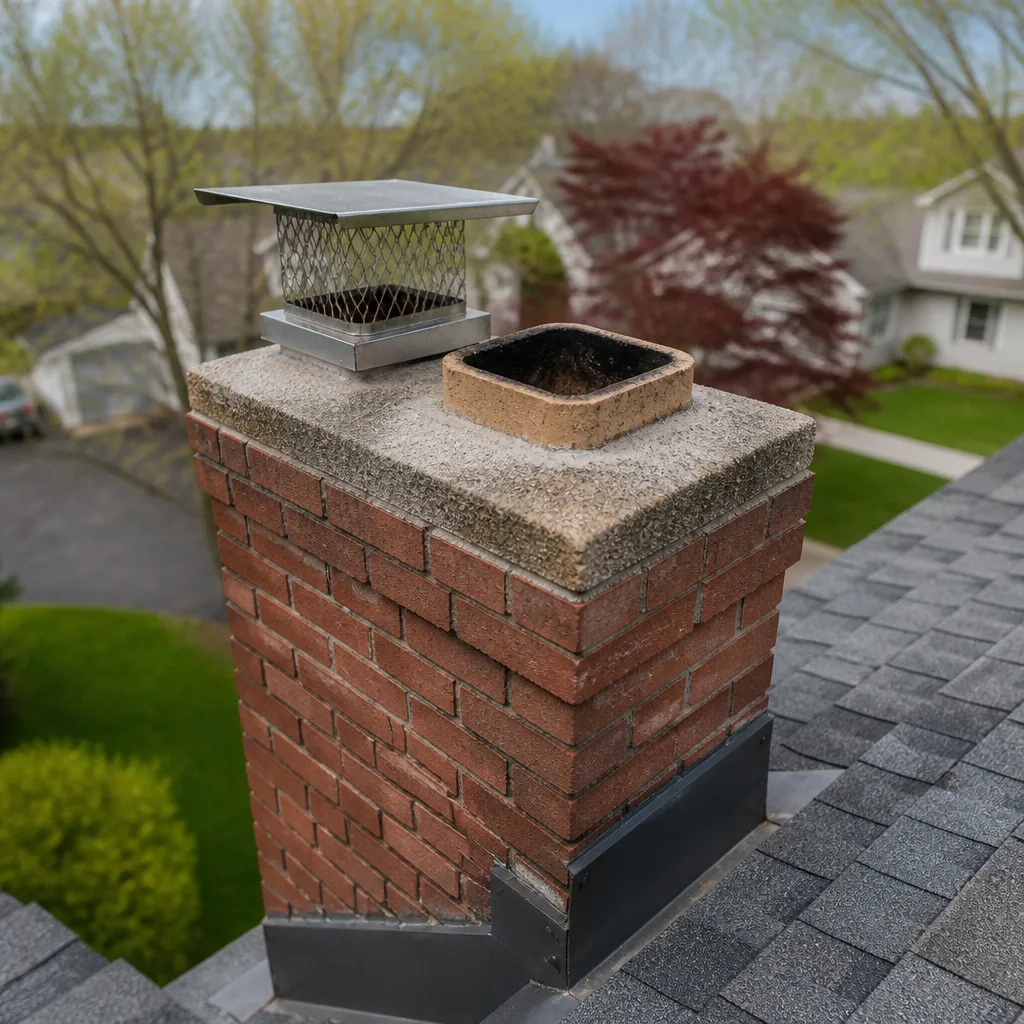 Sweep & inspection
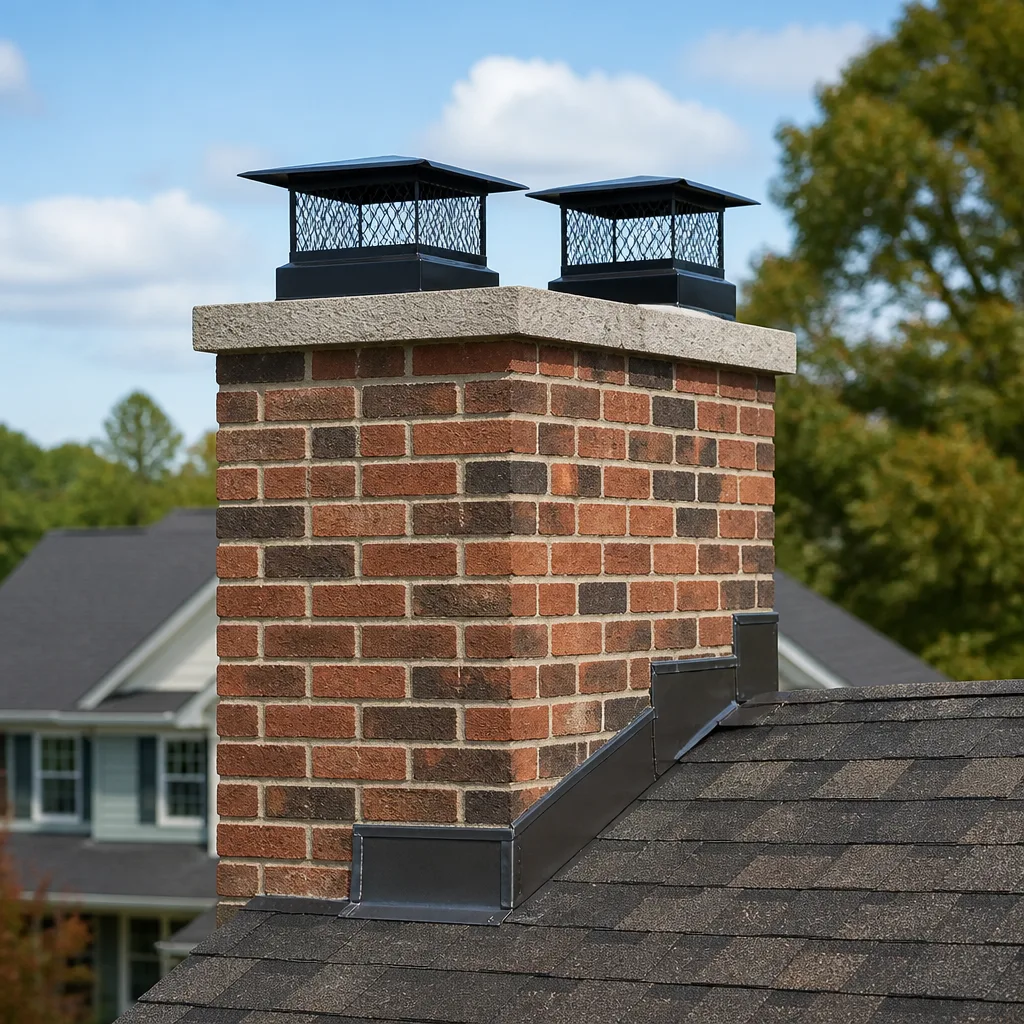 Caps & crowns
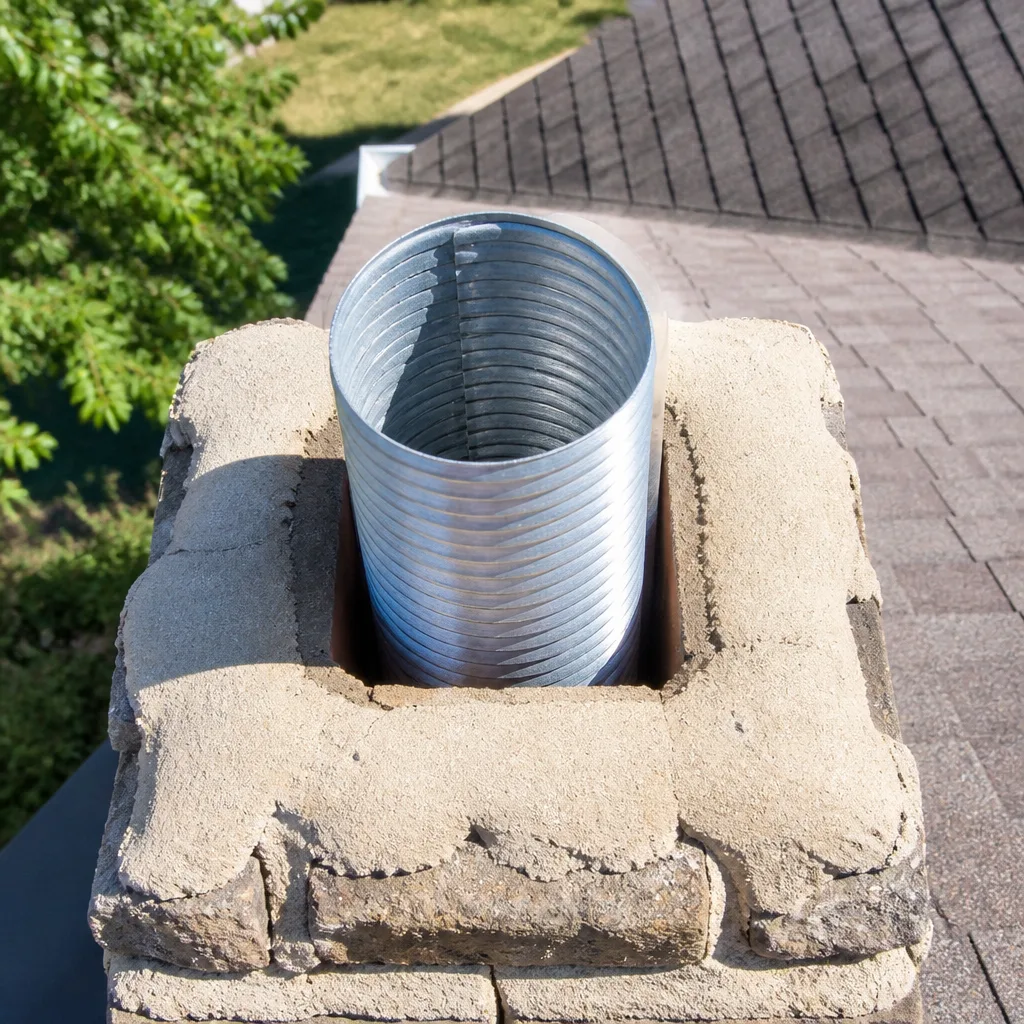 Flue relining
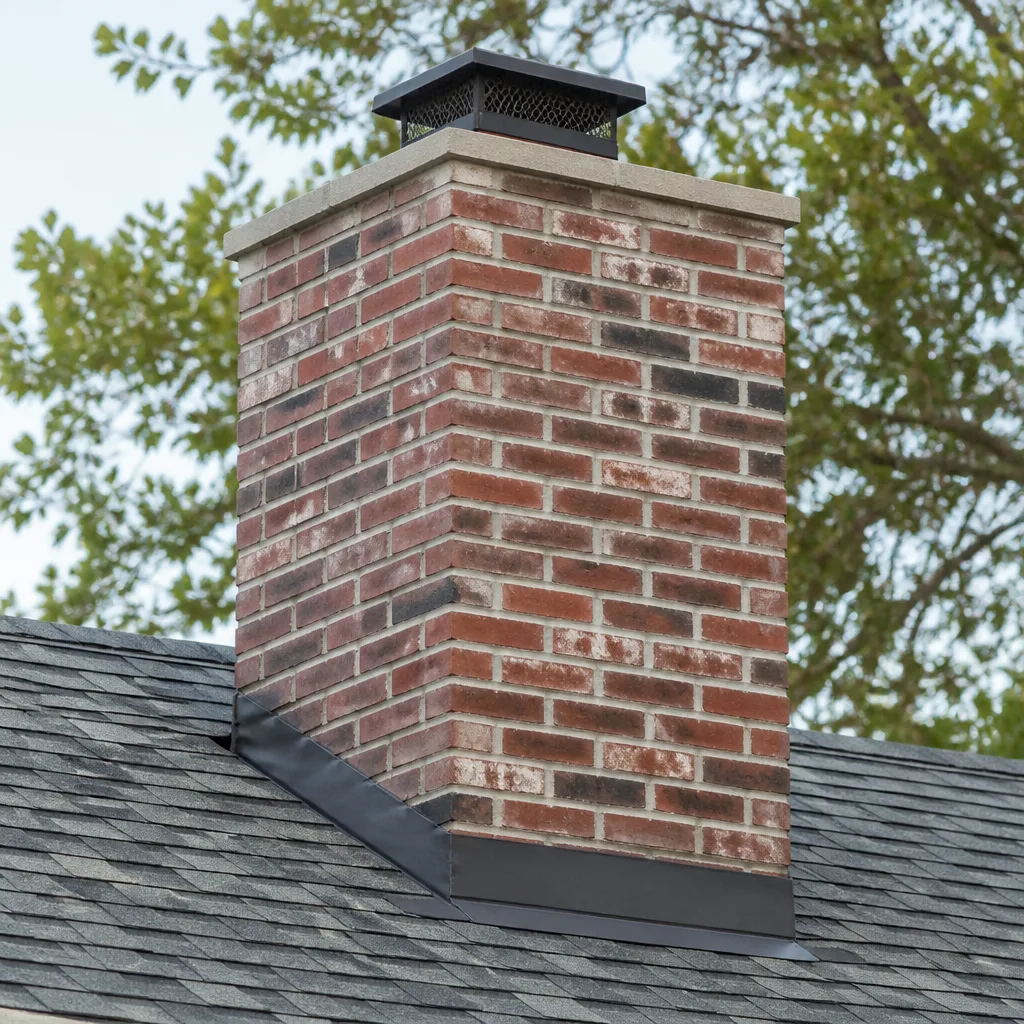 Masonry repair
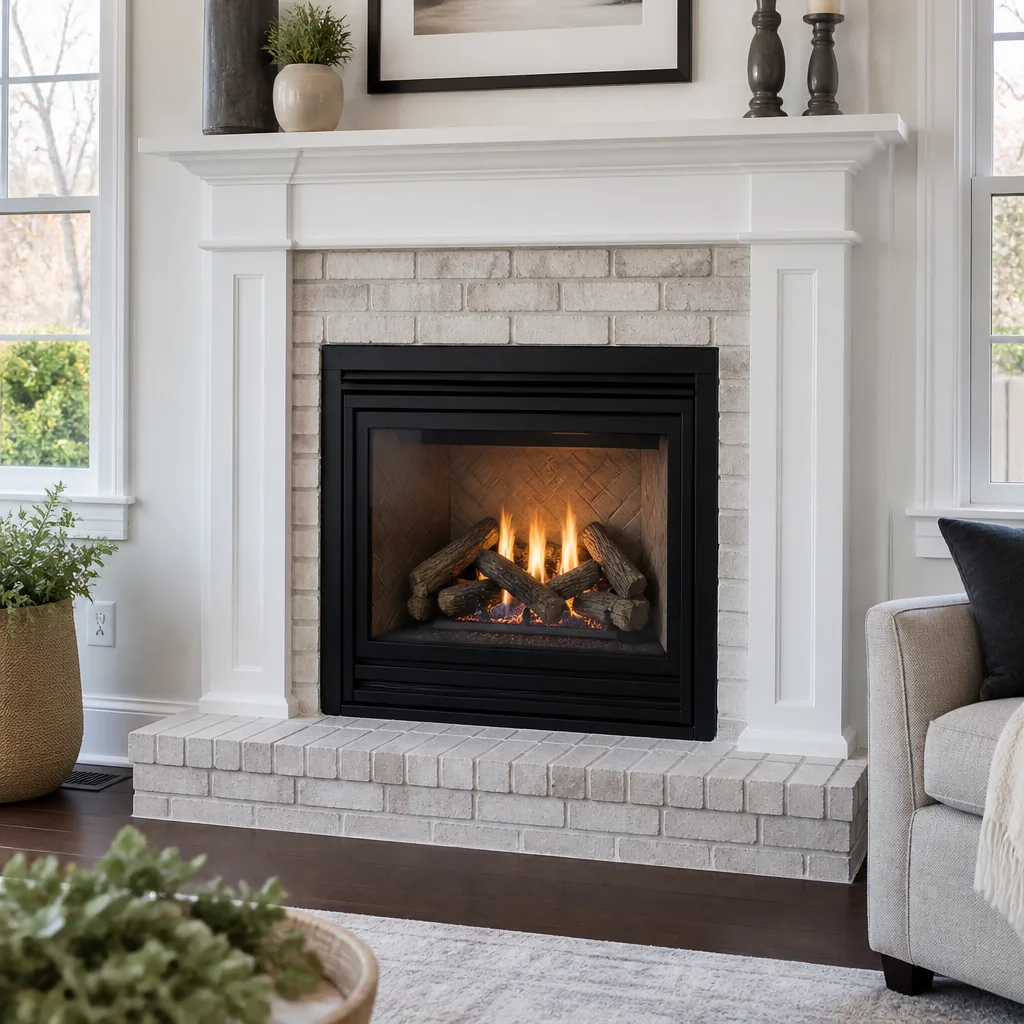 Gas fireplace service
Level 1 sweep and inspection to the NFPA 211 annual standard - flue, crown, cap, and flashing checked and photographed
Chimney sweep logs do not sweep chimneys. They loosen some creosote - which then falls where a brush and vacuum still have to collect it.
Chimney Cleaning Warning Signs: A Miami Gardens Homeowner’s Reference Guide
A white stain on your chimney’s exterior isn’t a cosmetic issue. It’s called efflorescence, and it’s direct evidence that water is moving through your masonry, dissolving minerals as it travels. By the time it’s visible from the ground, that process has usually been underway for a while. Most homeowners in Miami Gardens aren’t ignoring their chimneys on purpose. They simply haven’t been told which symptoms are surface-level and which point to structural movement, and in South Florida’s humidity a handful of local conditions get mistaken for normal wear every season. This guide connects what you can actually see and smell to what’s really causing it, so you can make an informed decision instead of a guess.
Quick Answer
The warning signs that most reliably mean “book a chimney sweep and inspection now” are: a strong, smoky or tar-like smell that won’t clear, a black or glazed crust inside the firebox or flue, water staining or efflorescence on the chimney’s exterior, loose or crumbling mortar joints, rust streaks on metal components, and any visible cracking in the crown or cap. Signs you can monitor rather than panic over include light soot dust on the firebox walls, a faint smoky smell after a fire, and minor staining that hasn’t changed in months. A crack in the crown in Miami Gardens tends to get worse faster than it would in a drier climate, so anything involving water deserves a professional look sooner rather than later.
Styles & brands we work with
- Sweep & inspection
- Caps & crowns
- Flue relining
- Masonry repair
- Gas fireplace service
Table of Contents
- Active Water Intrusion vs Historical Staining: How to Tell the Difference
- South Florida Warning Signs: Humidity, Rust, and Mortar Joint Deterioration
- Interior Warning Signs Homeowners Overlook: Odors, Drafts, and What They Mean
- Why a Cracked Crown Deteriorates Faster in Miami Gardens
- How to Photograph Warning Signs Before Your Technician Arrives
- Symptoms That Demand Immediate Inspection vs Symptoms You Can Monitor
- Common Mistakes to Avoid
- When to Call a Professional
- Frequently Asked Questions
- The Bottom Line
Active Water Intrusion vs Historical Staining: How to Tell the Difference
The single most useful skill in reading your own chimney is telling an active water problem from one that already happened and stopped. It changes what you do next.
Active water intrusion means water is entering the chimney system right now. The tell is change. Look for:
- Fresh damp patches on the masonry or the ceiling near the chimney chase after rain, especially stains that darken and then lighten over the course of a week.
- Efflorescence that’s growing. That white, powdery bloom is salt pushed to the surface by moisture. If the patch is larger than it was last month, water is still moving.
- Rust that’s bright orange or flaking. Fresh rust on a damper, cap, or chase cover means metal is still getting wet. Dark, dry, stable rust is a different story.
- Interior water stains with a defined edge on the ceiling or the chimney breast, which usually means an active leak at the flashing or crown.
Historical staining is evidence that water got in at some point and the source was fixed, or that it’s a very slow process. Dull, dry, chalky efflorescence that hasn’t moved in a season, faded brown rings on masonry, and dark, dry rust all belong in the “monitor” column.
Here’s where it gets complicated in Miami Gardens. Our wet season plus humidity means a slow leak can look historical for months and then bloom during the summer. If you can’t tell which category a stain falls into, that ambiguity alone is a reason to get eyes on it. A camera inspection settles the question with evidence you can see for yourself, which is the whole point. The team at Anchor Chimney Sweep can take the guesswork out of it.
South Florida Warning Signs: Humidity, Rust, and Mortar Joint Deterioration
Chimneys in Miami Gardens face a set of conditions that chimneys in drier parts of the country don’t. Understanding them explains why certain warning signs show up here more often, and earlier, than most generic chimney advice accounts for.
Humidity cycling and mortar joints. Miami Gardens runs humid for most of the year. Masonry absorbs moisture from the air during the wet season and releases it during dry stretches. Every wet-dry cycle pushes salt crystals through the mortar, and over time those crystals eat away at the joint from the inside. The pattern to watch for is mortar that looks sandy, recessed slightly from the brick face, or crumbles when touched. Small hairline joint cracks in one area are early-stage. Joints that are visibly eroded across the chimney’s face are a structural concern and worth a documented inspection.
Rust streaks on metal components. Rust-colored staining streaking down from a metal cap, damper, or chase cover is one of the most-reported warning signs in Miami Gardens homes, and it’s consistent with humidity that keeps metal surfaces damp for extended periods. Where that staining originates tells you a lot:
- Rust at the cap or chase cover points to a failing coating or standing moisture on the metal.
- Rust on the damper often means water is getting past the cap or crown and reaching the firebox.
- Streaks on the chimney face below the metal suggest water is running down from a compromised component, not that the brick itself has rusted.
Famco and Gelco caps and covers are built to handle humid climates properly, and replacing a rusted-out generic cap with one designed for the conditions is a routine part of what we do. Efflorescence, rust streaks, and eroded mortar joints together tell a specific story about moisture, and that story is what a proper inspection reads.
Interior Warning Signs Homeowners Overlook: Odors, Drafts, and What They Mean
Smell is the most underrated diagnostic tool you have. Different odors point to different problems, and most homeowners in Miami Gardens lump them all into “the chimney smells funny” without realizing each one means something specific.
Mildew or musty odor. This points to moisture inside the chimney system or the surrounding structure. It’s the indoor companion to the efflorescence and rust you might see outside. A damp, earthy, basement-type smell in a house with no basement is a water signal, not a creosote signal.
Sharp, tar-like, or campfire odor. This is a creosote smell, and it’s the one to take seriously. Creosote is the residue left by burning wood, and at higher concentrations it becomes glazed and hard. A creosote smell that’s strong even when the fireplace is cold usually means the flue is carrying more buildup than it should. This is exactly the category of sign that warrants a professional sweep rather than another fire.
Animal or ammonia odor. Birds, squirrels, and other animals sometimes enter through an uncapped flue to nest. An ammonia smell or the sound of scratching is a strong indicator. A chimney cap from Olympia Chimney or a comparable product solves the entry problem, but the nesting material still has to come out and the flue should be checked for blockage.
Drafts that reverse. If smoke rolls back into the room instead of going up, or the fireplace feels like it’s blowing air down at you, the draft has reversed. Common causes include a blocked flue, a house that’s tighter than the chimney can compensate for, or a flue that’s too cold to establish a strong upward pull. Any of these is worth having assessed, because smoke in the living space is a real indoor air quality issue, not a nuisance.
Odors and draft problems often arrive together. A musty smell plus a weak draft usually points to the same moisture and blockage issue, and a single inspection can sort out which.
Why a Cracked Crown Deteriorates Faster in Miami Gardens
The crown is the concrete or masonry cap at the top of a masonry chimney, shaped to shed water away from the flue. A hairline crack in a crown sounds minor. In Miami Gardens, it usually isn’t, and understanding why explains a lot of what homeowners see happening to their chimneys over time.
In a dry climate, a small crown crack can sit for years with little consequence. Here, the pattern is different. Sun heats the crown and the masonry below it. Rain, or simply heavy humidity, wets both. The two materials expand and contract at different rates, and every one of those cycles works the crack a little wider. Water enters the crack, sits in the masonry below, and the expansion-contraction process repeats. What starts as a hairline can progress to a crack wide enough to let water pour directly down the flue.
The progression usually looks like this:
- A hairline crack forms, often at a corner or along the flue opening.
- Water enters during rain or prolonged humidity, and the masonry below the crack stays damp longer than the surrounding brick.
- Efflorescence appears at the chimney’s exterior below the crown, at first small and then spreading.
- Mortar joints in the top courses of the chimney begin to erode from the moisture they’re holding.
- The crown separates or spalls, and water now has a direct path to the flue.
What makes this progression easy to miss is that stages one through three are almost always visible from the ground, while the damage they represent is happening inside the chimney structure. That’s why catching it early matters. HeatShield crown repair and resurfacing can address a crown that’s cracking but structurally sound, restoring its ability to shed water. A crown that’s already separated needs more. If you can see a crack in your crown, get it inspected before the next wet season gets a full run at it.
How to Photograph Warning Signs Before Your Technician Arrives
A few well-taken photos before a service call make the visit more efficient and give you a record you can revisit later. You’re not diagnosing anything. You’re capturing what you see so nothing gets lost in translation.
Here’s how to do it:
- Start at ground level, away from the chimney. Take one wide shot that shows the whole chimney and its relationship to the roof. This gives context.
- Zoom in on each symptom. Efflorescence, rust streaks, cracked mortar, and crown cracks all need their own close-up. Fill the frame.
- Take a “before rain” and “after rain” pair if you can. This is the single most useful evidence for distinguishing active water intrusion from historical staining, and it’s the kind of thing a technician can read at a glance.
- Photograph the firebox interior from a safe distance with a flashlight, capturing the flue opening and the firebox walls. Don’t reach into the firebox or climb onto the roof.
- Note the date on each photo. Your phone does this automatically. Keep the originals.
- Photograph the ceiling and walls near the chimney for water stains, and shoot them straight on so the stain’s edges are clear.
Safety note: photograph from the ground and from inside the house. Don’t climb onto your roof to take pictures. Roof work on any chimney involves heights and fall risk, and that’s a trained technician’s job, not a homeowner’s.
When you bring these photos to your appointment, they give the technician a starting point and a way to compare findings. If we’re looking at a repair recommendation, photos taken at the start of the visit give you something concrete to weigh it against. The camera inspection we run tells you what the inside of the flue actually looks like, and the photographs you took tell you what the outside has been doing over time. Together they’re far more useful than a verbal description.
Symptoms That Demand Immediate Inspection vs Symptoms You Can Monitor
The trap most homeowners fall into is treating every symptom as equally urgent or equally ignorable. Neither is right. Here’s a practical split.
Signs that warrant a professional inspection now:
- A glazed, tar-like crust on the flue walls, or a strong creosote smell even when the fireplace is cold. This is the category most associated with chimney fire risk, and it should be assessed by a trained professional.
- Any reversible draft or smoke entering the living space.
- Active water intrusion signs: fresh damp patches, growing efflorescence, or bright rust.
- A visible crack in the crown or cap that appears to be widening.
- Loose or missing mortar joints, or brick that moves when pressed.
- Animal nesting material or a blockage in the flue.
- Any concern about the flue liner being damaged, cracked, or missing. A compromised liner allows heat and gases to reach surrounding materials, and this is not something to sort out yourself.
Signs you can monitor and revisit:
- Faint soot dusting on firebox walls, which is normal between cleanings.
- Dry, chalky efflorescence that hasn’t grown in months.
- Dark, dry rust that’s stable and hasn’t worsened.
- A single small mortar joint in a low-stress area that hasn’t changed since you noticed it.
Monitoring means taking a dated photo, checking again in a month or two, and re-photographing. If nothing’s changed, it stays in the monitor column. If it’s grown, it graduates to the inspect-now column. If the chimney has never been swept and you burn regularly, the sweep itself is the answer regardless of what you’re seeing on the outside.
One thing to keep in mind for Miami Gardens homes: humidity keeps moisture in the masonry longer than you’d expect, which means symptoms that would resolve themselves elsewhere tend to persist here. That argues for a lower threshold for calling in an inspection when you’re unsure.
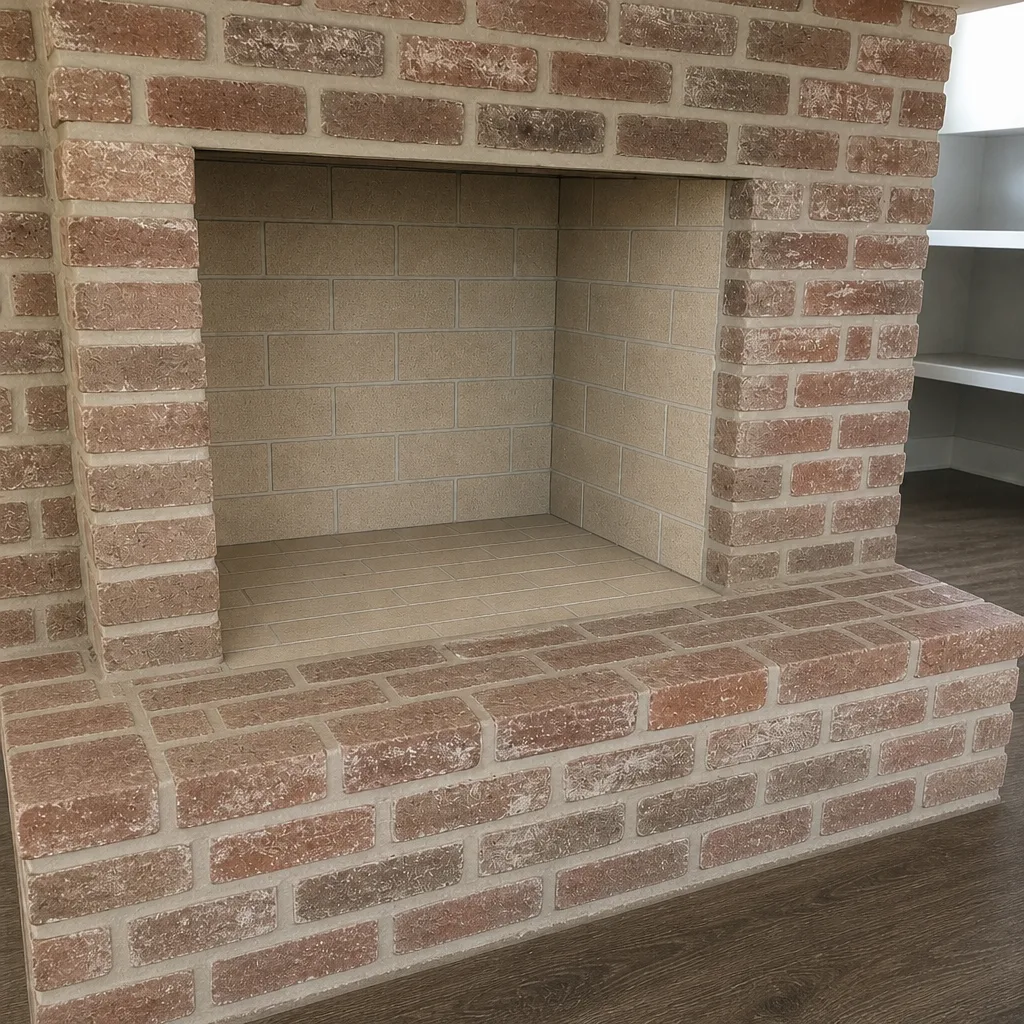
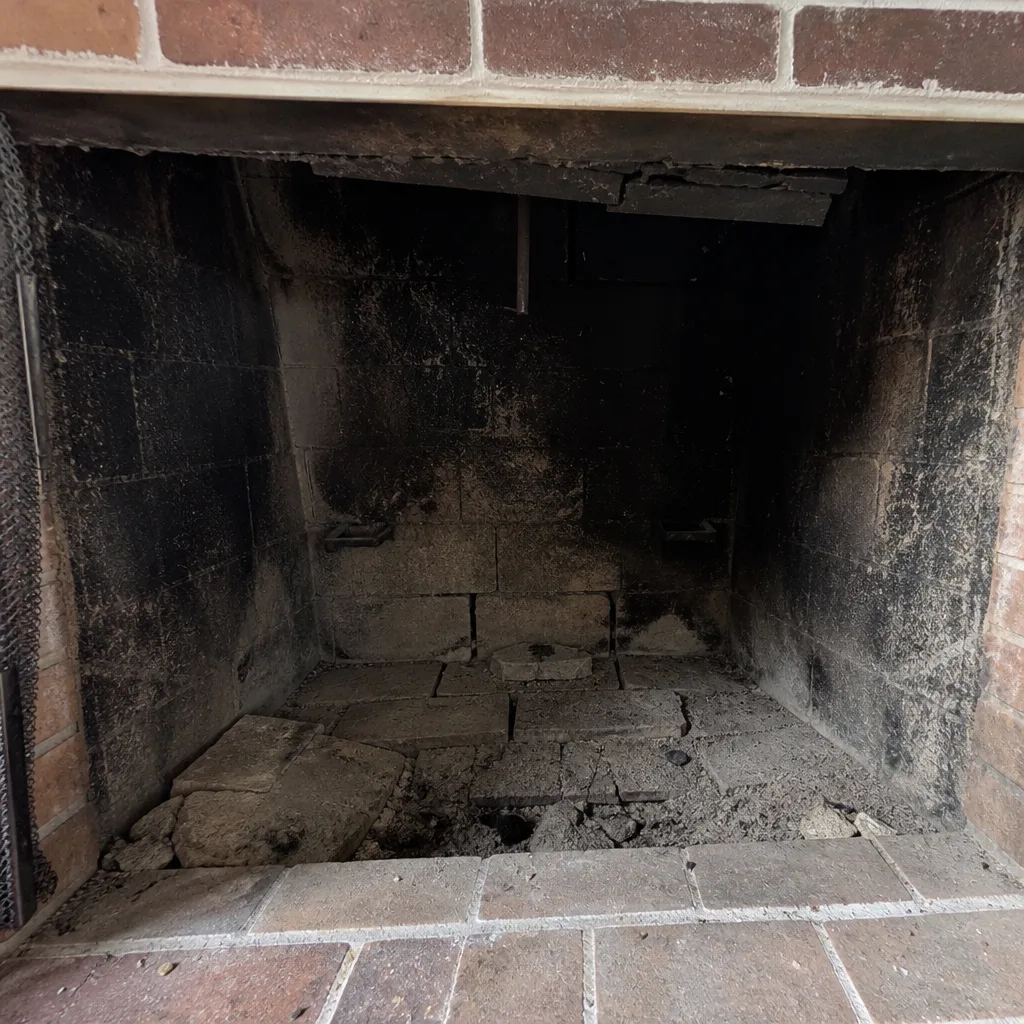
See the difference
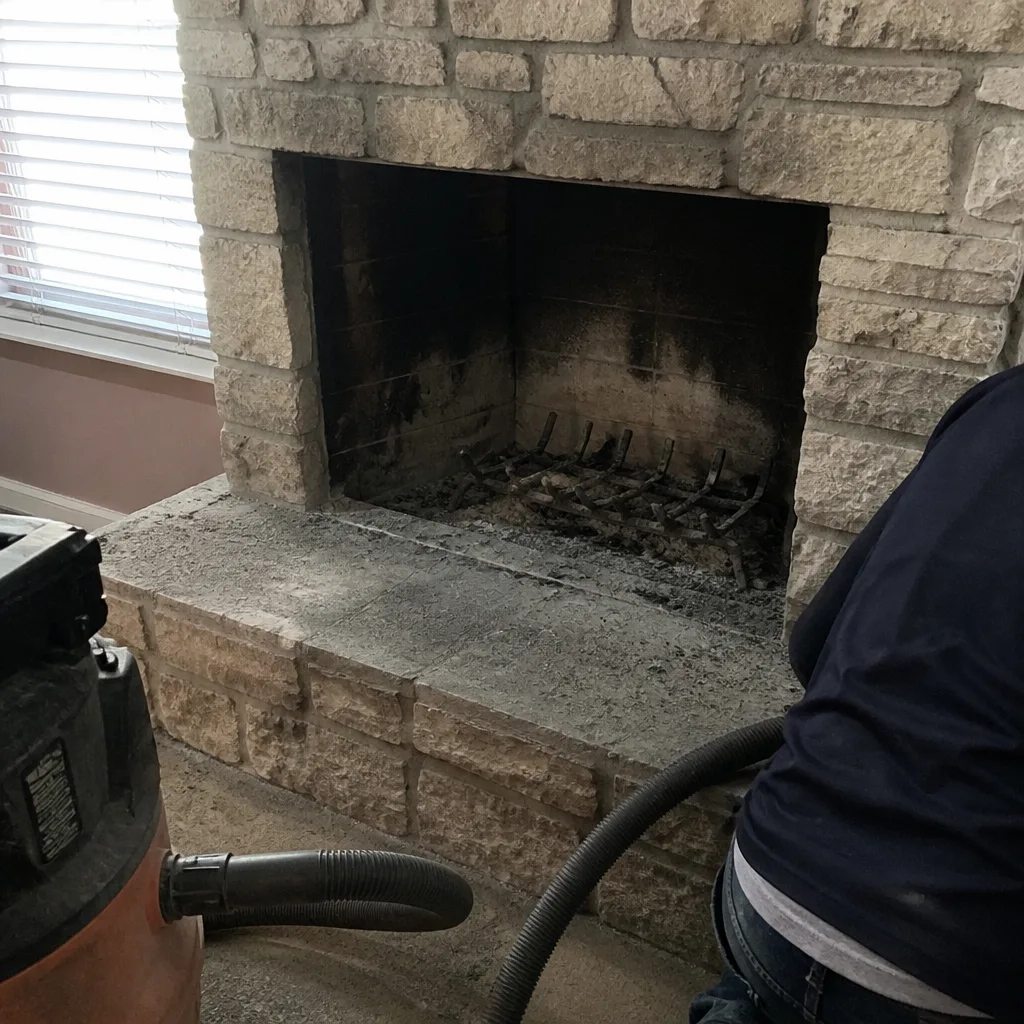 Before
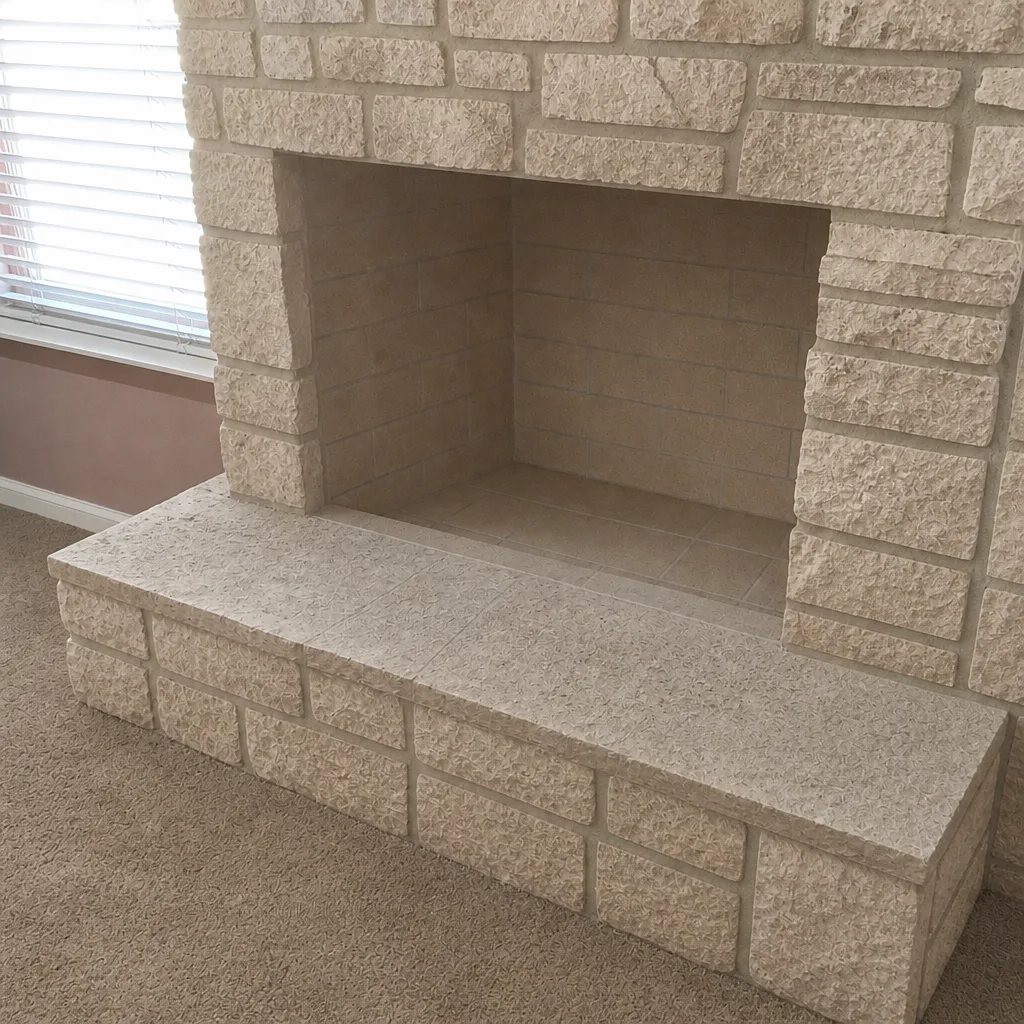 After
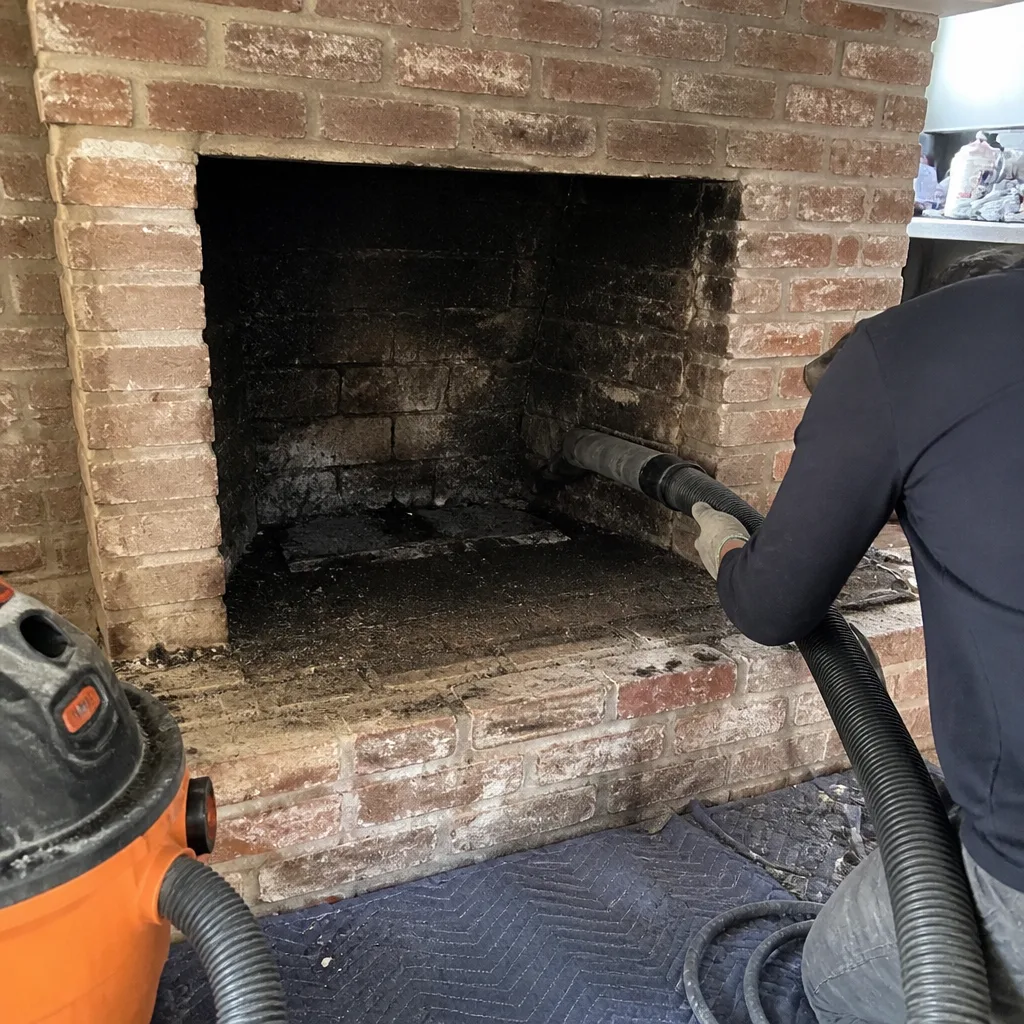 Before
 After
 Before
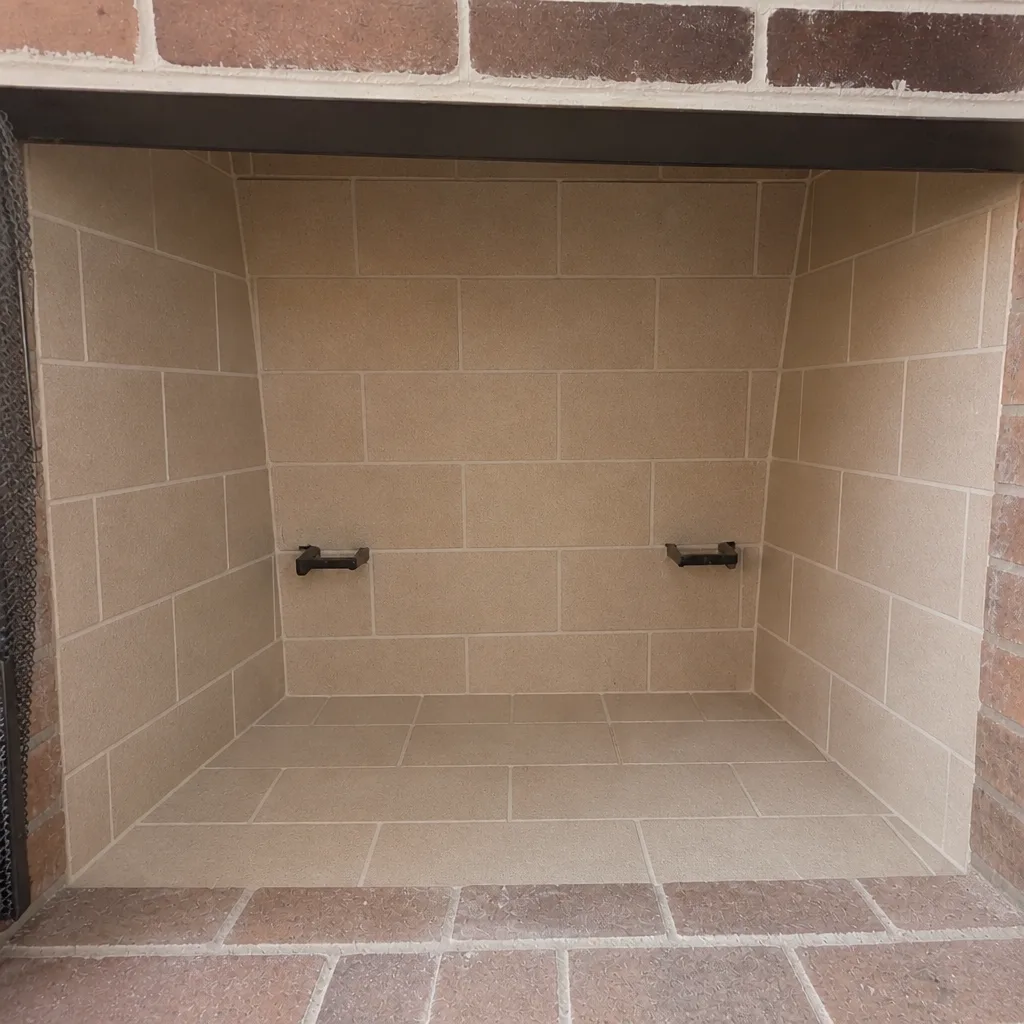 After
What Happens If You Skip a Sweep?
Fire risk and carbon monoxide exposure are the two reasons chimney maintenance matters, and both deserve a straight answer. Creosote from burning wood accumulates with every fire, and at higher concentrations it can ignite. A chimney fire can damage the flue liner, and a damaged liner is what allows heat and gases to migrate to surrounding materials. Separately, a blocked or damaged flue can interfere with venting, and venting problems are a carbon monoxide concern in any home with a wood-burning appliance.
This is not a scare tactic. Most of the time, a neglected chimney produces no obvious problem for a long stretch and then presents with a symptom that’s already severe. The point of knowing the warning signs is to catch the problem before that happens. Regular sweeping, done by a professional who can also inspect the flue, is the routine that keeps a wood-burning fireplace operating as it should.
If you’re overdue and unsure where you stand, a chimney sweep in Miami Gardens is the place to start, and it comes with an inspection that tells you what condition the system is in. If anything turns up, the chimney repair side of the same team handles it, so there’s no handoff to a separate contractor to finish what the sweep uncovered.
Common Mistakes to Avoid
- Treating efflorescence as a cleaning problem. It’s a moisture problem. Scrubbing it off the surface doesn’t stop the water that’s dissolving minerals inside the masonry, and it’ll reappear. The source is what needs attention.
- Burning a fire to “burn off” a creosote smell. If the smell is strong, the buildup that’s causing it is also what makes a fire riskier. Let a technician assess it first.
- Ignoring a crack in the crown because the crown “still looks solid.” In Miami Gardens humidity, a crack that looks minor from the ground is working its way wider every wet season. The visible crack is the early stage, not the end state.
- Confusing an old stain for an active leak, or an active leak for an old stain. Take the before-rain and after-rain photos. It takes a minute and settles the question.
- Putting a cheap generic cap on a flue that needs a properly sized one. A cap that doesn’t fit the flue doesn’t stop water or animals. Famco and Gelco make caps sized for the job, and choosing the right one is part of the service.
- Waiting for the fireplace to fail before booking the first sweep in a new home. If you bought in Miami Gardens and don’t know the service history, an inspection tells you what you’re actually working with before you light the first fire.
- Assuming a draft problem is “just how the house is.” Reversed draft and smoke in the room usually has a specific cause, and it’s worth finding out what it is.
When to Call a Professional
Call a professional if you’re seeing any of these: a strong creosote smell or a glazed flue, smoke that comes into the room, active water intrusion signs, a widening crown crack, loose mortar joints, animal nesting material, a flue liner you’re not sure about, or a fireplace you burn regularly and have never had swept.
Also call if you’re buying or selling a home in Miami Gardens and need the chimney assessed before the transaction, or if you moved in recently and have no record of the last inspection. A camera inspection gives you documented evidence of the system’s condition, and nothing gets recommended without evidence you can see. If work can wait, we’ll say so.
Anchor Chimney Sweep offers free estimates for Miami Gardens homeowners. We answer 24/7. Call (844) 560-6429 to book a sweep or inspection.
Frequently Asked Questions
Efflorescence on the chimney’s exterior is the one most often missed, because it looks like harmless white staining rather than evidence of water moving through the masonry. It starts small, usually just below the crown, and grows if the moisture source isn’t addressed. If you spot it, take a dated photo and get it inspected.
Not always. A small, dry patch of efflorescence that hasn’t changed in months may be the residue of an old water issue that’s since stopped. What matters is whether the stain is growing. Compare photos taken weeks apart, and if it’s spreading, the moisture is active. Call (844) 560-6429 for an inspection if you’re unsure.
Look for change. Fresh damp patches after rain, bright or flaking rust, and efflorescence that’s larger than it was last month all indicate active water. Faded, dry, unchanged staining is historical. A before-rain and after-rain photo pair is the simplest way to tell the difference. Our inspection includes photos of what’s actually happening inside the flue.
Rust streaks on metal components are consistent with extended humidity that keeps dampers, caps, and chase covers wet for long stretches. The streaks themselves usually point to a compromised metal component, often a failing cap or cover, letting water onto the metal below. Replacing a rusted-out generic cap with a properly sized Famco or Gelco cap addresses the source.
It depends on how far the crack has progressed. A crown that’s cracked but still structurally sound can often be resurfaced and restored, and HeatShield crown repair is designed for exactly that. A crown that’s separated or spalled usually needs more. An inspection tells you which situation you’re in, with photos you can review.
Yes. Photograph the exterior from the ground, close-ups of each symptom, the firebox interior, and the ceiling and walls near the chimney. Date the photos and keep the originals. They give your technician a starting point, and they give you a record to compare against the findings of the inspection.
The Bottom Line
Chimney warning signs divide into two practical categories: the ones that mean call a professional now and the ones that mean take a photo and watch. Efflorescence that’s growing, bright rust, active water staining, a widening crown crack, a strong creosote smell, and any smoke coming into the room all fall into the call-now category. Dry historical staining, stable rust, and light soot dusting fall into the monitor category. Miami Gardens humidity makes the water-related signs more likely to get worse if ignored, which argues for a lower threshold for an inspection. Take dated photos, watch for change, and book a sweep if you’re overdue. Anchor Chimney Sweep can handle the sweep, the inspection, and any repair under one call. Call (844) 560-6429 for a free estimate. We answer 24/7, with fast dispatch from 7am to 7pm, Sunday through Friday.
Written by the team at Anchor Chimney Sweep.